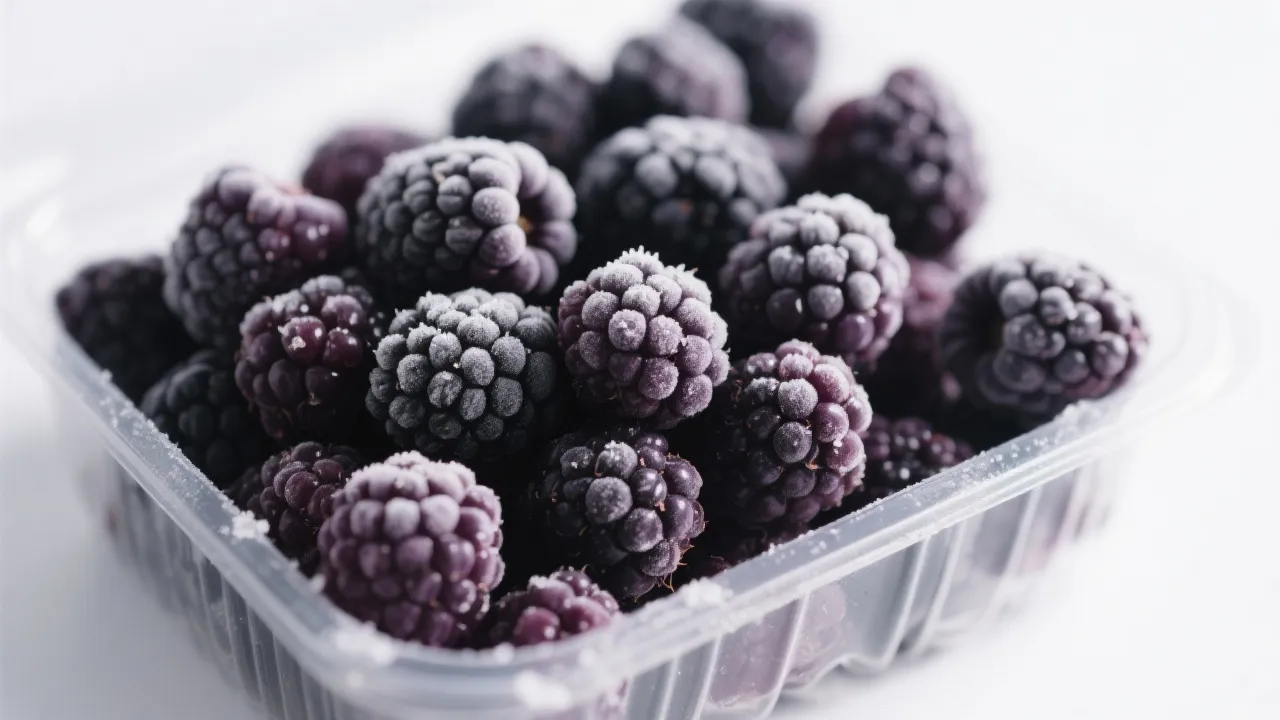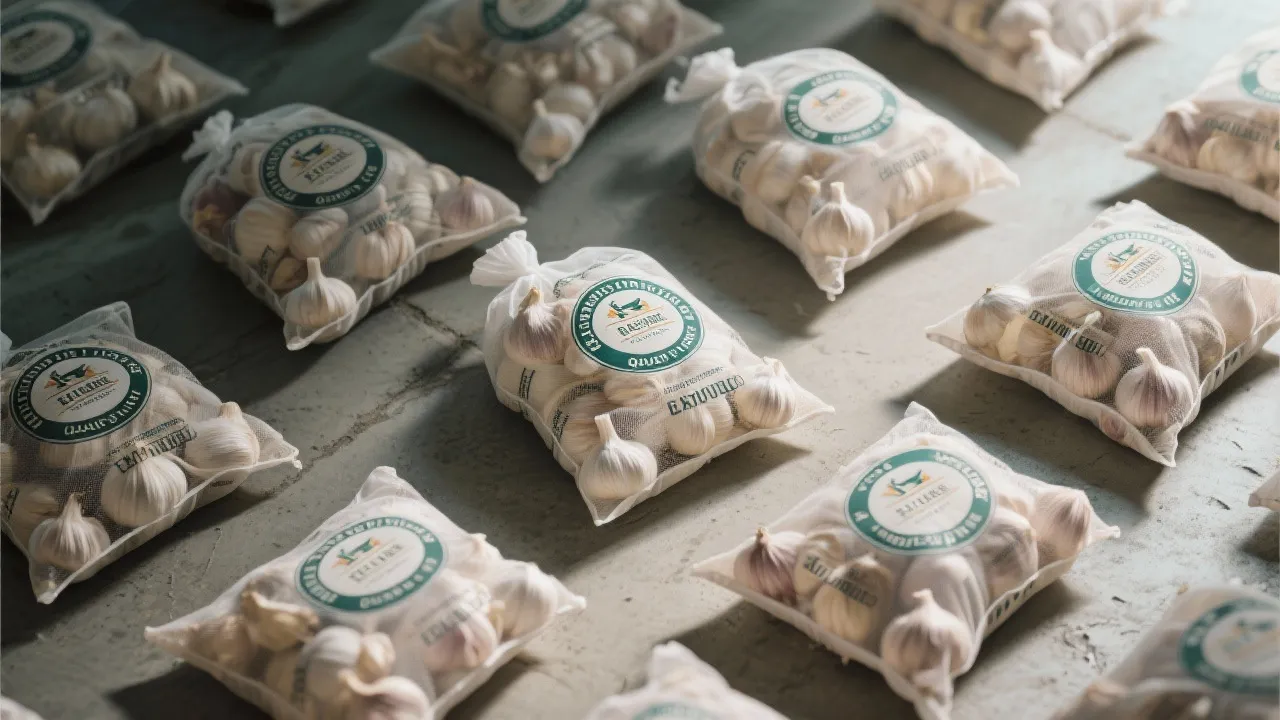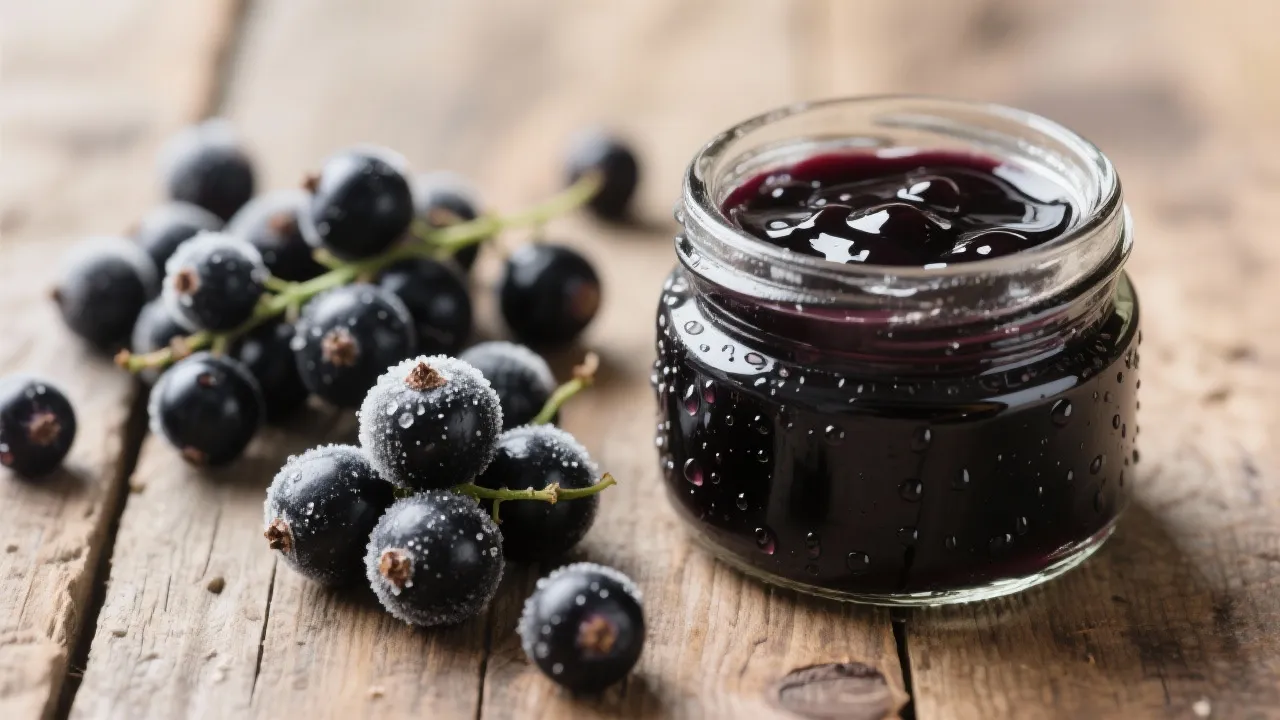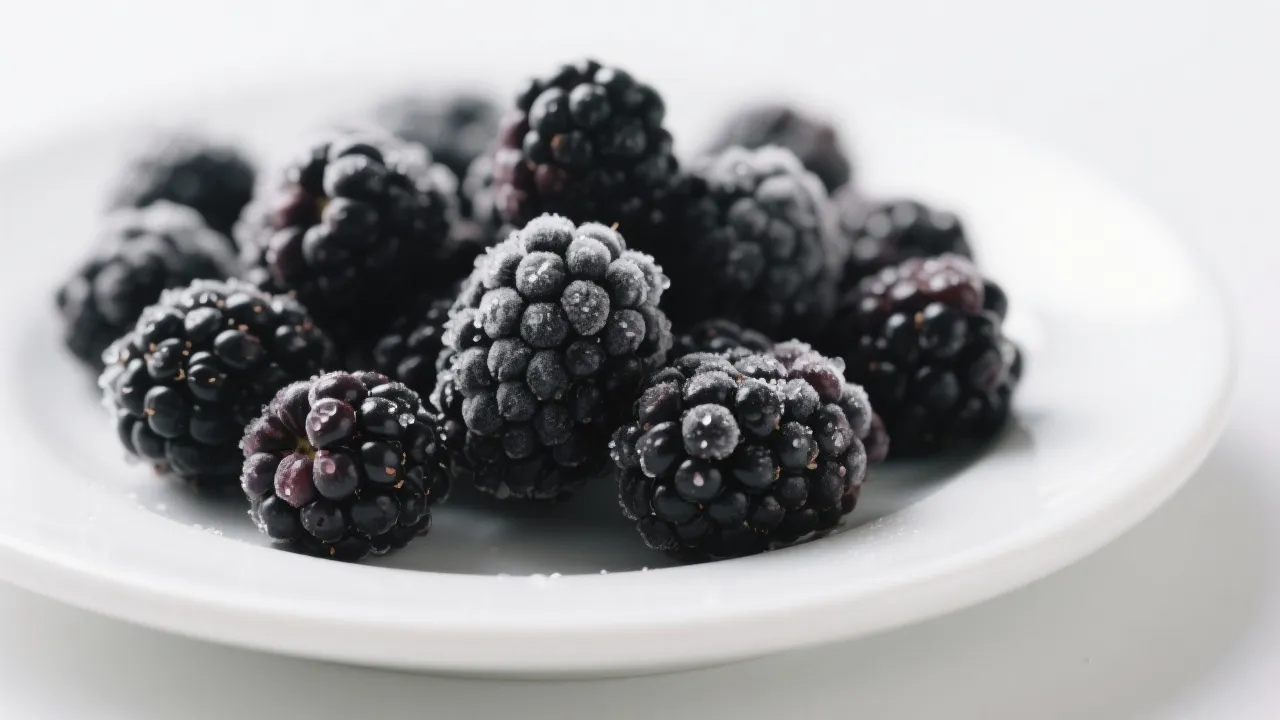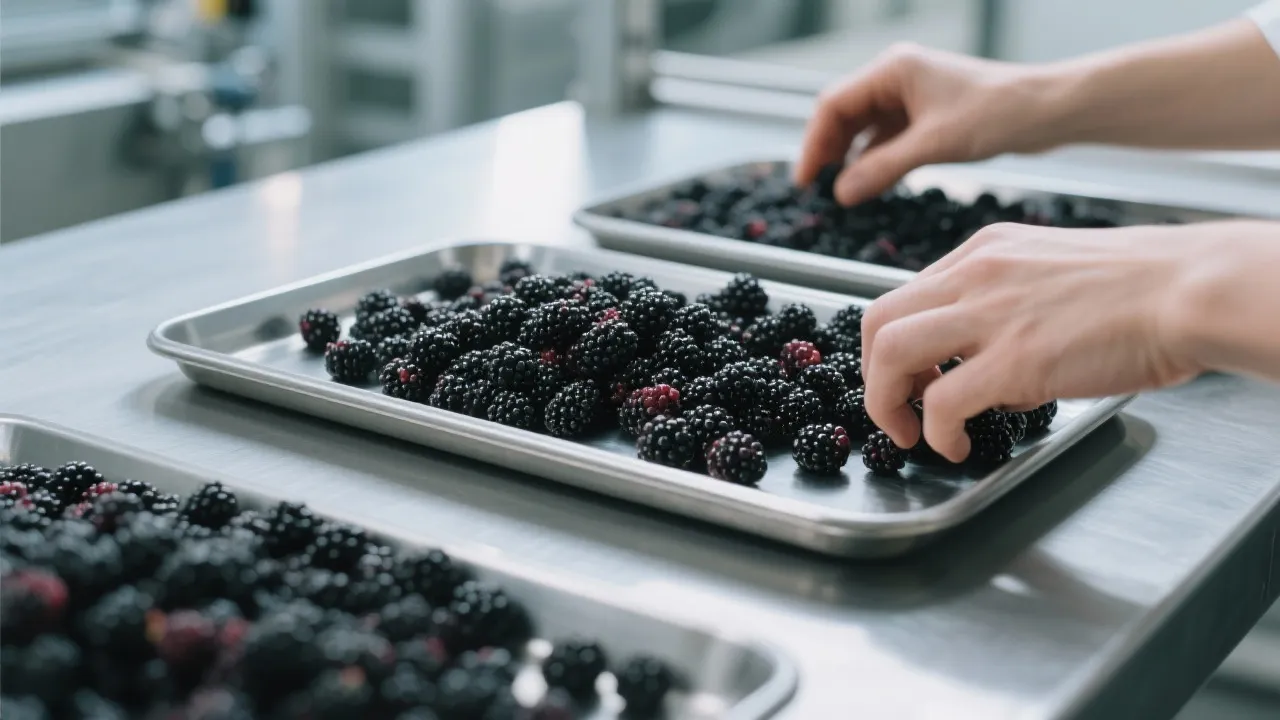
In recent years, the global consumer base has been increasingly conscientious about food safety and quality. As a result, organic certification and Halal certification have emerged as crucial quality markers in the frozen fruit industry. This article will delve into the core standards of these two certifications, their role in ensuring the natural purity and cultural compatibility of frozen blueberries, and how they can help businesses meet the diverse needs of the European, American, and Asian markets, thereby enhancing international recognition and market competitiveness.
Organic certification indicates that the frozen blueberries are produced without the use of synthetic pesticides, fertilizers, or genetically modified organisms (GMOs). It ensures that the product is as natural and pure as possible, meeting the growing demand for healthy food among consumers in the European and American markets. According to a recent industry report, the market share of organic food has been growing at an annual rate of 10 - 15% in the past five years.
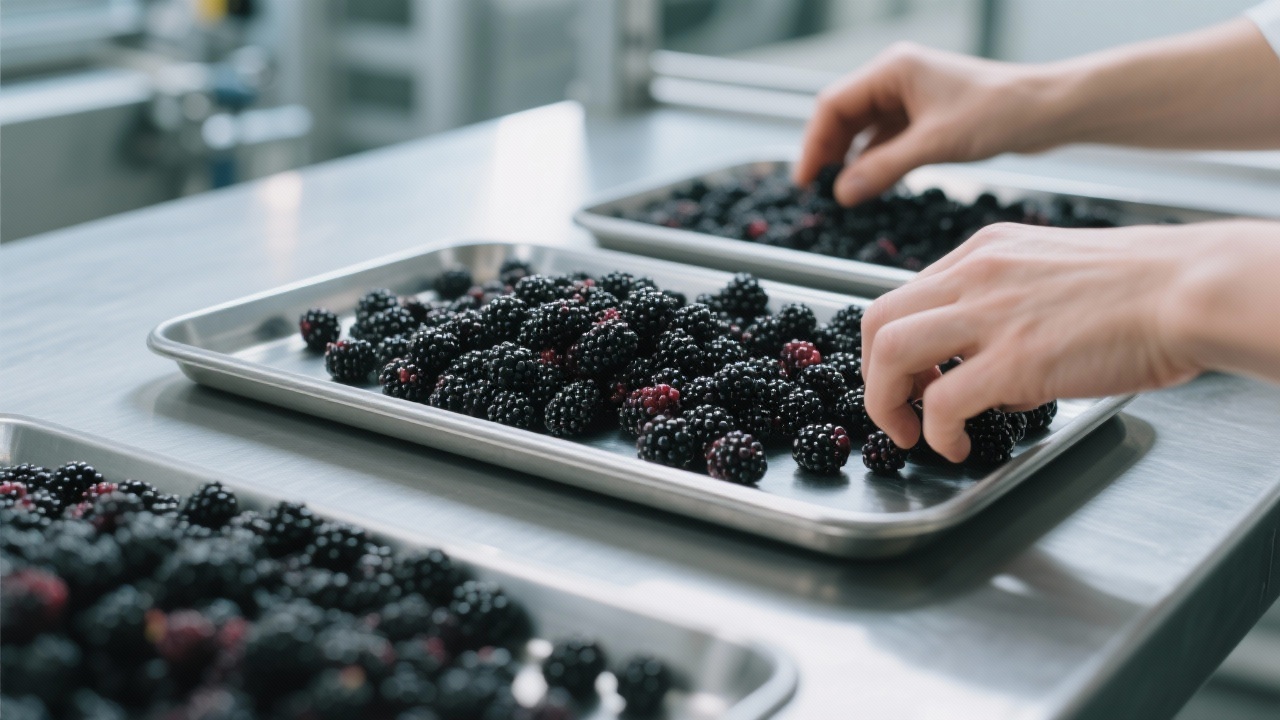
On the other hand, Halal certification is essential for entering the Middle East and some Asian markets. Halal food complies with Islamic law, which not only includes rules about ingredients but also the production, processing, and storage processes. It has a broad consumer base, with over 1.8 billion Muslims worldwide. Meeting the Halal requirements means that businesses can access a large and growing market.
The application process for these certifications can be complex, with different standards in various countries and regions. For organic certification, one has to work closely with recognized organic certification bodies such as the USDA Organic in the United States or the EU Organic logo in Europe. The process usually involves a detailed inspection of the production facilities, farming methods, and record-keeping systems.
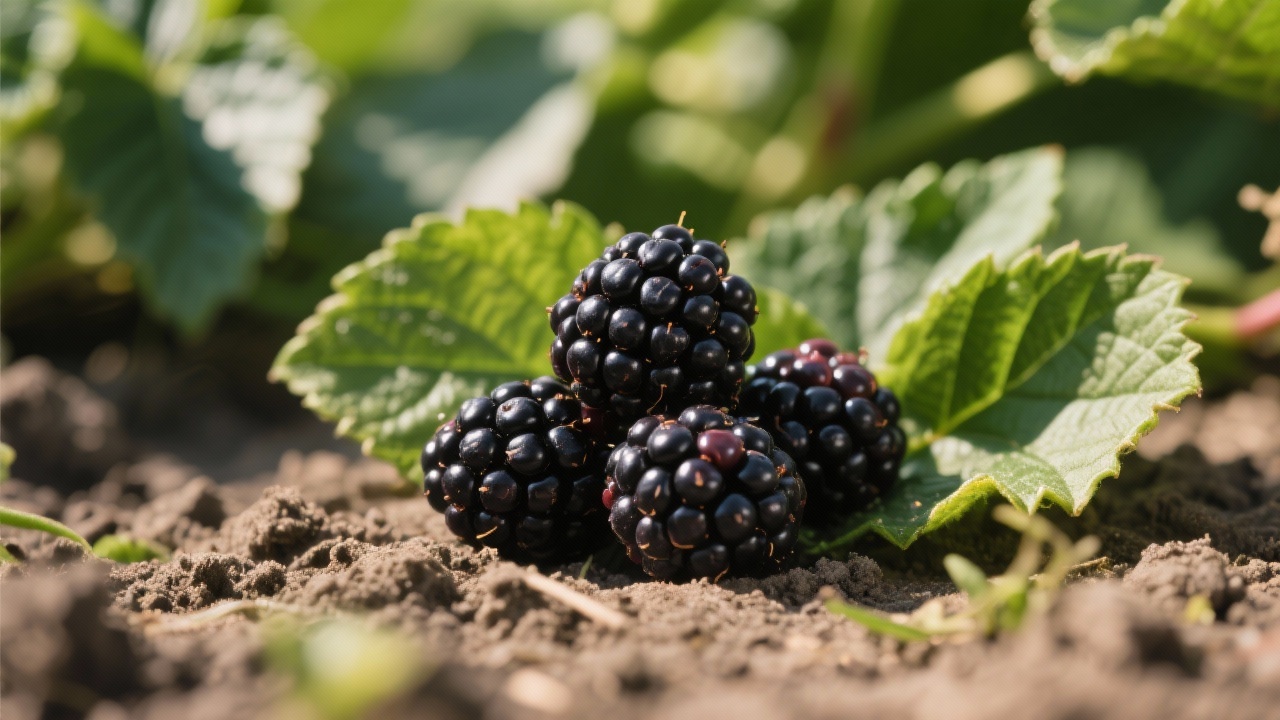
Halal certification requires compliance with Islamic dietary laws. It often involves an audit by a Halal certification agency, which verifies that all ingredients and processes are Halal. Common challenges in the certification process include ensuring the traceability of ingredients and maintaining a clean production environment free from cross - contamination.
Many companies have successfully entered the international market by obtaining both organic and Halal certifications. For example, a Chinese frozen fruit producer managed to break into the European health food market and the Middle East Halal market simultaneously. By using these certifications as a marketing tool, they were able to build trust with consumers and gain a competitive edge.
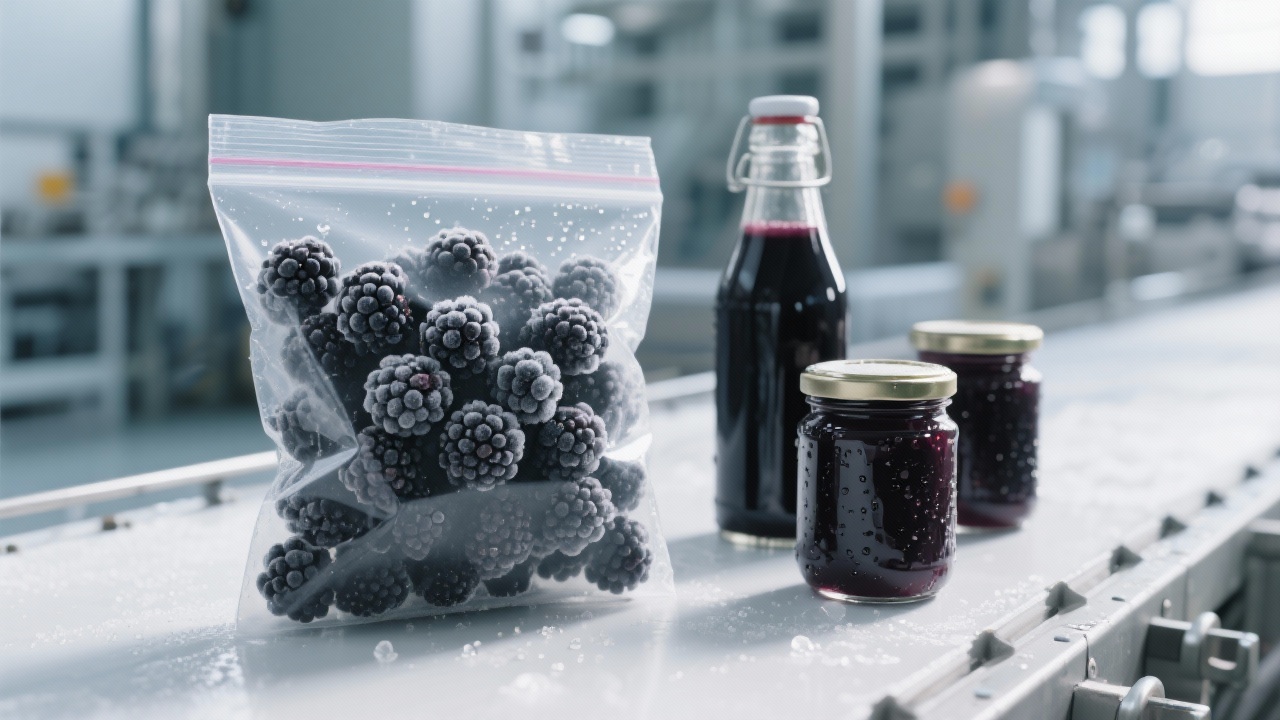
Through compliance with these strict international standards, companies can demonstrate their commitment to quality and cultural respect. Producing according to international standards ensures that every single blueberry meets the strictest certification requirements.
Are you ready to tap into the global market with your certified frozen blueberries? Learn more about our certification support services and take the first step towards international success!

 300
|
300
|
 rapid frozen blackberries
frozen berry nutrient retention
export-grade berries
quick freezing technology
frozen fruit quality control
277
|
frozen black currant packaging
OEM frozen fruit packaging
cold chain logistics for frozen berries
food packaging compliance EU
small batch trial order
36
|
frozen blackberry packaging solutions
custom frozen fruit packaging
eco-friendly food packaging
anti-frost packaging technology
portable frozen berry packaging
58
|
rapid freezing technology
frozen blackberry preservation
blackberry nutrient retention
food safety certification
frozen fruit quality
383
|
freeze-dried raspberry powder
supply chain temperature control
-18℃ cold chain
logistics tracking system
emergency replenishment strategy
rapid frozen blackberries
frozen berry nutrient retention
export-grade berries
quick freezing technology
frozen fruit quality control
277
|
frozen black currant packaging
OEM frozen fruit packaging
cold chain logistics for frozen berries
food packaging compliance EU
small batch trial order
36
|
frozen blackberry packaging solutions
custom frozen fruit packaging
eco-friendly food packaging
anti-frost packaging technology
portable frozen berry packaging
58
|
rapid freezing technology
frozen blackberry preservation
blackberry nutrient retention
food safety certification
frozen fruit quality
383
|
freeze-dried raspberry powder
supply chain temperature control
-18℃ cold chain
logistics tracking system
emergency replenishment strategy


.png?x-oss-process=image/resize,h_100,m_lfit/format,webp)
.png?x-oss-process=image/resize,h_100,m_lfit/format,webp)
.png?x-oss-process=image/resize,h_100,m_lfit/format,webp)
 English