
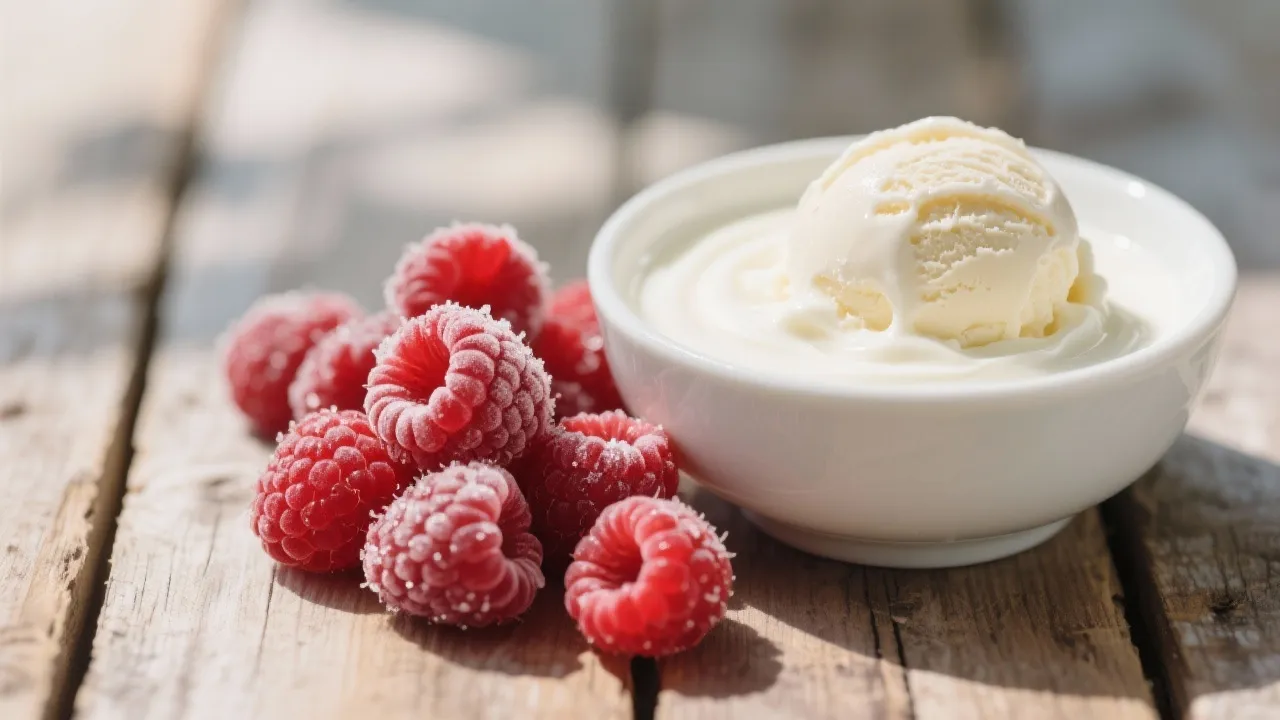
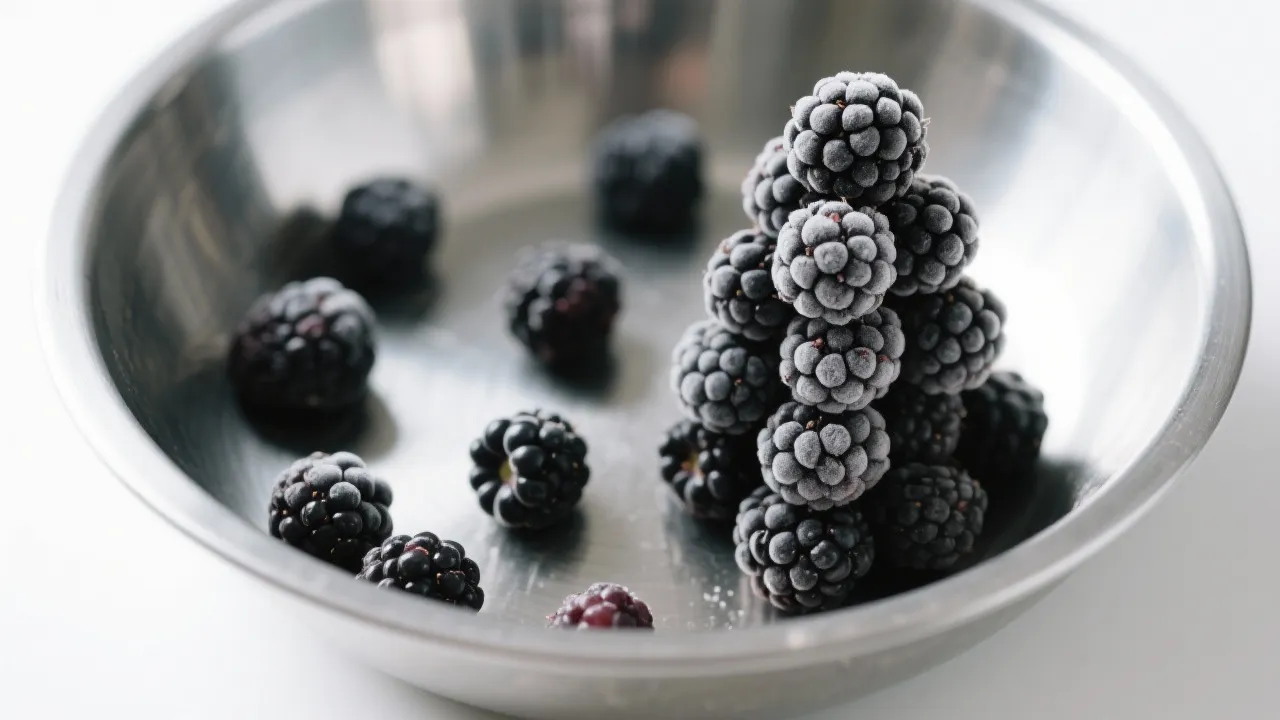
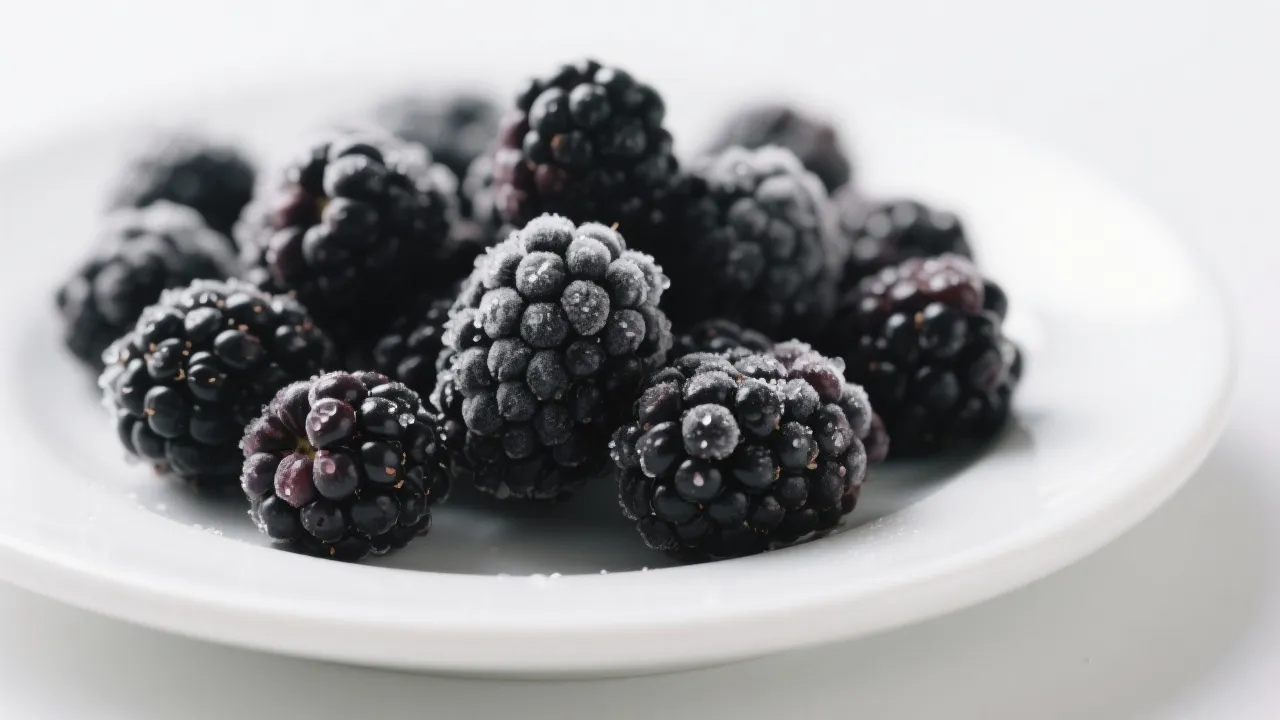
In the global market of frozen fruits, rapid-frozen blackberries have emerged as a top choice for international buyers. This preference is deeply rooted in the advanced rapid-freezing technology, which plays a pivotal role in maintaining the freshness, nutritional value, and integrity of blackberries.
Rapid-freezing technology operates on a simple yet powerful principle: freezing blackberries at an extremely fast rate. When blackberries are frozen rapidly, the ice crystals formed within the cells are significantly smaller compared to those in traditional freezing methods. According to industry research, in traditional slow freezing, ice crystals can grow up to 10 times larger than those in rapid freezing. These large ice crystals can rupture the cell walls of blackberries, leading to a loss of texture, flavor, and nutritional content.
In contrast, rapid freezing at a temperature as low as -30°C to -40°C within minutes effectively preserves the cell structure of blackberries. This process helps retain essential nutrients such as vitamin C and anthocyanins. For instance, studies show that rapid-frozen blackberries can retain up to 90% of their original vitamin C content, a crucial antioxidant that is easily lost during improper freezing.
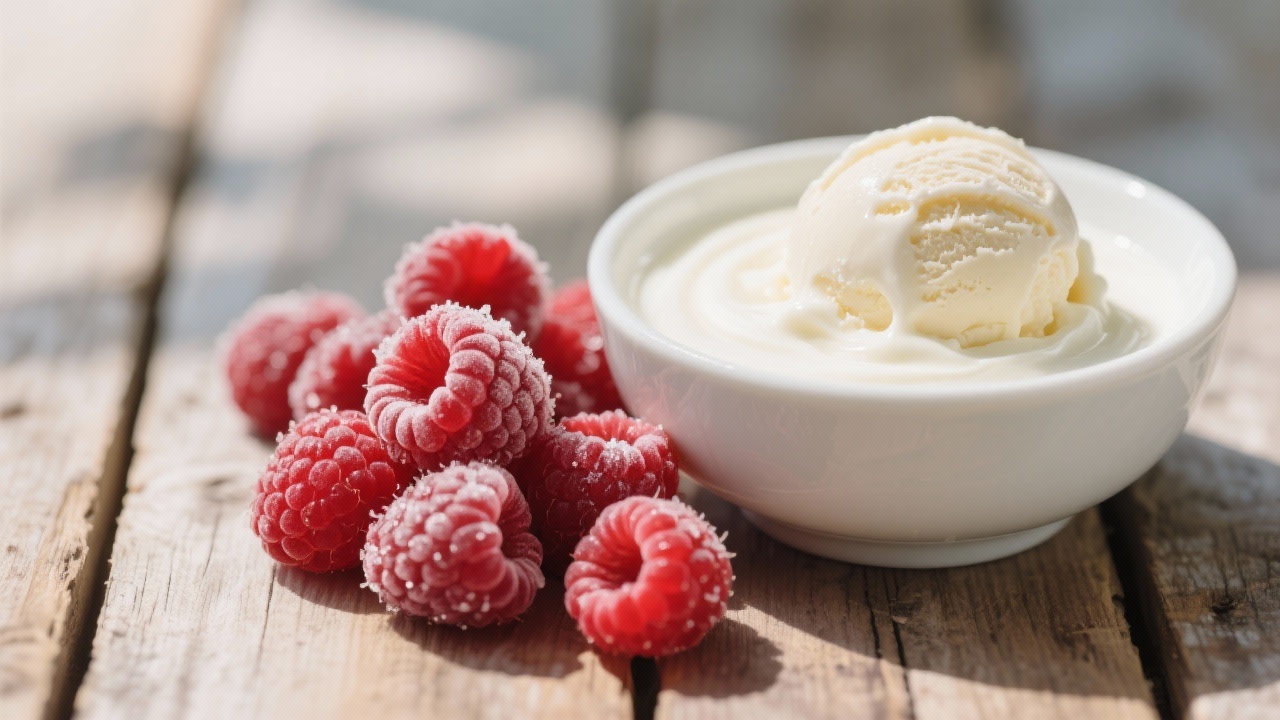
The nutritional value of blackberries is well - known, and rapid freezing ensures that these benefits are not compromised. Anthocyanins, the pigments responsible for the deep purple color of blackberries, have been linked to numerous health benefits, including anti - inflammatory and antioxidant effects. By preserving these anthocyanins through rapid freezing, international buyers can offer their customers a product that is both delicious and healthy.
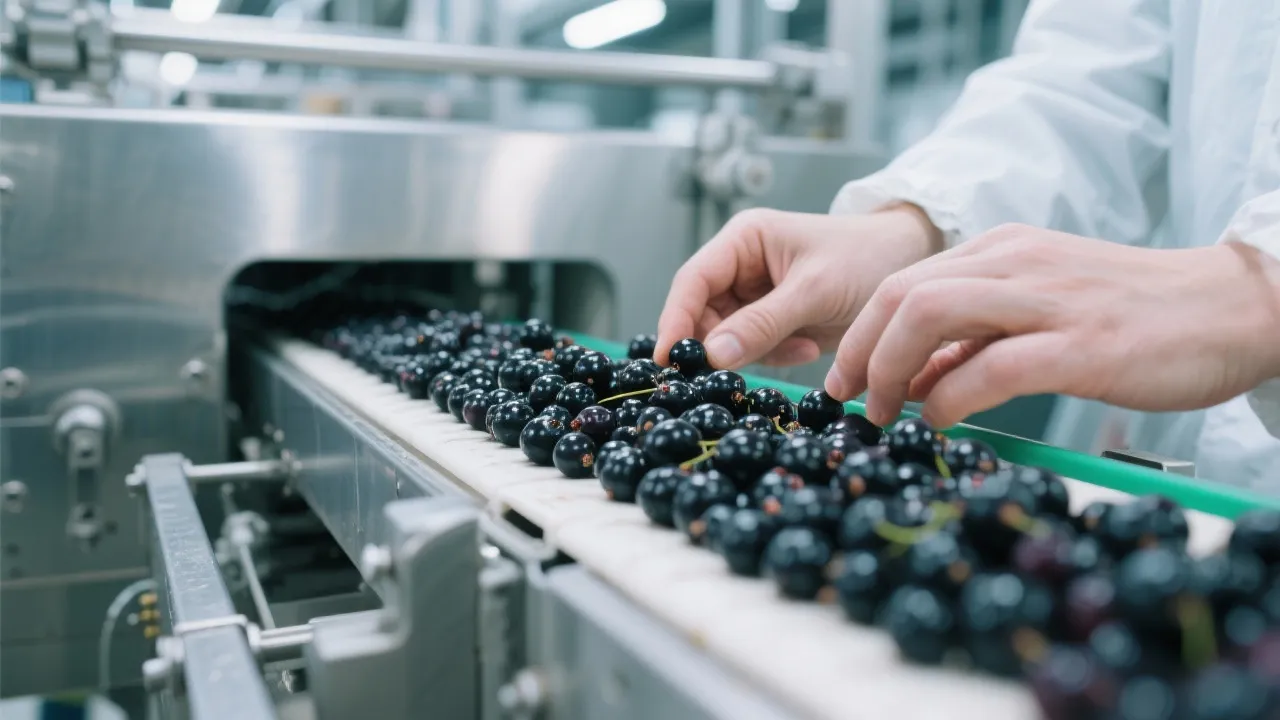
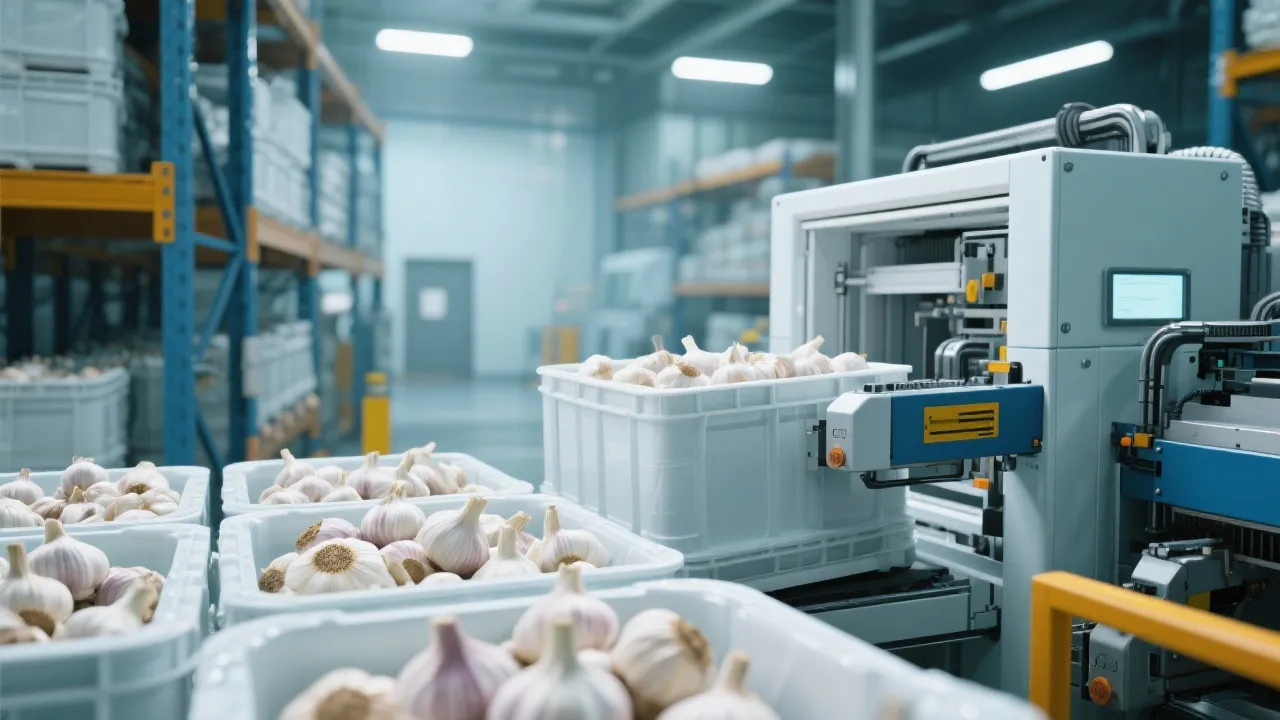
In addition to the technological advantages, international food safety certifications such as HACCP and ISO 22000 are essential for the export of frozen blackberries. These certifications provide a standardized framework for ensuring food safety throughout the production process. For example, HACCP focuses on identifying and controlling potential hazards at critical points in the production chain, while ISO 22000 sets out requirements for a food safety management system.
Products with these certifications are more likely to gain the trust of international buyers. In fact, a survey of international food importers found that over 80% of them consider food safety certifications as a crucial factor when making purchasing decisions.
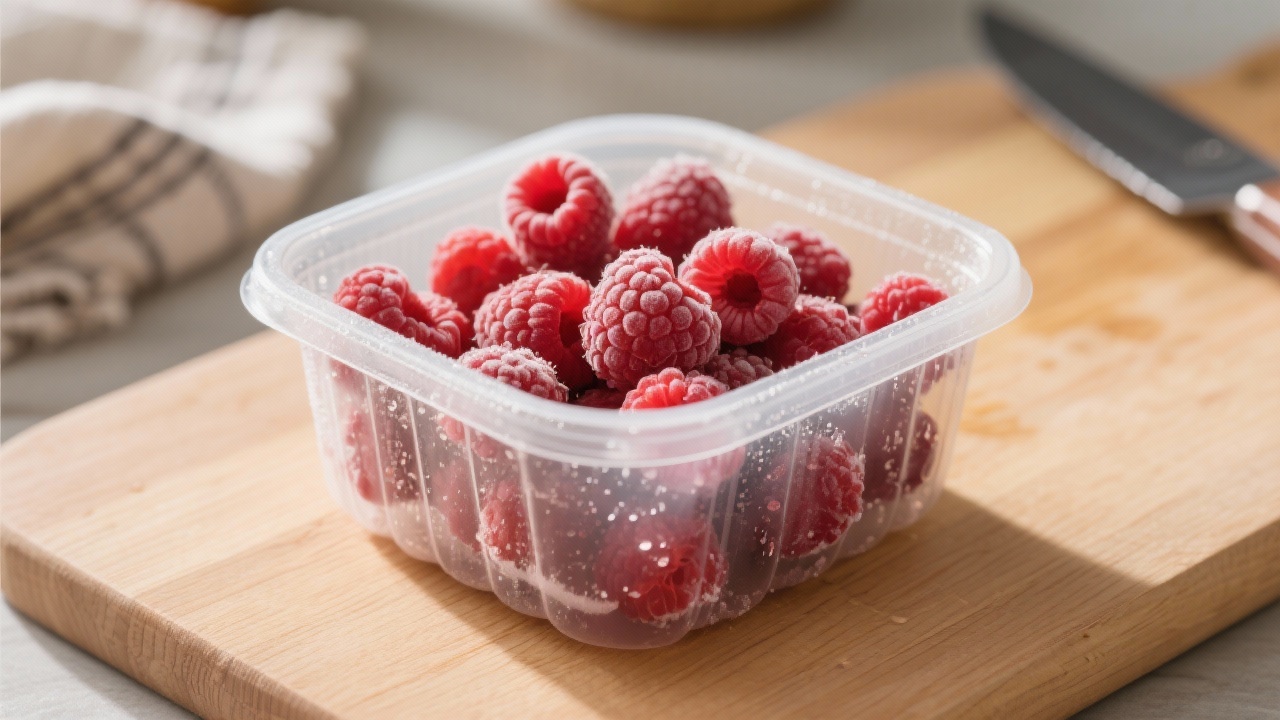
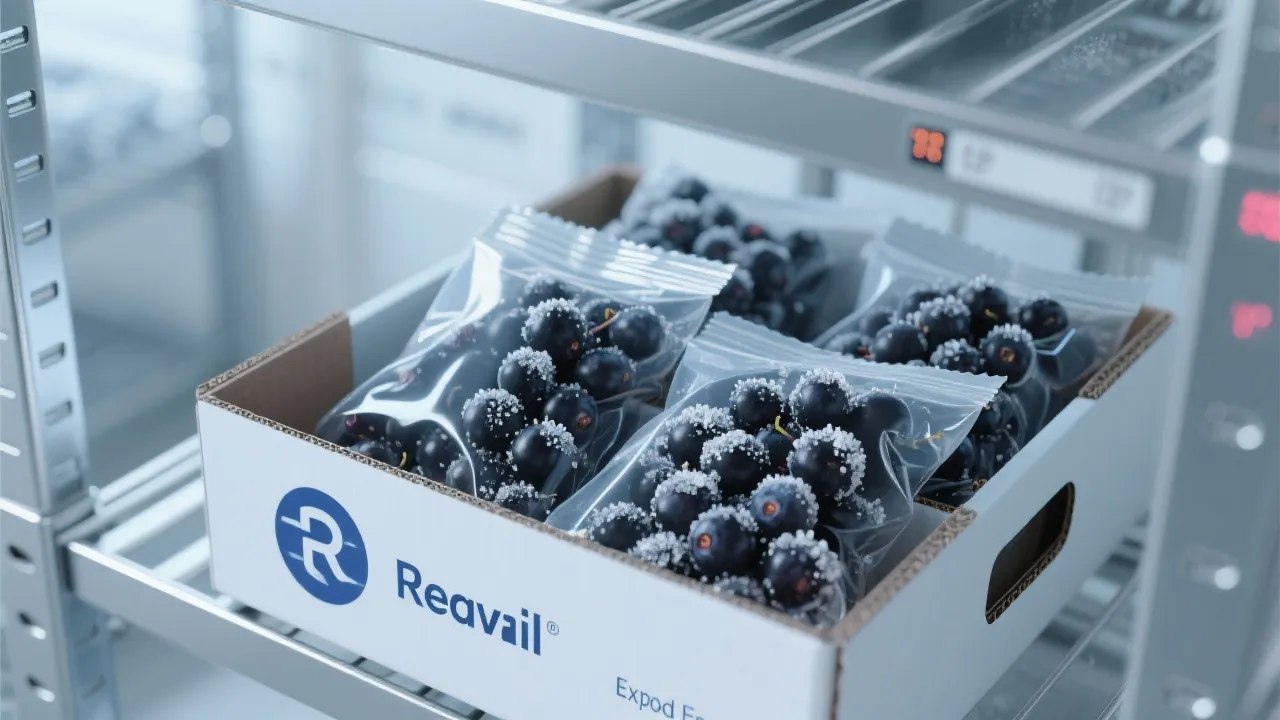
Understanding the science behind rapid freezing can help international buyers make informed decisions when purchasing and storing frozen blackberries. For example, buyers should look for products that clearly state the use of rapid - freezing technology. When storing frozen blackberries, it is recommended to keep them at a constant low temperature to maintain their quality.
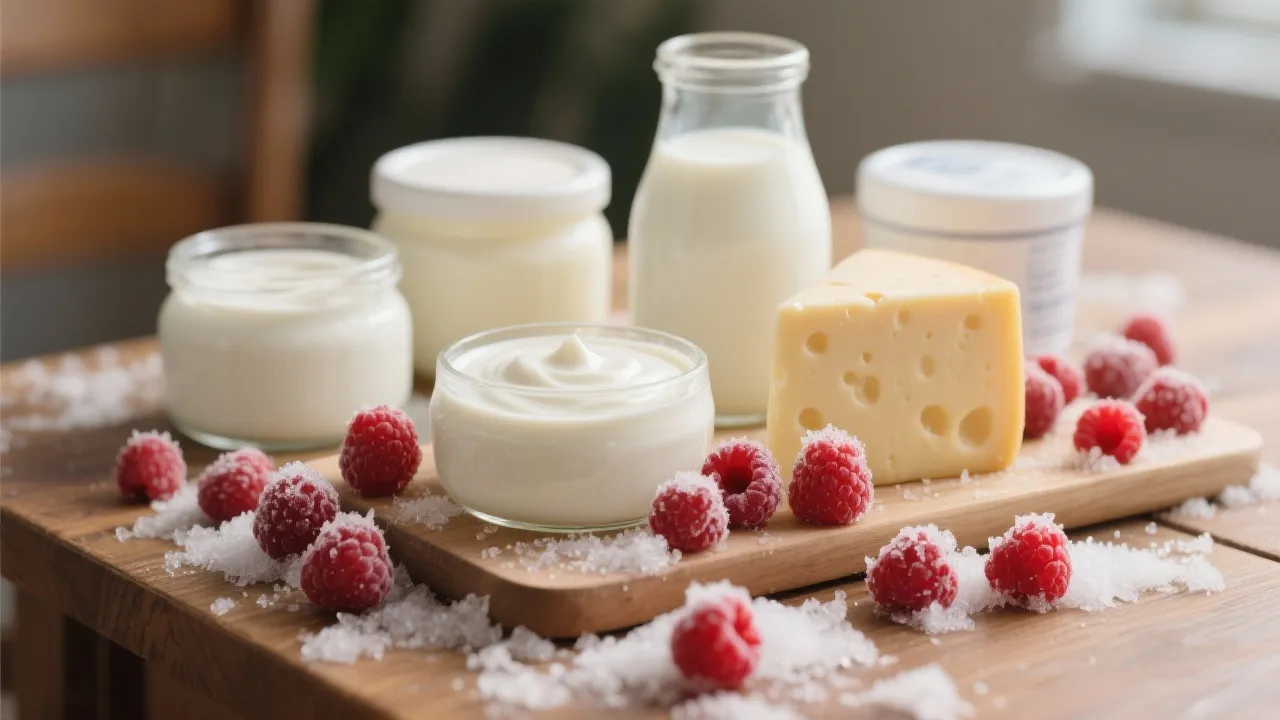
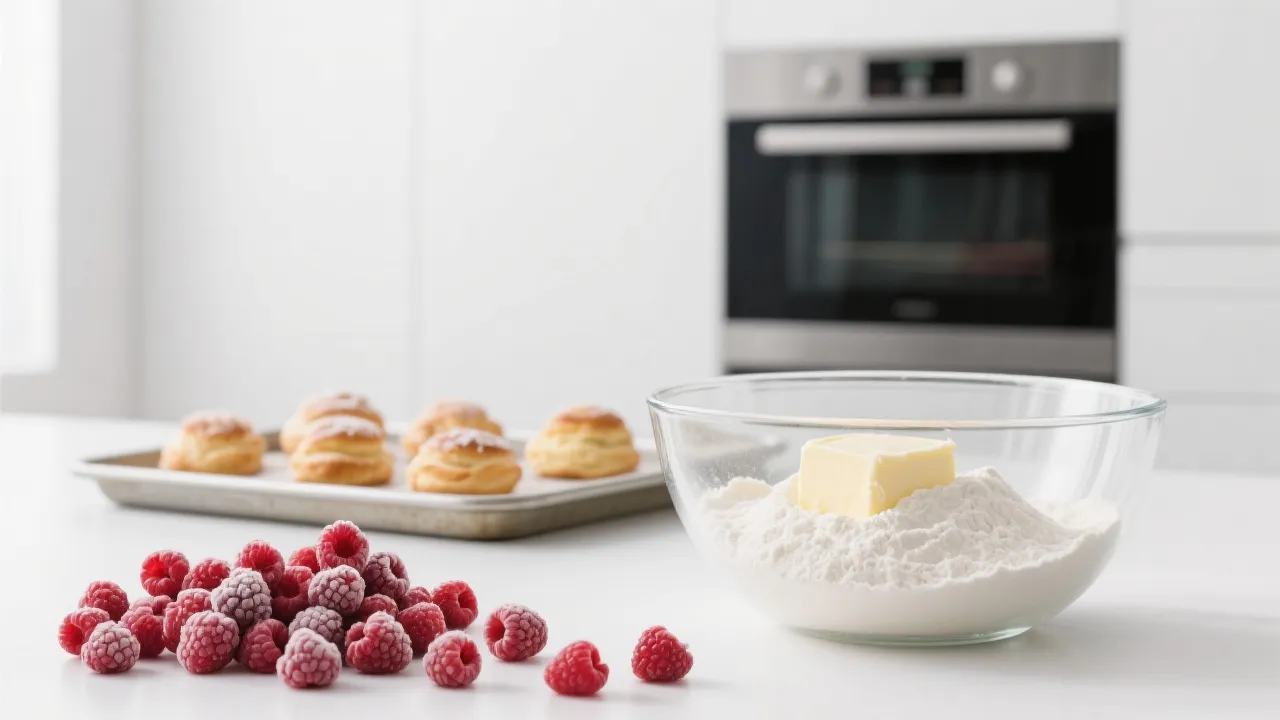
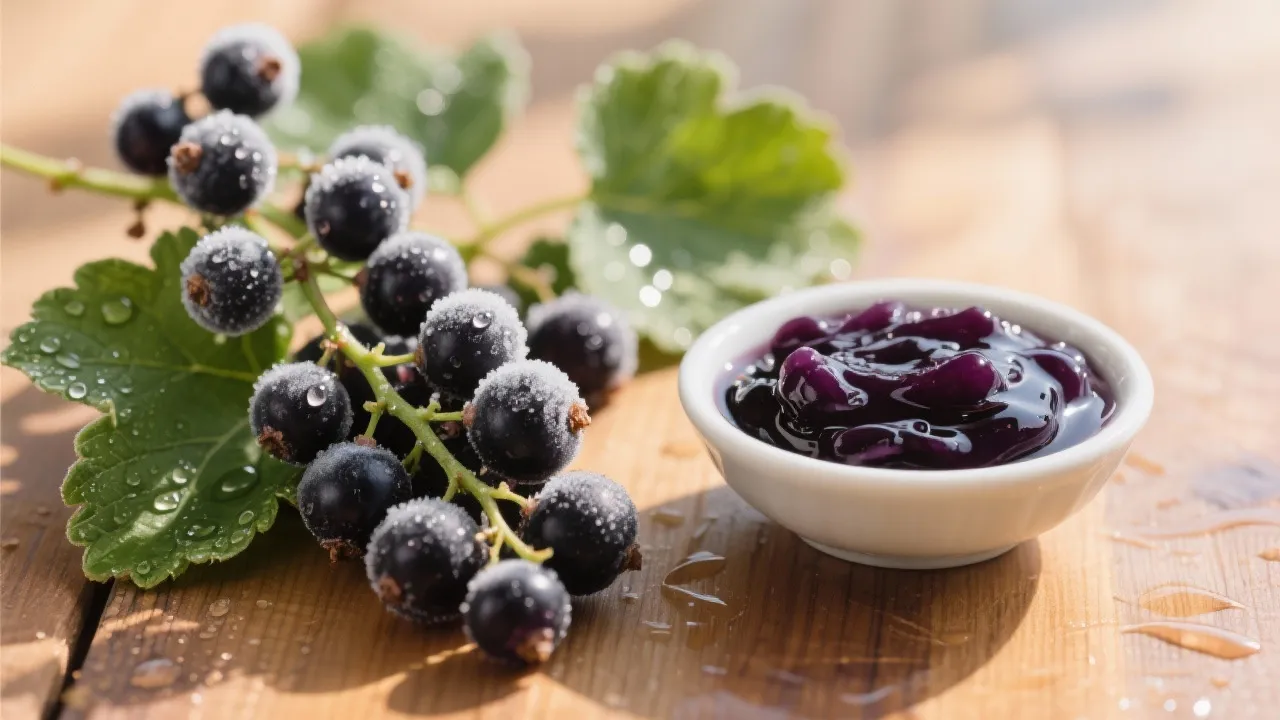
In the food service industry, rapid - frozen blackberries are widely used in smoothies, desserts, and jams. Their consistent quality and nutritional value make them a reliable ingredient for chefs and food manufacturers.
For exporters, highlighting the benefits of rapid - freezing technology and international food safety certifications can significantly enhance their competitiveness in the global market. By providing buyers with detailed information about the science behind the product, exporters can build trust and differentiate their offerings from competitors.
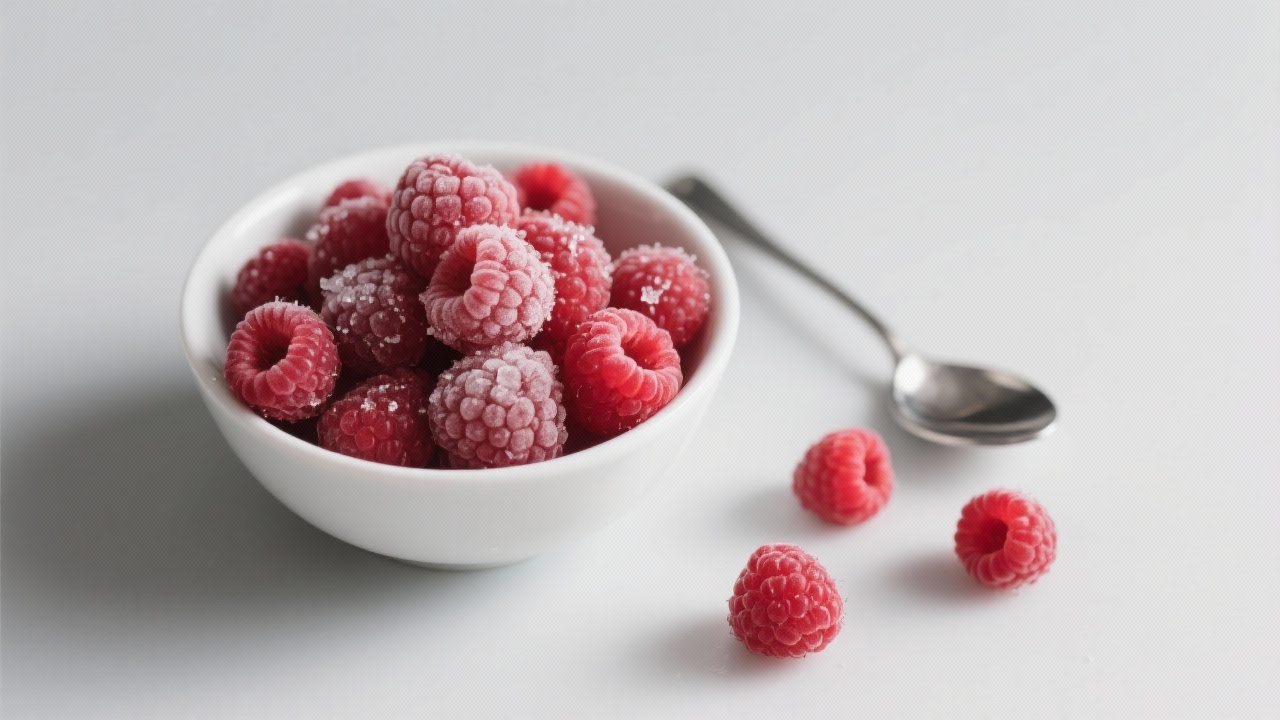
In conclusion, rapid - frozen blackberries offer a unique combination of high - quality, nutritional value, and safety. International buyers are increasingly recognizing these advantages, making them a popular choice in the global frozen fruit market. If you are looking for high - quality rapid - frozen blackberries, click here to explore our premium products.

 306
|
306
|
 whole freeze-dried raspberry powder
functional food ingredients
premium dietary supplements
cold chain preservation
high whole-fruit retention
129
|
freeze dried raspberry powder supply chain
cold chain logistics management
export grade raspberry powder
OEM raspberry powder supplier
temperature-controlled shipping
31
|
Freeze-dried raspberry powder
Anthocyanin protection
Bioavailability improvement
Functional food additives
Meal replacement powder stability testing
259
|
freeze dried raspberry powder
anthocyanin preservation
bioavailability enhancement
functional food formulation
tablet candy stability testing
286
|
organic frozen blackberry smoothie
healthy smoothie recipe
frozen berry nutrition benefits
premium smoothie ingredients
natural no-added-sugar drink
whole freeze-dried raspberry powder
functional food ingredients
premium dietary supplements
cold chain preservation
high whole-fruit retention
129
|
freeze dried raspberry powder supply chain
cold chain logistics management
export grade raspberry powder
OEM raspberry powder supplier
temperature-controlled shipping
31
|
Freeze-dried raspberry powder
Anthocyanin protection
Bioavailability improvement
Functional food additives
Meal replacement powder stability testing
259
|
freeze dried raspberry powder
anthocyanin preservation
bioavailability enhancement
functional food formulation
tablet candy stability testing
286
|
organic frozen blackberry smoothie
healthy smoothie recipe
frozen berry nutrition benefits
premium smoothie ingredients
natural no-added-sugar drink


.png?x-oss-process=image/resize,h_100,m_lfit/format,webp)
.png?x-oss-process=image/resize,h_100,m_lfit/format,webp)
.png?x-oss-process=image/resize,h_100,m_lfit/format,webp)
 English


