
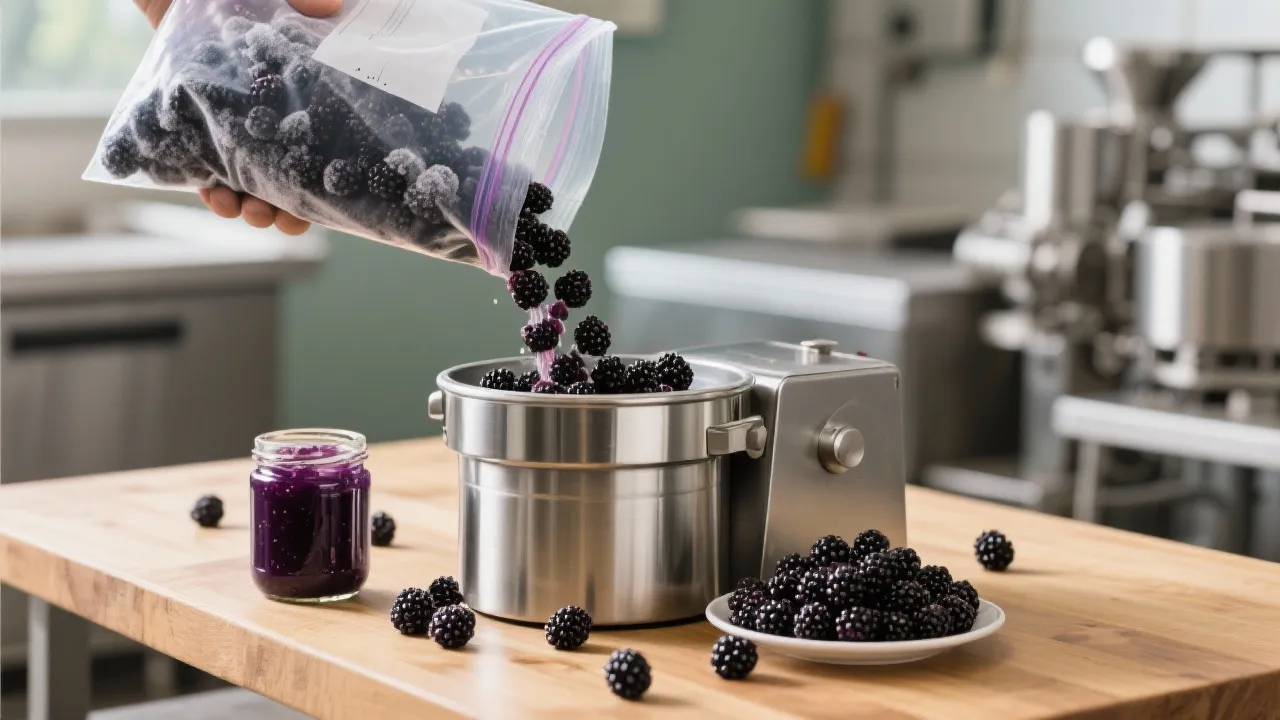
In recent years, there has been a noticeable surge in international buyers demanding both organic and Halal certifications for frozen berries. This trend is a direct reflection of the global consumers' escalating concerns about food safety and quality. As a result, businesses in the frozen berry industry are now compelled to understand these certifications thoroughly and prepare accordingly to stay competitive in the international market.
Organic certification is a mark of assurance that the frozen berries have been produced without the use of synthetic pesticides, fertilizers, genetically modified organisms (GMOs), or irradiation. According to a report by the Organic Trade Association, the global organic food market has been growing at an average annual rate of 10% over the past decade, reaching a value of over $100 billion in 2022. This indicates a strong consumer preference for organic products, which are perceived as healthier and more environmentally friendly.
On the other hand, Halal certification is essential for accessing the Muslim market, which represents a significant portion of the global population. The Halal market is estimated to be worth over $2 trillion, with a growing demand for Halal food products. A Halal - certified product ensures that it complies with Islamic dietary laws, which include the source of ingredients, the processing methods, and the handling procedures.
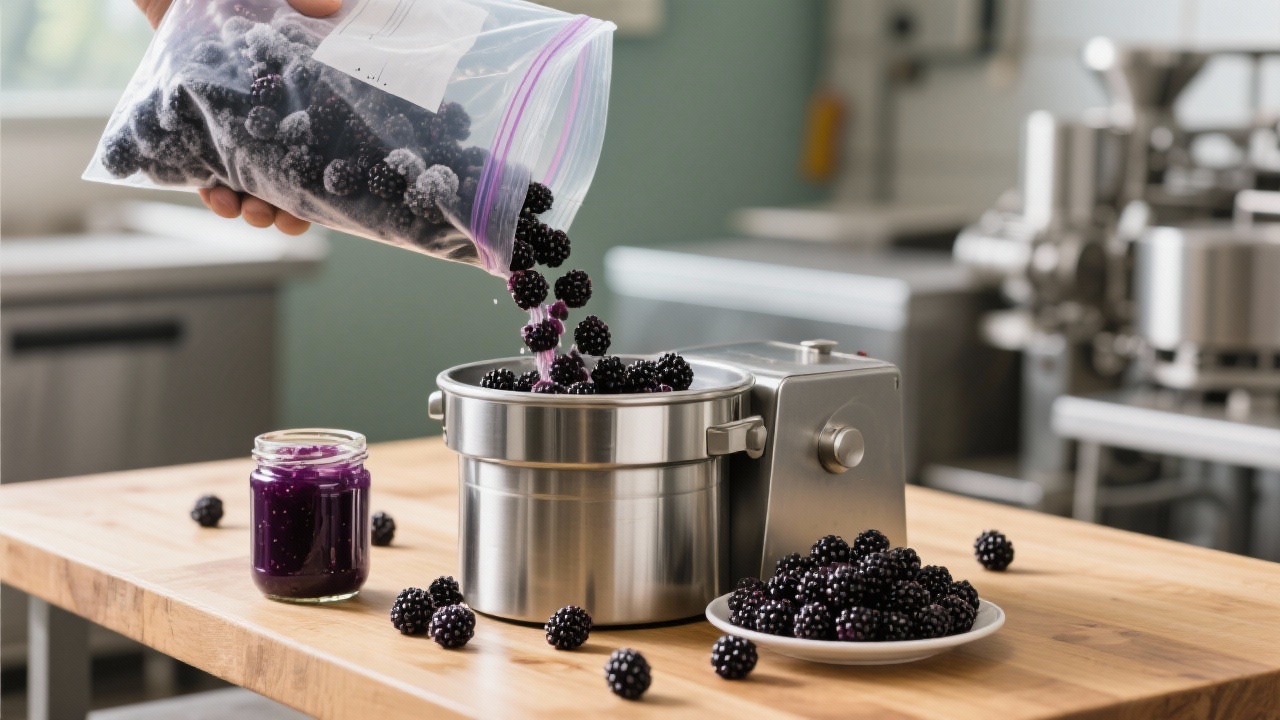
From a food safety perspective, organic certification reduces the risk of pesticide residues and other harmful substances in frozen berries. Meanwhile, Halal certification guarantees that the product is free from any non - Halal ingredients, such as pork derivatives or alcohol. These certifications also play a crucial role in cultural adaptation, allowing businesses to cater to the specific needs and beliefs of different consumer groups.
However, obtaining these certifications is not without challenges. Different countries and regions have varying standards, regulations, document requirements, and review processes. For example, the European Union has strict regulations regarding organic farming, while the Middle Eastern countries have their own set of Halal certification procedures.
One of the common challenges is the cost and time associated with the certification process. It can take several months to a year to complete the organic certification, and the fees can range from a few thousand dollars to tens of thousands of dollars, depending on the scale of the business. Similarly, Halal certification also requires a thorough inspection of the entire supply chain, which can be time - consuming and costly.
To overcome these challenges, businesses can seek professional guidance from certification agencies or consultants. They can also invest in advanced farming and processing technologies to meet the certification standards more efficiently. For instance, using natural pest control methods can help in achieving organic certification, while implementing strict ingredient sourcing and handling procedures can facilitate Halal certification.
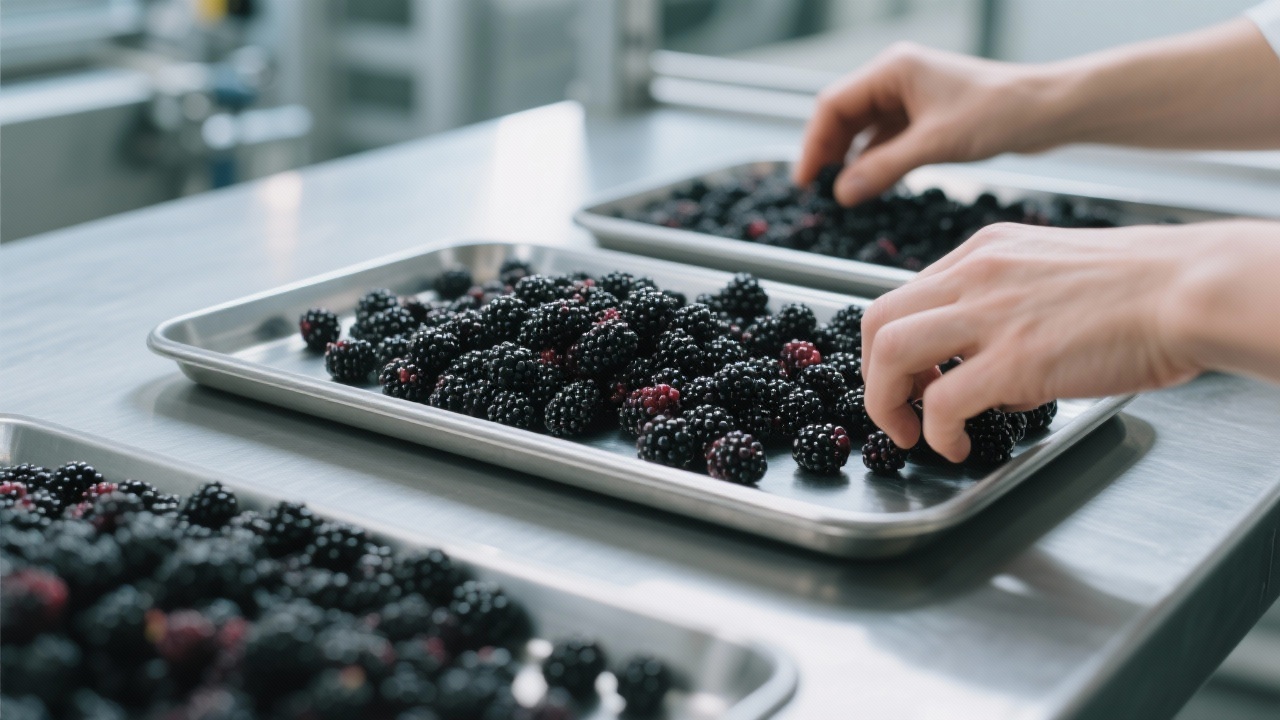
Several businesses have successfully leveraged the dual certifications to expand their market reach. A European frozen berry company obtained both organic and Halal certifications and was able to enter the Middle Eastern market, which had a high demand for Halal and healthy food products. The company reported a 30% increase in sales within the first year of entering the market.
Another example is an American business that used the dual certifications to target health - conscious consumers in Europe. By highlighting the organic and Halal attributes of their frozen berries, they were able to differentiate themselves from competitors and gain a larger market share in the European health food market.
We understand that you may have some questions about organic and Halal certifications for frozen berries. Here are some frequently asked questions:
If you are interested in learning more about the certification process and how to prepare your business for international market entry, we invite you to download our free Certification Guide Whitepaper. This comprehensive guide provides in - depth information, practical tips, and step - by - step instructions to help you navigate the complex world of organic and Halal certifications for frozen berries.

 480
|
480
|
 Freeze - dried raspberry powder supply chain management
Cross - border cold chain transportation standards
Multi - warehouse stocking mechanism
Freeze - dried fruit powder procurement strategy
Stable supply of export - grade raw materials
218
|
quick freezing technology
frozen blackberry nutrition retention
food preservation techniques
frozen fruit processing
blackberry antioxidant content
218
|
red raspberry raw material compatibility
dietary supplement formulation testing
functional food R&D
freeze-dried red raspberry application
raw material screening
430
|
EU import standards
HACCP certification
frozen blackcurrants
supply chain management
detection process standardization
432
|
small batch trial order
frozen blackcurrant export
OEM private label packaging
food supply chain flexibility
frozen fruit packaging requirements
Freeze - dried raspberry powder supply chain management
Cross - border cold chain transportation standards
Multi - warehouse stocking mechanism
Freeze - dried fruit powder procurement strategy
Stable supply of export - grade raw materials
218
|
quick freezing technology
frozen blackberry nutrition retention
food preservation techniques
frozen fruit processing
blackberry antioxidant content
218
|
red raspberry raw material compatibility
dietary supplement formulation testing
functional food R&D
freeze-dried red raspberry application
raw material screening
430
|
EU import standards
HACCP certification
frozen blackcurrants
supply chain management
detection process standardization
432
|
small batch trial order
frozen blackcurrant export
OEM private label packaging
food supply chain flexibility
frozen fruit packaging requirements


.png?x-oss-process=image/resize,h_100,m_lfit/format,webp)
.png?x-oss-process=image/resize,h_100,m_lfit/format,webp)
.png?x-oss-process=image/resize,h_100,m_lfit/format,webp)
 English


