
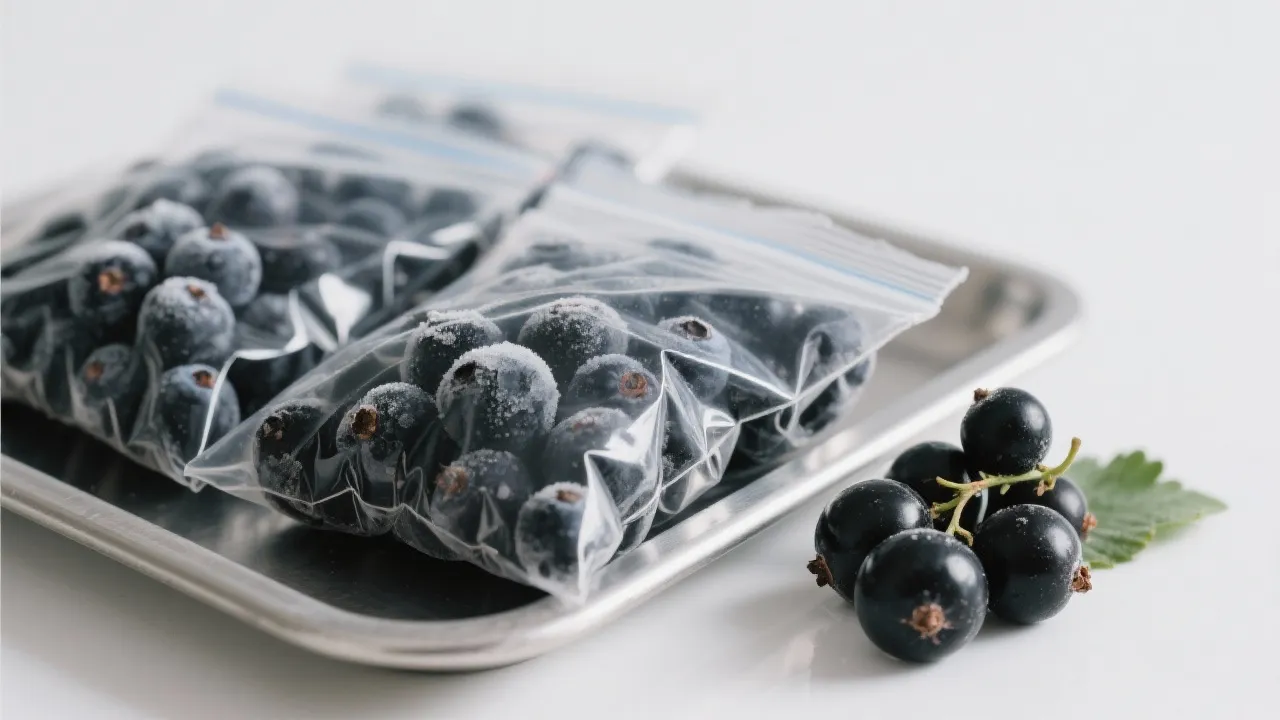
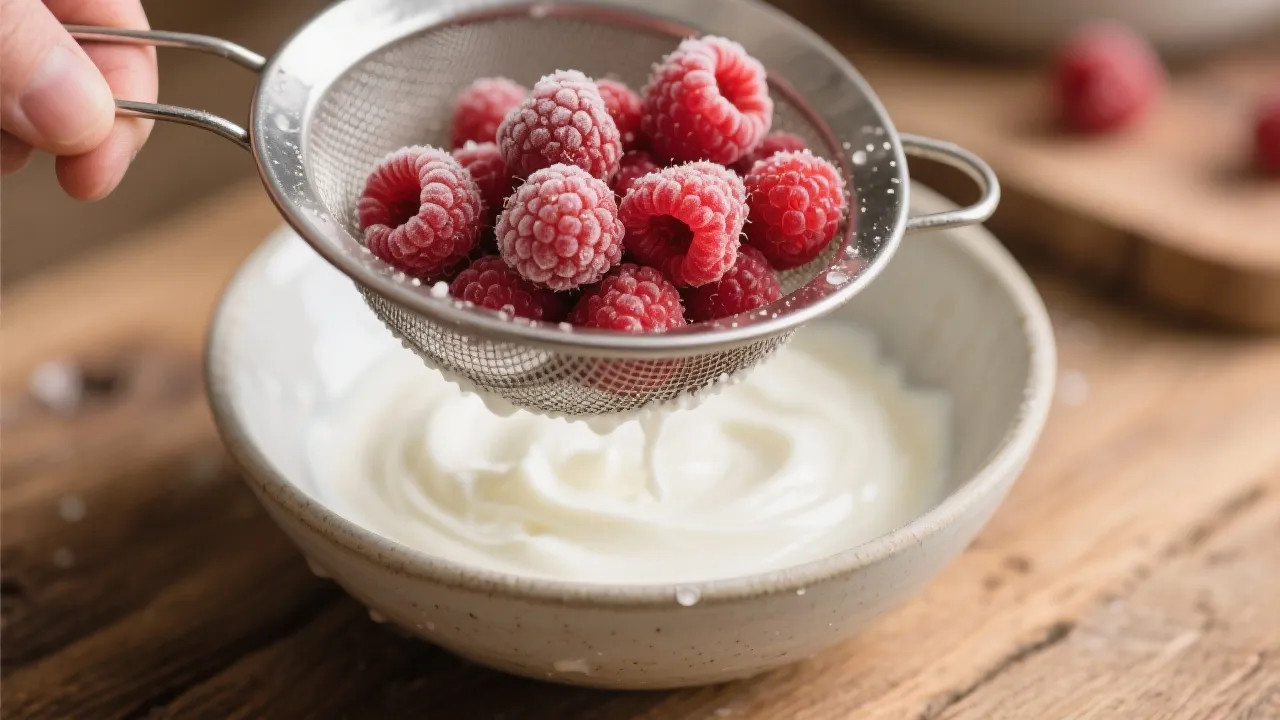
In the baking industry, the demand for high - quality frozen fruits is on the rise. Bakers are constantly seeking ingredients that can maintain their flavor, texture, and nutritional value during the baking process. However, traditional frozen fruits often face problems such as color change, softening, and flavor loss, which greatly affect the quality of baked goods. For example, when using ordinary frozen berries in dough, they may break easily, causing the dough to be stained and the flavor to be unevenly distributed.
The key to preserving the quality of frozen fruits lies in the freezing technology. Rapid freezing and slow freezing have completely different effects on fruit cell structure. In slow freezing, water molecules in the fruit have more time to form large ice crystals. These large ice crystals can pierce the cell walls of the fruit, leading to the destruction of the cell structure. Once the cell structure is damaged, the fruit is prone to color change, softening, and flavor loss during the thawing process.
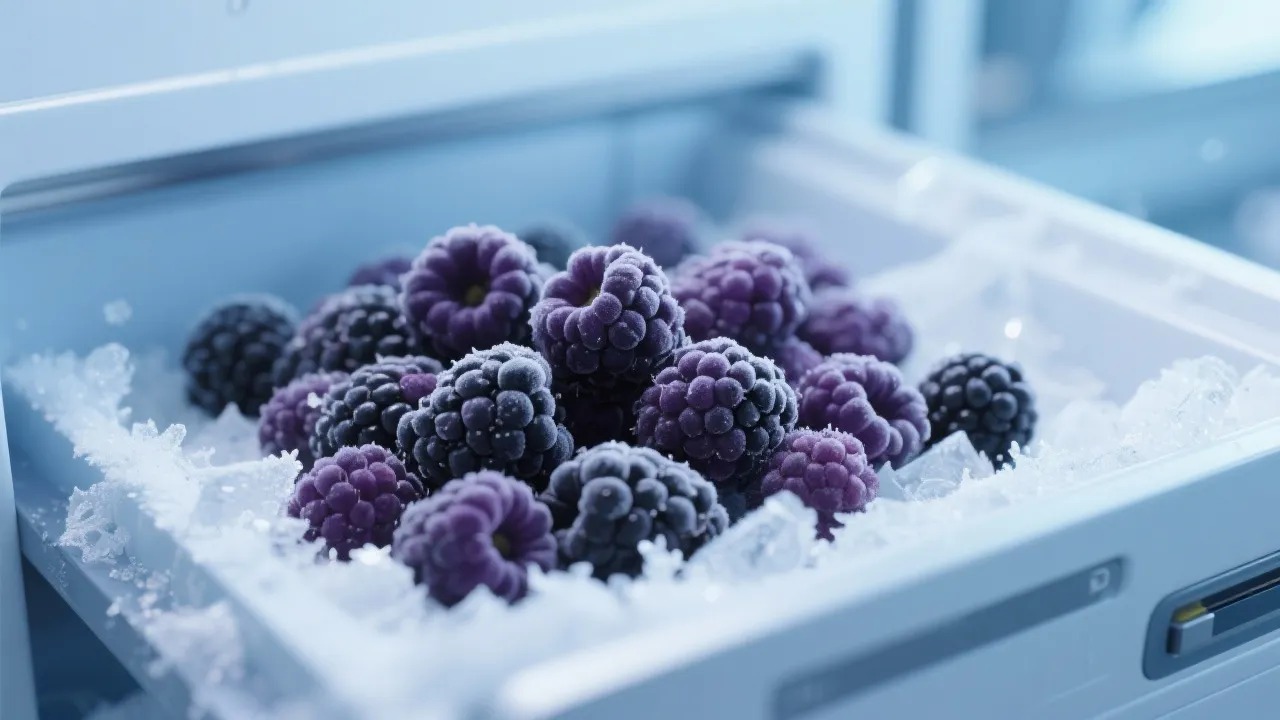
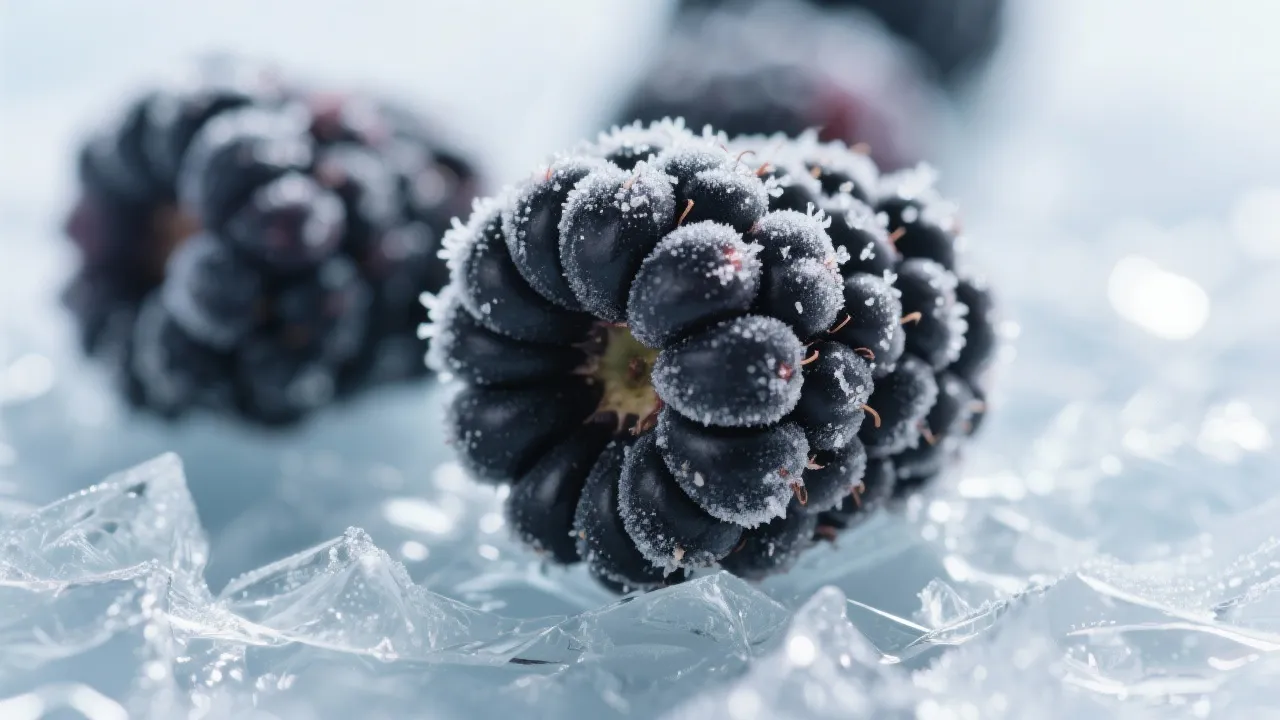
In contrast, rapid freezing technology can lock in the natural flavor, color, and nutrition of blackberries within milliseconds. As shown in Figure 1 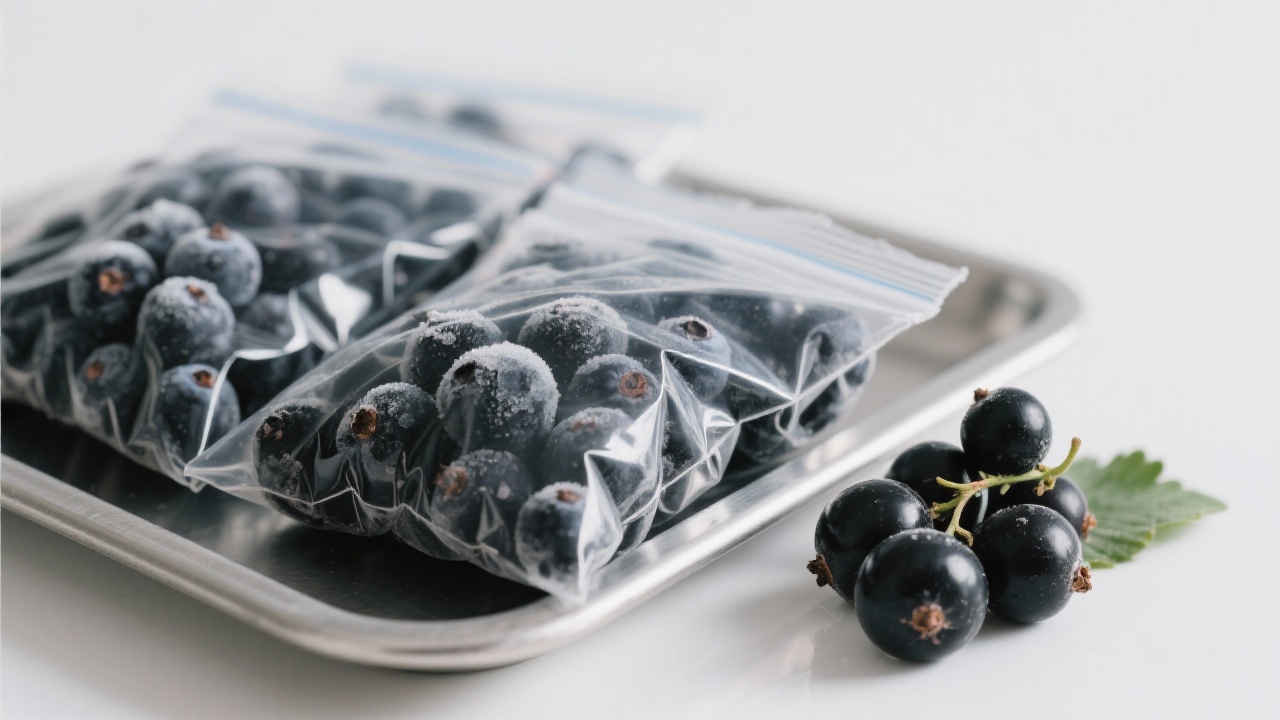 , in the process of rapid freezing, the water in the fruit forms many tiny ice crystals in a short time. These small ice crystals hardly damage the cell structure, thus effectively preventing the problems of color change, softening, and flavor loss.
Temperature control plays a crucial role in the formation of ice crystals and the protection of nutrients. The research in the Food Chemistry journal shows that when the freezing speed is accelerated, the formation rate of ice crystals increases, and the size of ice crystals decreases. For blackberries, rapid freezing can better protect nutrients such as anthocyanins and vitamin C. Anthocyanins, known for their antioxidant properties, can be easily damaged during the freezing process. But with rapid freezing, about 80% - 90% of anthocyanins can be retained, while slow freezing may only retain 50% - 60%.
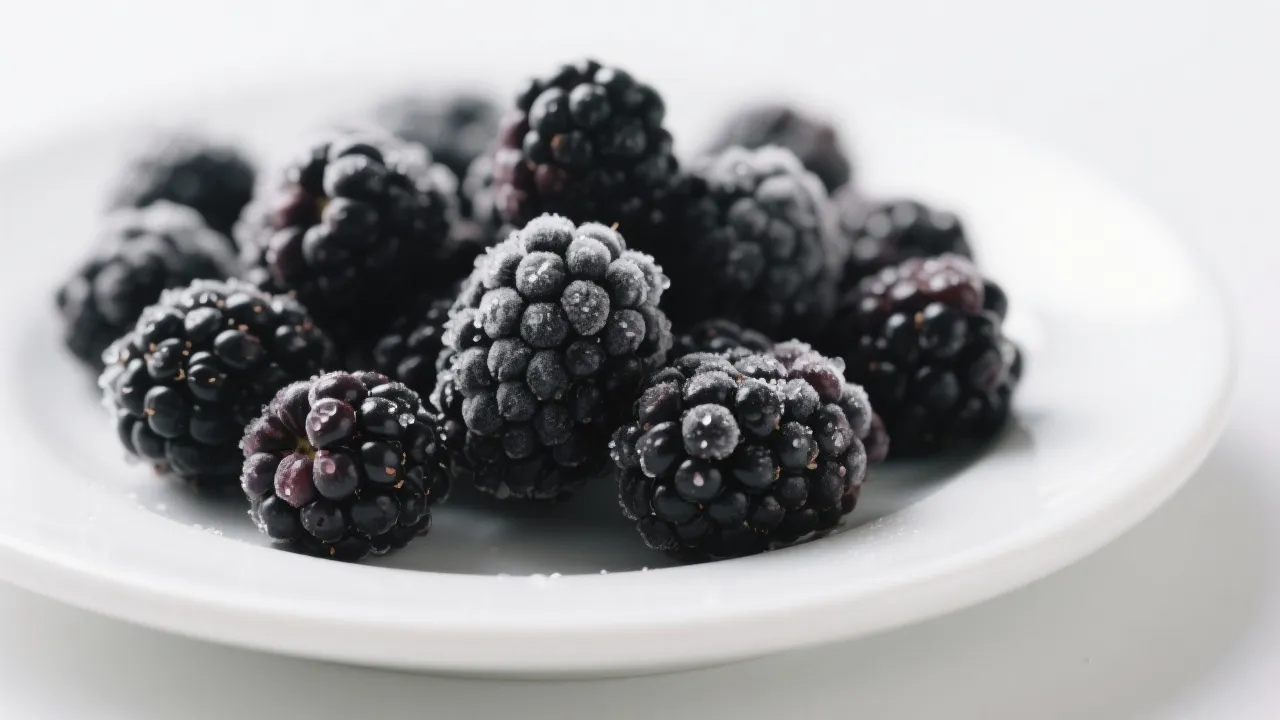
In baking applications, rapid - frozen blackberries have unique advantages. When added to the dough, they are not easily damaged and can maintain their shape. This is because the intact cell structure of rapid - frozen blackberries enables them to withstand the mechanical stress during dough mixing and baking. Moreover, they can release a uniform aroma during the baking process, enhancing the overall flavor of the baked goods. As shown in Figure 2 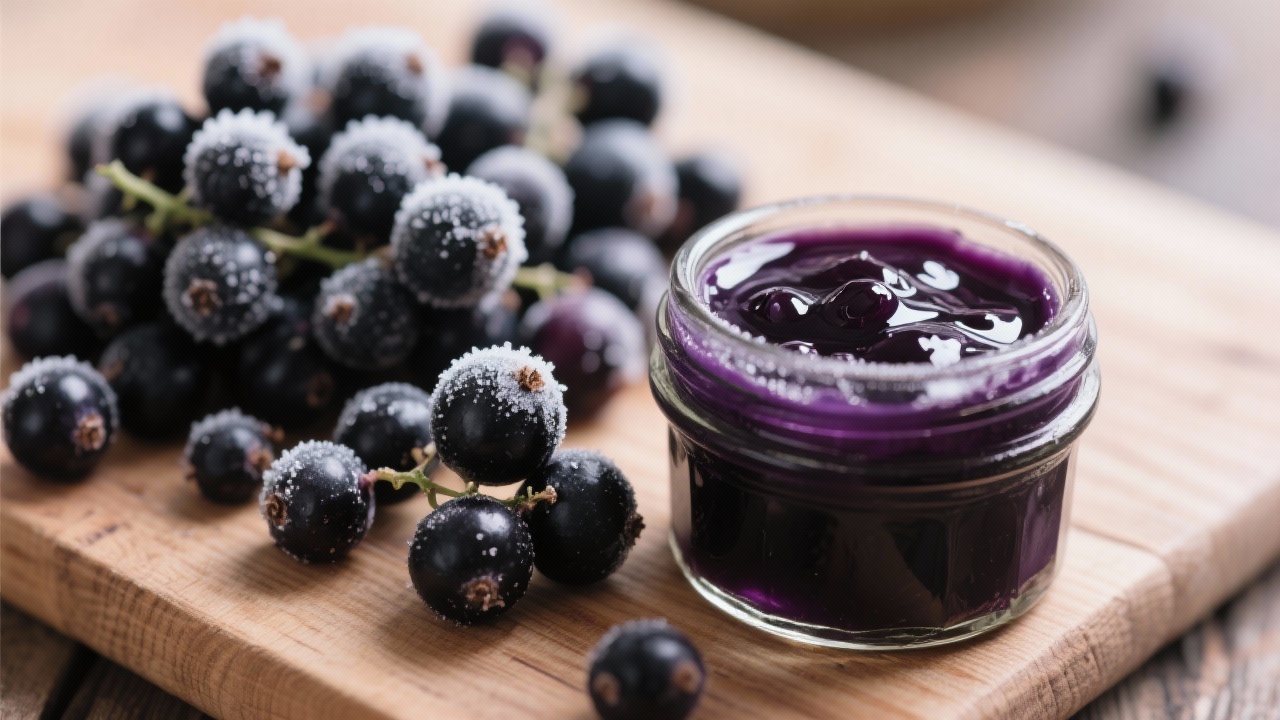 , rapid - frozen blackberries are evenly distributed in the dough, adding both visual and gustatory appeal to the final product.
Now, let's think about whether the freezing mode of a home refrigerator is suitable for preserving high - value frozen fruits. Home refrigerators usually use a slow - freezing process, which may not be able to provide the ideal freezing conditions for fruits like blackberries. So, as baking practitioners or food professionals, do we need to consider more professional freezing equipment for storing high - value ingredients? This is a question worthy of our in - depth thinking.
In conclusion, rapid - frozen blackberries offer many advantages in terms of flavor preservation, nutrient retention, and baking application. If you want to learn more about frozen food preservation knowledge and make more scientific choices for your ingredients, click here to explore further!

 46
|
46
|
 whole freeze-dried raspberry powder
functional food raw materials
triple manual screening
SGS test report
dietary supplement raw materials
99
|
frozen blackcurrants
quick - freezing technology
nutrition retention
cold - chain transportation
food processing
239
|
cryogenic freezing technology
frozen blackberries freshness
cellular damage comparison
food safety certification
blackberry nutrient retention
259
|
freeze dried raspberry powder
anthocyanin preservation
bioavailability enhancement
functional food formulation
tablet candy stability testing
317
|
Freeze - dried raspberry powder supply chain
Cold - chain transportation standard
- 18°C constant - temperature logistics
Multiple warehouse stocking strategy
Inventory prediction
whole freeze-dried raspberry powder
functional food raw materials
triple manual screening
SGS test report
dietary supplement raw materials
99
|
frozen blackcurrants
quick - freezing technology
nutrition retention
cold - chain transportation
food processing
239
|
cryogenic freezing technology
frozen blackberries freshness
cellular damage comparison
food safety certification
blackberry nutrient retention
259
|
freeze dried raspberry powder
anthocyanin preservation
bioavailability enhancement
functional food formulation
tablet candy stability testing
317
|
Freeze - dried raspberry powder supply chain
Cold - chain transportation standard
- 18°C constant - temperature logistics
Multiple warehouse stocking strategy
Inventory prediction



.png?x-oss-process=image/resize,h_100,m_lfit/format,webp)
.png?x-oss-process=image/resize,h_100,m_lfit/format,webp)
.png?x-oss-process=image/resize,h_100,m_lfit/format,webp)
 English


