
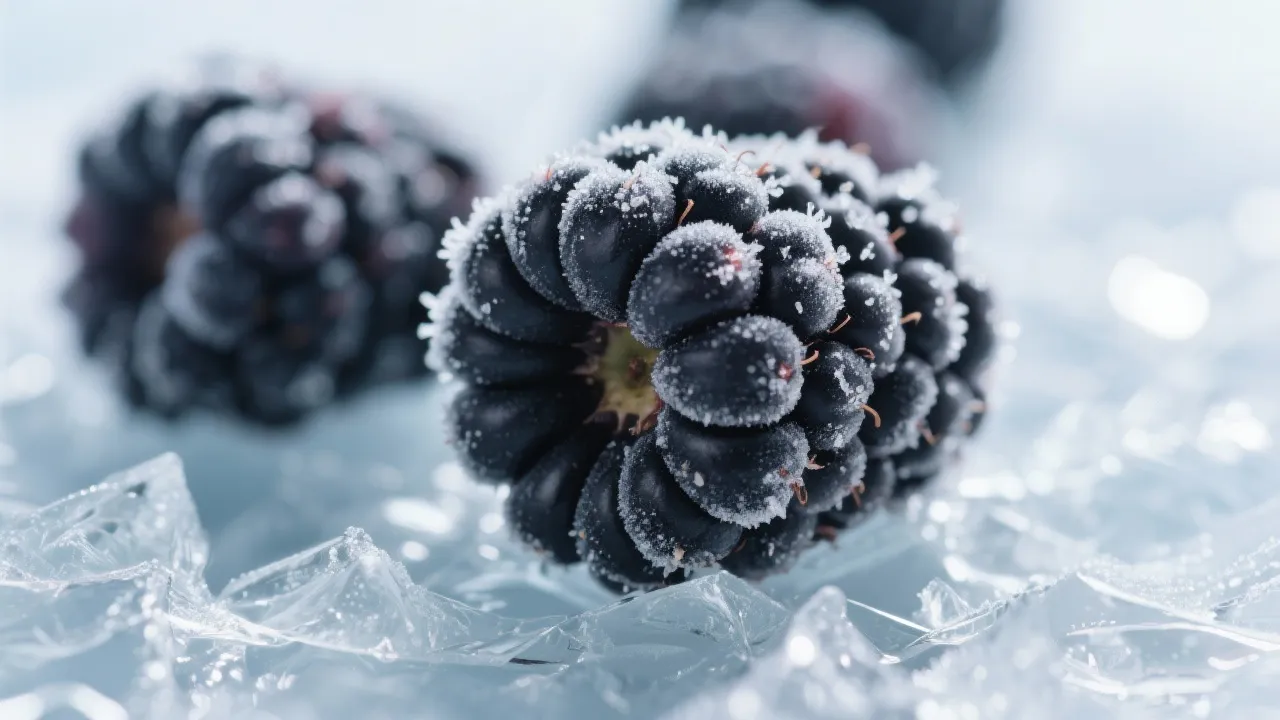
In the rapidly evolving functional food and dietary supplement market, ingredient quality is no longer just a preference—it’s a competitive necessity. For manufacturers targeting premium health products, choosing between whole-fruit freeze-dried raspberry powder and traditional milled powders can significantly impact product efficacy, consumer trust, and brand positioning.
Traditional powdered raspberries are typically produced via dry milling or low-temperature grinding, which often results in broken cell structures, oxidation, and nutrient loss. In contrast, whole-fruit freeze-dried raspberry powder uses a multi-step process that preserves both integrity and bioactive compounds:
Leading supplement brands have begun integrating whole-fruit freeze-dried raspberry powder into two key applications:
Dietary Supplements: A 2023 SGS report showed that whole-fruit powder retained 92% of its anthocyanin content after 12 months of storage—compared to just 67% in milled versions. This makes it ideal for antioxidant-rich capsules and gummies targeting anti-aging and cognitive support segments.
Probiotic Blends: When combined with probiotic cultures like Lactobacillus rhamnosus GG, the natural prebiotic fibers in intact raspberry powder enhance bacterial viability by up to 30%, according to CQC testing data from Q1 2024. This synergy boosts gut health claims without synthetic additives.
With rising demand, many suppliers now label their products as “freeze-dried.” But here’s how to distinguish real from rebranded:
Get access to verified lab reports, sourcing guidelines, and case studies used by global brands—so you can make confident decisions backed by science, not speculation.
Download Our Supplier Evaluation Checklist
 68
|
68
|
 Blackcurrant quick - freezing
Liquid nitrogen freezing technology
Quality of frozen fruits
Juice and jam processing
Cold - chain transportation guarantee
250
|
EU import regulations
HACCP certification
frozen blackcurrant supply chain
cold chain logistics
food export compliance
207
|
frozen fruit sourcing strategy
small batch trial procurement
OEM private label frozen fruit
food supply chain flexibility
frozen berry packaging compliance
90
|
small batch trial order
OEM food packaging
frozen blackcurrant packaging
cold chain logistics
European food compliance
39
|
frozen blackberry procurement guide
triple manual sorting technique
whole berry retention rate
organic frozen fruit quality control
HACCP certified food supply chain
Blackcurrant quick - freezing
Liquid nitrogen freezing technology
Quality of frozen fruits
Juice and jam processing
Cold - chain transportation guarantee
250
|
EU import regulations
HACCP certification
frozen blackcurrant supply chain
cold chain logistics
food export compliance
207
|
frozen fruit sourcing strategy
small batch trial procurement
OEM private label frozen fruit
food supply chain flexibility
frozen berry packaging compliance
90
|
small batch trial order
OEM food packaging
frozen blackcurrant packaging
cold chain logistics
European food compliance
39
|
frozen blackberry procurement guide
triple manual sorting technique
whole berry retention rate
organic frozen fruit quality control
HACCP certified food supply chain




.png?x-oss-process=image/resize,h_100,m_lfit/format,webp)
.png?x-oss-process=image/resize,h_100,m_lfit/format,webp)
.png?x-oss-process=image/resize,h_100,m_lfit/format,webp)
 English


