
In today's competitive landscape of functional food ingredients, understanding the nuances between whole freeze-dried red raspberry powder and conventional powdered forms is critical for B2B procurement professionals aiming to elevate their product portfolios. This article delves into the technical underpinnings that set these two processing methods apart, highlighting the impact of sourcing, manufacturing, and quality assurance on nutrition density, sensory consistency, and market competitiveness.
The premium nature of whole freeze-dried red raspberry powder begins at origin—the fruit is harvested from China's top-tier producing regions renowned for ideal climate and soil conditions that enhance phytochemical profiles. Following harvesting, a triple-layered manual sorting process ensures that only intact, high-quality berries make the cut, achieving an exceptional whole-fruit retention rate exceeding 95%. This meticulous approach significantly surpasses the broader selection criteria typical of traditional powder production, where whole integrity is seldom prioritized.
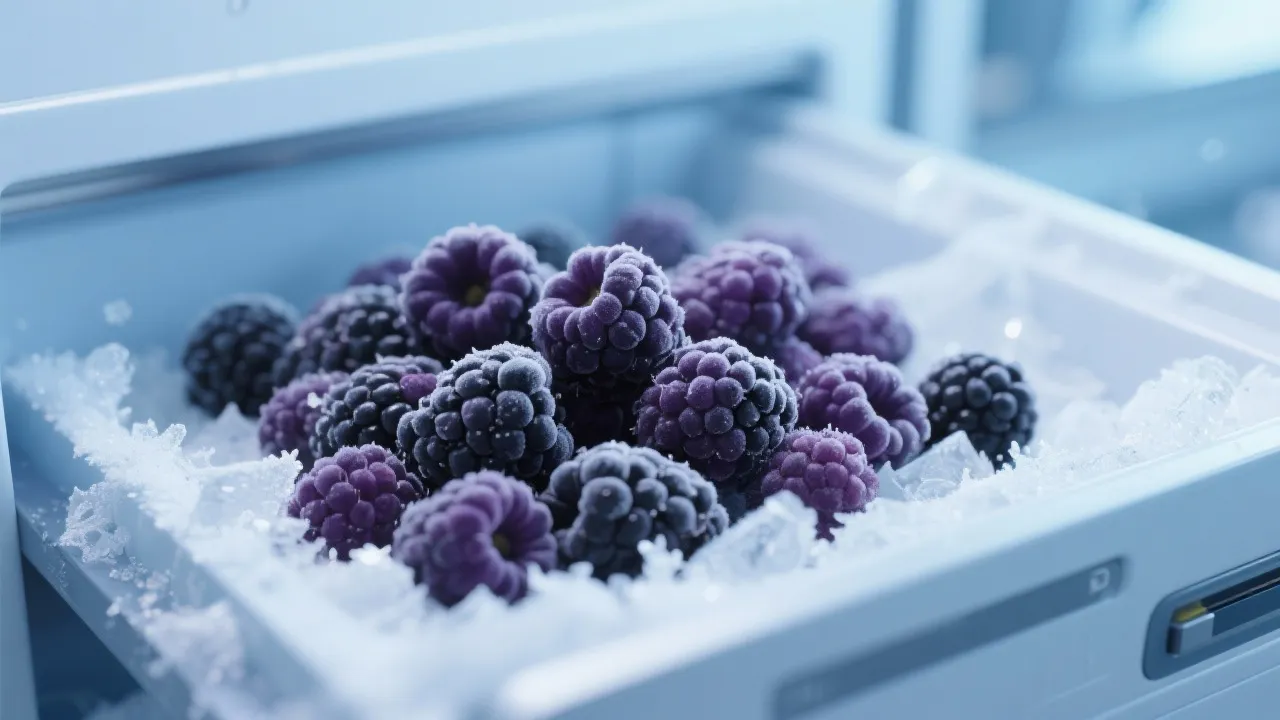
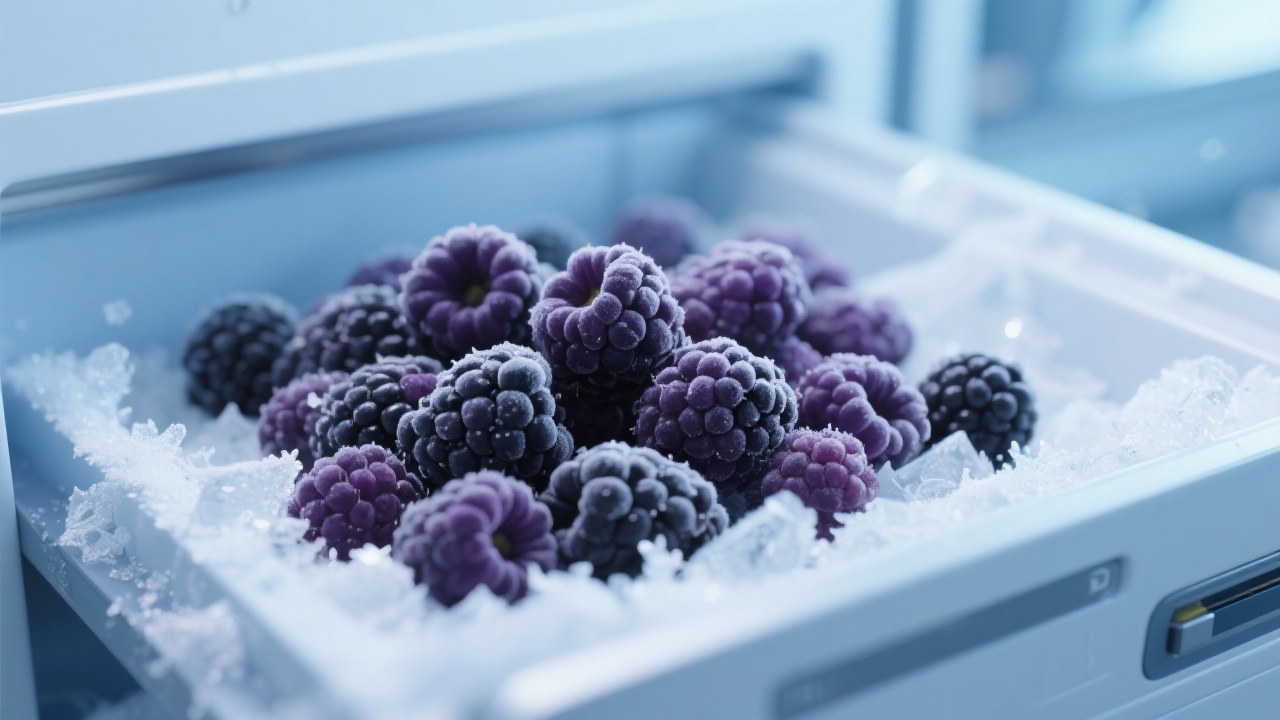
Additionally, the cold chain is rigorously maintained at -18°C from harvest to processing, effectively locking in freshness and preserving the bioactive compounds such as anthocyanins and vitamin C—key components responsible for antioxidant and immune-supporting properties. This contrasts markedly with traditional powder processes involving fruit crushing or pulping followed by ambient or hot-air drying, which accelerates nutrient degradation.
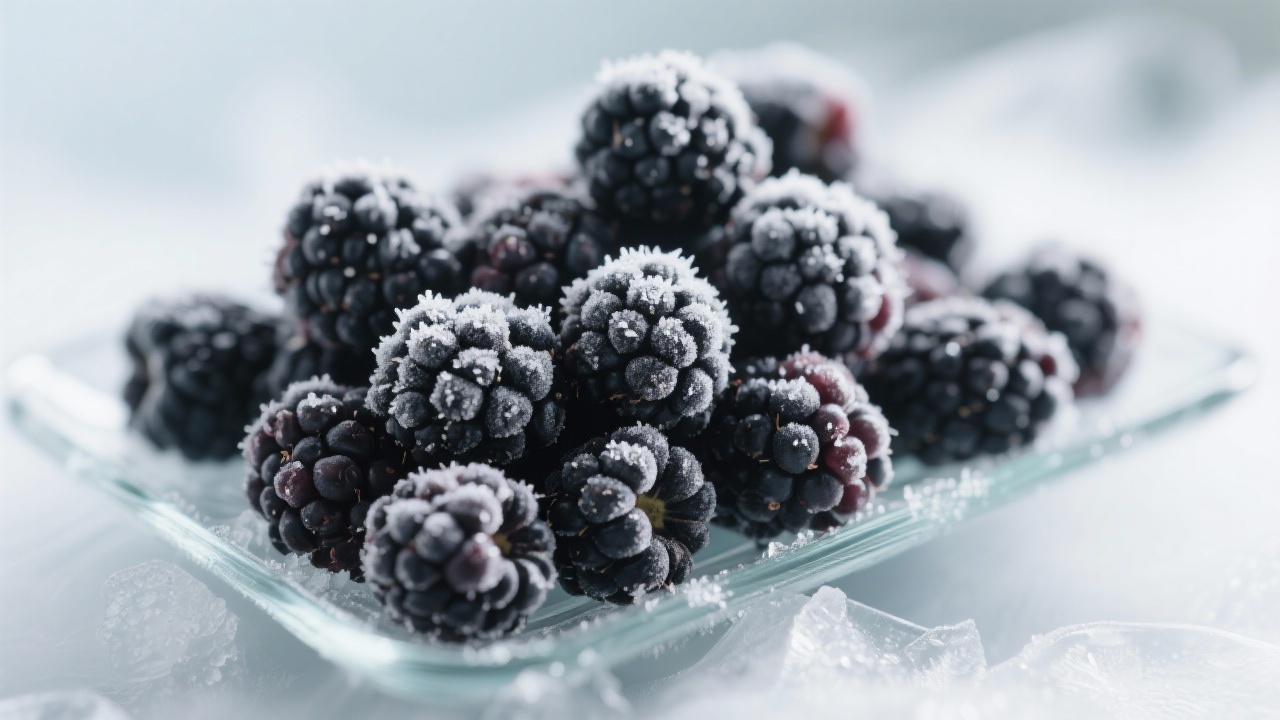
The adoption of freeze-drying technology for whole fruits provides a gentle dehydration process that sublimates moisture under low temperatures, thereby maintaining cellular structure and preventing oxidation. This results in a stable powder with vibrant, uniform color and exceptional retention of volatile flavor compounds. In contrast, traditional powder manufacture typically involves mechanical crushing, enzymatic browning, and heat application—factors that collectively contribute to nutrient depletion, inconsistent color, and flavor instability.
From a sensory perspective, the whole freeze-dried powder exhibits superior brightness and color consistency, attributes that resonate strongly with consumers for high-end functional foods and dietary supplements. Nutritionally, industry-standard SGS and CQC testing confirms the enhanced bioavailability of antioxidants and vitamins, with whole freeze-dried powders showing 20-35% greater retention of critical active compounds compared to their traditional counterparts.
This amplified nutrient density directly translates to improved efficacy when incorporated into probiotic-complex powders, nutritional beverages, and other functional formulations. The powder's stable flavor profile also reduces the need for artificial enhancers, aligning with clean-label consumer trends.
Robust quality management is embedded within the whole freeze-dried powder supply chain, exemplified by HACCP and ISO 22000 certifications, comprehensive batch traceability, and rigorous SGS/CQC third-party verification. Procurement managers can access detailed analytical reports covering microbial safety, mycotoxin levels, and phytochemical quantifications—data essential for risk mitigation and regulatory compliance.
Comparatively, traditional powders may lack consistent certification support and transparent analytical documentation, elevating supply chain risk.

The industry trend toward clean-label, high-functionality ingredients is driving increased adoption of whole freeze-dried red raspberry powder in diverse applications. In particular, its synergy with probiotic blends enhances antioxidant activity without compromising microbial viability. Nutritional beverage formulators leverage the powder’s stable color and flavor to maintain product appeal over shelf-life. These use-cases underscore the tangible benefits of investing in advanced processing technologies over traditional methods.
For B2B buyers seeking to integrate high-grade whole freeze-dried red raspberry powder, evaluating supplier capabilities should include:
Engaging suppliers who demonstrate transparency and technical expertise ensures risk mitigation and optimizes the final product’s market performance.


.png?x-oss-process=image/resize,h_100,m_lfit/format,webp)
.png?x-oss-process=image/resize,h_100,m_lfit/format,webp)
.png?x-oss-process=image/resize,h_100,m_lfit/format,webp)
 English


