
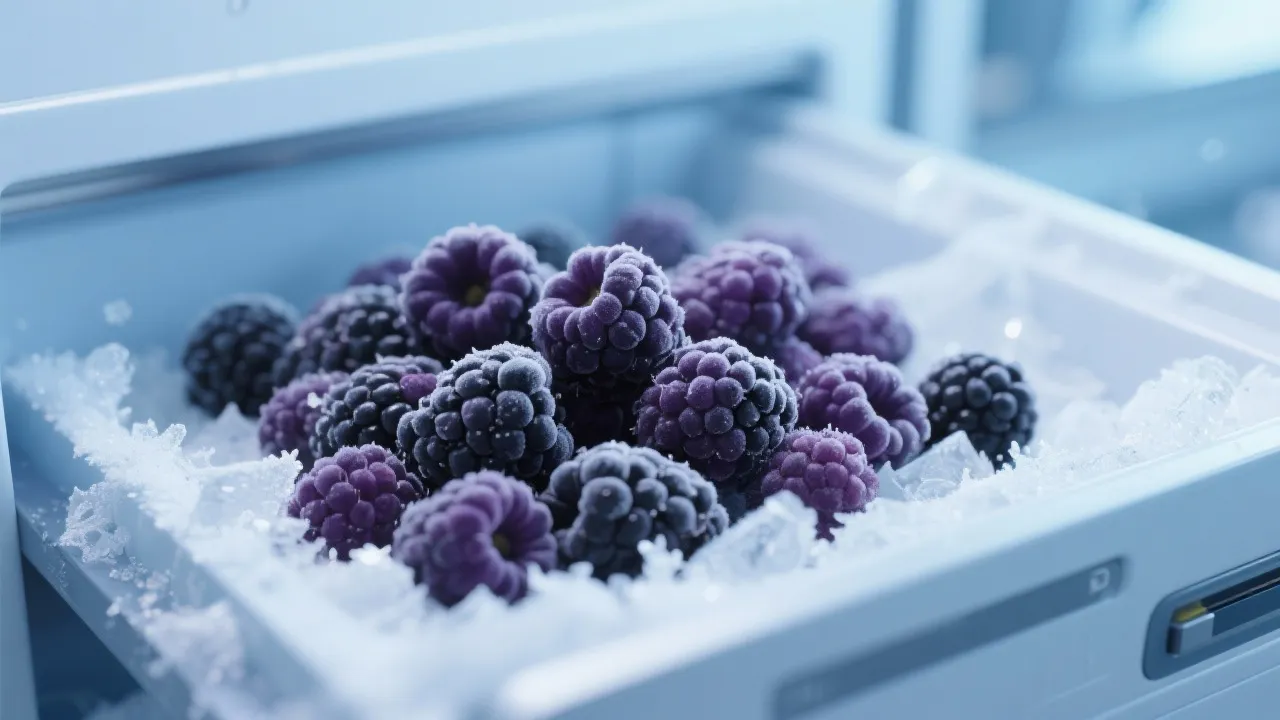
As functional food formulations evolve toward cleaner labels and higher bioavailability, ingredient sourcing has become a critical differentiator for B2B buyers in the nutraceutical industry. Among emerging superfood powders, whole-fruit freeze-dried raspberry powder stands out—not just as an add-on—but as a foundational component that enhances both efficacy and consumer appeal in probiotic complexes.
Most raspberry powders on the market are made from crushed or milled fruit—often using high-heat drying methods that degrade sensitive compounds like anthocyanins. In contrast, whole-fruit freeze-dried raspberry powder retains up to 95% of intact berries, preserving structure, flavor, and active nutrients. This isn’t just a technical detail—it’s a performance advantage.
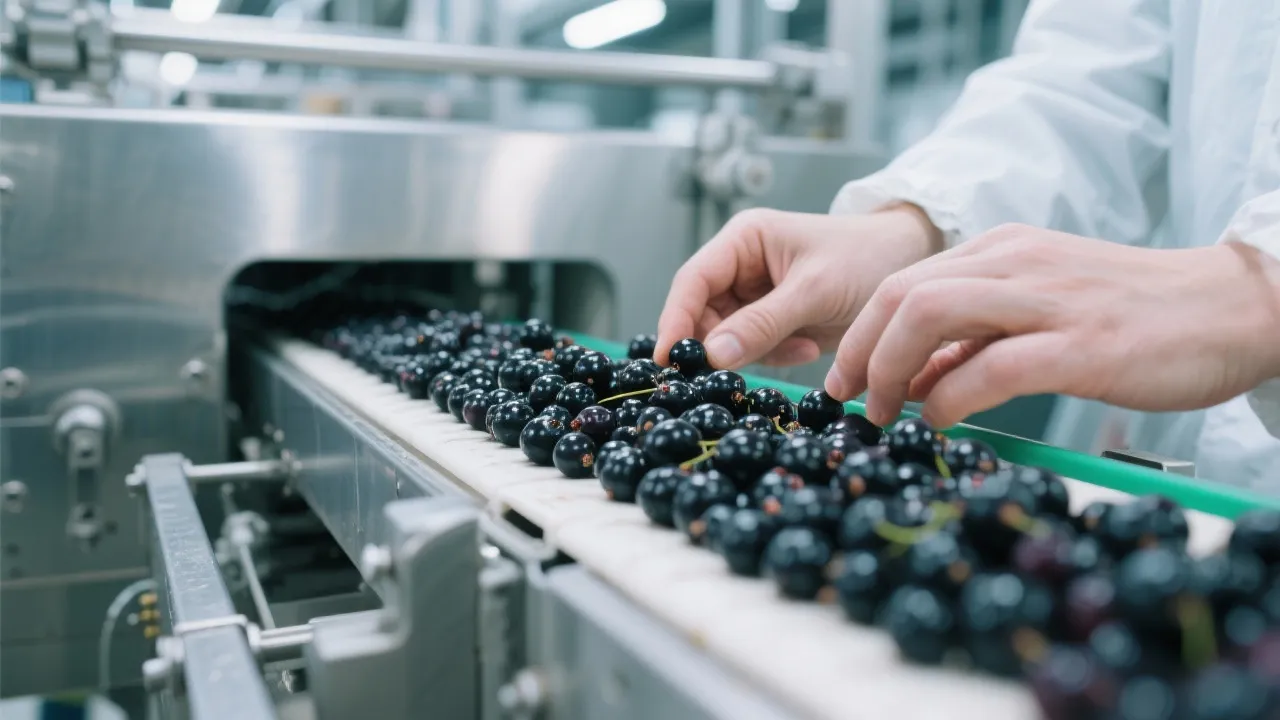
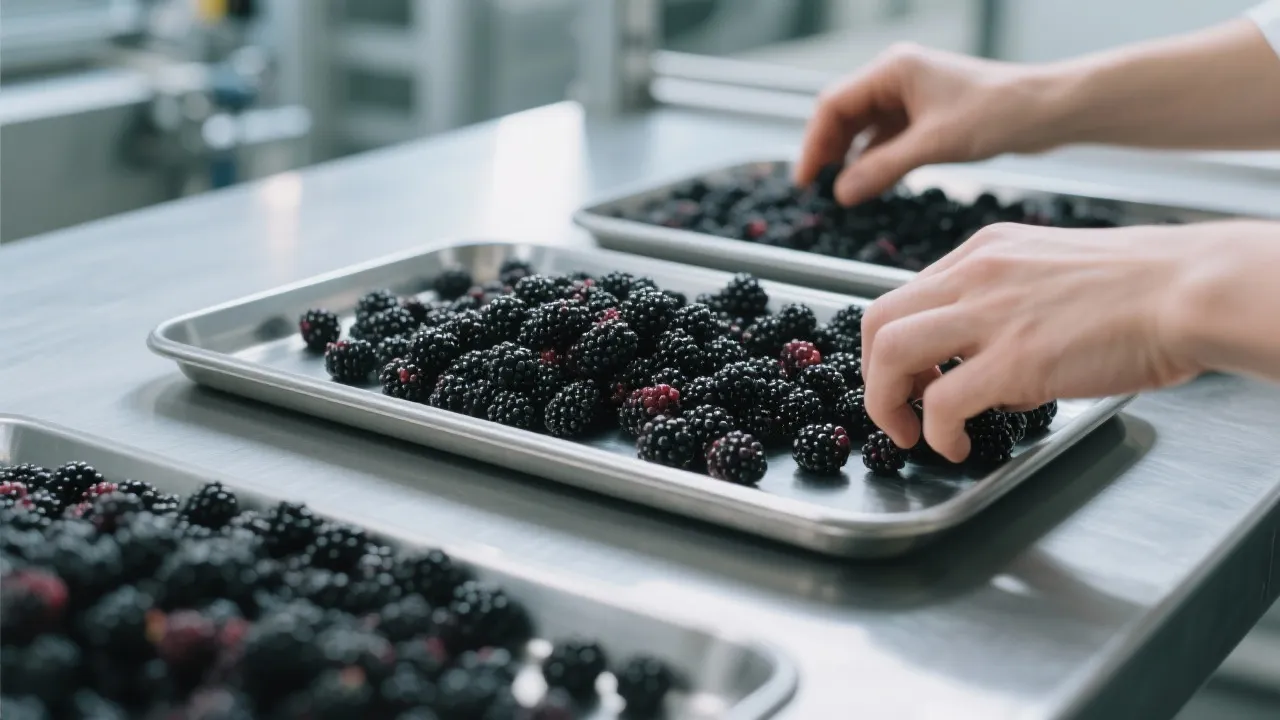
The journey begins with carefully selected red raspberries harvested at peak ripeness. Each batch undergoes three rounds of manual sorting to remove stems, seeds, and damaged berries—ensuring only the highest-quality fruit enters production. Then comes the core innovation: a controlled -18°C freeze-drying process that preserves volatile aromas and heat-sensitive vitamins such as Vitamin C (retention rate >85%).
Unlike standard spray-drying techniques, which can cause oxidation and nutrient loss, this method locks in freshness throughout the entire supply chain—from cold-chain logistics to final packaging.
In probiotic blends, whole-fruit raspberry powder does more than contribute color or taste. Its natural polyphenols act as prebiotics, supporting beneficial gut bacteria growth—an ideal synergy for next-gen digestive health products. Consumers report significantly better sensory acceptance when whole-fruit powders are used versus fragmented ones, especially in powdered drinks and capsules where flavor uniformity matters.
A recent blind test conducted by a European food tech lab found that formulations containing whole-fruit raspberry powder scored 3.7/5 for taste consistency, while those using broken-powder variants averaged only 2.9/5.
These metrics aren't just checkboxes—they’re your first line of defense against subpar ingredients that compromise formulation stability and brand reputation.

 179
|
179
|
 frozen blackcurrants
flash freezing technology
manual sorting process
cold chain logistics
intact berry rate
193
|
organic frozen blackberries
healthy smoothie recipes
frozen fruit nutrition
clean label beverages
smoothie ingredient innovation
59
|
Flash frozen blackberries
Nutrient retention in frozen blackberries
Blackberry freezing technology
Food processing raw material selection
Advantages of frozen fruit technology
63
|
EU import standards
HACCP certification
frozen blackcurrant supply chain
cold - chain temperature control
supply chain optimization suggestions
494
|
Freeze-dried whole raspberry powder
High-end dietary supplements
Functional food raw materials
Cold-chain freshness-locking technology
Third-party testing reports
frozen blackcurrants
flash freezing technology
manual sorting process
cold chain logistics
intact berry rate
193
|
organic frozen blackberries
healthy smoothie recipes
frozen fruit nutrition
clean label beverages
smoothie ingredient innovation
59
|
Flash frozen blackberries
Nutrient retention in frozen blackberries
Blackberry freezing technology
Food processing raw material selection
Advantages of frozen fruit technology
63
|
EU import standards
HACCP certification
frozen blackcurrant supply chain
cold - chain temperature control
supply chain optimization suggestions
494
|
Freeze-dried whole raspberry powder
High-end dietary supplements
Functional food raw materials
Cold-chain freshness-locking technology
Third-party testing reports


.png?x-oss-process=image/resize,h_100,m_lfit/format,webp)
.png?x-oss-process=image/resize,h_100,m_lfit/format,webp)
.png?x-oss-process=image/resize,h_100,m_lfit/format,webp)
 English


