

In the global food processing industry, consistency isn’t just a goal—it’s a requirement. For exporters of frozen blackcurrants, variability in fruit integrity, texture, or flavor can lead to rejected batches, lost contracts, and eroded brand trust. This article explores how a combination of advanced freezing technology and rigorous human inspection ensures stable quality across every shipment.
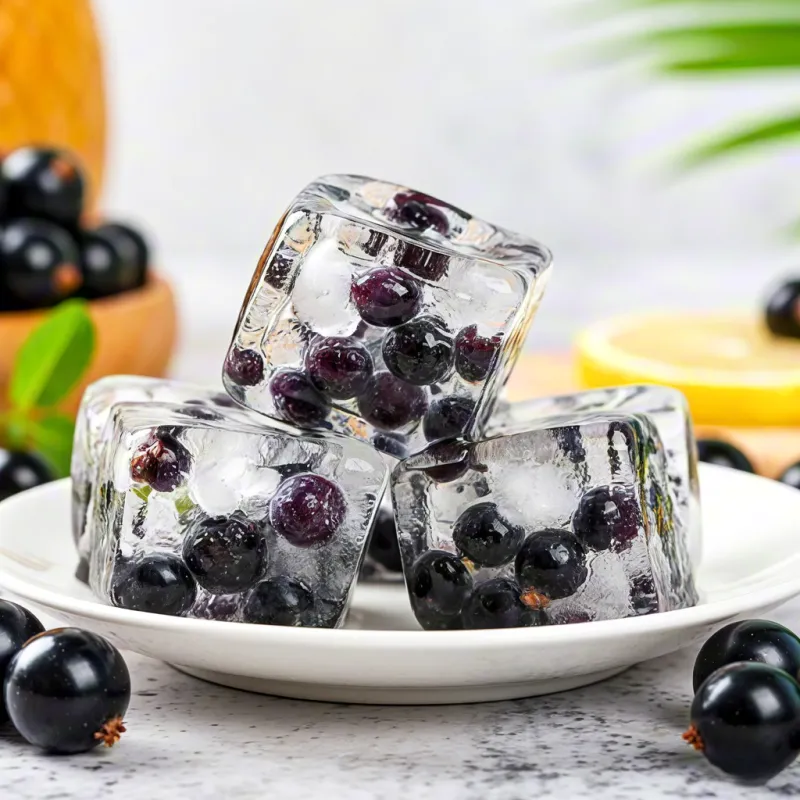
Traditional freezing methods often result in large ice crystals that rupture cell walls, causing softening, discoloration, and nutrient loss upon thawing. Studies show that this damage reduces juice yield by up to 20% in processed products like jams and smoothies. In contrast, liquid nitrogen速冻 (LN2) technology forms microcrystals—typically under 10 microns—that preserve cellular structure with minimal disruption. Our lab data confirms that LN2-frozen blackcurrants retain over 95% of their original firmness after 12 months at -18°C.
While automation improves speed, it cannot match the precision of trained eyes when assessing subtle defects such as bruising, stem remnants, or uneven ripeness. At our facility, each batch undergoes three rounds of manual sorting:
| Screening Round | Purpose | Avg. Whole Fruit Rate Increase |
|---|---|---|
| First Pass | Remove debris, oversized/undersized berries | +7% |
| Second Pass | Detect surface damage, color inconsistencies | +12% |
| Final Check | Quality assurance before packaging | +6% |
This multi-stage process results in an average whole berry rate of 95%, significantly higher than industry benchmarks (typically 80–85%). It also minimizes waste during downstream processing—critical for cost-sensitive buyers in Europe and North America.
Maintaining consistent temperature throughout the supply chain is essential. Research from the International Institute of Refrigeration shows that microbial activity drops below detectable levels at -18°C or lower. We ensure this through real-time monitoring using IoT-enabled cold containers and validate compliance via third-party audits—our clients receive full traceability reports, including temperature logs from farm to port.
Different end-products demand tailored approaches:
These insights are backed by over 3 years of field testing with clients across Germany, the UK, and UAE markets.
We support small-batch trials to test quality in your production line. All shipments include international certification and full cold chain documentation.
Request Sample & Test Report
 300
|
300
|
 rapid frozen blackberries
frozen berry nutrient retention
export-grade berries
quick freezing technology
frozen fruit quality control
139
|
Rapid freezing technology
Nutrient preservation of frozen blackberries
Vitamin C preservation
Antioxidant preservation
Blackberry supply - chain management
70
|
flash frozen blackberries
frozen berry nutrition retention
blackberry freezing technology
organic frozen berries
food freezing process optimization
131
|
rapid freezing technology
frozen blackberry nutrition retention
export-grade frozen berries
blackberry freeze preservation
food supply chain quality control
198
|
organic frozen blackberries
healthy smoothie recipes
nutritional value of frozen fruits
blackberry nutritional components
smoothie making techniques
rapid frozen blackberries
frozen berry nutrient retention
export-grade berries
quick freezing technology
frozen fruit quality control
139
|
Rapid freezing technology
Nutrient preservation of frozen blackberries
Vitamin C preservation
Antioxidant preservation
Blackberry supply - chain management
70
|
flash frozen blackberries
frozen berry nutrition retention
blackberry freezing technology
organic frozen berries
food freezing process optimization
131
|
rapid freezing technology
frozen blackberry nutrition retention
export-grade frozen berries
blackberry freeze preservation
food supply chain quality control
198
|
organic frozen blackberries
healthy smoothie recipes
nutritional value of frozen fruits
blackberry nutritional components
smoothie making techniques







.png?x-oss-process=image/resize,h_100,m_lfit/format,webp)
.png?x-oss-process=image/resize,h_100,m_lfit/format,webp)
.png?x-oss-process=image/resize,h_100,m_lfit/format,webp)
 English


