
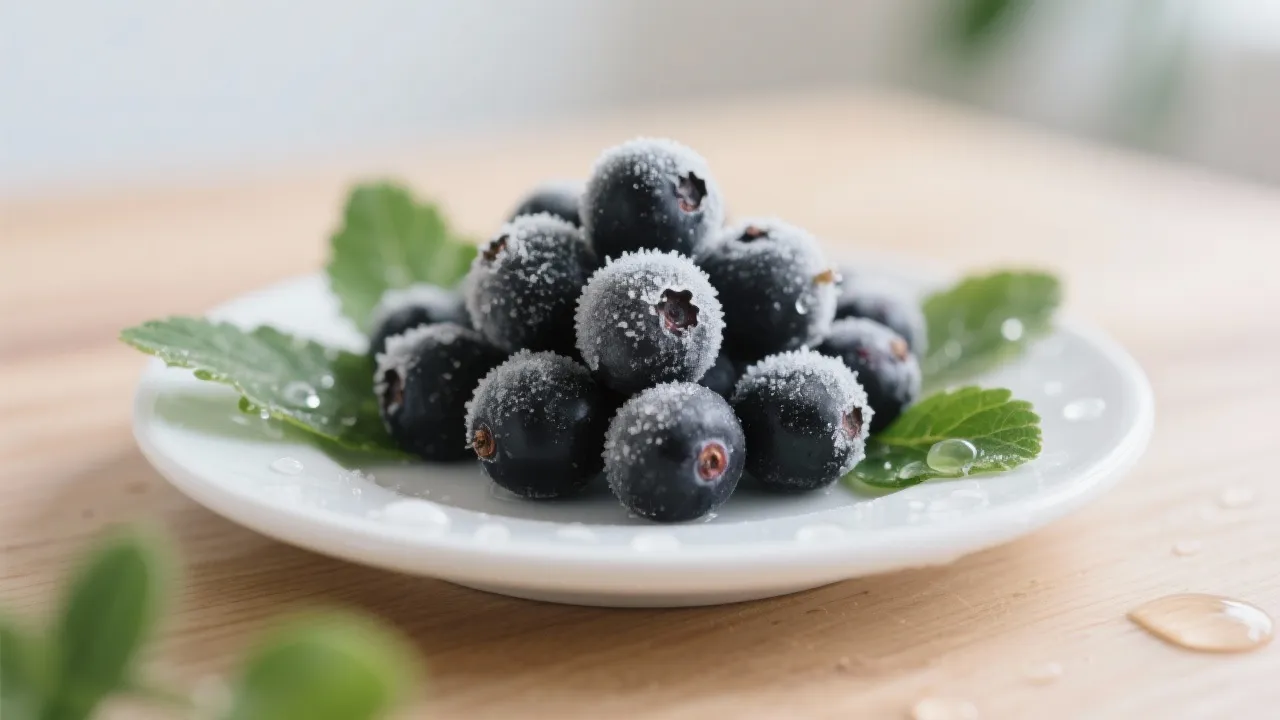
The European Union has some of the most stringent food safety regulations in the world. For frozen blackcurrants, compliance with EU import standards and HACCP (Hazard Analysis and Critical Control Points) certification is non - negotiable. The EU's food safety regulations are driven by a series of Directives and Regulations. For instance, Regulation (EC) No 852/2004 on the hygiene of foodstuffs sets out general rules on food hygiene, which is a cornerstone for the import of frozen blackcurrants.
The core requirements of HACCP include identifying potential hazards in the food production process and implementing control measures at critical points. In the case of frozen blackcurrants, key indicators such as microbiological safety (e.g., maximum allowable levels of Salmonella and E. coli are 0 per 25 grams), chemical residues (e.g., pesticide residues must comply with the EU's MRL - Maximum Residue Limits), and physical hazards (e.g., no foreign objects) are strictly monitored.
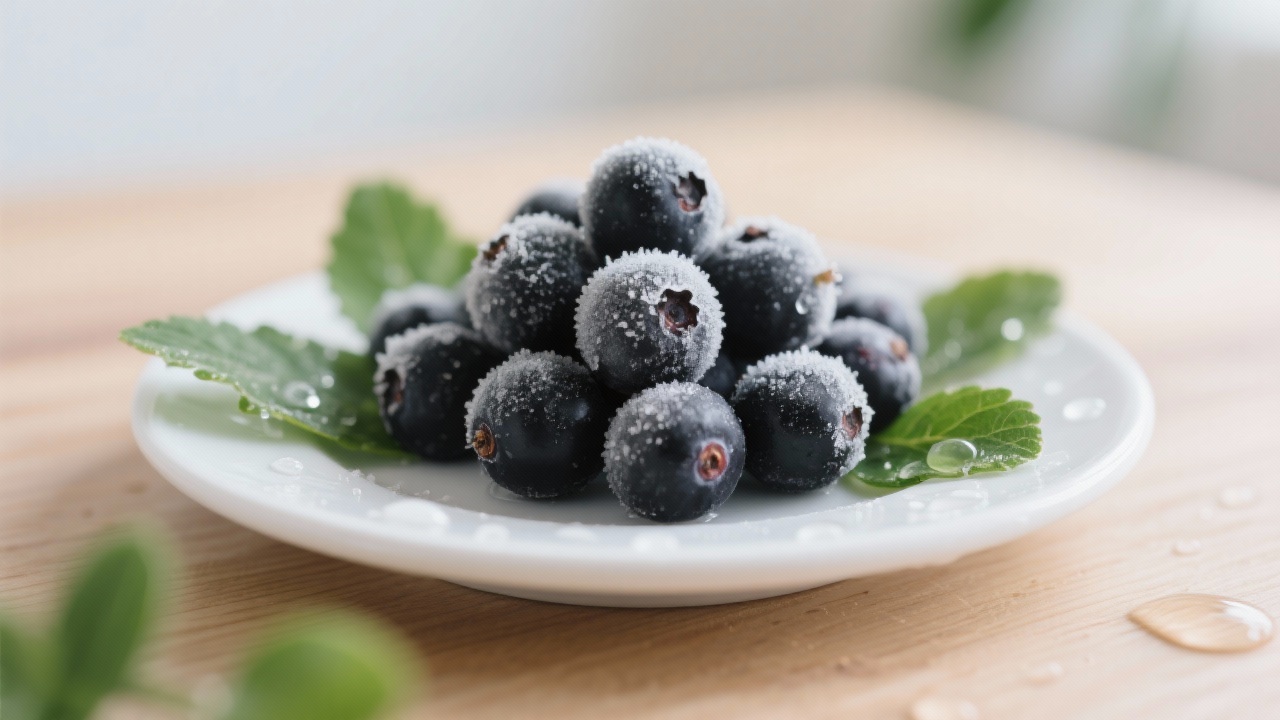
The supply chain of frozen blackcurrants involves multiple stages, each with its own compliance challenges.
Selecting high - quality blackcurrants is the first step. However, challenges such as fruit maturity, infestation, and damage can pose risks to compliance. For example, unripe fruits may not meet the required sugar content standards, and infested fruits may carry pests or diseases.
During processing, maintaining proper temperature control is crucial. If the processing temperature is not low enough during freezing, it may lead to the growth of microorganisms. According to a study, improper processing temperatures can increase the rate of microbial growth by up to 30%.
Packaging must be able to protect the product from contamination during storage and transportation. It should also be labeled correctly with information such as origin, ingredients, and storage instructions in accordance with EU regulations.
Regular and comprehensive quality inspections are necessary. However, the complexity of the inspection process and the accuracy of inspection methods can affect compliance. For example, inaccurate testing of chemical residues may lead to non - compliant products being shipped.
Maintaining a consistent low - temperature environment during transportation is essential. Any temperature fluctuations can lead to quality deterioration. It is estimated that a 2 - degree Celsius increase in temperature during transportation can reduce the shelf - life of frozen blackcurrants by up to 20%.
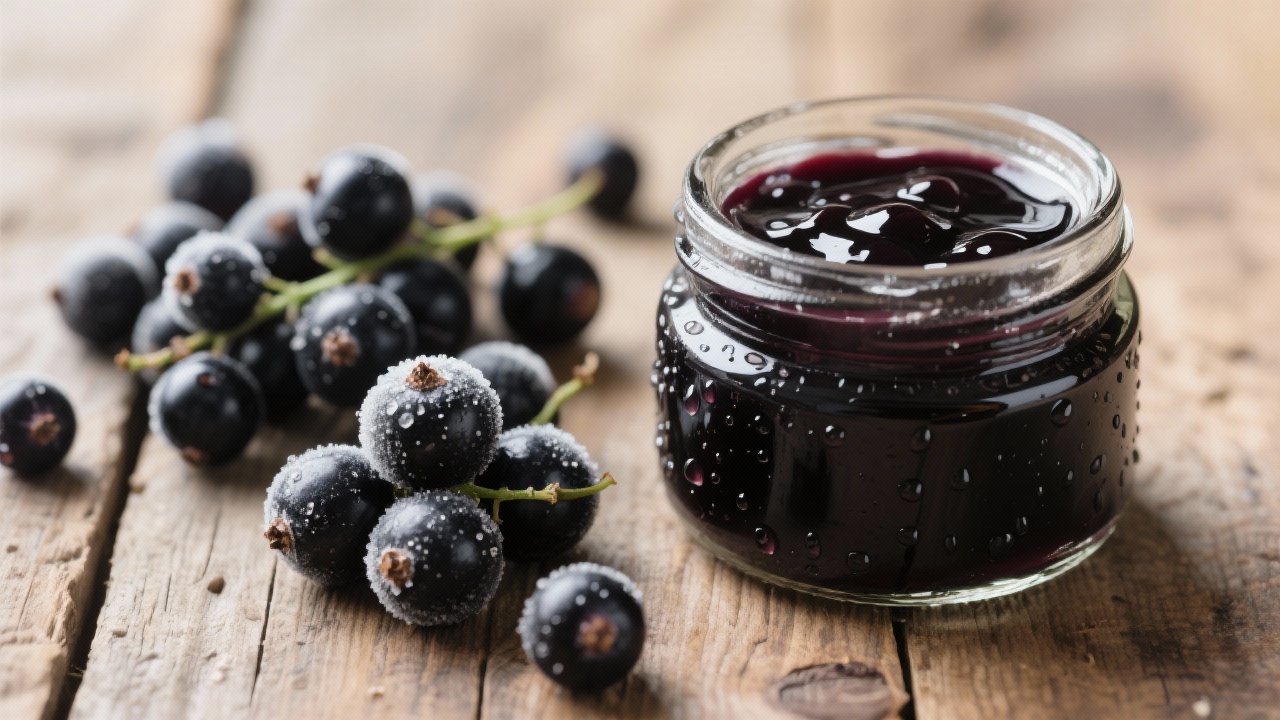
To address these challenges and achieve standardized management of the supply chain, several practical experiences and tools can be applied.
Using advanced sorting equipment can help improve the whole - fruit rate. By removing damaged and unripe fruits, the quality of the final product can be significantly enhanced. For example, optical sorting machines can detect and remove up to 95% of defective fruits.
Investing in high - quality cold storage facilities and transportation equipment can ensure a stable low - temperature environment. Real - time temperature monitoring systems can also be installed to detect and address any temperature deviations immediately.
Developing a detailed inspection checklist and training inspection personnel can improve the accuracy and efficiency of inspections. Regular calibration of inspection equipment is also necessary to ensure reliable results.
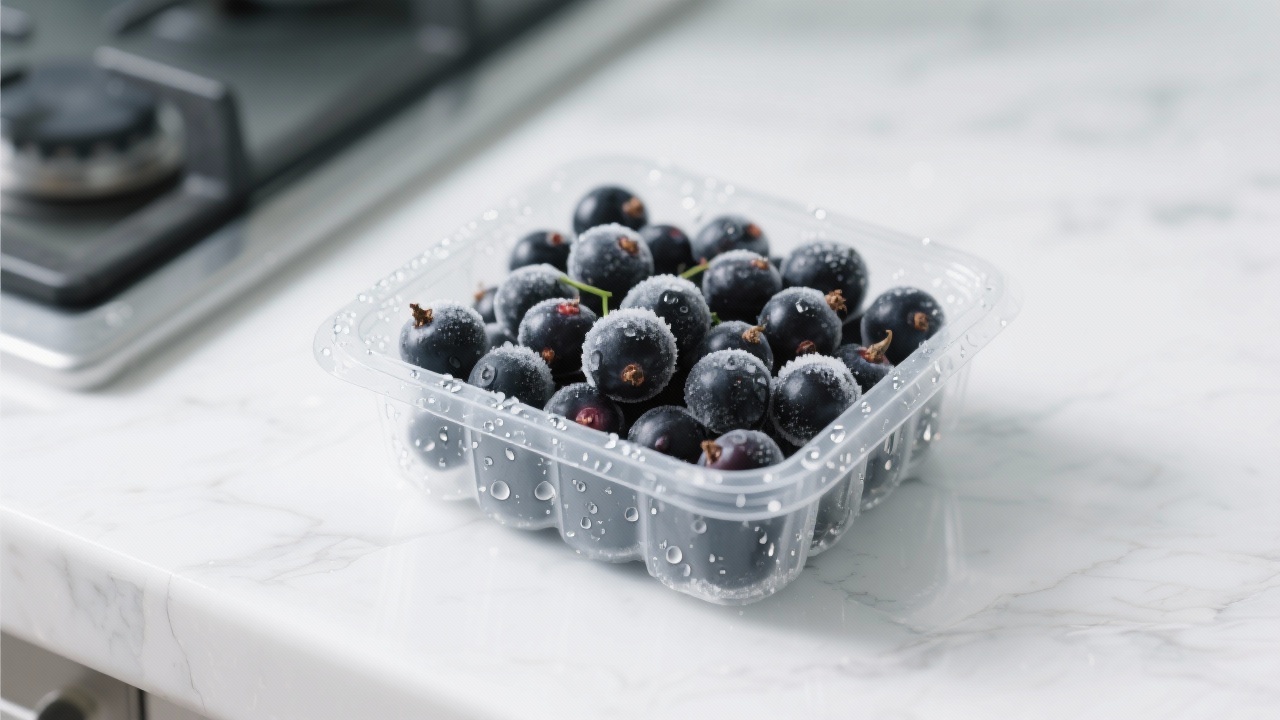
Compliance with EU import standards and HACCP certification not only ensures food safety and quality but also opens up opportunities for business development in the European market. By establishing a professional and efficient supply chain, suppliers and traders can gain a competitive edge.
Yishangqiao offers high - quality blackcurrants with significant advantages. Our products are sourced from the best plantations, ensuring excellent taste and nutritional value. We also provide flexible OEM services, allowing customers to customize packaging according to their needs. If you are looking for a reliable partner in the frozen blackcurrant business, click here to learn more about Yishangqiao's products and services.


.png?x-oss-process=image/resize,h_100,m_lfit/format,webp)
.png?x-oss-process=image/resize,h_100,m_lfit/format,webp)
.png?x-oss-process=image/resize,h_100,m_lfit/format,webp)
 English


