
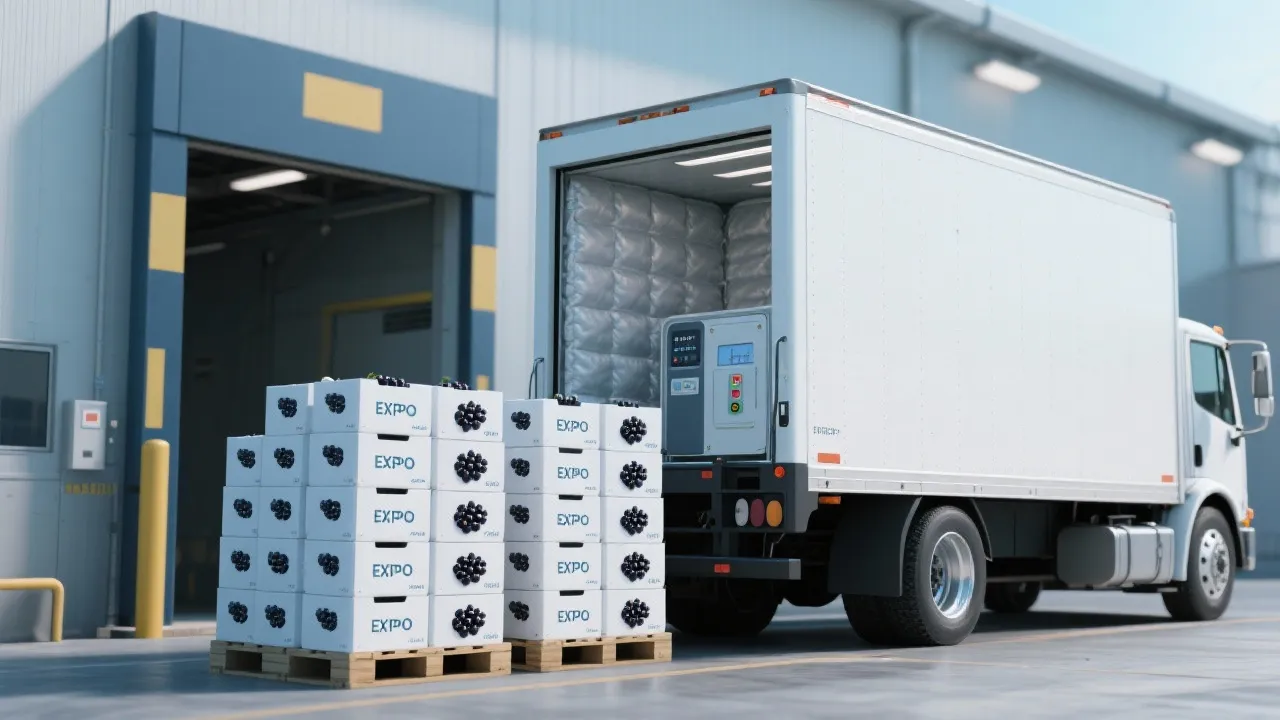
In the competitive landscape of the global frozen fruit market, exporters of frozen blackcurrants face the challenge of balancing risk and reward. This guide explores how small batch trials and OEM贴牌定制 packaging can be powerful tools for market validation and brand differentiation, particularly when targeting the European market.
Small batch trials offer a low - risk approach to test the market demand for frozen blackcurrants. By producing and selling a limited quantity, exporters can quickly gather feedback on product acceptance, pricing sensitivity, and market trends. This reduces the financial risk associated with large - scale production and allows for rapid adjustments to product features or marketing strategies.
The actual operation steps of small batch trials typically involve:
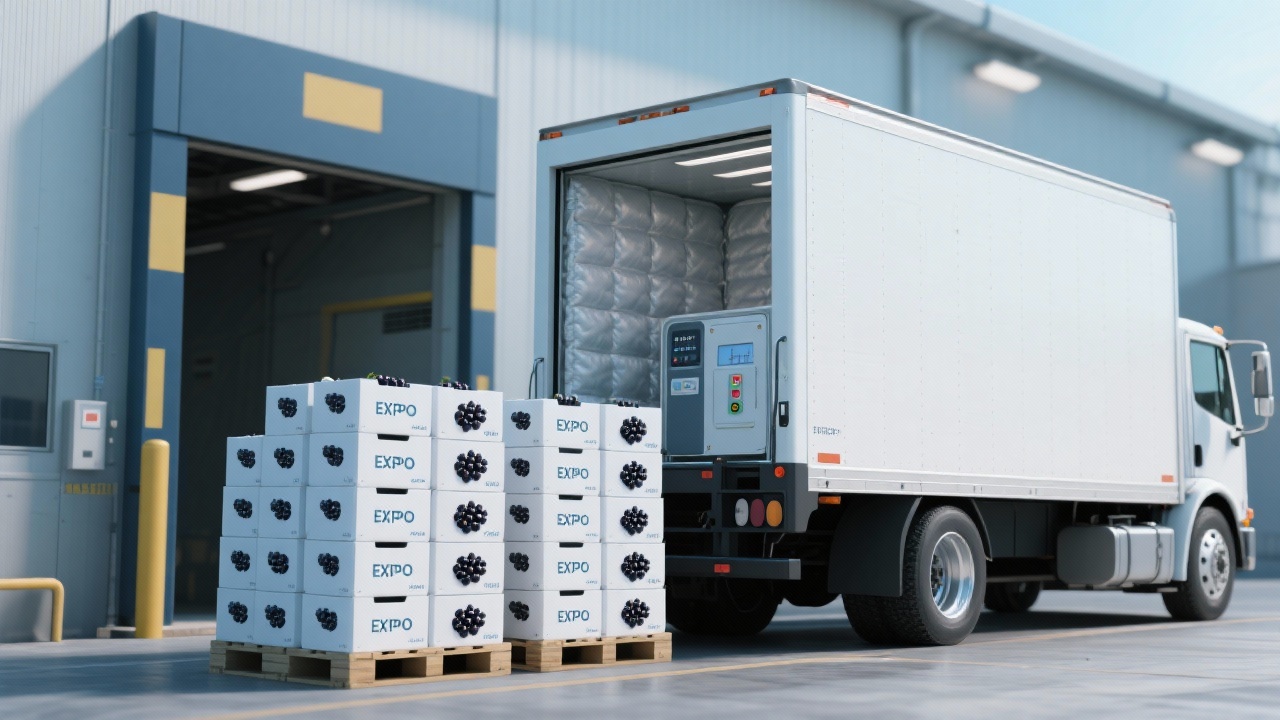
OEM贴牌定制 packaging is not only about branding but also about compliance and environmental responsibility. The design理念 should focus on creating a strong brand visual identity that stands out on the shelves. This includes choosing a unique logo, color scheme, and packaging shape.
When it comes to compliance, labels must meet European food safety regulations, including ingredient lists, nutritional information, and origin details. For environmental considerations, using recyclable or biodegradable packaging materials can enhance the brand's image. For example, cardboard boxes made from recycled paper or bio - based plastic films are becoming popular choices in the European market.
| Design Element | Requirement |
|---|---|
| Brand Visual Identity | Unique logo, color scheme, and packaging shape |
| Compliance Labels | Ingredient lists, nutritional information, origin details |
| Environmental Materials | Recyclable or biodegradable materials |
The packaging of frozen blackcurrants must ensure product stability during storage and transportation. The packaging should be able to withstand low temperatures, prevent freezer burn, and protect the product from moisture and oxygen. Common packaging options include vacuum - sealed bags, rigid plastic containers, and cardboard boxes with insulation.
For transportation, maintaining a strict cold chain is crucial. The temperature should be kept at - 18°C or lower throughout the journey. This requires using specialized refrigerated trucks, containers, and warehouses. According to industry standards, the temperature deviation should not exceed ± 2°C to ensure product quality.
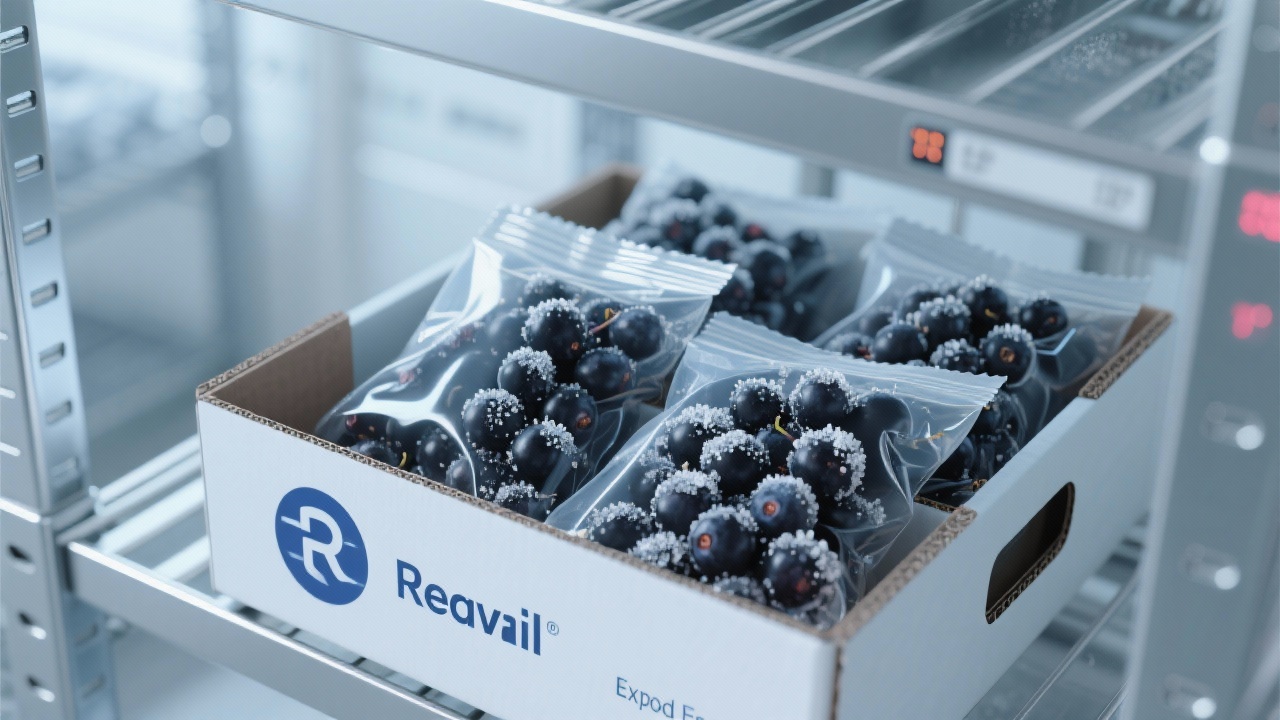
Let's look at a real - world example. A Chinese exporter of frozen blackcurrants used small batch trials to enter the German market. By offering customized packaging and a high - quality product, they were able to quickly gain market share. However, they initially faced challenges with cold chain management, which led to some product quality issues. After improving their cold chain logistics, they achieved a customer satisfaction rate of over 90%.
Common pitfalls in small batch trials and OEM packaging include underestimating the cost of compliance, overestimating market demand, and poor communication with suppliers. To avoid these issues, exporters should conduct thorough research, build strong partnerships, and have a contingency plan in place.
There are several lightweight tools available to support small batch trial evaluation and packaging design. For example, online survey tools can be used to collect customer feedback quickly. Design software like Adobe Illustrator can help create professional - looking packaging designs. Additionally, supply chain management tools can assist in monitoring the cold chain and ensuring product quality.
Are you ready to explore the European market for frozen blackcurrants? Do you have any questions about small batch trials or OEM packaging? Leave your comments below and let's discuss!
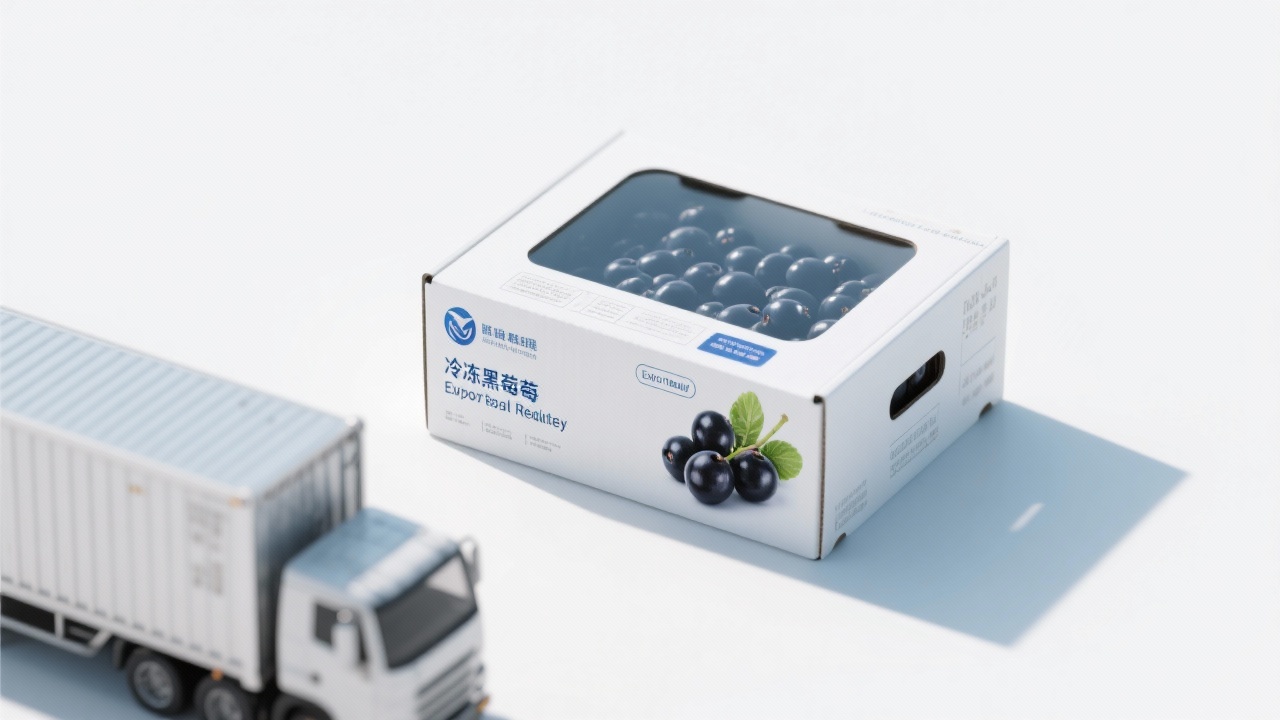
Discover Our Frozen Blackcurrant Small Batch Trial and OEM Packaging Solutions


.png?x-oss-process=image/resize,h_100,m_lfit/format,webp)
.png?x-oss-process=image/resize,h_100,m_lfit/format,webp)
.png?x-oss-process=image/resize,h_100,m_lfit/format,webp)
 English


