
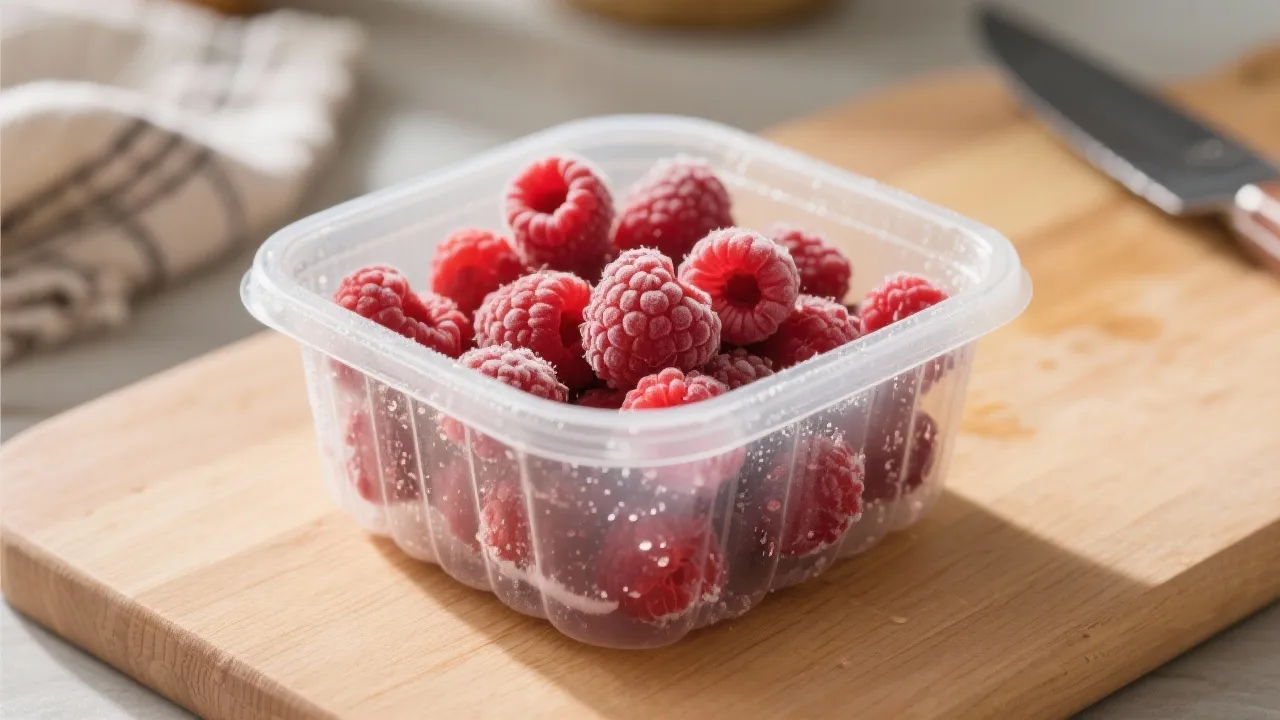
For food practitioners and high - end consumers, understanding the technology behind frozen blackberries is crucial. Why do some frozen blackberries change color and become dry and tough? The answer lies in the freezing technology and international quality standards.
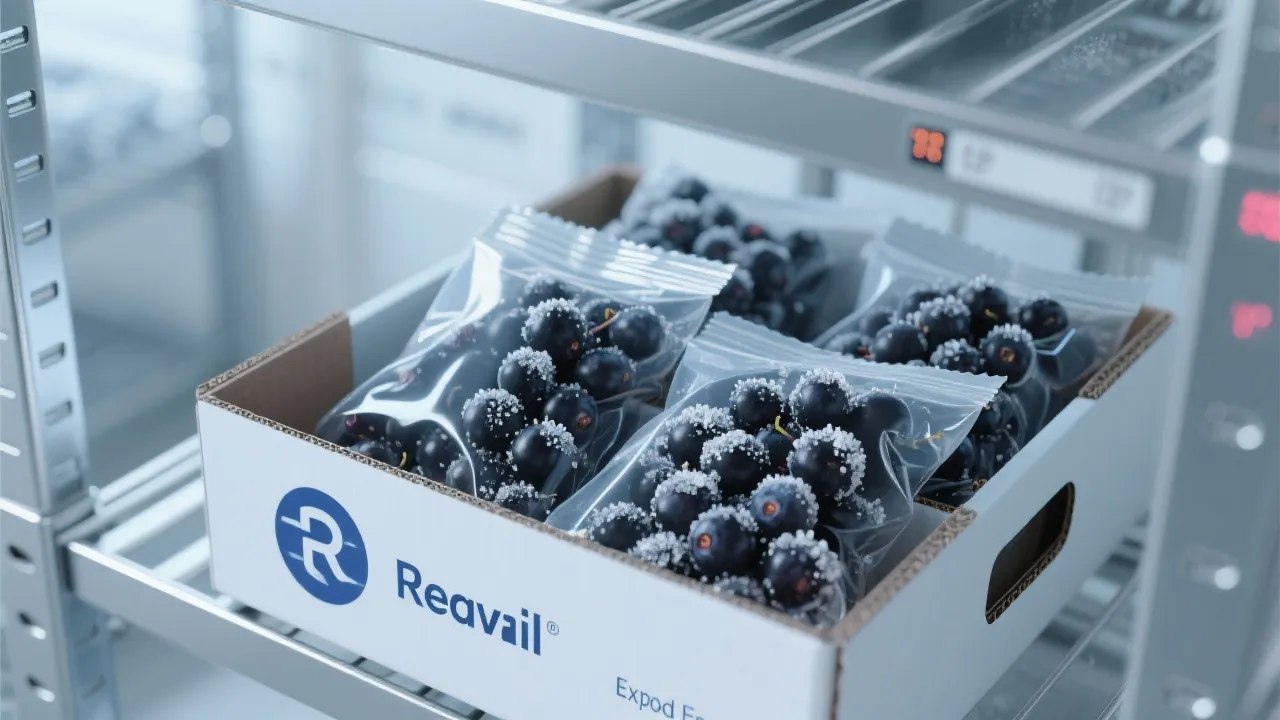
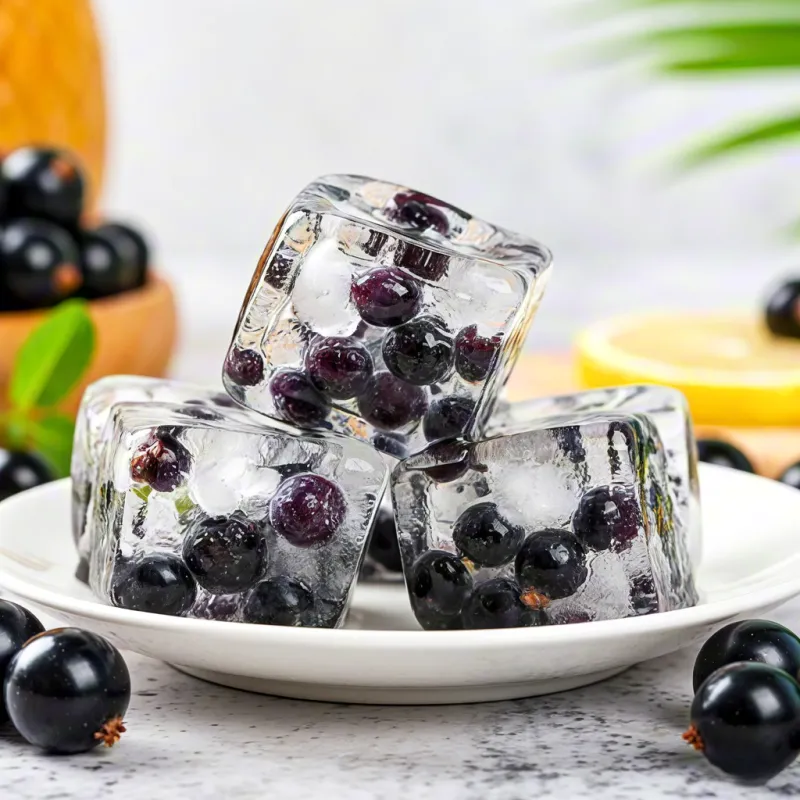
The relationship between freezing speed and ice crystal formation is a fundamental factor in determining blackberry quality. According to a study in the Food Chemistry journal, when blackberries are frozen, ice crystals form within the fruit. If the freezing speed is slow, large ice crystals can form, causing significant damage to the pulp cells. In contrast, ultra - fast freezing technology can freeze blackberries within 1 second, minimizing the size of ice crystals and protecting the cell structure.
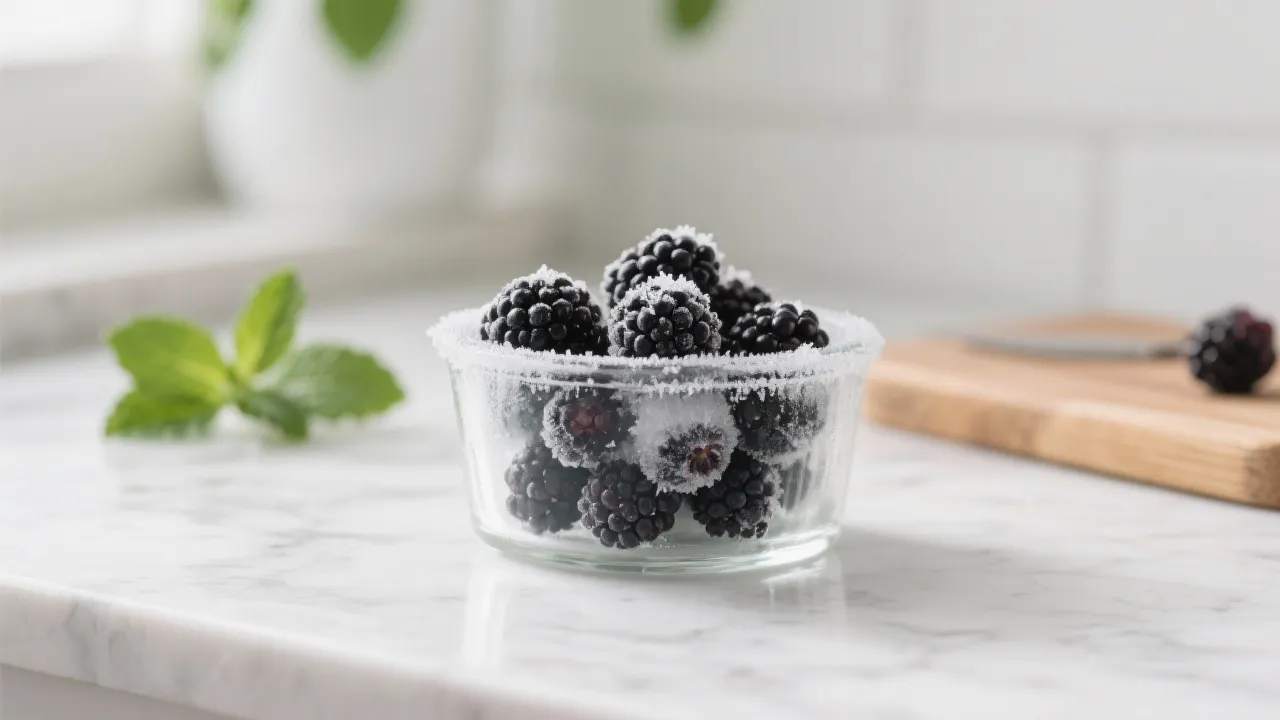
Let's compare ordinary freezing and ultra - fast freezing. In terms of color, ordinary freezing often leads to a loss of the vibrant purple color of blackberries, making them appear dull. Regarding texture, blackberries frozen by ordinary methods can become mushy or tough, while ultra - fast frozen blackberries maintain their firmness and juicy texture. When it comes to nutritional components, berries frozen by ultra - fast technology have a much higher retention rate of nutrients such as vitamin C and anthocyanins.
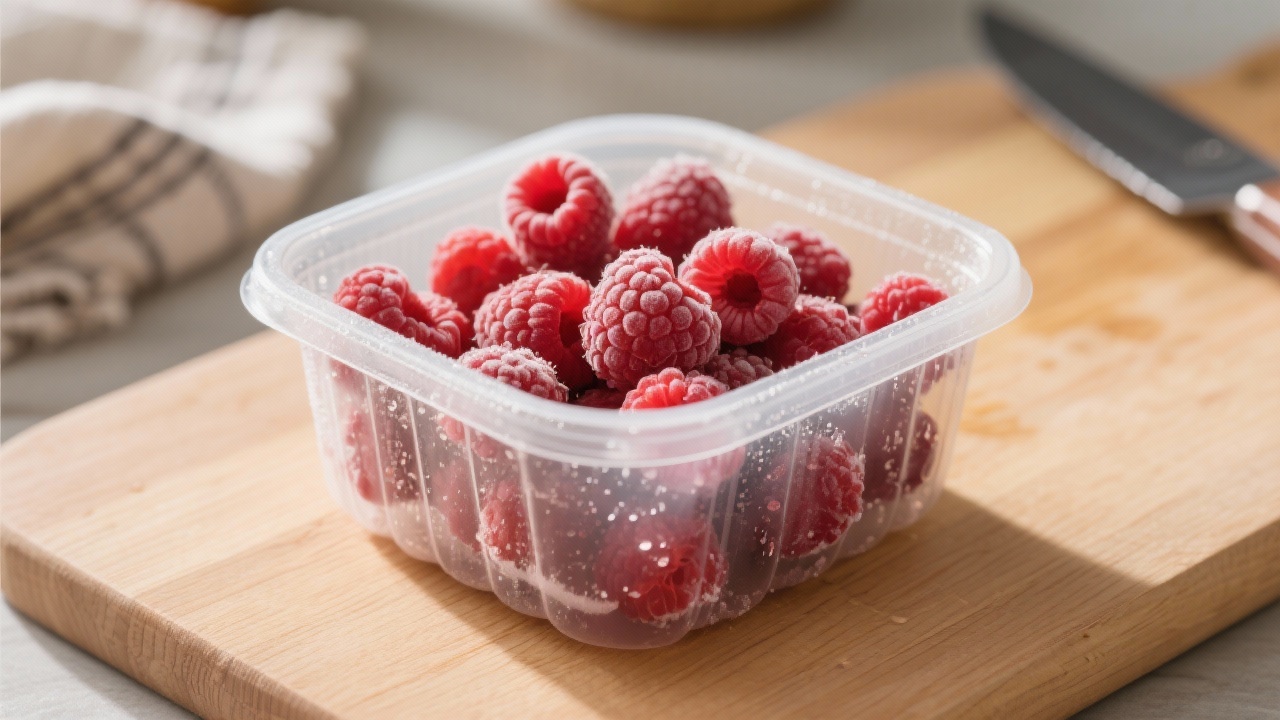
In the production of high - quality frozen blackberries, the HACCP and ISO 22000 standards play a key role in quality control. HACCP, a systematic approach to food safety, identifies and controls biological, chemical, and physical hazards in the food production process. ISO 22000 provides a comprehensive framework for food safety management systems.
By implementing these two standards, enterprises can ensure that the freezing process is closely monitored and controlled. For example, from the selection of raw blackberries to the packaging and storage of frozen products, every step is conducted under strict quality guidelines. Our enterprise adopts the ultra - fast freezing technology and has obtained HACCP and ISO 22000 certifications, ensuring that the whole fruit rate of our frozen blackberries exceeds 95%.
Based on industry research data and the findings in the Food Chemistry journal, ultra - fast frozen blackberries have a significantly higher vitamin C retention rate compared to those frozen by ordinary methods. For instance, while ordinary freezing may result in a 40 - 50% loss of vitamin C, ultra - fast freezing can keep the vitamin C retention rate above 80%. The same goes for anthocyanins, an important antioxidant in blackberries. Ultra - fast freezing can retain over 90% of anthocyanins, providing consumers with a more nutritious product.
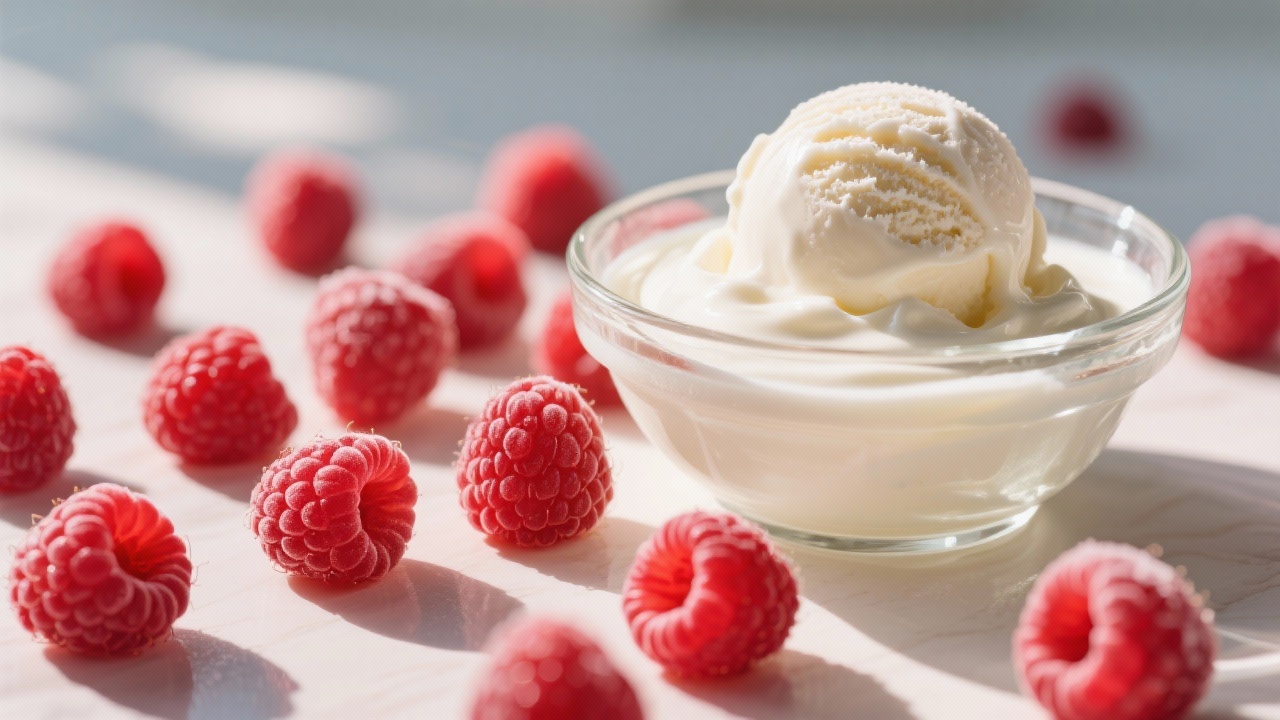
Bakers often prefer ultra - fast frozen blackberries because they can maintain their shape and flavor during the baking process, adding a natural and delicious taste to pastries. For consumers, when identifying high - quality frozen blackberries, they should pay attention to factors such as color, texture, and the presence of certifications. High - quality frozen blackberries should have a bright color, a firm texture, and carry international certifications such as HACCP and ISO 22000.
In conclusion, understanding the science behind ultra - fast freezing technology and the importance of international certifications in frozen blackberry production can help food practitioners make more professional choices and allow consumers to enjoy safer and more nutritious products. If you want to know more about high - quality frozen blackberries and advanced freezing technology, click here to explore.

 159
|
159
|
 Freeze-dried raspberry powder
Anthocyanin protection
Bioavailability improvement
Functional food addition
Raspberry powder application
360
|
ISO 22000 certification
organic frozen blackberries
food safety management system
high-quality frozen berry sourcing
supply chain quality assurance
279
|
Quick freezing technology
Nutrient retention in frozen blackberries
Fruit preservation technology
Frozen fruit and vegetable supply chain
E - BizBridge blackberries
317
|
custom frozen blackberry packaging
eco-friendly frozen fruit packaging
functional cold chain packaging
sustainable food packaging innovation
personalized frozen fruit packaging
148
|
frozen blackcurrant supply chain
EU import standards
HACCP certification
cold chain temperature control technology
frozen fruit export
Freeze-dried raspberry powder
Anthocyanin protection
Bioavailability improvement
Functional food addition
Raspberry powder application
360
|
ISO 22000 certification
organic frozen blackberries
food safety management system
high-quality frozen berry sourcing
supply chain quality assurance
279
|
Quick freezing technology
Nutrient retention in frozen blackberries
Fruit preservation technology
Frozen fruit and vegetable supply chain
E - BizBridge blackberries
317
|
custom frozen blackberry packaging
eco-friendly frozen fruit packaging
functional cold chain packaging
sustainable food packaging innovation
personalized frozen fruit packaging
148
|
frozen blackcurrant supply chain
EU import standards
HACCP certification
cold chain temperature control technology
frozen fruit export




.png?x-oss-process=image/resize,h_100,m_lfit/format,webp)
.png?x-oss-process=image/resize,h_100,m_lfit/format,webp)
.png?x-oss-process=image/resize,h_100,m_lfit/format,webp)
 English


