

In the competitive beverage industry, the quality of raw materials directly impacts product excellence and consumer trust. Red raspberries, with their unique flavor profile and nutritional benefits, have become a staple ingredient in premium beverages worldwide. However, their delicate nature presents significant challenges in maintaining consistent quality throughout the supply chain. This comprehensive guide explores the standardized production process that ensures beverage manufacturers receive stable, high-quality frozen raspberry ingredients.
According to industry research, inconsistent raw material quality accounts for approximately 32% of beverage production line disruptions and quality control issues. For perishable fruits like raspberries, which have a shelf life of just 1-2 days at ambient temperature, establishing rigorous standardized processes is not merely beneficial—it's essential for business success.
Standardization addresses the inherent variability in agricultural products by implementing controlled processes that minimize quality fluctuations. This translates to more consistent flavor profiles, reliable nutritional content, and reduced waste for beverage manufacturers. When sourced from suppliers with robust standardization protocols, raspberry ingredients demonstrate up to 47% greater consistency in key quality metrics compared to non-standardized alternatives.

Optimal Harvest Timing: Raspberries reach peak quality when 75-85% of their surface shows the characteristic red color, typically 30-35 days after flowering. Harvesting during the cool morning hours (6-9 AM) when fruit temperature is 10-12°C minimizes field heat accumulation and preserves texture.
Mechanical harvesting, while efficient for large-scale operations, requires precise equipment calibration to avoid excessive fruit damage. Studies show that properly calibrated machines can harvest raspberries with only 5-8% damage rate, compared to 12-15% with poorly adjusted equipment. Hand harvesting remains the gold standard for premium quality, with damage rates as low as 2-3%, but at significantly higher labor costs.
Regardless of method, harvested berries must be transported to processing facilities within 30-45 minutes to prevent temperature rise above 15°C, which accelerates enzymatic degradation and microbial growth.
Modern sorting systems employ advanced optical technology to inspect each berry, removing damaged, unripe, or overripe fruits with 99.2% accuracy at processing speeds up to 5,000 berries per minute. This critical step ensures only premium quality fruit proceeds to further processing.
Washing protocols must balance thorough contamination removal with gentle handling. The ideal process uses chlorinated water (50-100 ppm free chlorine) at 8-10°C with a contact time of 60-90 seconds, followed by a freshwater rinse. This reduces microbial load by 3-4 log CFU/g while maintaining fruit integrity.

Pre-cooling is essential to halt metabolic activity and preserve fruit quality. For raspberries, forced-air cooling to 2-4°C within 1 hour of harvest reduces respiration rate by approximately 70% compared to ambient cooling. This rapid temperature reduction extends shelf life and maintains flavor compounds.
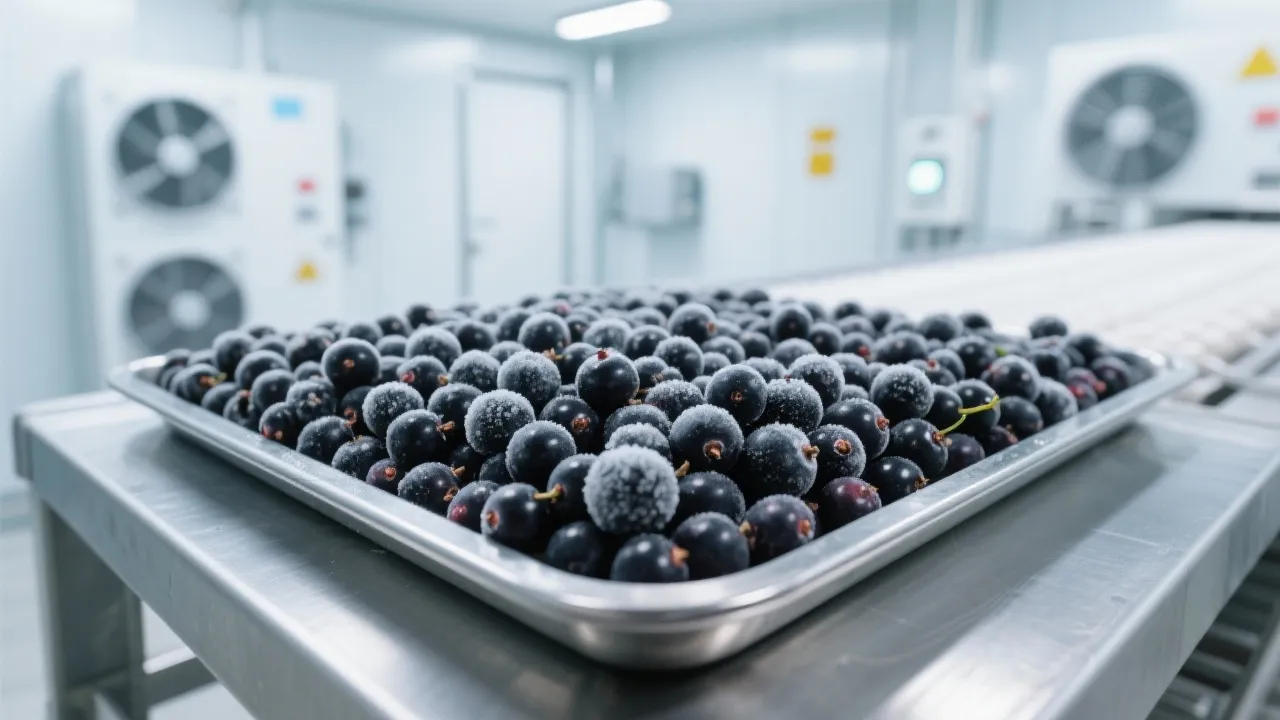
Individual Quick Freezing (IQF) technology has revolutionized raspberry preservation. When berries pass through IQF tunnels at -35°C to -40°C with air velocities of 6-8 m/s, they achieve complete freezing in just 8-12 minutes. This process forms small ice crystals that minimize cellular damage, resulting in a thawed product with 90%+ texture retention compared to slower freezing methods.
Implementation of ISO 22000 certification provides a comprehensive food safety management system that extends beyond HACCP. This globally recognized standard ensures traceability throughout the supply chain, with documentation requirements that track each batch from farm to finished product. For beverage manufacturers, this means the ability to quickly identify and isolate any potential issues, minimizing recall risks and protecting brand reputation.
Even with rigorous processes, quality challenges can arise. The following table outlines common issues, their root causes, and proven solutions:
| Quality Issue | Root Cause | Solution |
|---|---|---|
| Berry Softening | Excessive mechanical stress during harvesting/sorting | Adjust equipment settings, reduce conveyor speed by 15-20% |
| Discoloration | Enzymatic browning from extended exposure to oxygen | Reduce processing time to <2 hours from harvest to freezing |
| Off-flavors | Microbial growth due to temperature abuse | Implement continuous temperature monitoring with alerts |
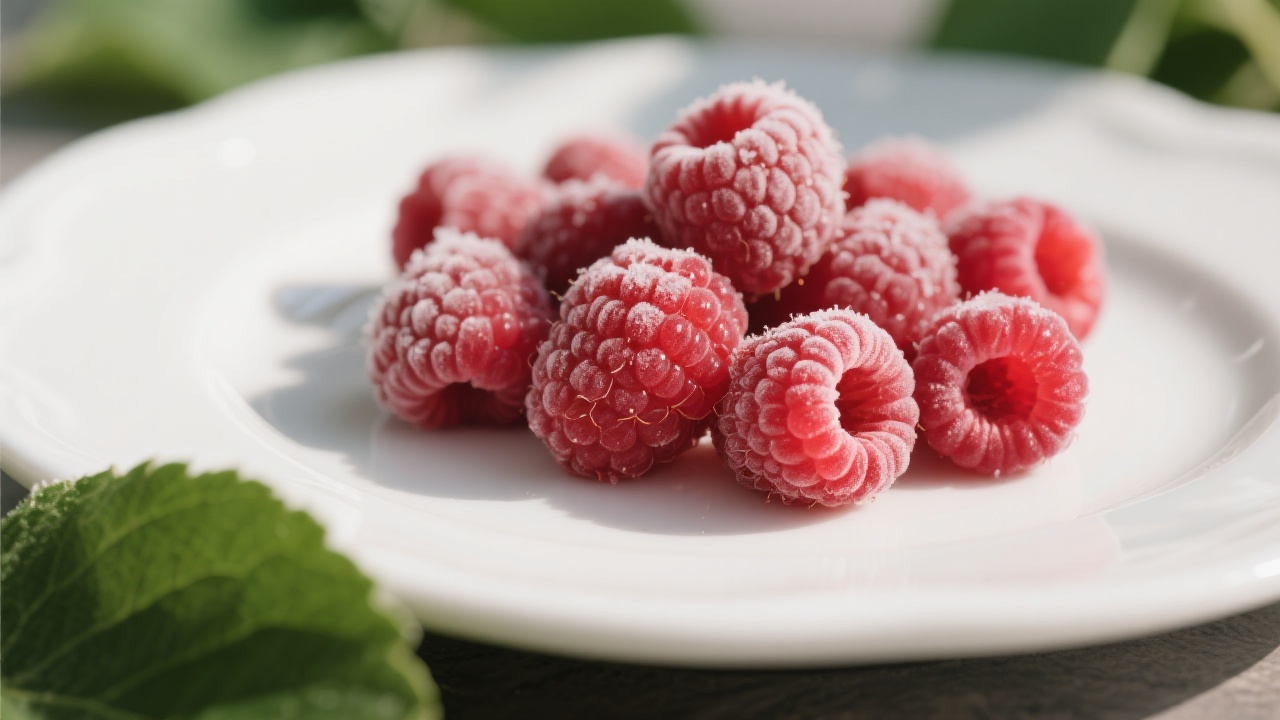
At 亿商桥, we understand that consistent quality in raw materials directly impacts your beverage products' success in the marketplace. Our commitment to standardized production processes—from carefully controlled harvesting to state-of-the-art freezing technology—ensures that you receive raspberry ingredients that meet the highest standards of quality, safety, and consistency.
By implementing rigorous SOPs, maintaining HACCP critical control points, and adhering to ISO 22000 standards, we provide beverage manufacturers with the reliability needed to create exceptional products consumers love. Our dedication to quality at every stage of production translates to fewer production disruptions, reduced waste, and ultimately, enhanced brand reputation for your business.
Discover how 亿商桥's standardized raspberry production can enhance your product consistency and market competitiveness.
Connect with Our Raspberry ExpertsThe information provided in this guide is based on current industry best practices and standards. Beverage manufacturers should conduct their own quality verification and ensure compliance with local regulatory requirements for their specific markets.

 455
|
455
|
 frozen blackberries in energy bars
maintain whole fruit shape
enhance antioxidant function
organic frozen blackberries
flash freezing technology
411
|
organic
frozen
blackberry
quality
cold
chain
management
technology
frozen
blackberry
processing
organic
certification
standards
nutrition
retention
technology
367
|
Halal Certification
Kosher Certification
Frozen Fruit Export
Food Supply Chain Compliance
Organic Frozen Blackberries
119
|
frozen blackberries
functional foods
health food trends
antioxidant-rich foods
U.S. and Europe market
423
|
high anthocyanin supplements
natural antioxidants
red raspberry extract
functional food R&D
anthocyanin health benefits
frozen blackberries in energy bars
maintain whole fruit shape
enhance antioxidant function
organic frozen blackberries
flash freezing technology
411
|
organic
frozen
blackberry
quality
cold
chain
management
technology
frozen
blackberry
processing
organic
certification
standards
nutrition
retention
technology
367
|
Halal Certification
Kosher Certification
Frozen Fruit Export
Food Supply Chain Compliance
Organic Frozen Blackberries
119
|
frozen blackberries
functional foods
health food trends
antioxidant-rich foods
U.S. and Europe market
423
|
high anthocyanin supplements
natural antioxidants
red raspberry extract
functional food R&D
anthocyanin health benefits


.png?x-oss-process=image/resize,h_100,m_lfit/format,webp)
.png?x-oss-process=image/resize,h_100,m_lfit/format,webp)
.png?x-oss-process=image/resize,h_100,m_lfit/format,webp)
 English


