.png?x-oss-process=image/resize,h_100,m_lfit/format,webp)
.png?x-oss-process=image/resize,h_100,m_lfit/format,webp)
.png?x-oss-process=image/resize,h_100,m_lfit/format,webp)
 English
For product managers and formulation engineers, “raspberry” is not a single ingredient—it is a moving target shaped by terroir, harvest timing, and processing. In premium nutrition beverages, the cost of choosing the wrong natural red raspberry material is rarely visible on the invoice; it shows up later as fading color, unstable actives, inconsistent sensory profiles, and claims that underperform in shelf-life validation.
This research-style guide focuses on how origin selection and processing strategy influence two marquee actives—anthocyanins and vitamin C—and how to align raw material decisions with export-grade compliance (e.g., ISO 22000) without wasting budget on functionality that won’t survive your process.
Origin Matters: Why “Growing Environment” Shows Up in Your Stability Data
Natural red raspberry (Rubus idaeus) quality is tightly linked to climatic stress, altitude, day–night temperature swing, soil organic matter, and sunlight exposure—factors that influence secondary metabolites. In practice, this means two lots that look similar can deliver very different performance in a beverage matrix.
Field-to-Formula Signals Buyers Should Ask For
- Typical anthocyanin range (as cyanidin-3-glucoside equivalents): often 120–350 mg/100 g fresh weight depending on cultivar and climate.
- Vitamin C: commonly 20–35 mg/100 g fresh weight, but can drop quickly with delayed cooling and oxygen exposure.
- °Brix and titratable acidity (for sensory + formulation): higher °Brix often correlates with riper fruit but can come with softer tissue and faster oxidation.
- Residue and heavy metal risk profile: tied to local regulation and farm controls; must be managed for EU/US beverage supply chains.
From a beverage R&D standpoint, stable color and functional retention are the goal. Regions with cooler nights and adequate sunlight often support stronger pigment accumulation; meanwhile, hot harvest windows without rapid post-harvest cooling can accelerate enzymatic and oxidative loss, especially for vitamin C.
Harvest Timing: The Difference Between “Red” and “Ready”
Harvest timing is one of the most underestimated levers in premium ingredient sourcing. For red raspberries, full red coloration does not automatically mean optimal active retention. Overripe fruit may deliver a pleasant aroma but can be more prone to tissue breakdown, higher enzymatic activity, and faster degradation during transport.
Practical Spec Language for Procurement
Instead of broad terms like “ripe,” buyers can specify harvest and handling conditions that translate into lab outcomes:
- Harvest-to-cooling time: target < 4 hours in warm seasons to protect vitamin C and aroma.
- Core temperature after pre-cooling: typically 0–4°C before freezing or drying.
- Sorting standard: defined limits on mold, bruising, and foreign matter to protect microbial load and oxidation catalysts.
In beverage applications (especially low-pH functional drinks), the real question is not “How good does the fruit look?” but “Will actives and color remain predictable after your pasteurization, homogenization, and storage cycle?”
Pre-Treatment Controls Quality Before Processing Starts
Cleaning, screening, and gentle handling are not “basic steps”—they are the first stability intervention. For premium nutrition beverages, pre-treatment influences microbial risk, off-notes, and oxidation potential. Over-aggressive washing can increase mechanical damage and leach water-soluble compounds; under-washing raises foreign matter and compliance risk.
Common QC Checkpoints That Reduce Downstream Loss
- Foreign matter control: sieve + visual + metal detection; report as ppm or defects/kg.
- Micro targets: total plate count, yeast & mold aligned with beverage ingredient specs (typically tightened vs. retail fruit).
- Oxidation control: minimize air exposure; use rapid freezing or controlled drying start to reduce enzymatic browning.
- Uniformity: particle size and moisture targets tailored to your dosing accuracy and dissolution behavior.
Processing Comparison: Freeze-Dried vs. Hot-Air Dried vs. Frozen Whole Fruit
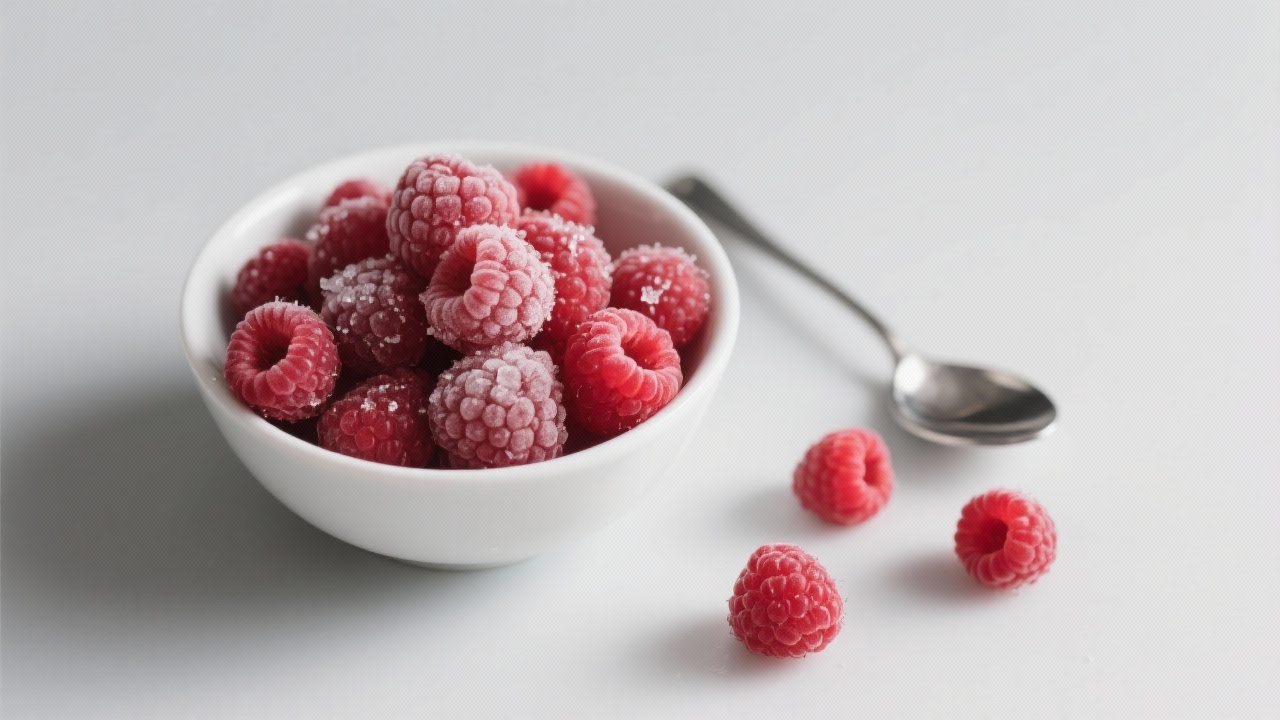
For premium nutrition beverages, processing choice is not a cost-only decision. It directly affects active retention, color stability, aroma integrity, transport economics, and ease of use on the production line. Below is a practical comparison using commonly observed industry ranges (final results vary by cultivar, slice size, oxygen exposure, and packaging barrier).
| Processing form | Anthocyanin retention (typical) | Vitamin C retention (typical) | Strengths in beverages | Trade-offs / watch-outs |
|---|---|---|---|---|
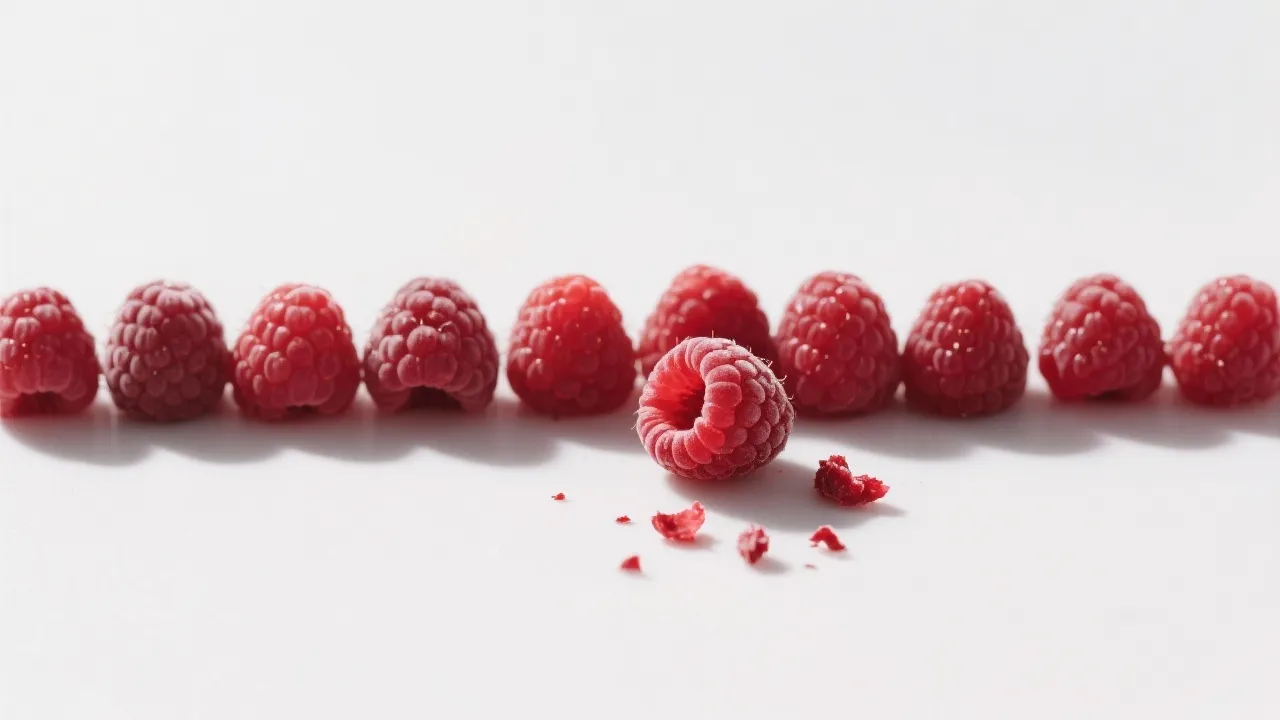
| Freeze-dried (powder / pieces) | ~85–95% | ~75–90% | High color/active preservation; low water activity; fast dosing; good for premium “clean label” positioning. | Higher cost; hygroscopic—needs high-barrier packaging; powder can oxidize if moisture/oxygen ingress occurs. |
| Hot-air dried | ~45–70% | ~30–60% | Cost-effective; easier logistics; suitable when actives are not the headline claim and flavor is the priority. | Heat and oxygen accelerate losses; higher risk of cooked notes and darker color; retention varies widely by process control. |
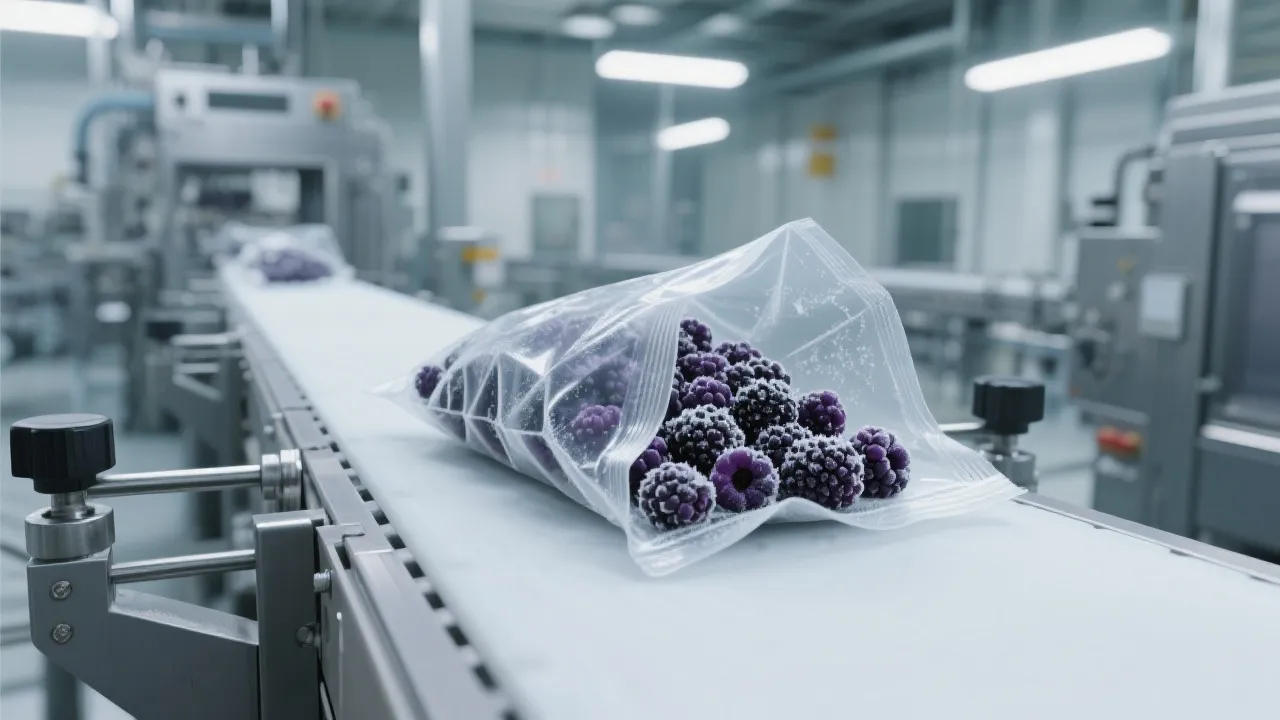
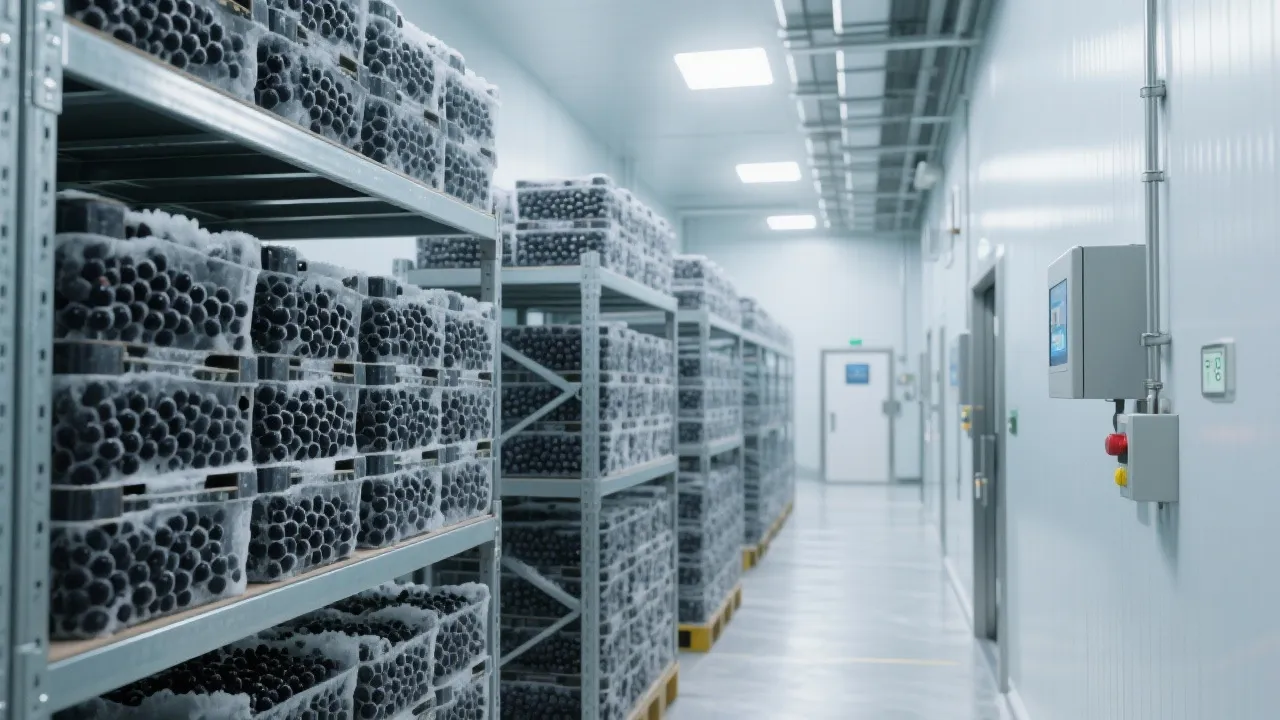
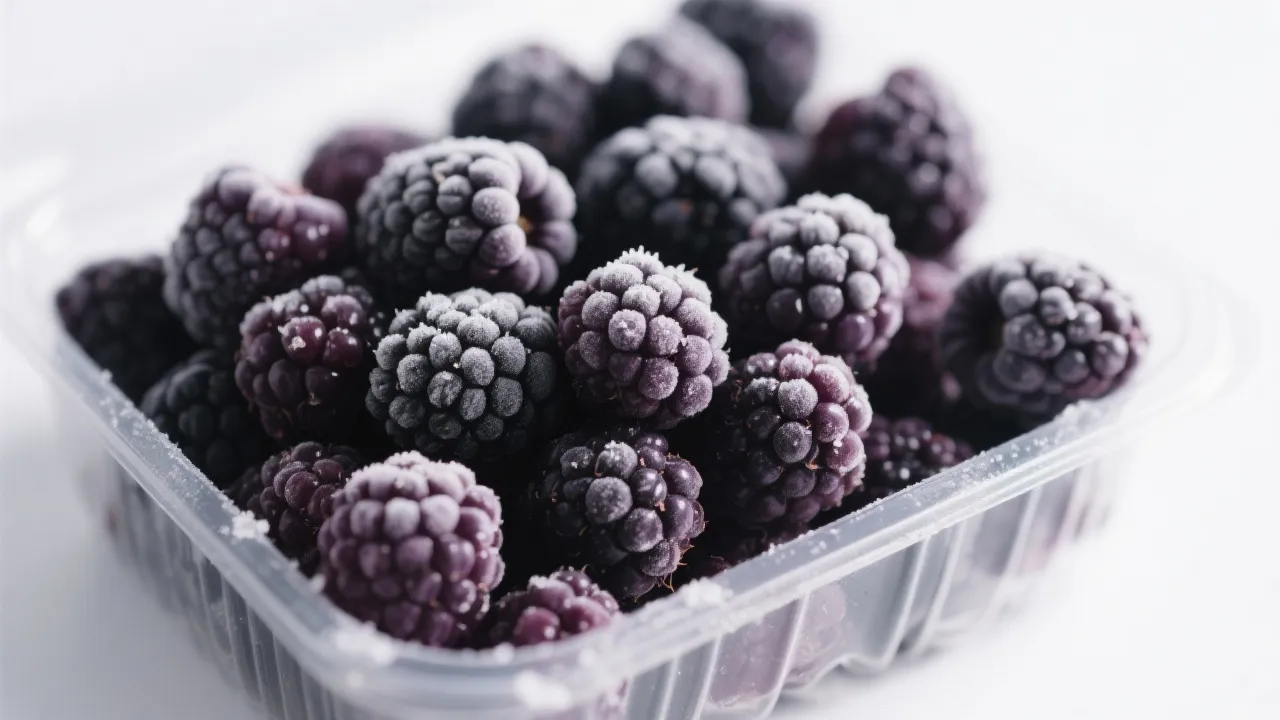
| Frozen whole fruit (IQF) | ~70–90% | ~55–80% | Good sensory; flexible for purees; minimal thermal impact; strong for “real fruit” narratives. | Cold chain required; variable drip loss after thawing; batch-to-batch dosing less precise unless standardized. |
For premium functional beverages that must keep a vivid natural red hue, freeze-dried materials often provide the most reliable performance per unit of active delivered. For smoothies or “whole-food” style beverages, IQF fruit may win on texture and freshness cues—provided the supply chain can protect it. Hot-air dried ingredients can work well when the target is flavor and affordability, but they require more careful claim planning to avoid overpromising.
Export Compliance: ISO 22000 Is Not a Badge—It’s a Risk Filter
Ingredient quality for B2B is ultimately proven by documentation and repeatability. For export-oriented beverage brands, compliance alignment reduces recall probability, speeds up customer audits, and improves negotiation confidence. ISO 22000 (Food Safety Management Systems) is widely used as a baseline, often combined with HACCP and GMP programs.
Documentation Buyers Commonly Request (and Why)
COA (Certificate of Analysis): confirms moisture, microbiology, and active markers; crucial for incoming QC and claim substantiation.
Traceability records: farm/lot mapping lowers risk during investigations and supports retailer compliance.
Allergen & contamination statements: especially important when sharing facilities or using carrier ingredients in powders.
Residue/heavy metal testing: helps meet EU and US requirements; reduces border hold and customer rejection risk.
In real procurement, the best suppliers don’t simply present certificates—they can explain their control points and show consistency across seasons. That consistency is what keeps premium beverage SKUs from drifting in color and taste month after month.
How to Avoid “Functional Failure”: Simple Screening That Saves R&D Cycles
A common failure pattern is selecting a visually attractive raspberry ingredient, then discovering actives drop sharply after pasteurization or during ambient storage. A more reliable approach is to connect raw material specs to your product reality—pH, thermal load, oxygen exposure, and packaging barrier.
Buyer-Friendly Testing & Acceptance Ideas
- Anthocyanin assay: pH differential method (fast, cost-effective) plus periodic HPLC verification for key SKUs.
- Vitamin C assay: HPLC or validated titration; include an oxygen-exposure challenge if your line has high headspace oxygen.
- Accelerated stability: 2–4 weeks at elevated temperature to compare suppliers before committing to long trials.
- Color metrics: track L*, a*, b* and haze in your actual beverage matrix, not just in water.
These steps are not academic. They help teams avoid paying for “premium” ingredients that can’t carry premium performance through processing, shipping, and shelf life.
Where E-BizBridge Fits: Premium-Grade Natural Red Raspberry Materials Built for Beverage Brands
For B2B buyers building high-end nutrition beverages, E-BizBridge focuses on raw material consistency that translates into formulation confidence: stable sensory profiles, controlled moisture and microbiology, and documentation readiness for export-facing supply chains. Their raspberry ingredient options are designed to support clean-label positioning while maintaining practical manufacturing performance—especially when the goal is to preserve natural color and functional markers across real-world handling.
Ready to benchmark your current raspberry against a higher-retention option?
If your team is evaluating freeze-dried raspberry powder, dried pieces, or IQF fruit for premium beverages, E-BizBridge can share typical COA parameters, application guidance, and suggested incoming QC checkpoints—so you can qualify faster and reduce reformulation loops.
For teams that already have a preferred origin, the fastest way to upgrade performance is often not switching regions—but tightening harvest-to-cooling controls, choosing the right processing format for your claim strategy, and locking documentation to an export-ready standard.