
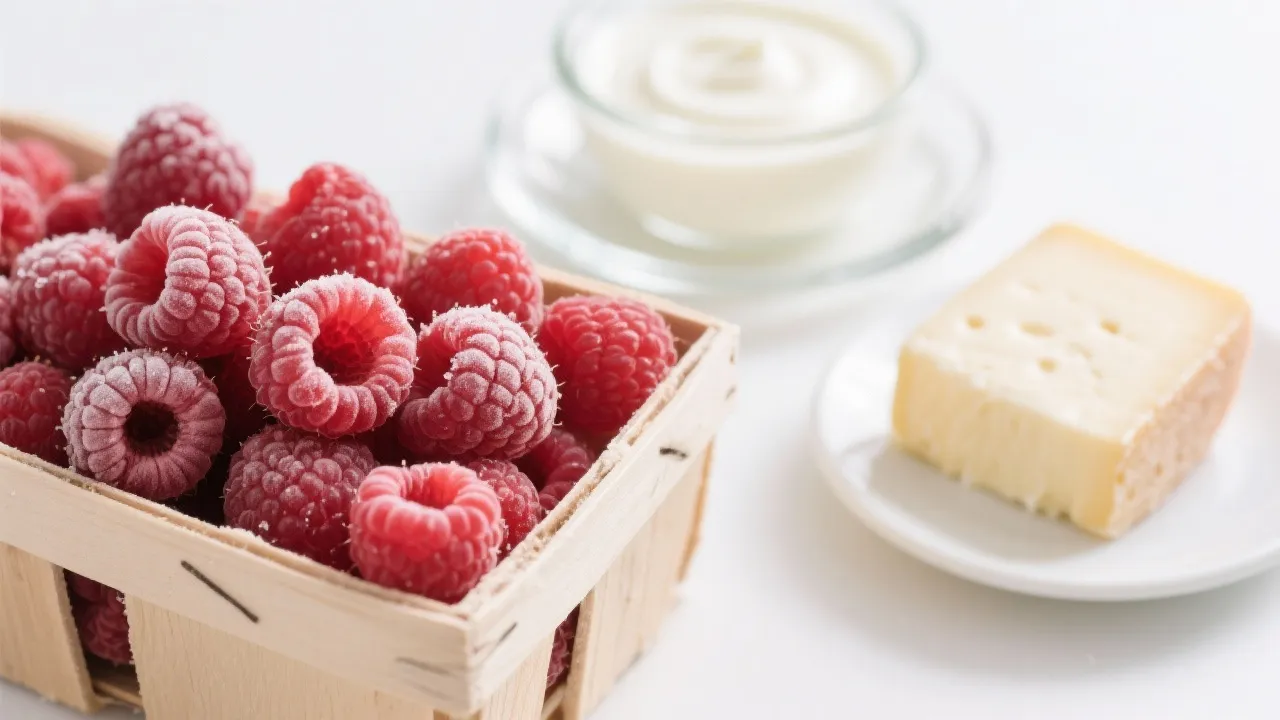
In the competitive beverage industry, the quality of raw materials directly determines the final product's success. For companies specializing in fruit-based drinks, frozen red raspberries serve as a critical ingredient that demands exceptional quality control throughout the supply chain. This comprehensive guide explores the standardized production process of whole frozen red raspberries, highlighting key quality control measures and best practices that can help beverage manufacturers build a reliable, compliant, and high-quality raw material supply chain.
Achieving consistent quality in frozen red raspberries requires meticulous attention to detail across five interconnected stages. Each stage presents unique challenges and opportunities for quality control, ultimately determining the product's suitability for beverage production.
The harvesting stage sets the foundation for product quality. Red raspberries reach peak ripeness approximately 30-35 days after flowering, with optimal picking occurring when fruits exhibit a deep red color, slight softness, and easily detach from the receptacle. Professional harvesters must handle berries with extreme care to prevent bruising, which can lead to enzymatic browning and texture degradation.
Mechanical harvesting, while efficient for large-scale operations, requires precise calibration to minimize fruit damage. Studies show that hand-harvested raspberries maintain 15-20% better texture and appearance compared to mechanically harvested berries, though at a higher labor cost. For premium beverage applications, many producers opt for selective hand harvesting to ensure only the highest quality fruits enter the processing line.
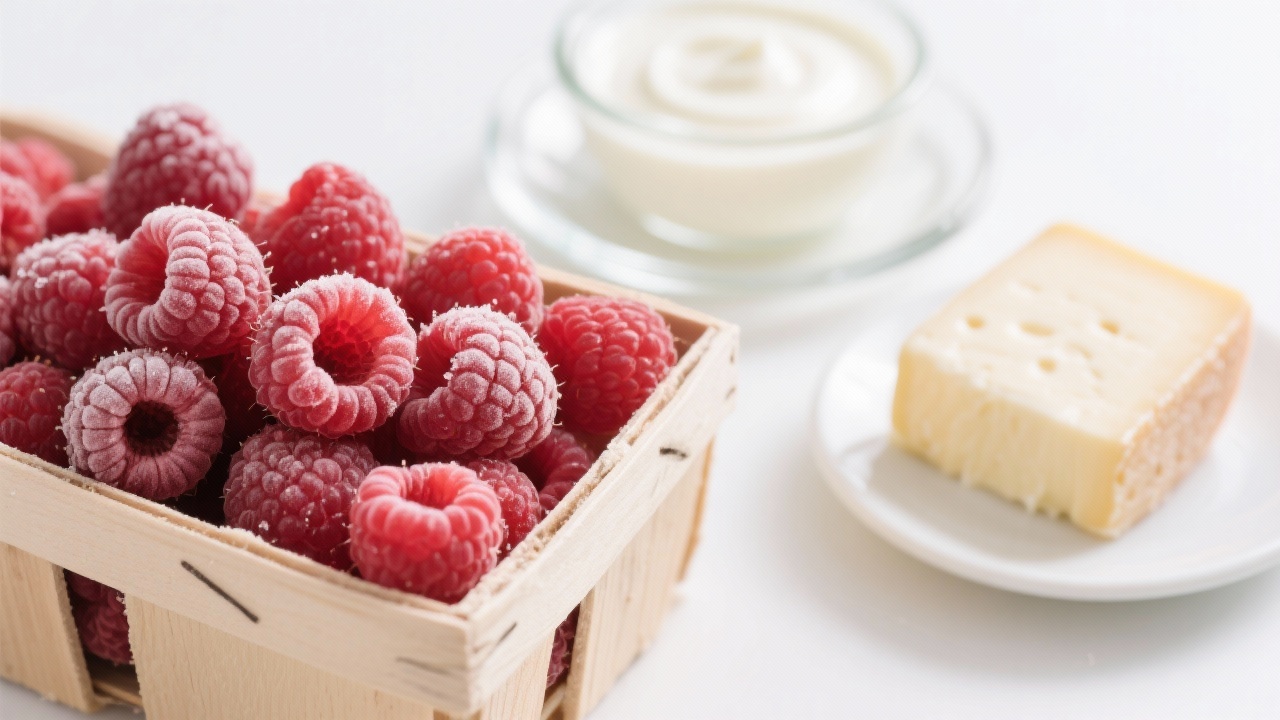
Post-harvest sorting is critical for maintaining consistent quality. Modern processing facilities utilize optical sorting systems that can inspect up to 5,000 berries per second, identifying and removing defective fruits based on color, size, and shape. The United States Department of Agriculture (USDA) has established grading standards for raspberries, with Grade A berries requiring at least 90% of fruits to be free from defects and uniform in size.
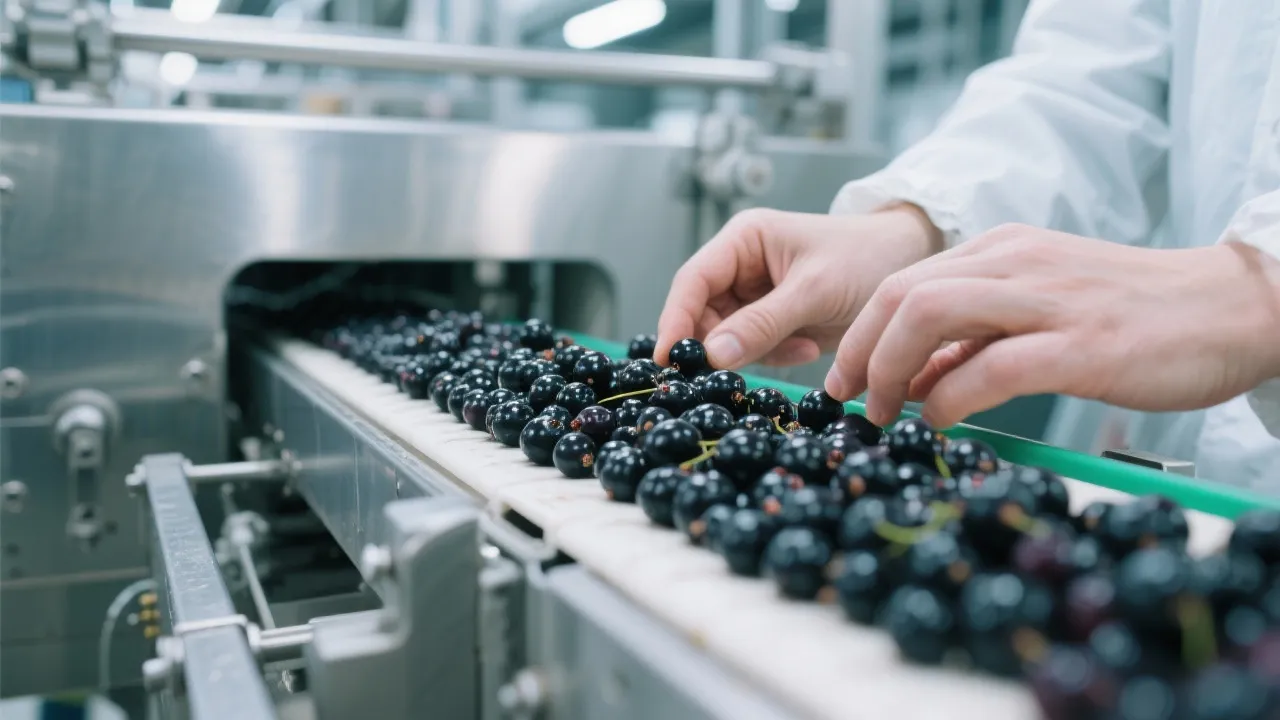
Manual sorting stations complement automated systems, with trained inspectors removing any remaining defective berries. This dual approach ensures that only berries meeting strict quality criteria proceed to further processing. Size grading is particularly important for beverage manufacturers, as uniform berry size contributes to consistent flavor extraction and processing efficiency.
Proper cleaning is essential for food safety while preserving fruit integrity. The washing process typically involves multiple stages, starting with a gentle water rinse to remove surface debris, followed by a sanitization step using approved food-grade sanitizers. Chlorine-based sanitizers are commonly used at concentrations between 50-100 ppm, though some facilities are adopting chlorine alternatives for improved safety profiles.
The duration and pressure of washing must be carefully controlled to prevent fruit damage and nutrient loss. Studies indicate that an optimal washing cycle of 30-45 seconds at 10-15 psi (pounds per square inch) effectively reduces microbial load while minimizing fruit softening. After washing, berries pass through a gentle drying process to remove excess moisture, which helps maintain texture during freezing.
ISO 22000 Standard Reference: "The organization shall establish, implement and maintain a documented procedure to ensure that work in progress and finished products are handled, stored and transported under conditions that prevent contamination, deterioration or damage, and ensure food safety." (ISO 22000:2018, Clause 8.5.3)
Rapid pre-cooling is critical for preserving raspberry quality and extending shelf life. Ideally, berries should be cooled to 4°C (39°F) within 1 hour of harvest to slow enzymatic activity and microbial growth. Forced-air cooling systems are most commonly used, capable of reducing berry temperature from field heat (typically 20-25°C) to storage temperature in 30-45 minutes.
Maintaining the cold chain throughout processing is essential. Temperature fluctuations during pre-cooling can cause condensation on berries, leading to ice crystal formation during freezing and subsequent texture degradation. Advanced facilities implement continuous temperature monitoring systems with real-time alerts for any deviations from optimal conditions.
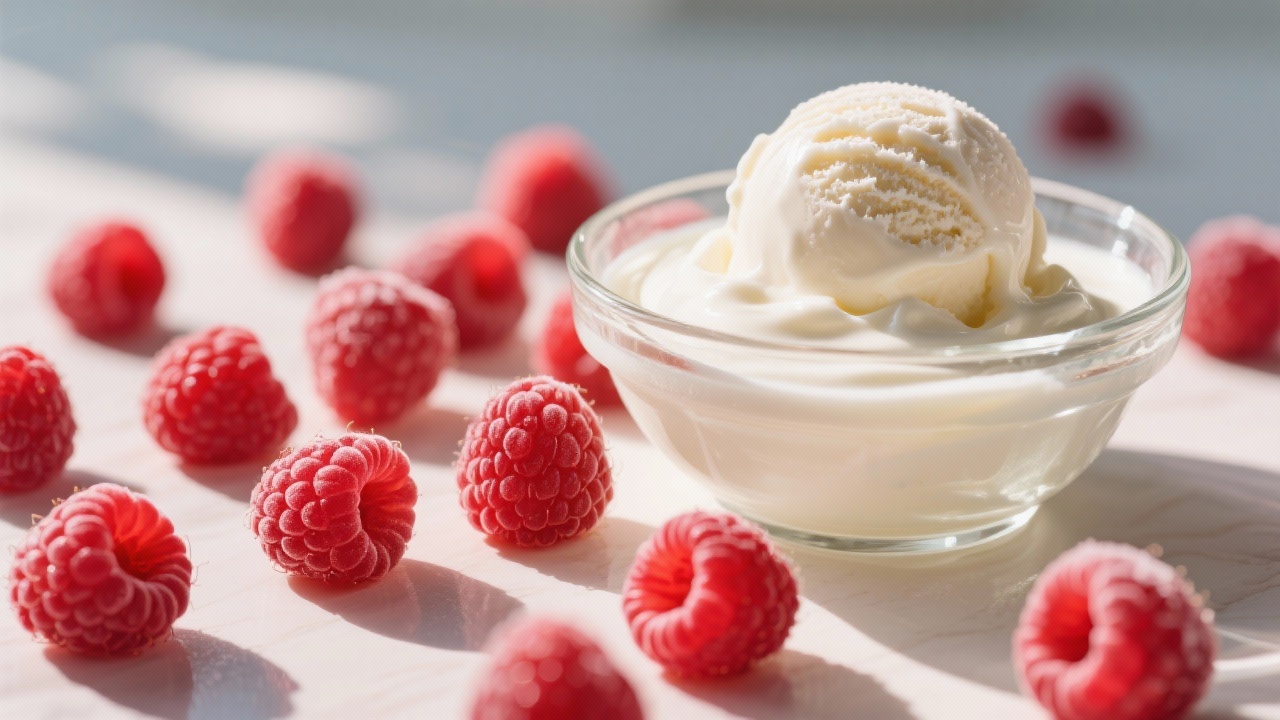
The freezing process significantly impacts the final quality of frozen raspberries. Individual Quick Freezing (IQF) technology is widely recognized as the superior method, flash-freezing berries at temperatures as low as -35°C (-31°F) within minutes. This rapid freezing minimizes ice crystal formation, preserving cellular structure and resulting in better texture and flavor retention upon thawing.
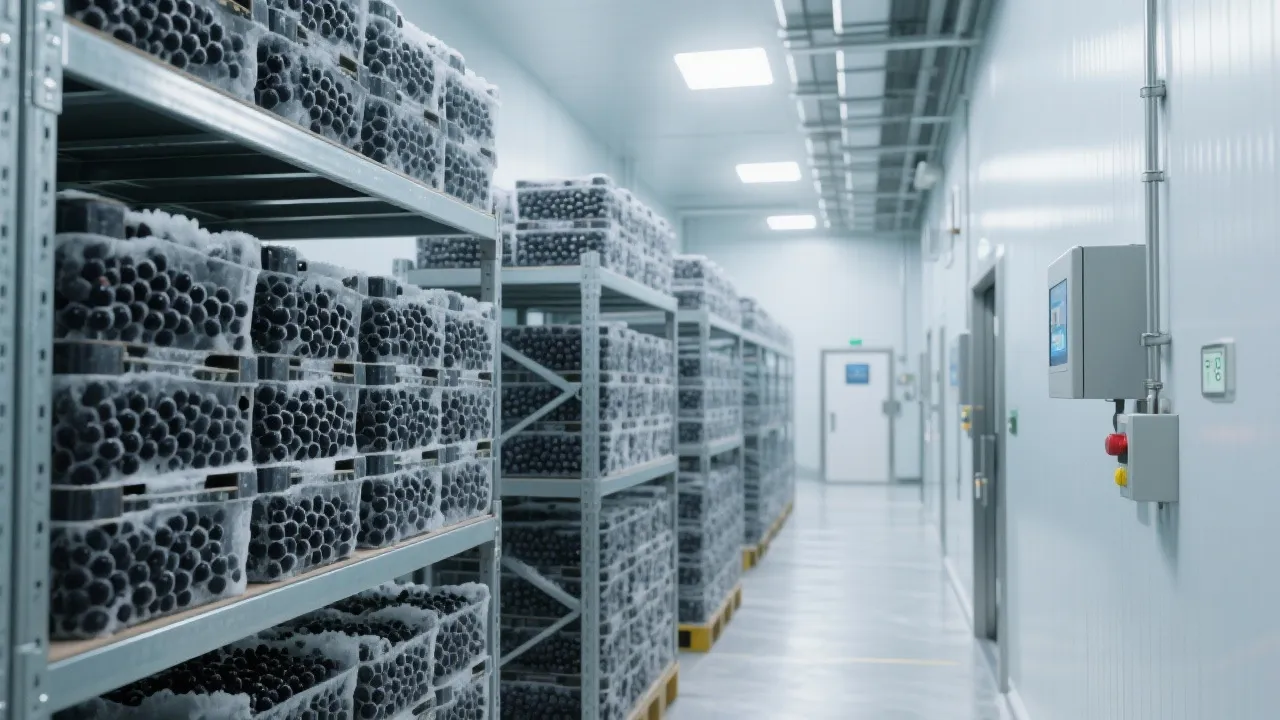
Once frozen, raspberries should be stored at a consistent temperature of -18°C (0°F) or lower. Fluctuating storage temperatures can cause "freezer burn," characterized by dehydration and oxidative damage. Properly frozen and stored raspberries maintain optimal quality for 12-18 months, though beverage manufacturers typically use raw materials within 6-9 months for peak flavor.
The Hazard Analysis and Critical Control Point (HACCP) system provides a systematic approach to identifying and controlling potential food safety hazards throughout the processing chain. For red raspberry production, several critical control points (CCPs) require careful monitoring:
Problem: A beverage manufacturer experienced inconsistent color and texture in their raspberry puree, with occasional off-flavors.
Root Cause Analysis: Through traceability records, the issue was traced to variable harvesting maturity and inconsistent pre-cooling times. Berries harvested slightly underripe exhibited pale color, while those harvested overripe became overly soft during processing.
Solution: Implemented stricter harvesting maturity standards with color measurement tools, reduced pre-cooling time from 90 to 45 minutes, and added a secondary sorting step for color uniformity. These measures resulted in 85% reduction in color variation and 90% elimination of texture issues.
ISO 22000 certification provides a framework for establishing a robust food safety management system, with particular emphasis on traceability. For red raspberry processors, this involves implementing comprehensive record-keeping throughout the supply chain, from farm to finished product.
Each batch of raspberries should be assigned a unique lot code that tracks: farm origin, harvest date, processing date, equipment used, quality test results, and storage conditions. This level of traceability enables rapid identification and isolation of any products that may pose safety concerns, minimizing recall scope and associated costs.
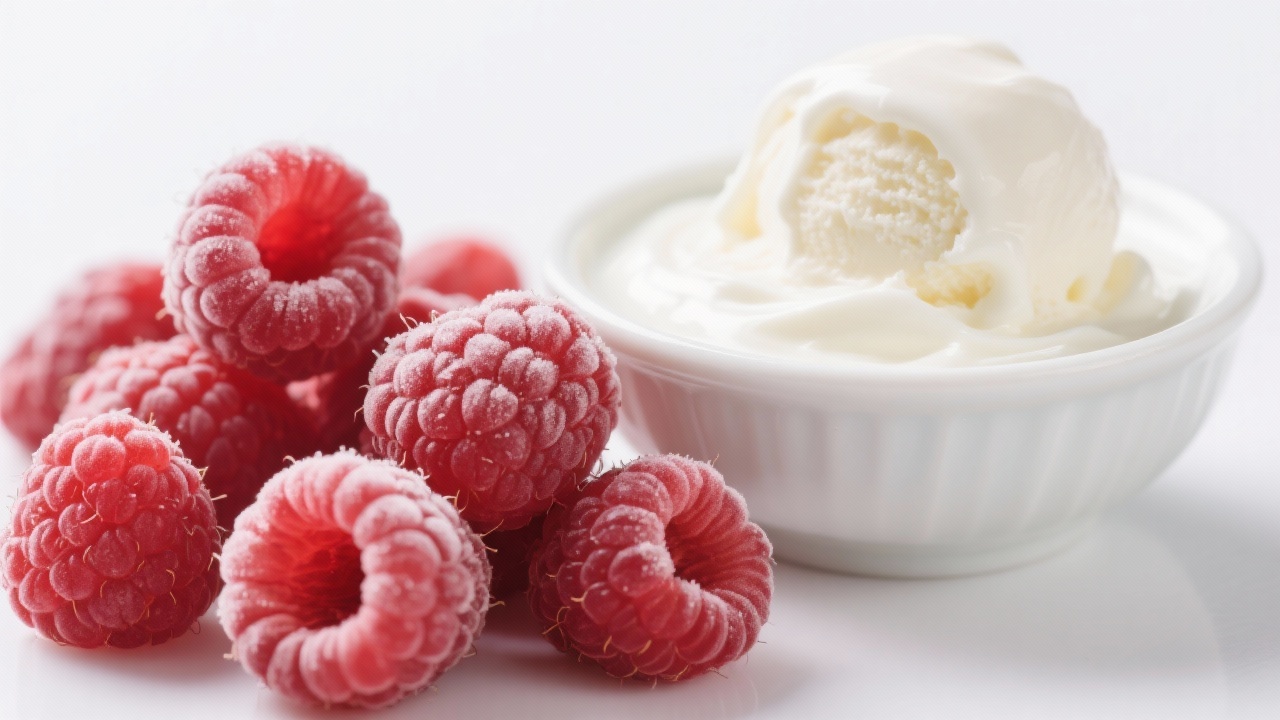
Beverage manufacturers should verify that their red raspberry suppliers maintain ISO 22000 certification and can provide comprehensive traceability documentation. This not only ensures regulatory compliance but also provides consumers with confidence in the safety and quality of the final product.
Partner with 亿商桥 (Yishangqiao) to secure a reliable supply of premium frozen red raspberries that meet the highest industry standards. Our commitment to quality and food safety ensures your beverage products maintain consistent flavor, color, and texture batch after batch.
Discover Our Red Raspberry Supply SolutionsIn an industry where product differentiation is key, the quality of your raw materials can be a decisive competitive advantage. By implementing the standardized processes outlined in this guide and partnering with suppliers who prioritize food safety and quality control, beverage manufacturers can ensure consistent product quality while building consumer trust and brand loyalty.
Remember that successful frozen red raspberry processing is not just about meeting minimum standards, but about establishing a culture of continuous improvement and attention to detail at every stage of the supply chain. This commitment to excellence will ultimately translate into better products, happier customers, and a stronger market position.

 159
|
159
|
 Halal Kosher frozen fruit
frozen berry export compliance
Halal Kosher certification standards
international food raw material certification
Yishangqiao organic frozen blackberries
128
|
cold chain logistics for fruits and vegetables
frozen fruit and vegetable quality control
-18℃ fresh-locking technology
HACCP in cold chain
ISO 22000 supply chain compliance
66
|
flash freezing technology
blackberry nutrition retention
IQF blackberries
anthocyanin preservation
food freezing process
290
|
frozen blackcurrant whole fruit rate
blackcurrant freezing technology
frozen fruit for jam
juice processing raw materials
frozen fruit whole fruit rate control
93
|
frozen blackcurrants
whole fruit rate control
three-stage manual sorting
EU import standards
HACCP certification
Halal Kosher frozen fruit
frozen berry export compliance
Halal Kosher certification standards
international food raw material certification
Yishangqiao organic frozen blackberries
128
|
cold chain logistics for fruits and vegetables
frozen fruit and vegetable quality control
-18℃ fresh-locking technology
HACCP in cold chain
ISO 22000 supply chain compliance
66
|
flash freezing technology
blackberry nutrition retention
IQF blackberries
anthocyanin preservation
food freezing process
290
|
frozen blackcurrant whole fruit rate
blackcurrant freezing technology
frozen fruit for jam
juice processing raw materials
frozen fruit whole fruit rate control
93
|
frozen blackcurrants
whole fruit rate control
three-stage manual sorting
EU import standards
HACCP certification





.png?x-oss-process=image/resize,h_100,m_lfit/format,webp)
.png?x-oss-process=image/resize,h_100,m_lfit/format,webp)
.png?x-oss-process=image/resize,h_100,m_lfit/format,webp)
 English


