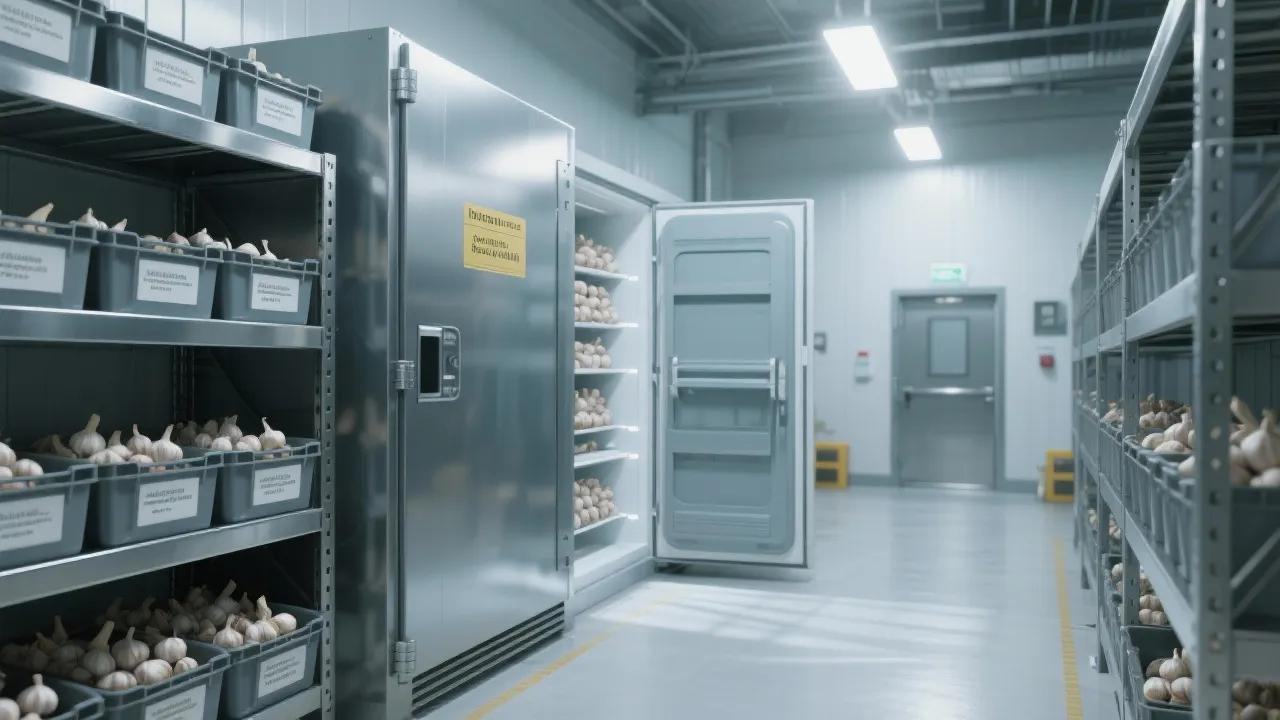
In the competitive landscape of the food industry, maintaining the nutritional integrity of delicate berries like red raspberries during storage and transportation presents significant challenges. As consumer demand for nutrient-dense ingredients grows, food manufacturers are seeking reliable solutions to preserve critical compounds such as vitamin C and anthocyanins. This article explores the scientific principles behind effective frozen preservation techniques and outlines best practices for maintaining product quality throughout the supply chain.
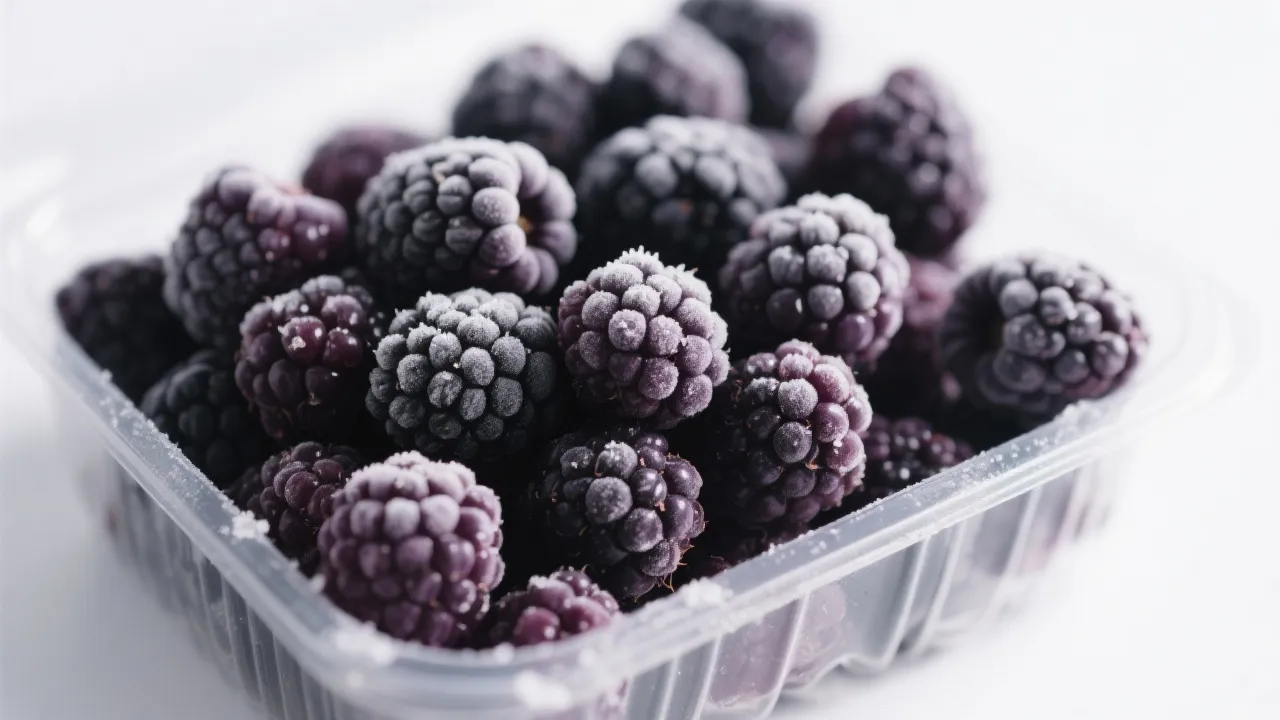
Red raspberries (Rubus idaeus) are celebrated for their exceptional nutritional profile, containing approximately 26.2 mg of vitamin C per 100g serving—surpassing the vitamin C content of many citrus fruits. These vibrant berries also contain 14.5 mg/100g of anthocyanins, powerful antioxidants associated with numerous health benefits including reduced inflammation and improved cardiovascular health.
Industry Insight:
Research indicates that conventional preservation methods can result in vitamin C losses of up to 40% within 72 hours of harvest, while anthocyanin degradation can reach 35% under improper storage conditions.
These sensitive bioactive compounds are highly susceptible to degradation from temperature fluctuations, oxygen exposure, and light. Without proper preservation techniques, food processors risk receiving raw materials with significantly diminished nutritional value and aesthetic appeal.
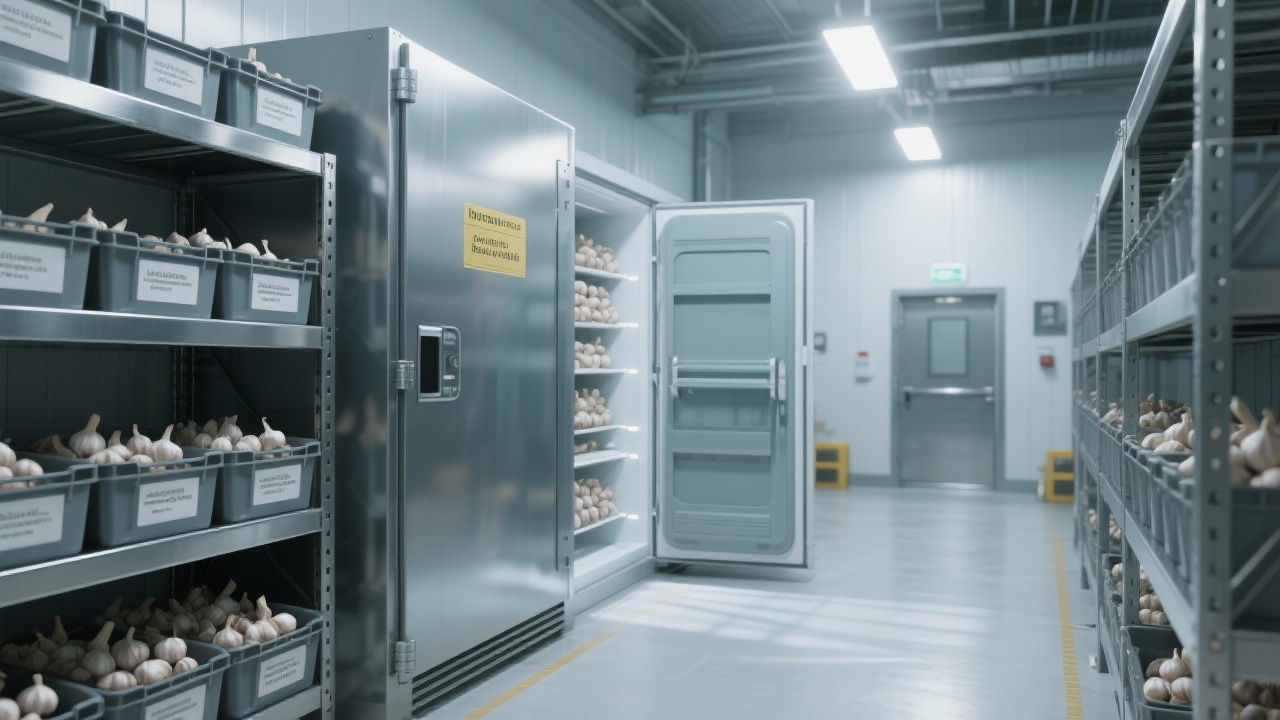
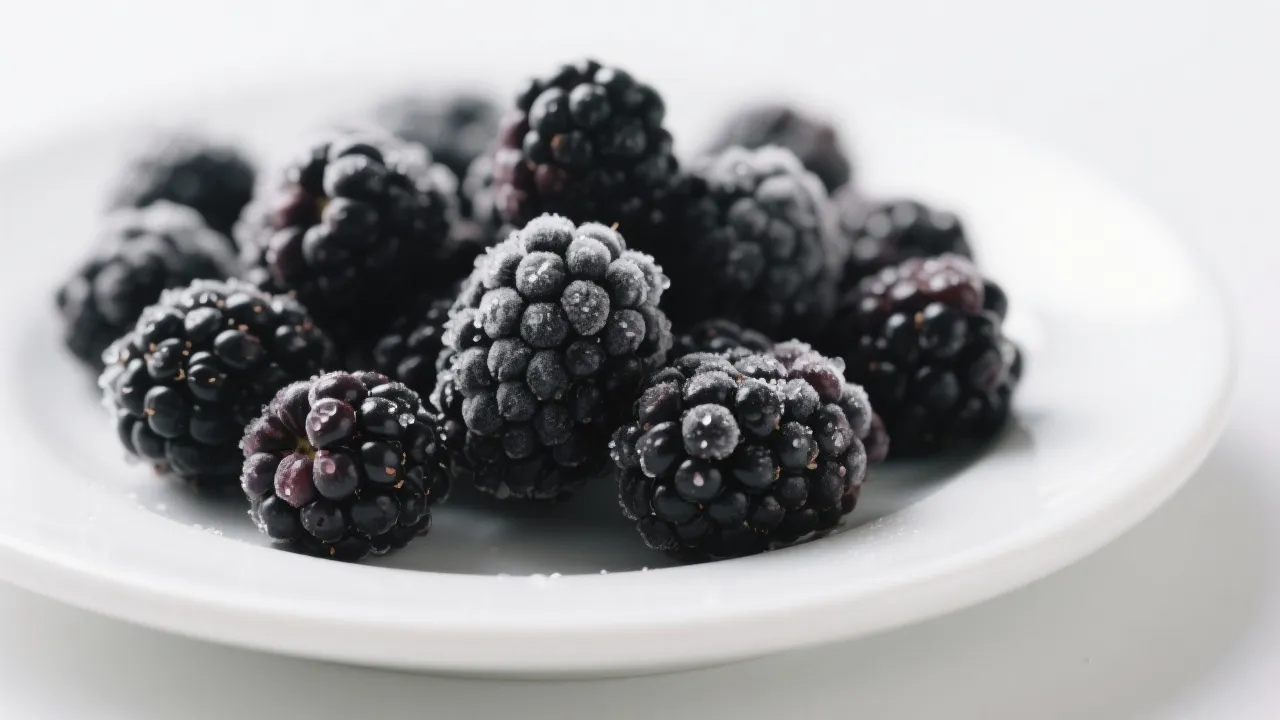
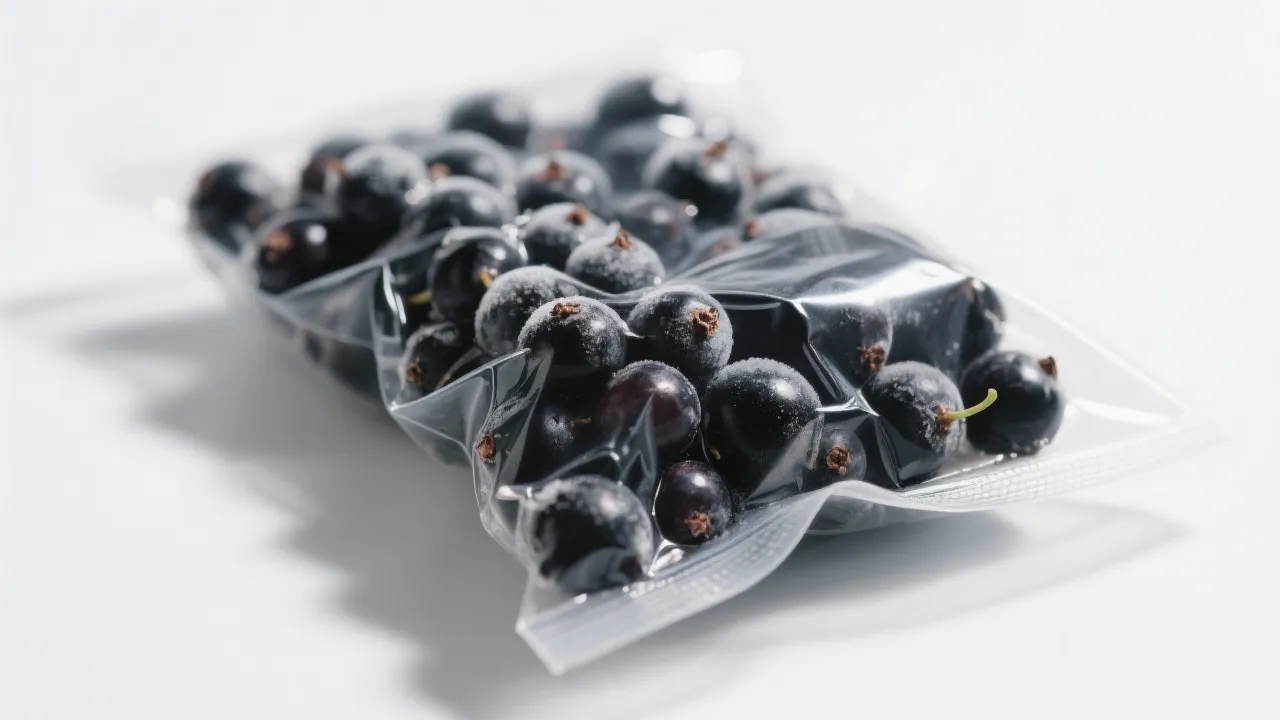
Successful preservation begins immediately after harvest with a rapid freezing process. The optimal temperature for preserving red raspberries is -18°C (0°F), which effectively halts enzymatic activity and microbial growth. This temperature should be maintained consistently throughout the supply chain to prevent freeze-thaw cycles that cause cellular damage and nutrient leakage.
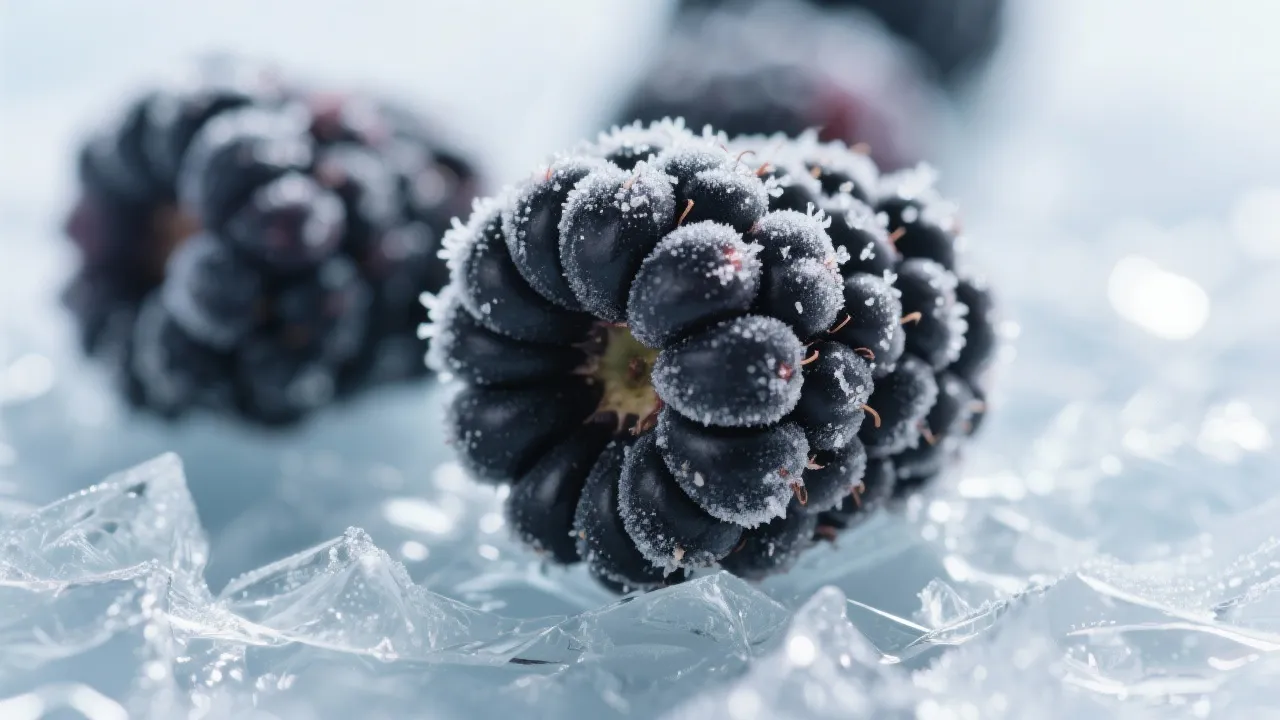
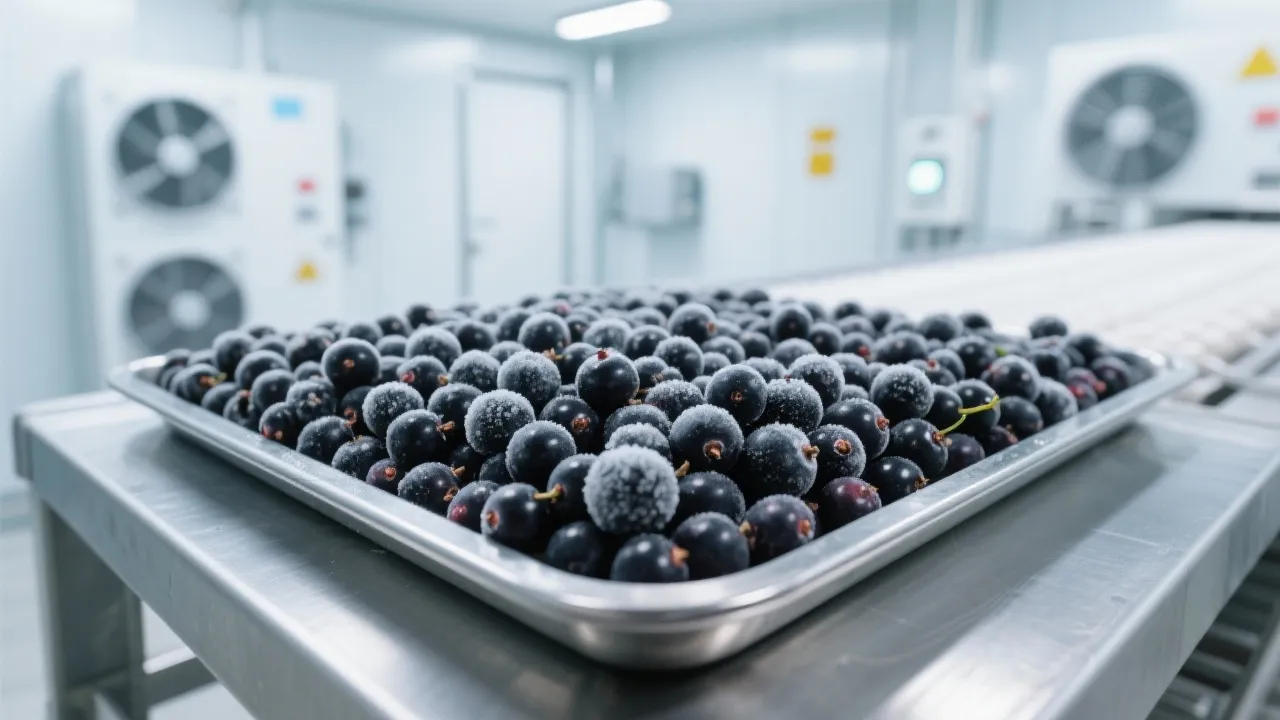
The freezing process should ideally occur within 2 hours of harvest, using either individual quick freezing (IQF) or blast freezing technologies. These methods create small ice crystals that minimize cellular rupture, preserving both the structural integrity and nutritional content of the berries.
Supplementing frozen storage with controlled atmosphere (CA) technology can further enhance preservation. By adjusting oxygen levels to 2-3% and carbon dioxide levels to 5-10%, food processors can reduce oxidative degradation of sensitive compounds. When combined with proper frozen storage, this technology can extend the shelf life of red raspberries to 18-24 months while maintaining acceptable nutritional levels.
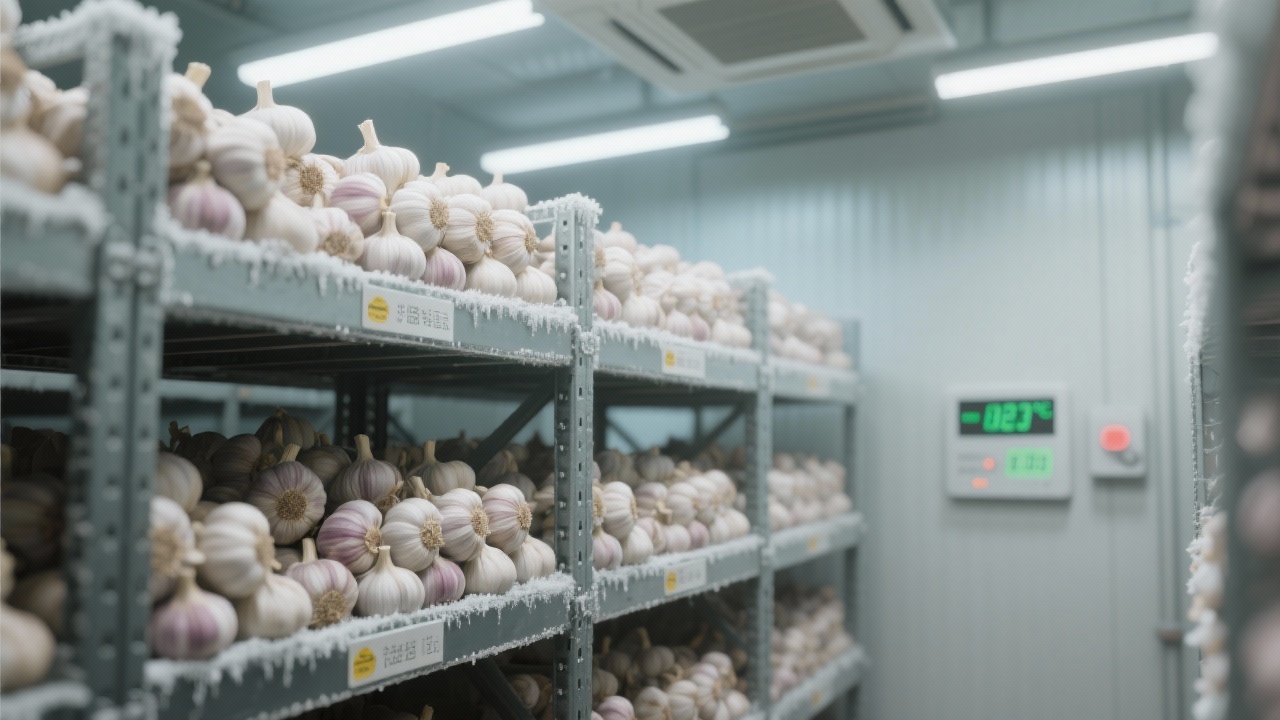
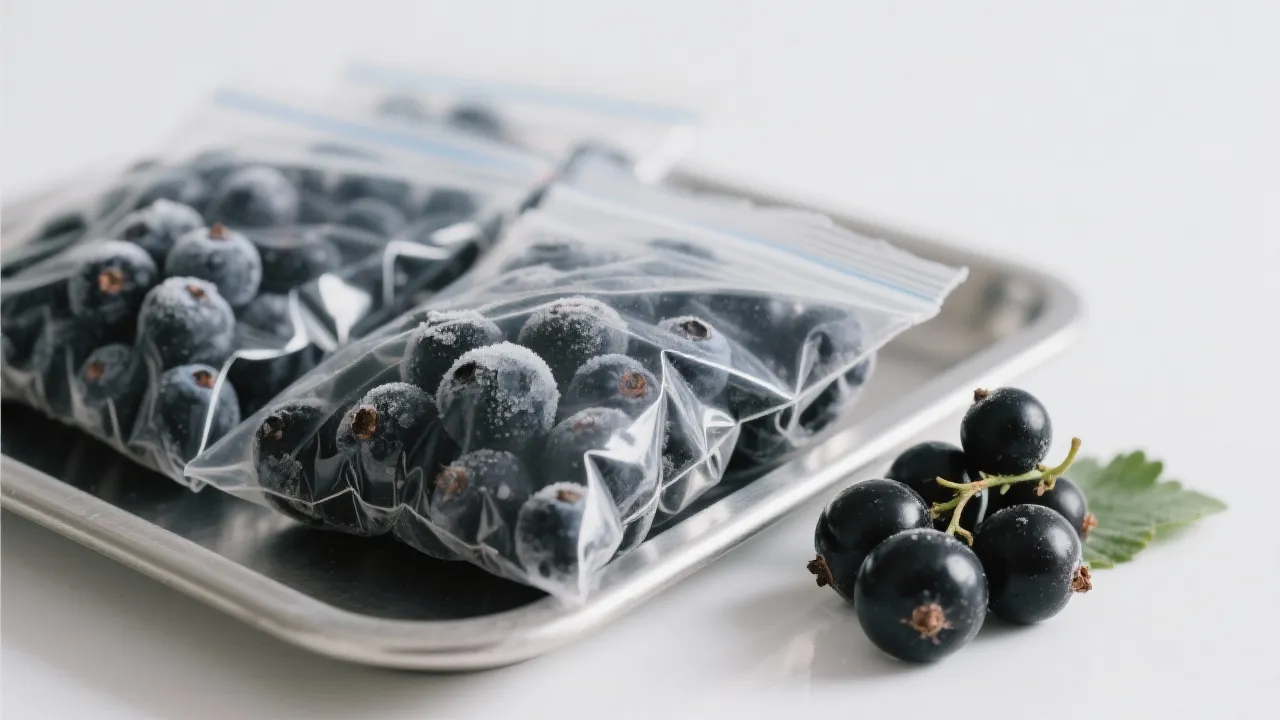
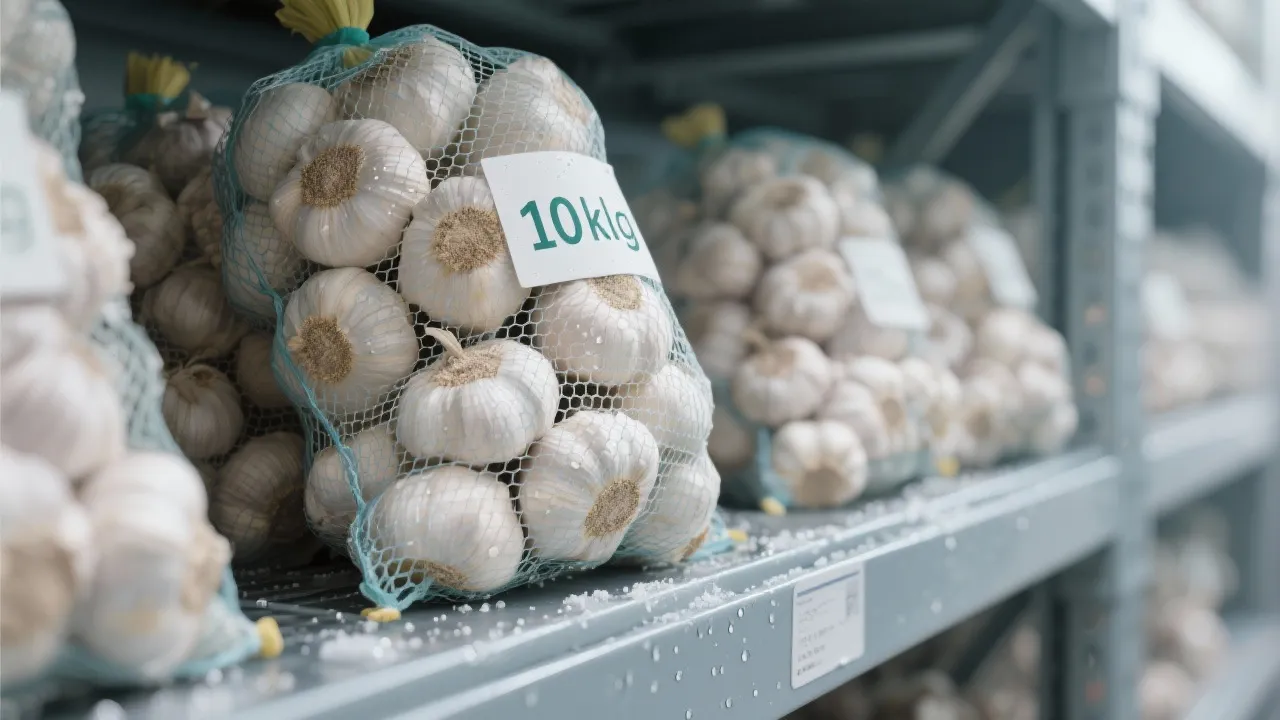
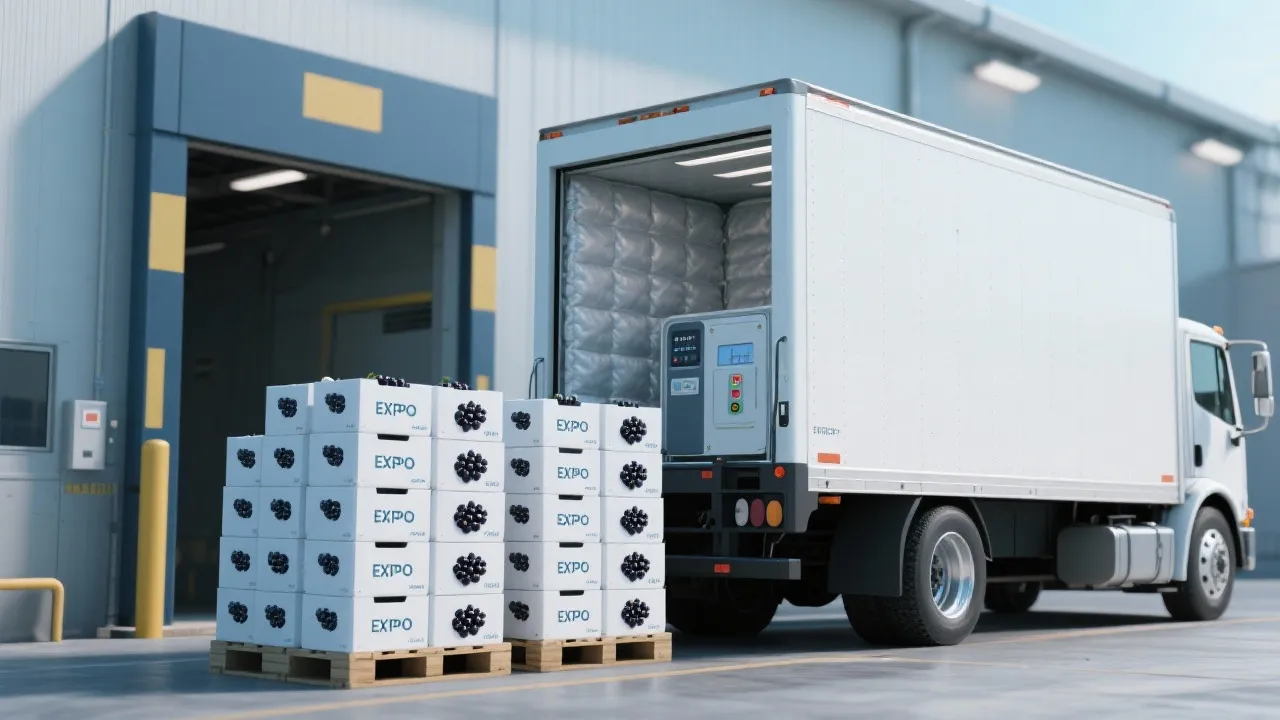
Maintaining the integrity of frozen red raspberries during transportation requires strict adherence to international cold chain standards. The entire logistics process—from farm to processing facility—must maintain a constant temperature of -18°C or lower, with maximum temperature fluctuations not exceeding ±2°C.
Modern cold chain management employs advanced monitoring systems with real-time temperature tracking and alert mechanisms. These systems provide valuable data for quality control and compliance documentation, ensuring transparency throughout the supply chain.
Implementing the ISO 22000食品安全管理体系 provides a systematic approach to ensuring red raspberry quality from harvest to processing. This internationally recognized standard integrates HACCP principles with comprehensive management system requirements, covering:
Identifying potential biological, chemical, and physical hazards throughout the supply chain
Establishing monitoring systems for temperature control and processing parameters
Implementing regular testing protocols to ensure system effectiveness
By integrating ISO 22000 standards into their operations, food enterprises can not only ensure consistent product quality but also demonstrate their commitment to food safety to customers and regulatory authorities.
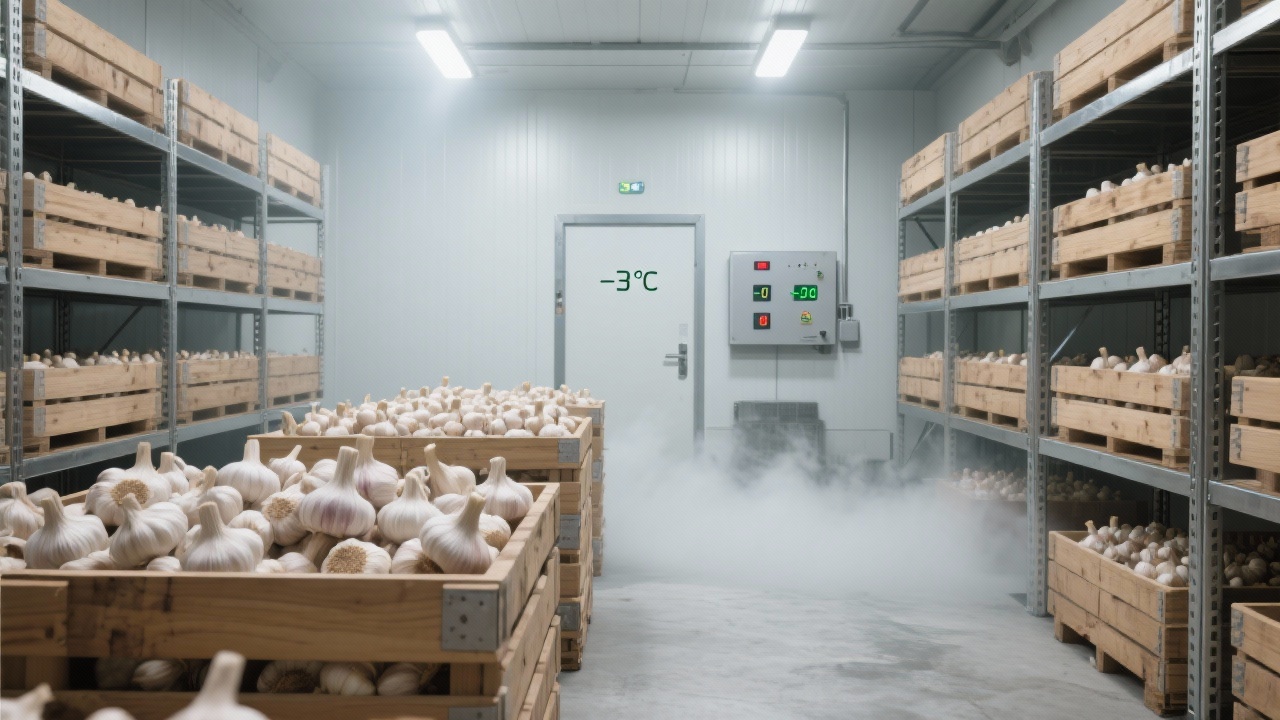
Effective quality control requires robust testing protocols to verify nutrient retention. For red raspberries, key testing methods include:
Using a色差仪, food technologists can accurately measure color retention as an indicator of anthocyanin stability. ACI (Anthocyanin Color Index) values should remain above 85% of initial levels post-storage to ensure product quality.
Indophenol titration or HPLC analysis provides precise measurements of vitamin C content. For frozen red raspberries, a retention rate of 80% or higher is considered industry best practice.
Your enterprise是否已建立标准化的冷冻浆果检测流程?定期的质量检测不仅确保产品营养品质,还能帮助识别供应链中的潜在问题点,持续优化保鲜效果。
For food enterprises seeking to enhance their red raspberry processing operations, implementing these advanced preservation techniques can deliver measurable benefits: reduced raw material waste (typically 15-20% savings), improved product consistency, and enhanced nutritional value. These factors collectively contribute to a stronger market position and increased customer satisfaction.
At 亿商桥, we specialize in connecting food manufacturers with optimized supply chain solutions that prioritize nutritional preservation. Our expertise in implementing ISO 22000 standards and cold chain management can help your enterprise achieve consistent quality while reducing operational costs.
By partnering with experienced supply chain experts, food manufacturers can transform their raw material management from a potential liability into a competitive advantage. The key to success lies in implementing science-based preservation techniques, maintaining rigorous quality control standards, and leveraging technology to monitor and optimize the entire supply chain.

 286
|
286
|
 Halal Kosher Certification
Frozen Fruit Export
International Food Compliance
Frozen Berry Market Access
Yishangqiao
159
|
Halal Kosher frozen fruit
frozen berry export compliance
Halal Kosher certification standards
international food raw material certification
Yishangqiao organic frozen blackberries
426
|
frozen blackcurrant
blackcurrant juice processing
flavor retention technology
freezing rate control
-18℃ cold chain
56
|
Frozen Blackcurrant OEM Packaging
EU Regulation 2023/2024
EU Import Labeling
HACCP Certification
Cold Chain Transport Marking
245
|
Halal
certification
Kosher
certification
food
manufacturing
compliance
international
food
standards
market
expansion
strategy
Halal Kosher Certification
Frozen Fruit Export
International Food Compliance
Frozen Berry Market Access
Yishangqiao
159
|
Halal Kosher frozen fruit
frozen berry export compliance
Halal Kosher certification standards
international food raw material certification
Yishangqiao organic frozen blackberries
426
|
frozen blackcurrant
blackcurrant juice processing
flavor retention technology
freezing rate control
-18℃ cold chain
56
|
Frozen Blackcurrant OEM Packaging
EU Regulation 2023/2024
EU Import Labeling
HACCP Certification
Cold Chain Transport Marking
245
|
Halal
certification
Kosher
certification
food
manufacturing
compliance
international
food
standards
market
expansion
strategy


.png?x-oss-process=image/resize,h_100,m_lfit/format,webp)
.png?x-oss-process=image/resize,h_100,m_lfit/format,webp)
.png?x-oss-process=image/resize,h_100,m_lfit/format,webp)
 English