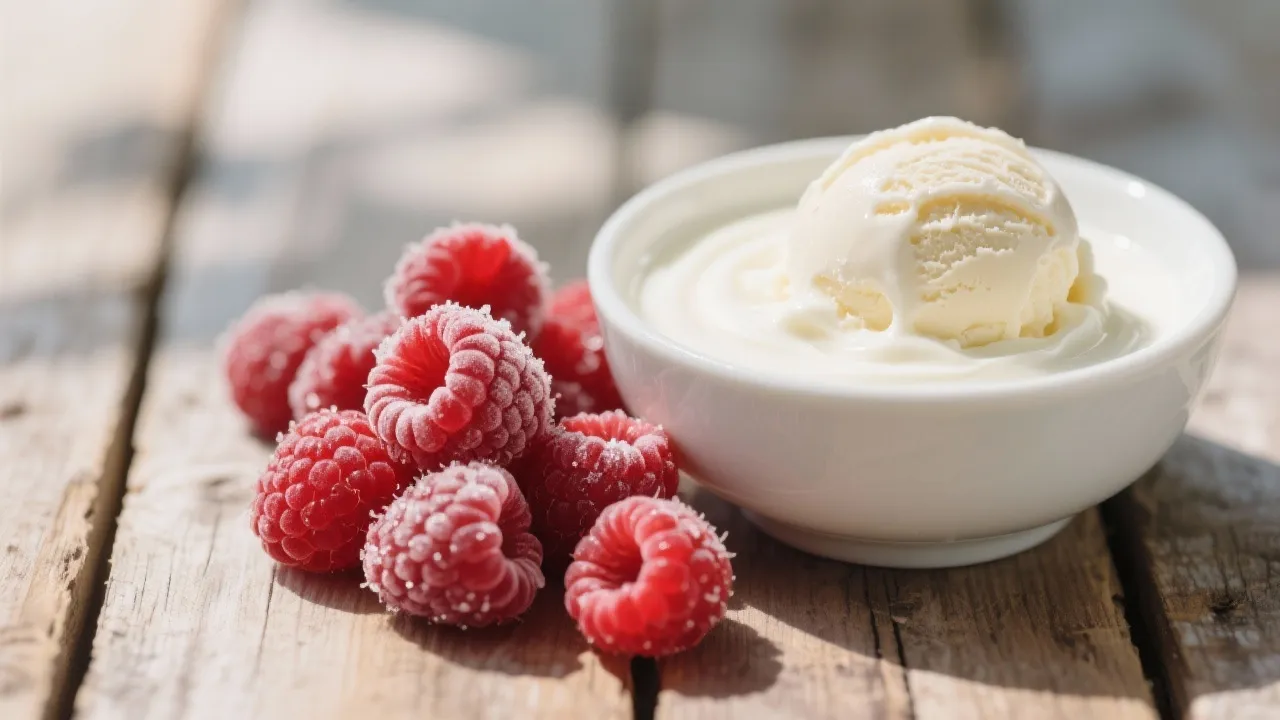
In premium functional drinks, “natural berry ingredients” is not a single quality level—it is a spectrum. For B2B buyers, the difference between a high-value raspberry input and a commodity-grade batch often shows up months later: unstable color, collapsed vitamin claims, higher microbial risk, and unexpected formulation rework. This article uses red raspberries as a technical reference to help formulation engineers and product managers evaluate origin, harvest timing, screening, cold-chain handling, and processing methods that impact anthocyanins and vitamin C retention—while aligning with export-focused food safety systems such as ISO 22000 and HACCP.
The most common sourcing mistake is over-weighting appearance and under-weighting bioactive stability. A raspberry lot can look clean and red, yet deliver weak functional performance due to oxidative losses, late harvesting, warm logistics, or harsh drying. In beverage applications—especially low pH, oxygen-exposed, or heat-treated processes—small upstream quality gaps can become major downstream losses.
Raspberry bioactive potential starts in the field. While cultivar matters, growing environment strongly influences polyphenol synthesis—particularly anthocyanins responsible for antioxidant positioning and natural red/purple hues in formulations.
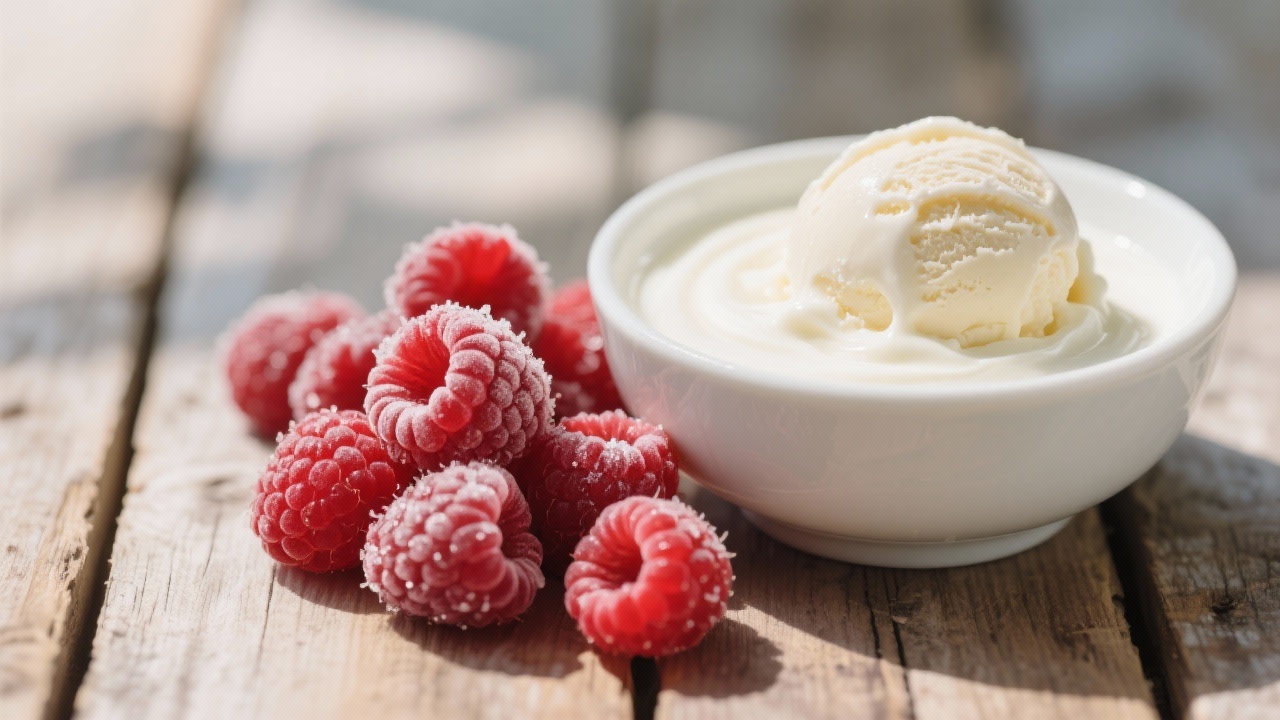
For red raspberries used in nutrition beverages, producers in cooler day-night cycles often report deeper pigment development and better sensory balance. From a procurement standpoint, buyers can request evidence linked to the farm region:
As a practical reference for technical discussions, well-managed raspberry lots for functional applications often test in the range of 80–220 mg anthocyanins/100 g (fresh weight, expressed as cyanidin-3-glucoside equivalents). The actionable point is not chasing a single number, but demanding batch-to-batch variability control and clear test methods.
Vitamin C is highly sensitive to oxygen, enzymes, and temperature. In raspberries, the decision to harvest “a little later” for color or sweetness can backfire if it increases bruising susceptibility and enzymatic activity during handling. For beverage brands that want real stability in shelf-life tests, harvest maturity should be managed with measurable cues rather than visual judgment alone.
In controlled comparisons, raspberries harvested at optimal maturity and rapidly chilled commonly retain 10–25% more vitamin C after initial processing versus overripe fruit handled at ambient conditions. Fresh raspberries often test around 20–35 mg vitamin C/100 g, but the stability difference between lots is frequently more important than the starting number.
For buyers, the procurement question becomes: does the supplier control the harvest window with documented SOPs (field picking criteria, time-to-chill targets, and rejection thresholds), or is it primarily labor availability driven?
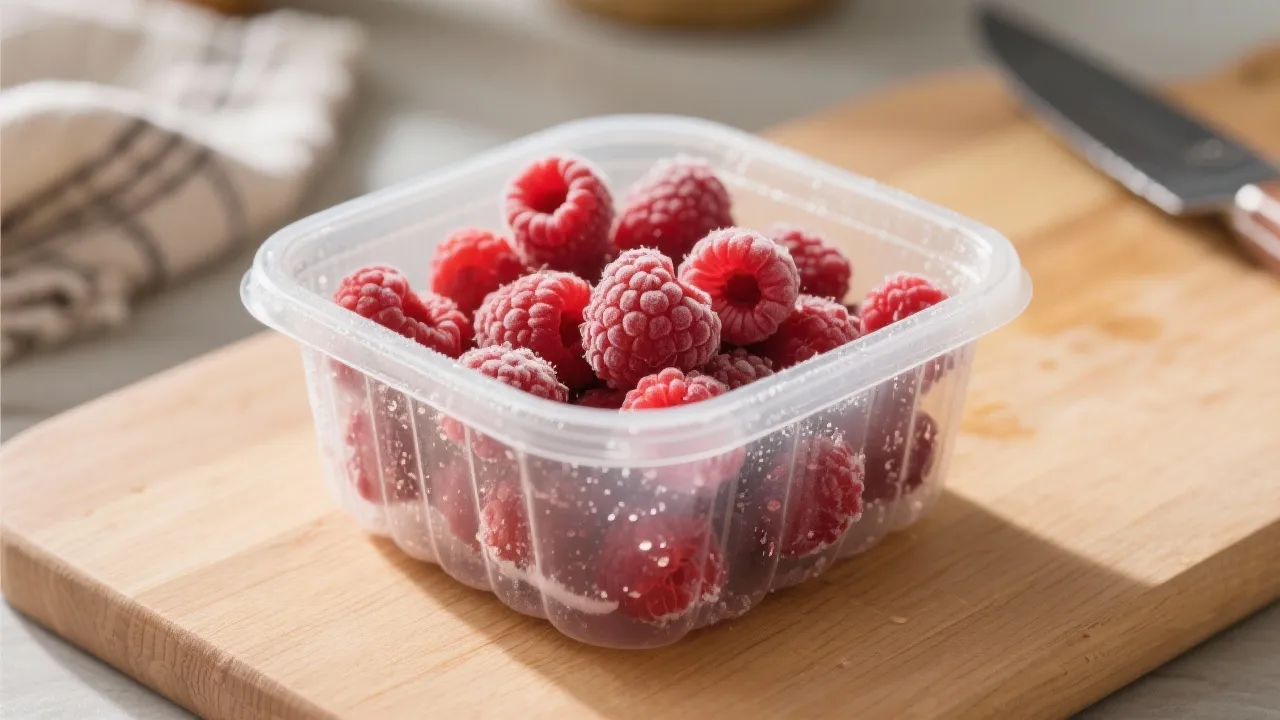
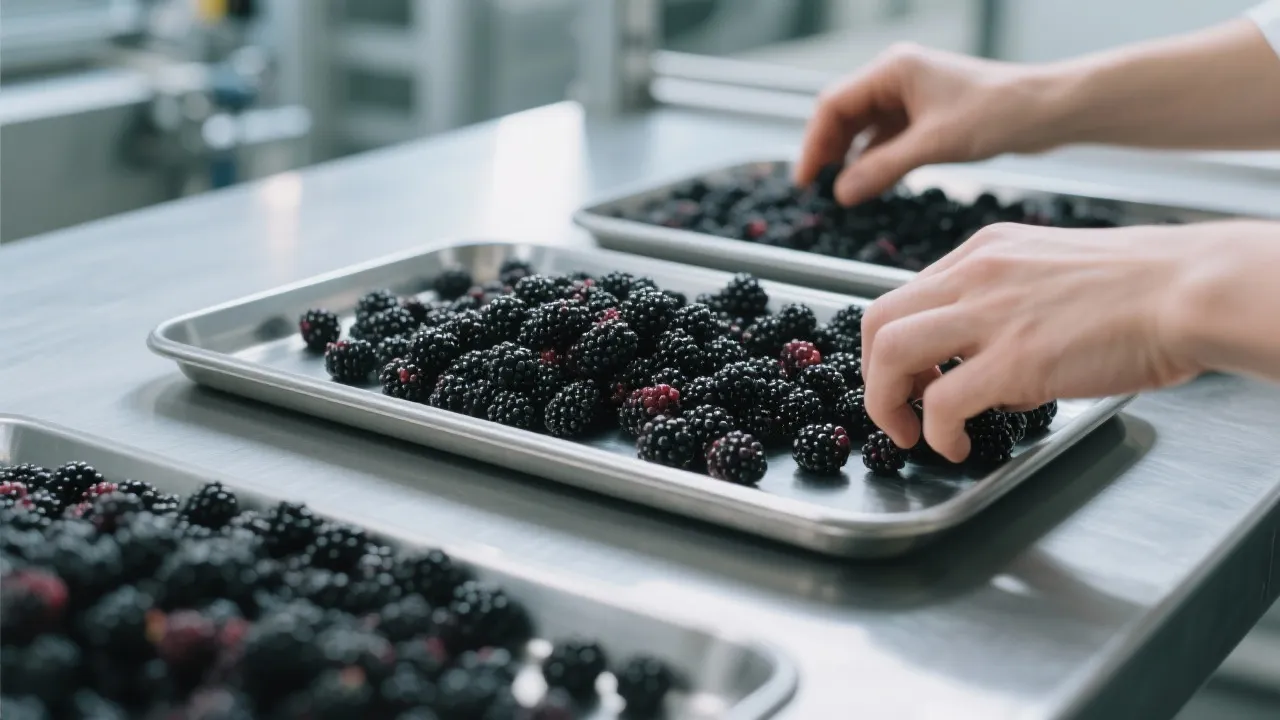
For whole-fruit raspberry inputs, pre-processing is not merely cosmetic; it influences microbial load, oxidation rate, and final whole-fruit yield. A robust workflow typically combines cleaning, foreign matter control, and multi-step selection before immediate freezing.
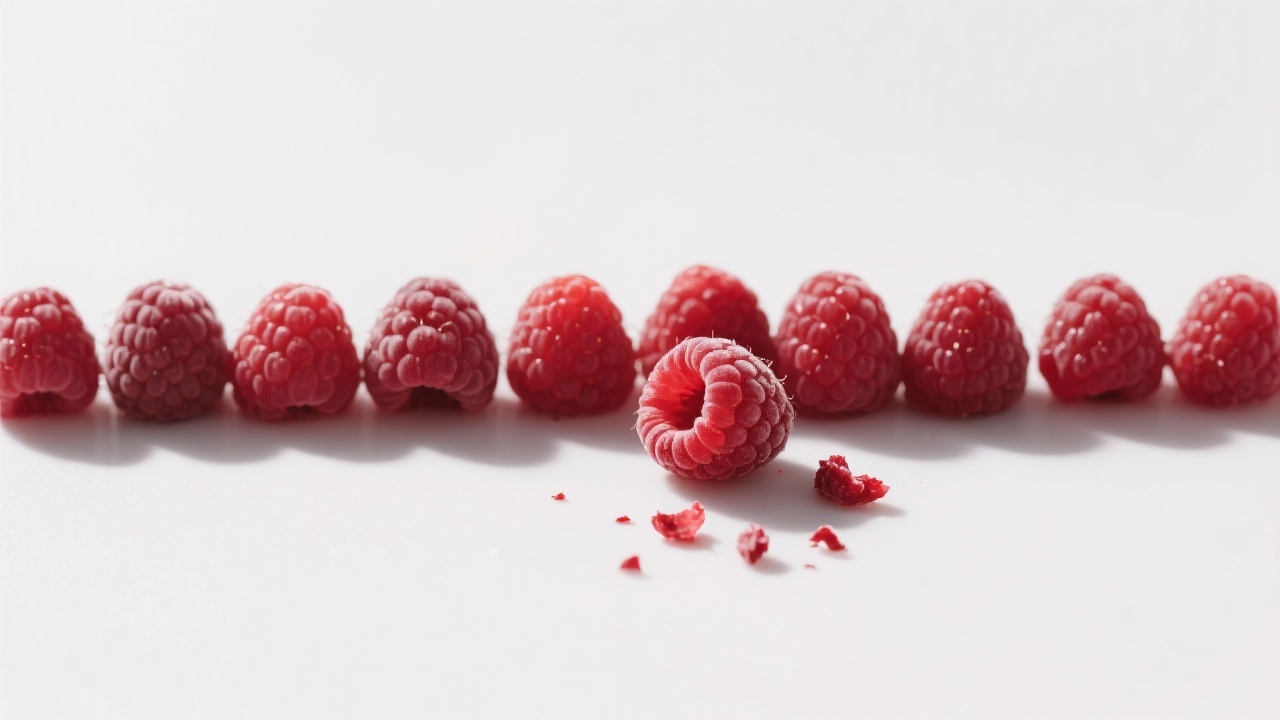
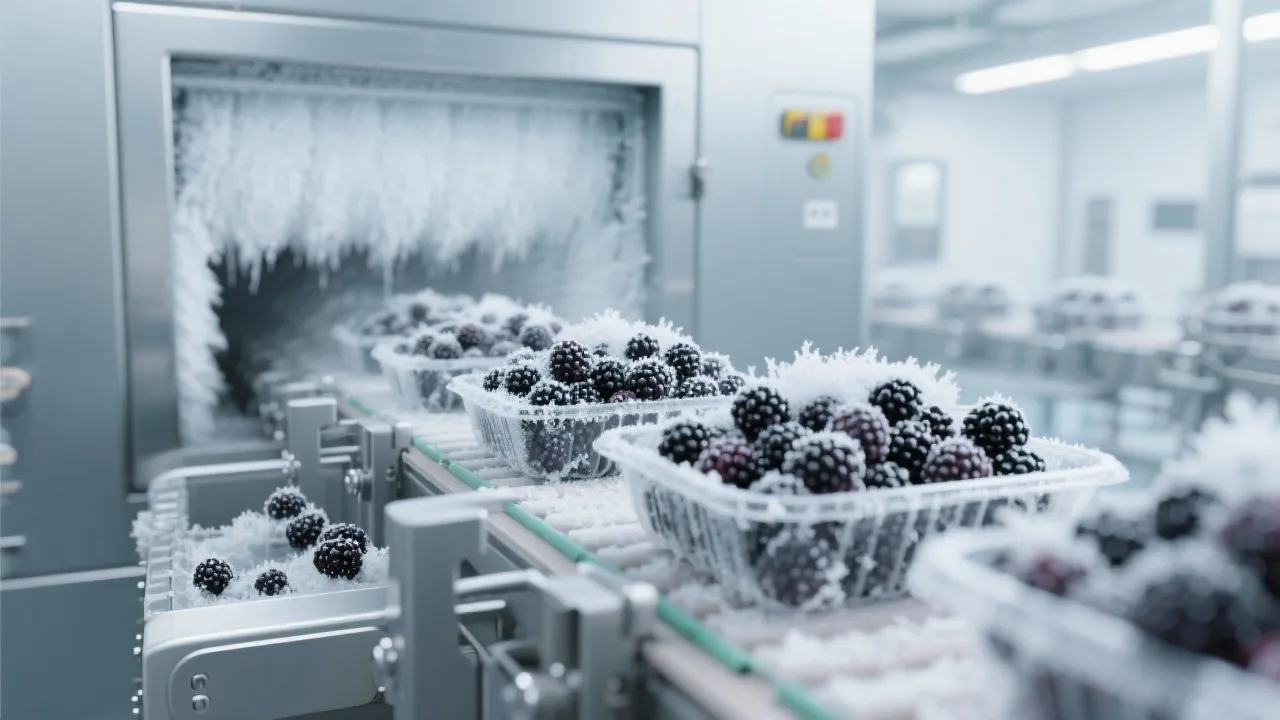
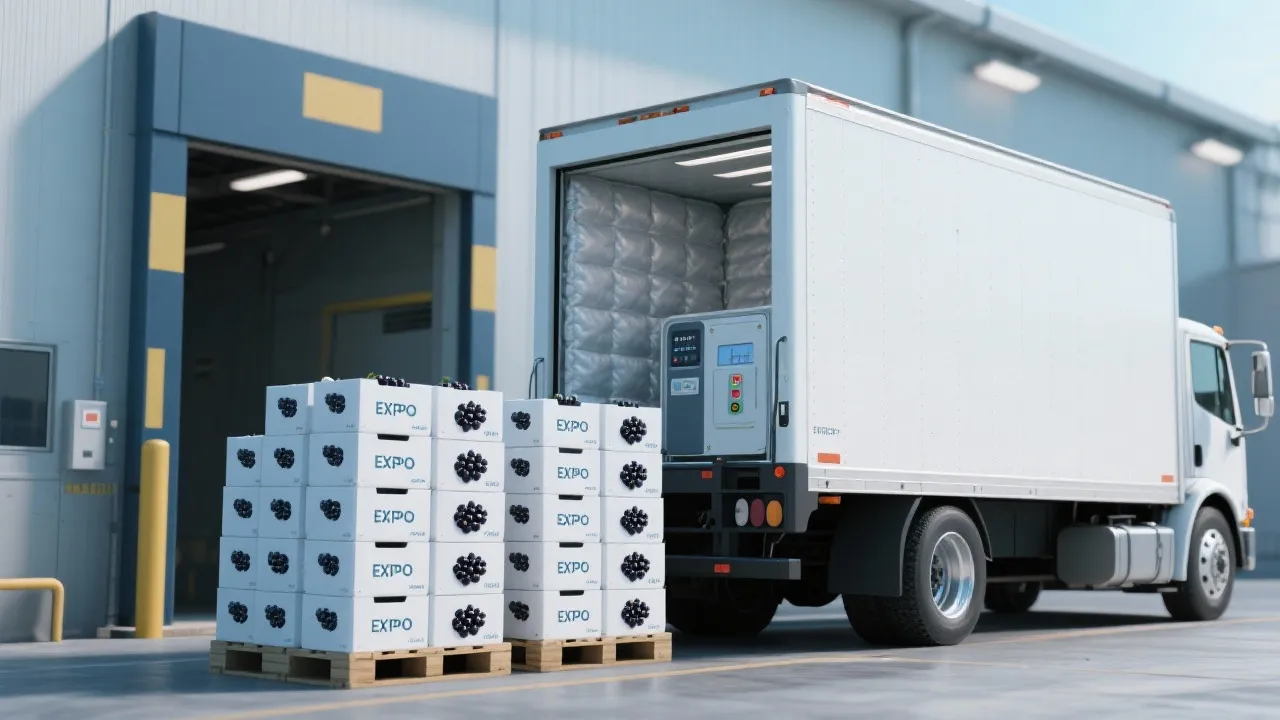
A stable -18°C cold chain reduces enzymatic browning and slows oxidative losses. In real-world trials, repeated temperature abuse (e.g., partial thawing during transit) can accelerate anthocyanin degradation by 15–30% over a typical storage period, and it often increases drip loss—directly affecting beverage color, mouthfeel, and standardization cost.
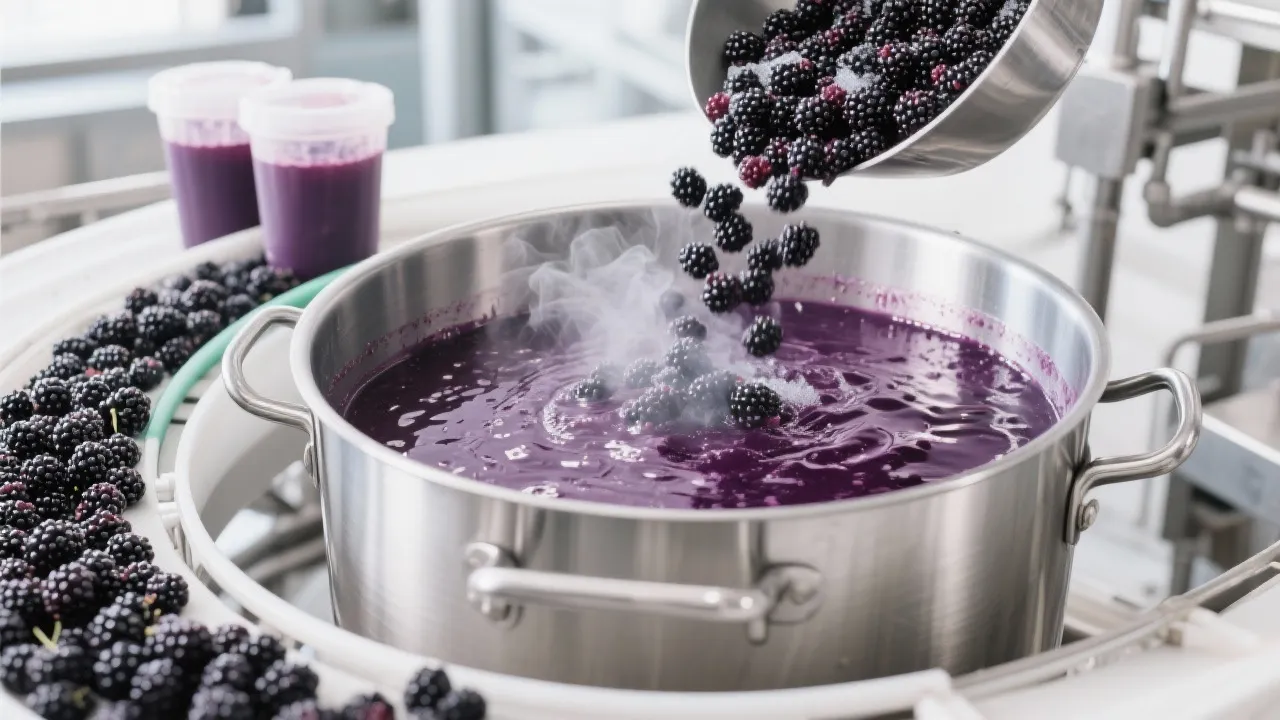
Processing method is where many “premium” concepts win—or silently lose. Each format has a different performance profile in beverages, impacting active retention, flavor authenticity, color stability, and cost per functional unit.
*Retention values are practical ranges reported across common industrial conditions and storage; exact results depend on cultivar, pre-processing, oxygen exposure, and packaging.
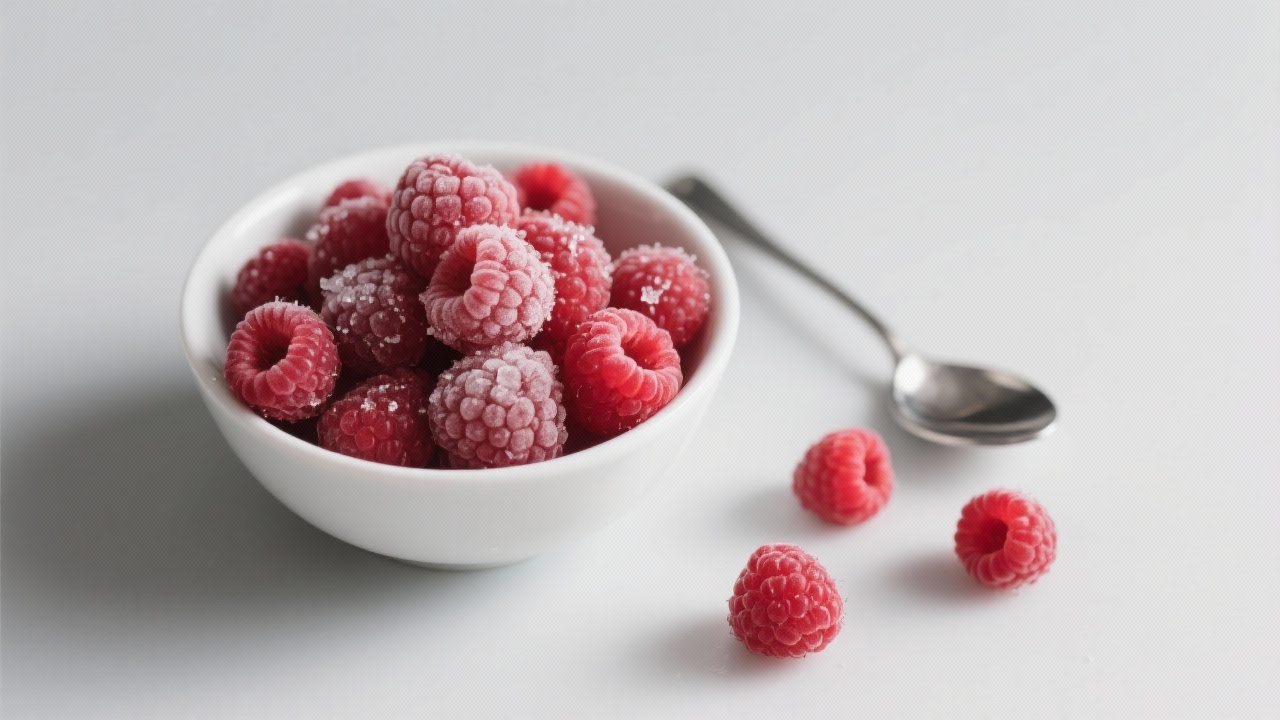
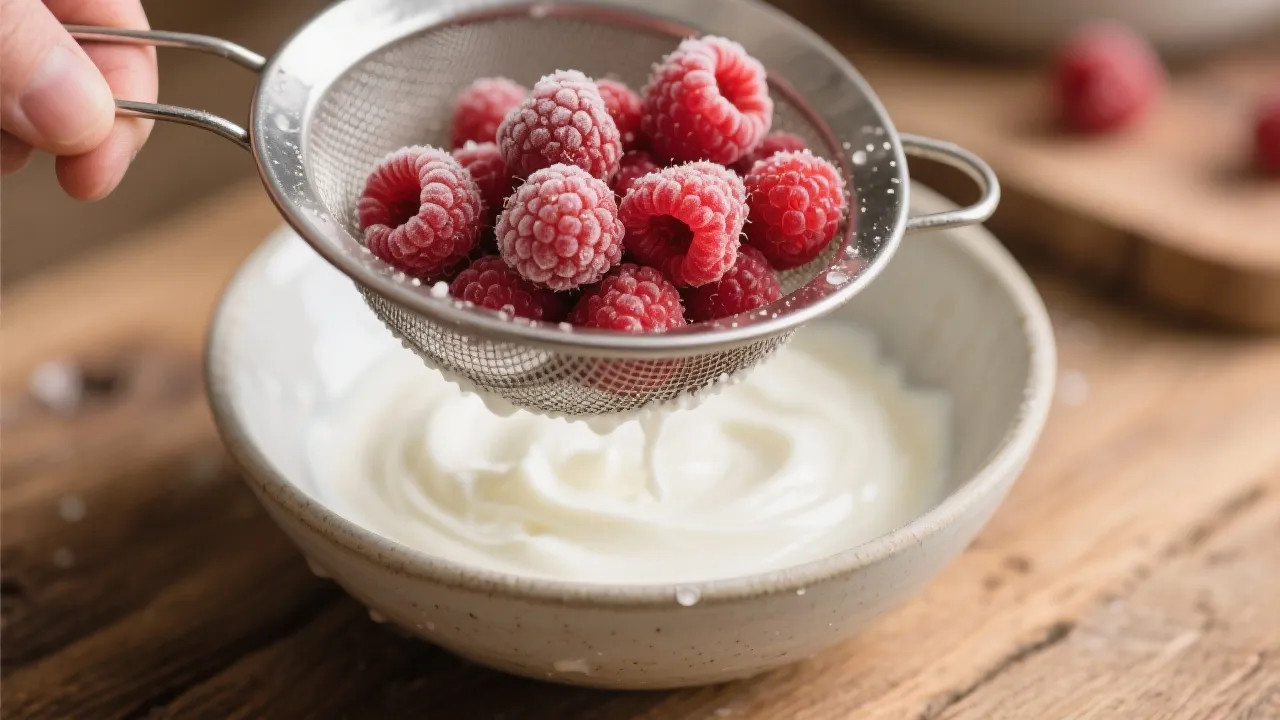
For many premium beverages, frozen whole fruit becomes a strong middle ground: it maintains a “real fruit” narrative, preserves a high proportion of anthocyanins and vitamin C when the cold chain is stable, and reduces the risk of cooked notes commonly associated with high-temperature drying.
For cross-border buyers, certification is not a badge—it is a risk-management tool. A supplier operating under ISO 22000 and HACCP is expected to implement hazard analysis, prerequisite programs (PRPs), traceability, and corrective action systems that reduce the probability of shipment holds, recalls, and brand damage.
A high-performing raspberry ingredient is measurable. If a supplier cannot support the following with consistent COAs and third-party testing, the risk of functional under-delivery rises sharply—especially when your beverage must survive scale-up, heat steps, and shelf-life validation.
Bioactives
Safety & Stability
Tip for beverage teams: ask for a recent seasonal batch trend (3–6 consecutive lots). One COA can be exceptional; trends reveal control.
When these indicators are verified early, product teams reduce flavor masking, color correction, and over-dosing—often saving weeks of reformulation cycles and repeated pilot runs.
If your team is validating anthocyanin color stability, vitamin C retention, and export-ready documentation, request a technical pack and see how an ISO 22000-aligned supply chain supports consistent results at scale.
Share your target market, processing steps (pasteurization/HTST or not), and desired claim direction; the recommended format and specs can be aligned accordingly.

 306
|
306
|
 whole freeze-dried raspberry powder
functional food ingredients
premium dietary supplements
cold chain preservation
high whole-fruit retention
62
|
Halal certification for frozen fruits
Halal certification export process
Halal - compliant frozen blackberries
Halal dietary regulations
International food certification
272
|
blackcurrant processing techniques
pH control in fruit juice
antioxidant application in fruit products
color stability in juices
sugar optimization in jams
184
|
frozen blackberry packaging solutions
custom frozen fruit packaging
organic frozen berries export
sustainable food packaging
B2B frozen produce packaging
240
|
organic frozen blackberry certification
halal certified frozen fruit
frozen berry export compliance
b2b food import standards
international food safety certification
whole freeze-dried raspberry powder
functional food ingredients
premium dietary supplements
cold chain preservation
high whole-fruit retention
62
|
Halal certification for frozen fruits
Halal certification export process
Halal - compliant frozen blackberries
Halal dietary regulations
International food certification
272
|
blackcurrant processing techniques
pH control in fruit juice
antioxidant application in fruit products
color stability in juices
sugar optimization in jams
184
|
frozen blackberry packaging solutions
custom frozen fruit packaging
organic frozen berries export
sustainable food packaging
B2B frozen produce packaging
240
|
organic frozen blackberry certification
halal certified frozen fruit
frozen berry export compliance
b2b food import standards
international food safety certification


.png?x-oss-process=image/resize,h_100,m_lfit/format,webp)
.png?x-oss-process=image/resize,h_100,m_lfit/format,webp)
.png?x-oss-process=image/resize,h_100,m_lfit/format,webp)
 English