
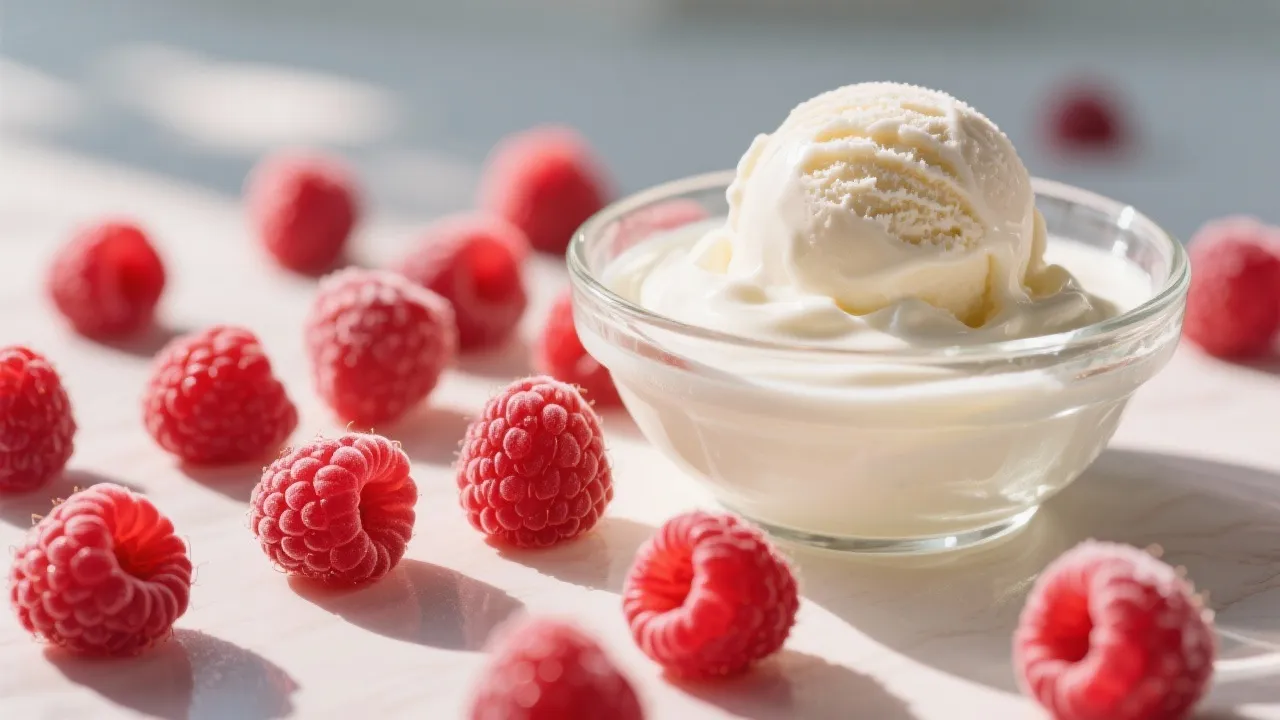
In the rapidly growing functional beverage market, natural ingredients like frozen raspberry puree have become essential for product differentiation. However, beverage developers often face challenges with uneven dissolution, flavor inconsistency, and color degradation—issues that can compromise product quality and consumer appeal. Recent industry studies indicate that over 40% of new functional beverage launches encounter stability issues during the development phase, with fruit-based products being particularly vulnerable.
Frozen raspberry puree presents unique formulation challenges due to its high fiber content and natural pigment sensitivity. When improperly processed, these factors can lead to:
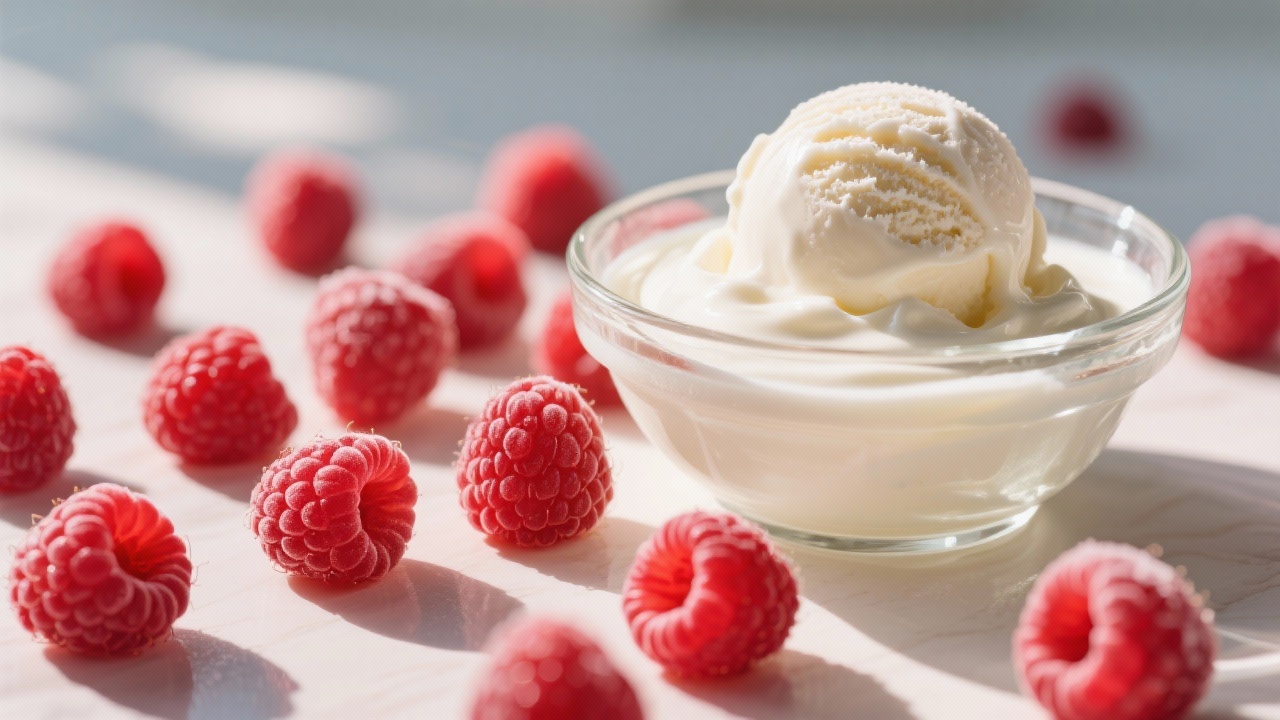
After extensive formulation trials with over 50 beverage prototypes, the Yishangqiao technical team has developed a proprietary three-step preprocessing protocol that addresses these challenges while maintaining nutritional integrity:
Thaw frozen puree at 4-6°C for 12-16 hours to achieve 60-70% thawing, preserving cell structure while allowing proper rehydration. This method reduces particle breakdown by 40% compared to room-temperature thawing.
Precisely adjust pH to 3.8-4.2 using food-grade citric acid before incorporation. This optimal range stabilizes anthocyanins, reducing color degradation by up to 58% during thermal processing.
Utilize high-shear mixing at 3,500-4,500 RPM for 2-3 minutes to achieve uniform particle distribution below 150μm, eliminating grittiness and improving suspension stability by 65%.
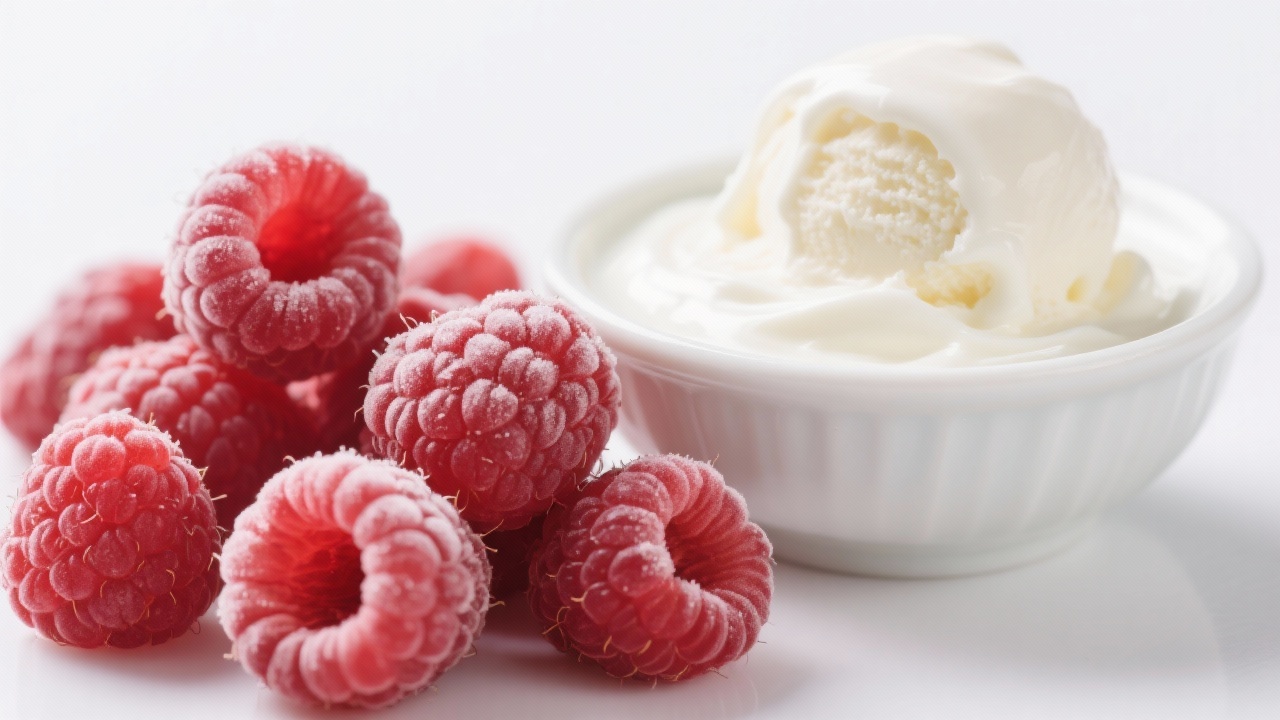
Our research demonstrates significant variations in puree behavior across different pH environments, particularly critical for plant-based protein beverages:
| pH Range | Color Stability | Viscosity | Sensory Acceptance |
|---|---|---|---|
| 3.0-3.5 | Excellent (92% retention) | Low - prone to separation | Low (excessive tartness) |
| 3.8-4.2 | Very Good (85-88% retention) | Optimal suspension | High (balanced flavor profile) |
| 4.5-5.0 | Poor (62-68% retention) | Increased - potential gelation | Moderate (flat flavor) |
Challenge: A leading functional beverage manufacturer experienced significant color fading and sedimentation in their raspberry protein drink within 5 days of production, resulting in rejected batches and production delays.
Intervention: Implementing the three-step preprocessing method alongside formulation adjustments based on our stability testing protocols.
Results: The revised process achieved:
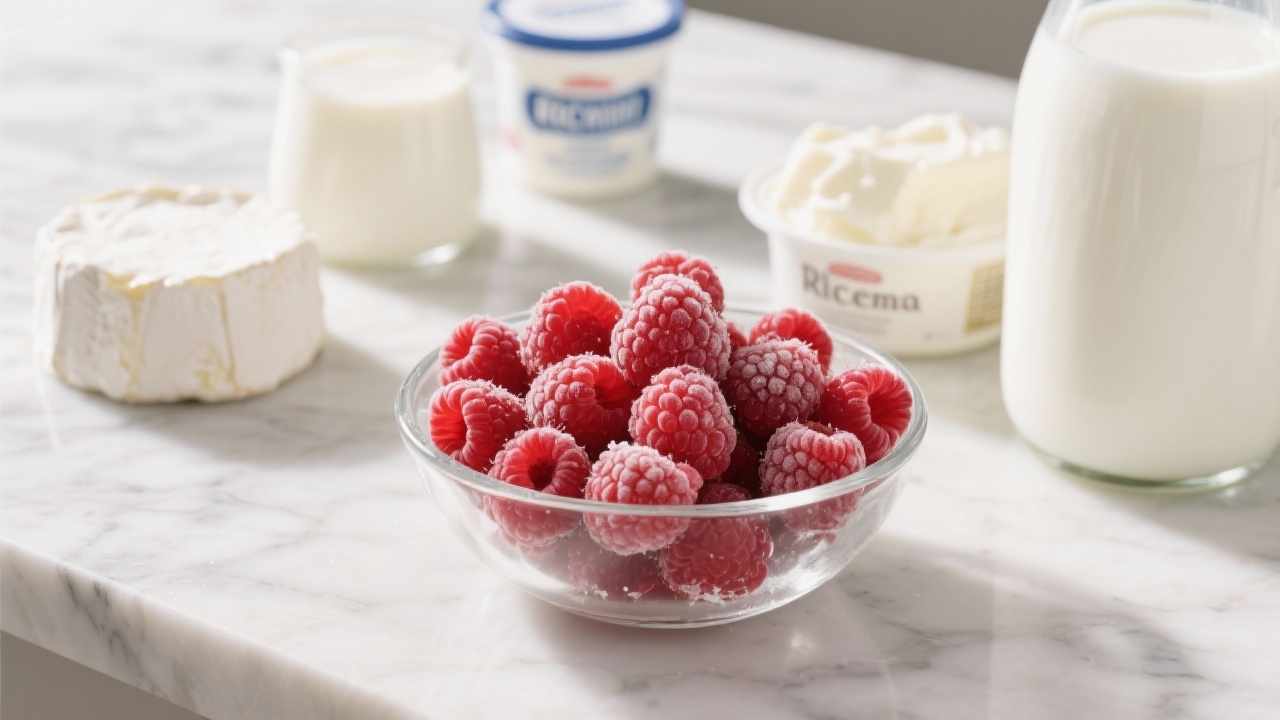
To streamline development and reduce trial costs, we recommend implementing a structured sensory evaluation protocol during small-batch testing:
Access our comprehensive technical guide featuring step-by-step protocols, formulation templates, and stability testing methods developed through years of industry experience.
Download "Raspberry Puree Beverage Development Handbook"Includes exclusive access to stability testing protocols and formulation templates for plant-based and protein beverages
By implementing these scientifically validated techniques, beverage developers can overcome common formulation challenges associated with frozen raspberry puree, creating products that maintain their visual appeal, nutritional value, and sensory quality throughout their shelf life. The key lies in understanding the unique properties of raspberry pigments and fibers, and applying targeted preprocessing steps to ensure optimal performance in the final product.

 62
|
62
|
 freeze dried raspberry powder
anthocyanin bioavailability
protein bar formulation
functional food ingredients
microencapsulation techniques
62
|
Halal certification for frozen fruits
Halal certification export process
Halal - compliant frozen blackberries
Halal dietary regulations
International food certification
451
|
Organic frozen blackberries
Quality standards for frozen blackberries
HACCP - certified food supply chain
Three - round manual screening mechanism
Guide to frozen fruit procurement
75
|
organic certification for frozen berries
halal certification process
frozen fruit export compliance
organic halal dual certification
international frozen fruit market access
456
|
frozen blackberry packaging
B2B food packaging solutions
sustainable packaging design
regional packaging strategies
custom frozen fruit packaging
freeze dried raspberry powder
anthocyanin bioavailability
protein bar formulation
functional food ingredients
microencapsulation techniques
62
|
Halal certification for frozen fruits
Halal certification export process
Halal - compliant frozen blackberries
Halal dietary regulations
International food certification
451
|
Organic frozen blackberries
Quality standards for frozen blackberries
HACCP - certified food supply chain
Three - round manual screening mechanism
Guide to frozen fruit procurement
75
|
organic certification for frozen berries
halal certification process
frozen fruit export compliance
organic halal dual certification
international frozen fruit market access
456
|
frozen blackberry packaging
B2B food packaging solutions
sustainable packaging design
regional packaging strategies
custom frozen fruit packaging

.jpg?x-oss-process=image/resize,h_800,m_lfit/format,webp)


.png?x-oss-process=image/resize,h_100,m_lfit/format,webp)
.png?x-oss-process=image/resize,h_100,m_lfit/format,webp)
.png?x-oss-process=image/resize,h_100,m_lfit/format,webp)
 English


