
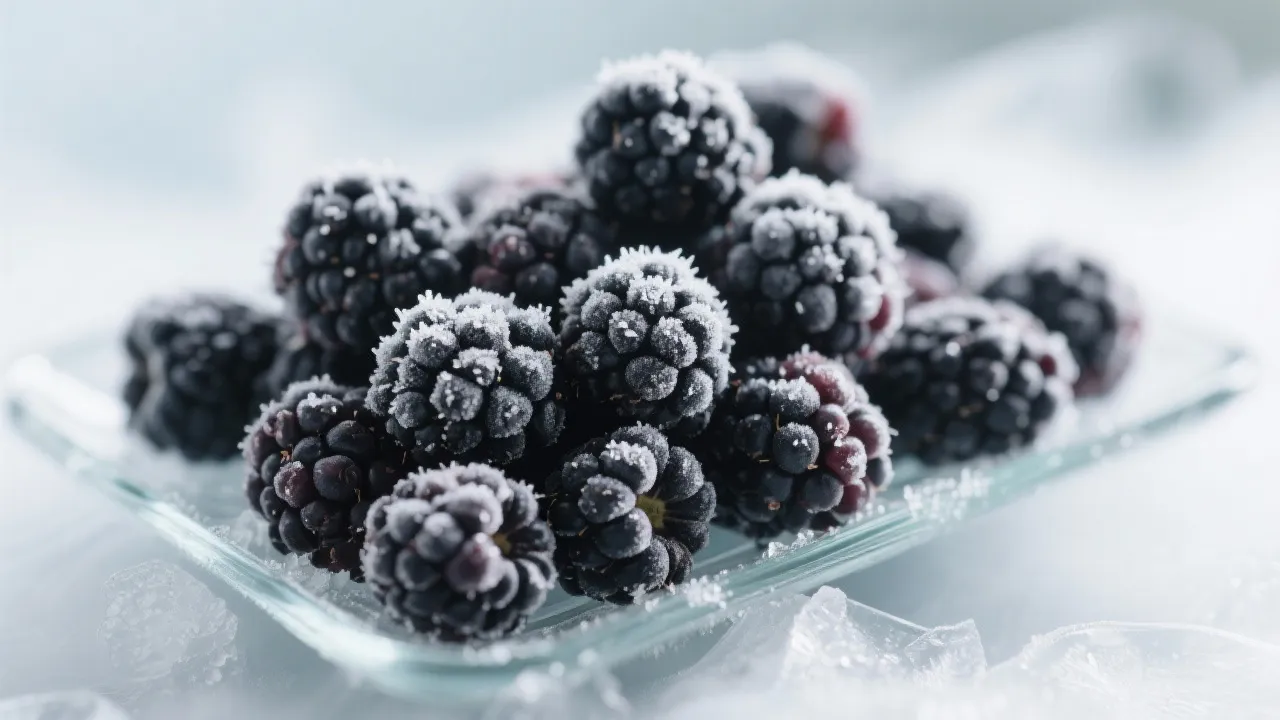
Preserving the natural flavor, texture, and nutritional content of blackberries during freezing remains a critical challenge in the food industry. Conventional freezing methods often result in cellular damage, causing discoloration, diminished taste, and nutrient loss. This article dissects how rapid freezing technology—characterized by ultra-fast temperature reduction below -18°C—limits ice crystal formation speed, thereby maintaining the integrity of blackberry fruit cells. Leveraging research published in Food Chemistry, we explore the impact of freezing kinetics on anthocyanin and vitamin C retention, supported further by international food safety certifications such as HACCP and ISO 22000. Understanding these dynamics empowers food processors, bakers, and culinary professionals to make informed decisions about high-value frozen fruits.
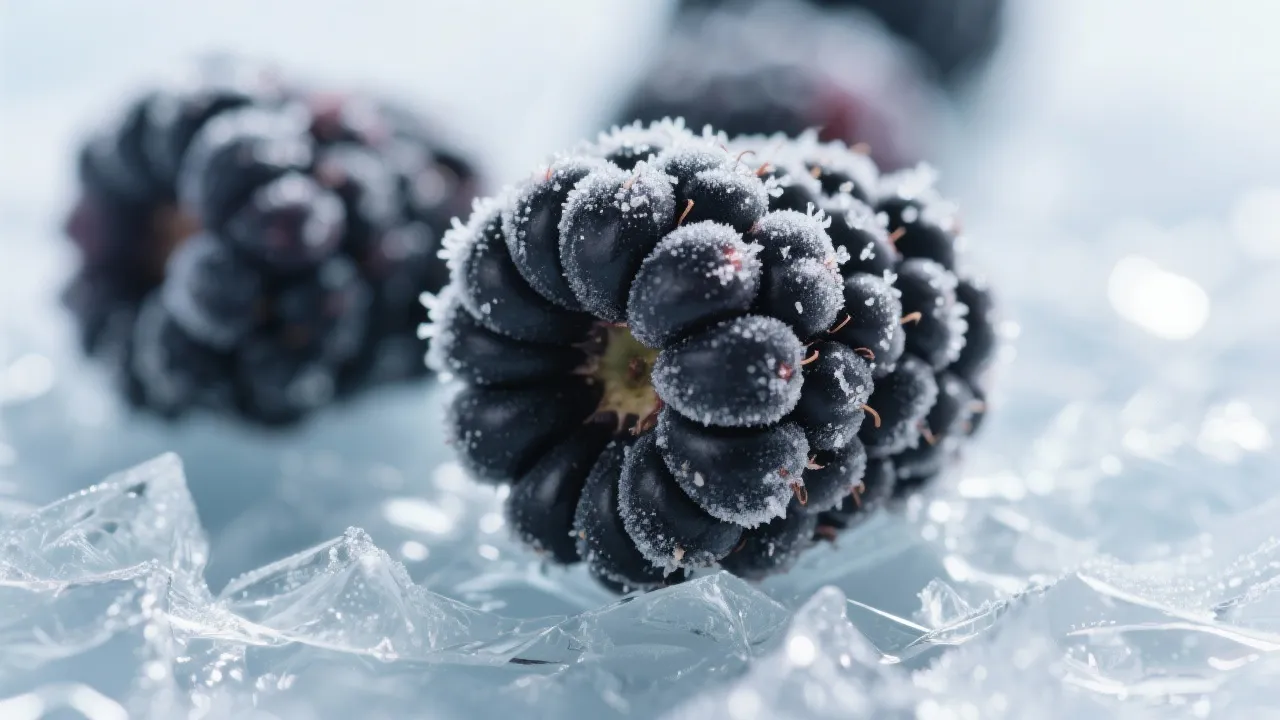
At the cellular level, freezing initiates ice nucleation within the fruit’s intercellular spaces. Slow freezing methods promote the growth of large extracellular ice crystals, which physically rupture delicate blackberry cells, leading to leakage of cellular fluids and enzymes. This mechanical damage manifests as altered texture, mushiness, and a visible loss in vibrant color. In contrast, rapid freezing drastically reduces the time window for ice crystal growth, generating numerous micro-sized crystals that cause minimal structural disruption.
A comparative study published in Food Chemistry (2022) demonstrated that rapid freezing preserved over 90% of original cell integrity, while slow freezing resulted in up to 40% cell rupture. Such structural preservation directly correlates with the sensory qualities of frozen blackberries, including firmness and juiciness.
The vivid black-purple hue of blackberries is primarily due to anthocyanins, compounds highly sensitive to freezing conditions. Vitamin C, another critical nutrient, is similarly vulnerable to thermal and oxidative stress. The research cited indicates that rapid freezing conserves approximately 85-90% of anthocyanin content and up to 80% of vitamin C after six months of storage. Conversely, conventional methods often see these nutrients degrade to below 60%.
This discrepancy stems from slower freezing's propensity to extend the time fruits remain in temperature ranges (between -1°C to -5°C) conducive to enzymatic activity and oxidative degradation. Fast freezing swiftly moves through this critical phase, arresting biochemical reactions that erode nutritional value and color.
Ensuring the highest quality frozen blackberries extends beyond freezing technology. International certifications such as HACCP and ISO 22000 integrate rigorous hazard analysis and food safety management, guaranteeing consistent product integrity from harvest to packaging. Leading producers further enhance reliability through procedures like three-stage manual sorting, achieving an exceptional whole-fruit retention rate exceeding 95%. This meticulous selection workflow removes damaged or under-ripe berries, optimizing the raw material quality before freezing initiates.
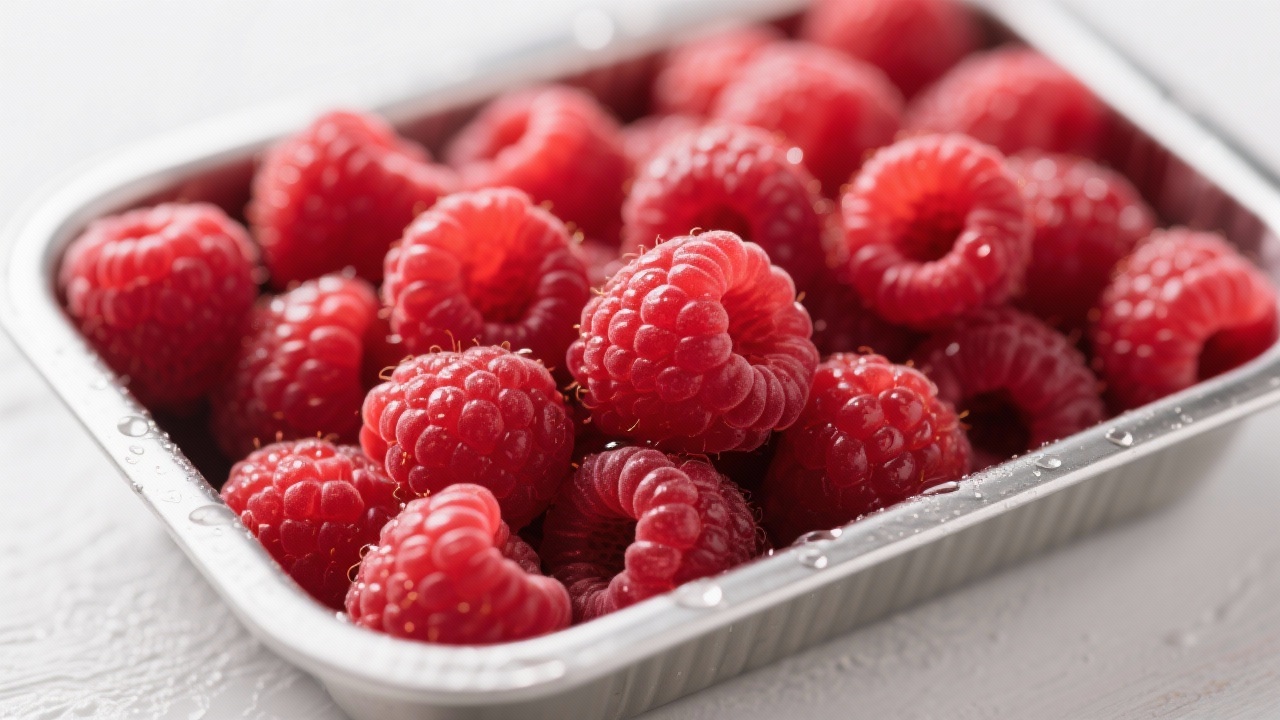
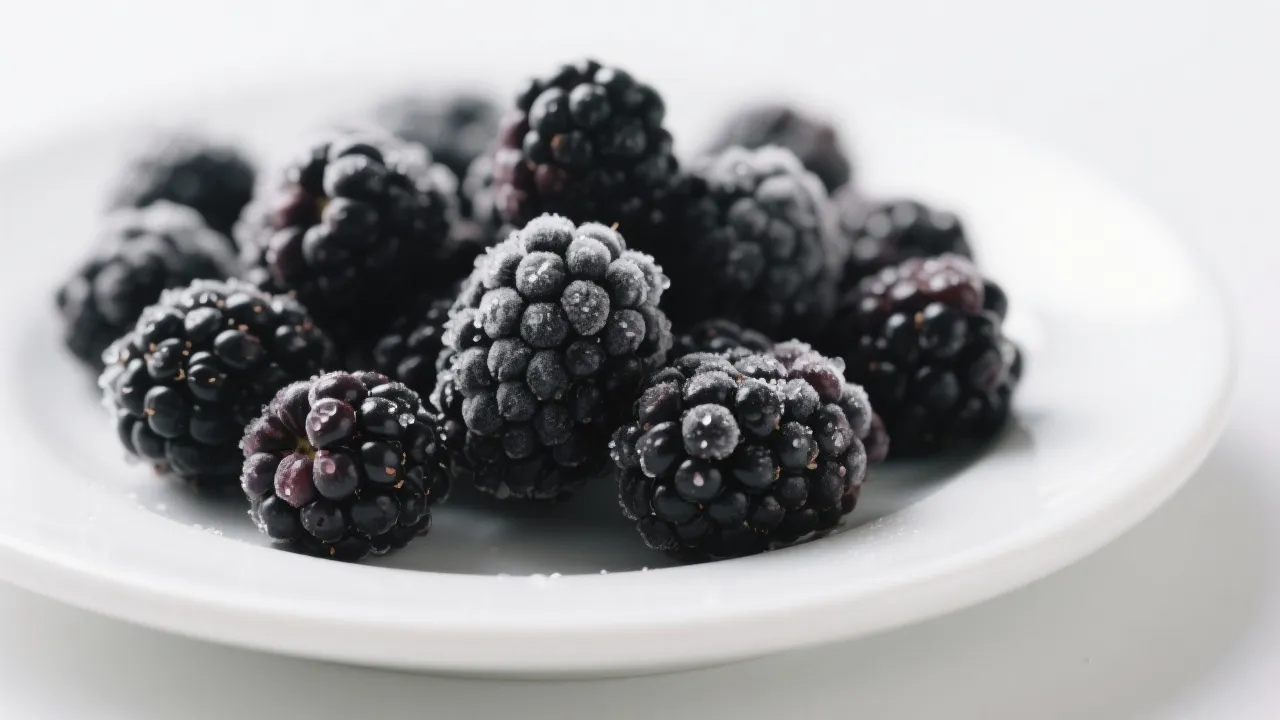
Culinary practitioners, including bakers and restaurateurs, benefit significantly from the improved texture and flavor profile of rapidly frozen blackberries. For example, the elevated whole-fruit ratio and nutrient density allow for superior quality pastries, sauces, and beverage infusions. Moreover, these berries rehydrate more effectively, reducing thawing drip loss, which translates into cost savings and enhanced presentation.
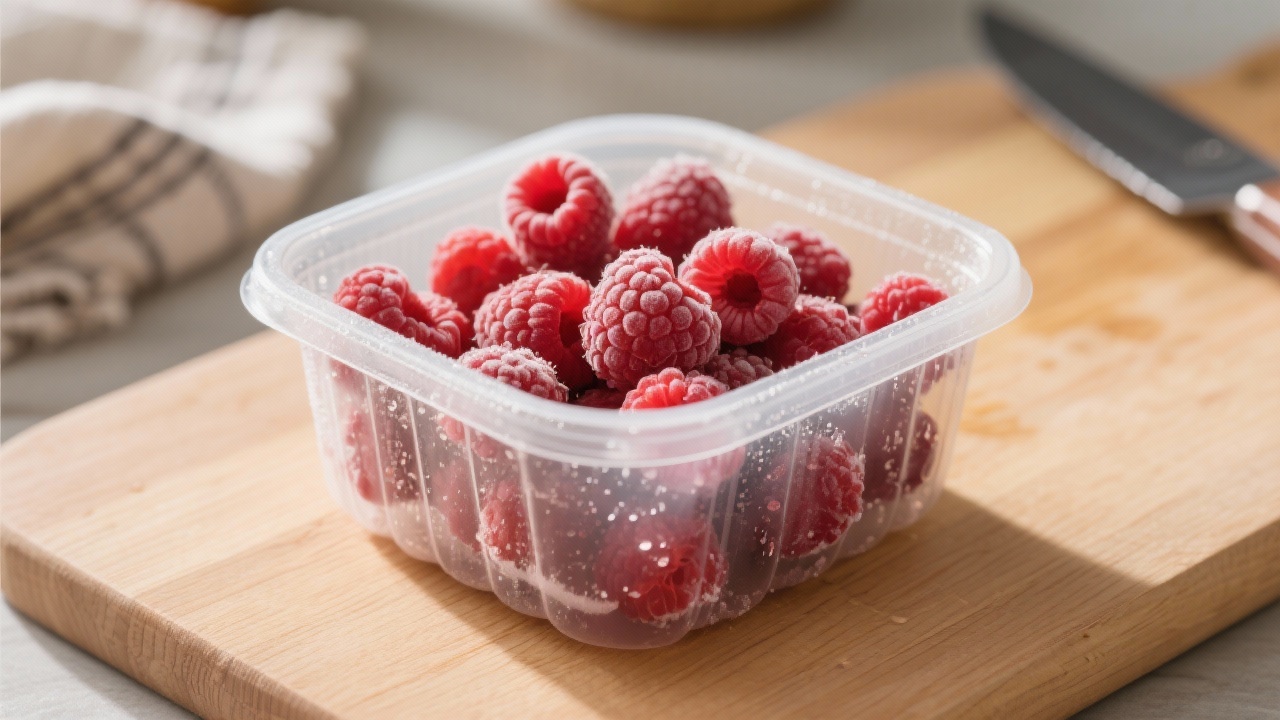
However, it is crucial to recognize that standard home freezer cycles often fail to replicate industrial rapid freezing parameters, potentially diminishing the fruit's quality. Consumers and businesses alike should consider specialized freezing technologies or opt for professionally processed frozen fruits to maximize quality retention.

 99
|
99
|
 frozen blackcurrants
quick - freezing technology
nutrition retention
cold - chain transportation
food processing
43
|
Whole freeze-dried raspberry powder
Manual triple screening
Cold chain fresh-locking technology
High-end nutritional supplement raw materials
Food safety testing
195
|
frozen blackberry distribution efficiency
custom packaging for organic frozen berries
high-quality frozen fruit supply chain solutions
HACCP certified frozen fruits
international food ingredient sourcing
201
|
Organic frozen blackberry smoothie recipe
Healthy smoothie making tutorial
Nutritional benefits of frozen blackberries
Homemade smoothie tips
Natural additive - free drinks
198
|
organic frozen blackberries
rapid freezing technology
HACCP certification
food safety standards
supply chain quality control
frozen blackcurrants
quick - freezing technology
nutrition retention
cold - chain transportation
food processing
43
|
Whole freeze-dried raspberry powder
Manual triple screening
Cold chain fresh-locking technology
High-end nutritional supplement raw materials
Food safety testing
195
|
frozen blackberry distribution efficiency
custom packaging for organic frozen berries
high-quality frozen fruit supply chain solutions
HACCP certified frozen fruits
international food ingredient sourcing
201
|
Organic frozen blackberry smoothie recipe
Healthy smoothie making tutorial
Nutritional benefits of frozen blackberries
Homemade smoothie tips
Natural additive - free drinks
198
|
organic frozen blackberries
rapid freezing technology
HACCP certification
food safety standards
supply chain quality control



.png?x-oss-process=image/resize,h_100,m_lfit/format,webp)
.png?x-oss-process=image/resize,h_100,m_lfit/format,webp)
.png?x-oss-process=image/resize,h_100,m_lfit/format,webp)
 English


