
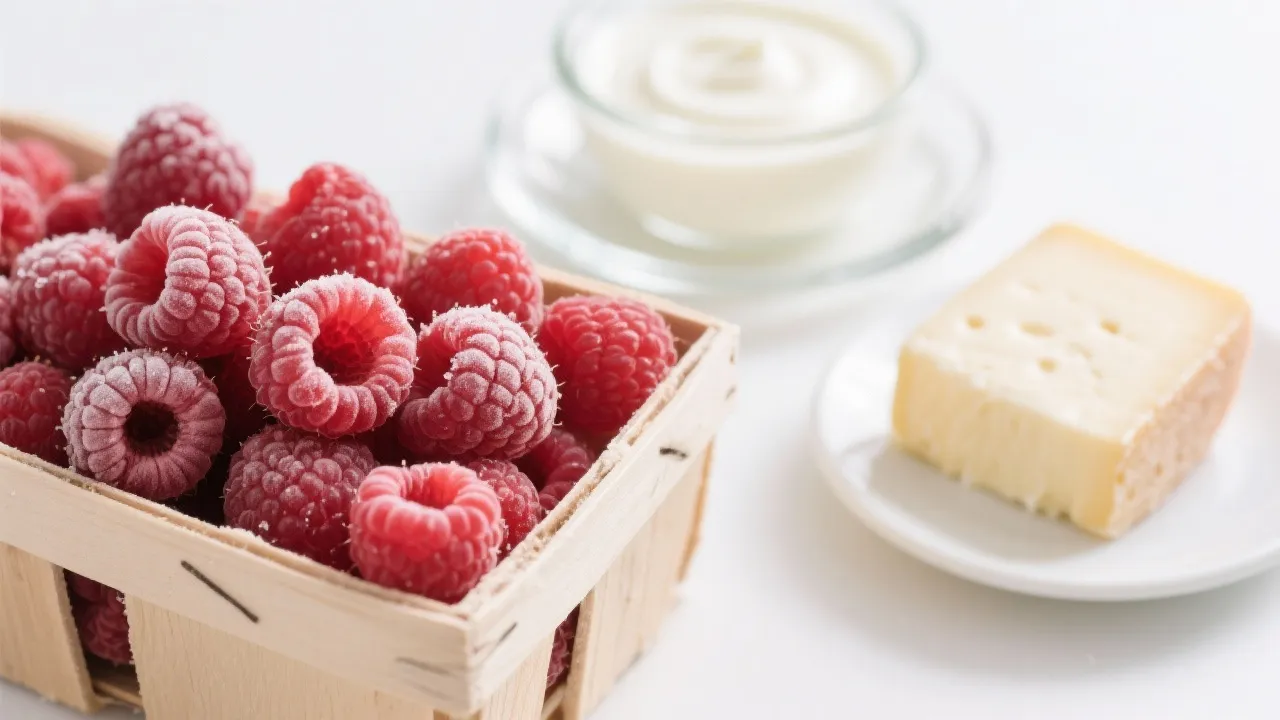
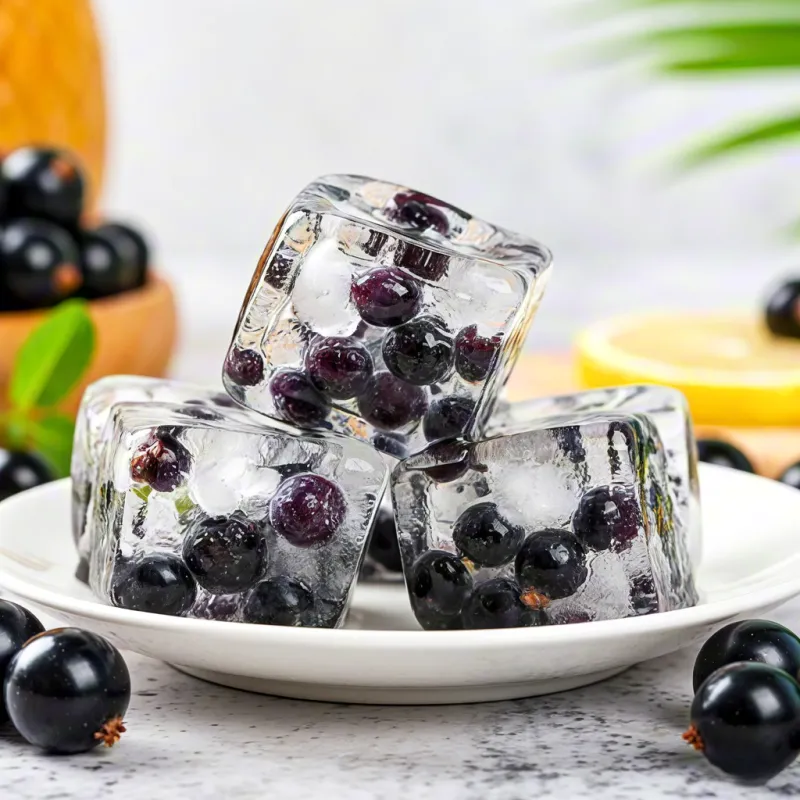
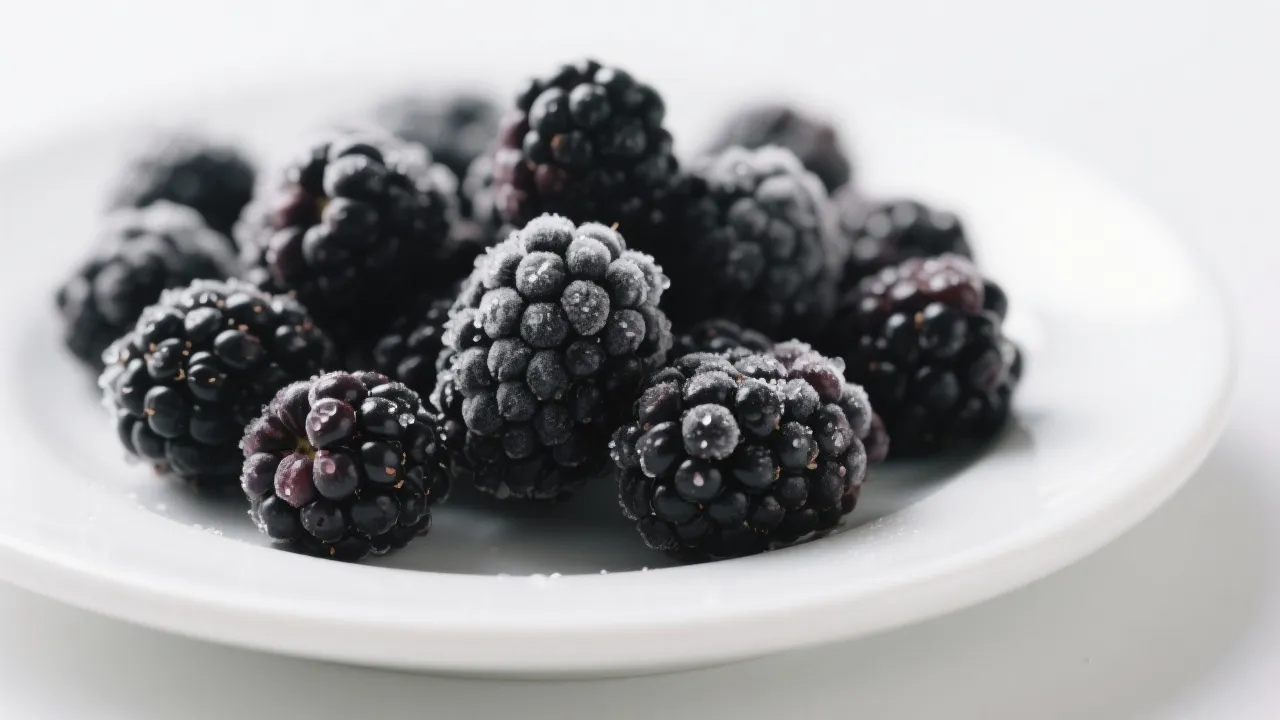
For many consumers, the experience of buying frozen blackberries can be disappointing. Regularly frozen blackberries often turn discolored and have a sub - par texture. But why does this happen? When blackberries are frozen at a slow rate, large ice crystals form within the fruit cells. These ice crystals rupture the cell walls, causing the fruit to lose its natural structure. As a result, when thawed, the blackberries release their juices, leading to a mushy texture and a significant loss of flavor.
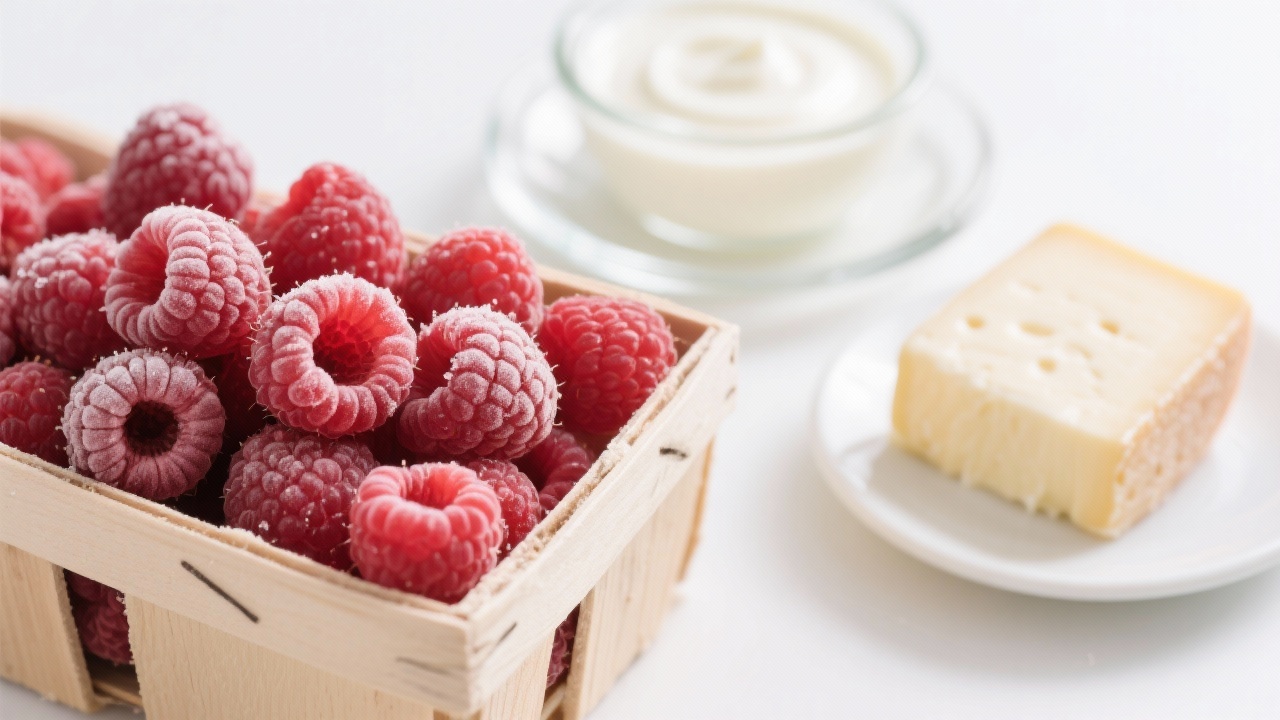
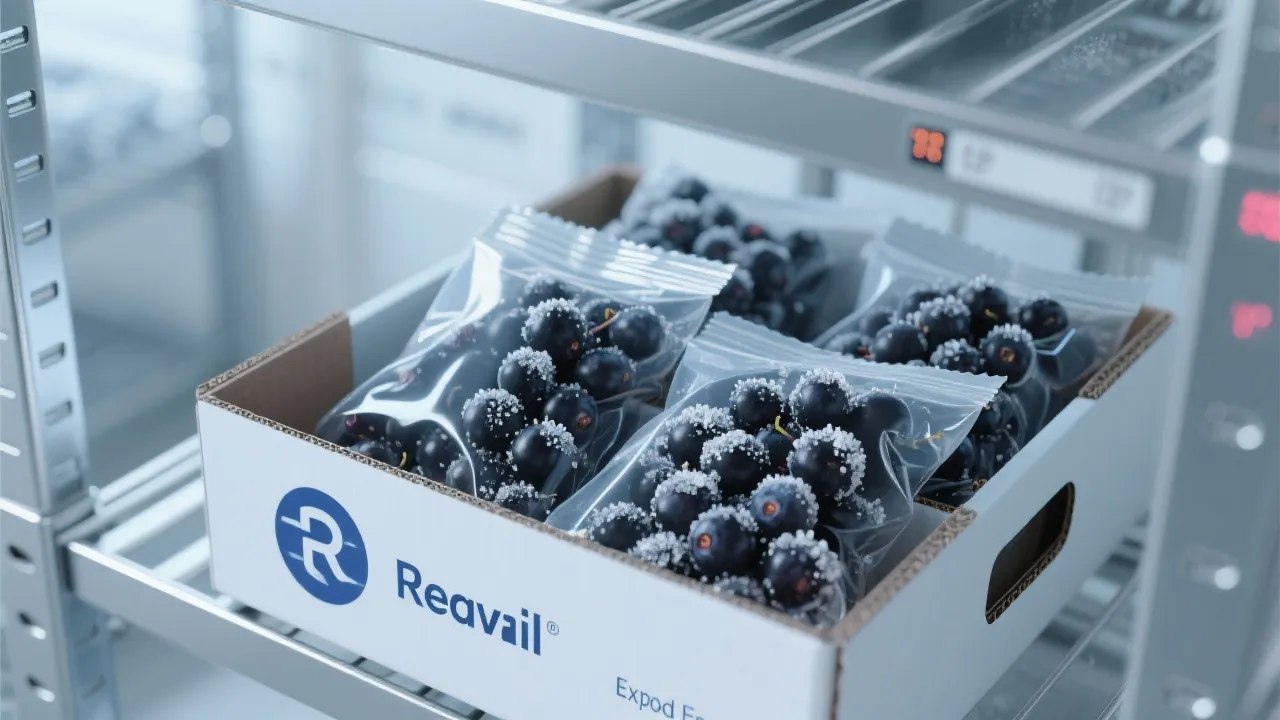
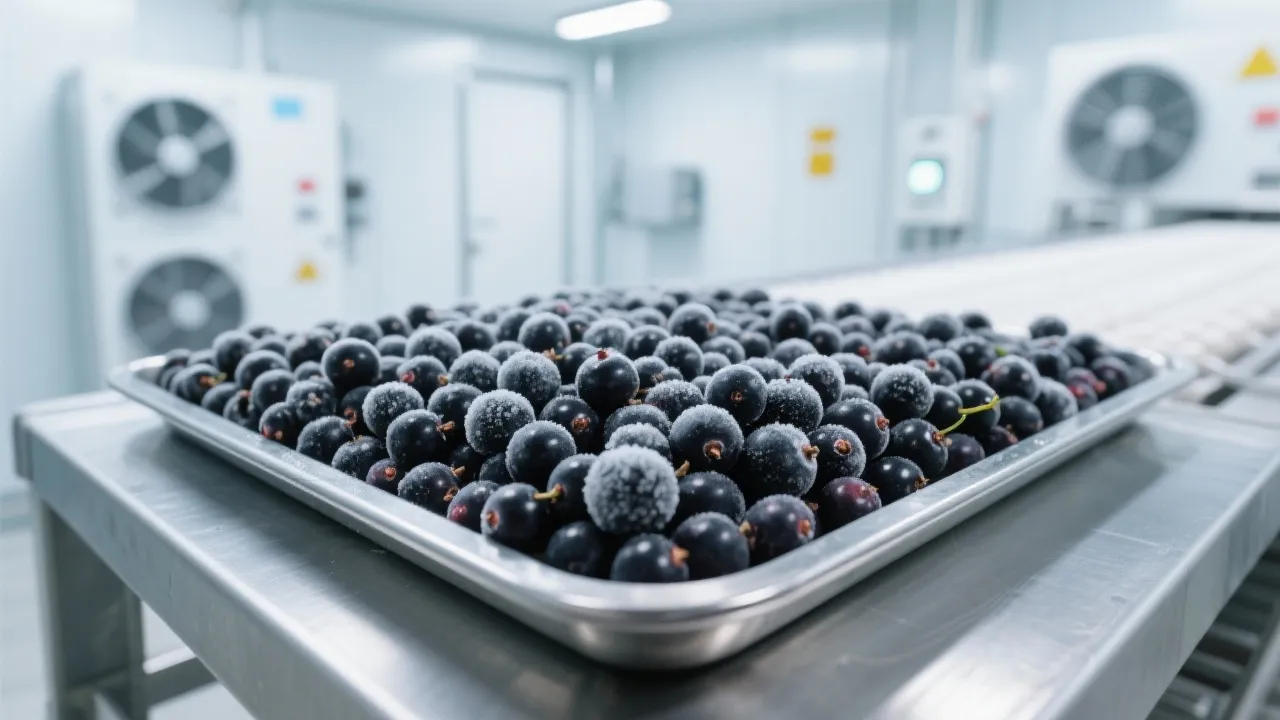
The key to preserving the quality of blackberries lies in the speed of ice crystal formation. Quick freezing technology can lock in the natural flavor and nutrients of blackberries within one second. When blackberries are frozen rapidly, numerous tiny ice crystals form. These small ice crystals cause minimal damage to the fruit cells because they do not have enough time to grow large enough to rupture the cell walls. In contrast, slow freezing allows large ice crystals to develop, which severely damages the cell structure.
A study in Food Chemistry showed that at a slow freezing rate, the retention rate of antioxidants such as vitamin C and anthocyanins in blackberries was only about 30 - 40%. However, with quick freezing, the retention rate of these antioxidants can reach up to 80 - 90%. This data clearly demonstrates the superiority of quick freezing in preserving the nutritional value of blackberries.
In the baking industry, quick - frozen blackberries are highly favored. Bakers need fruits that can maintain their shape and flavor during the baking process. Quick - frozen blackberries are less likely to break their skins and have a more stable flavor. Whether it's for making blackberry pies, tarts, or muffins, these berries can provide a consistent taste and appearance, making them an ideal ingredient for professional bakers.
To ensure the safety and quality consistency of frozen blackberries, international certifications such as HACCP and ISO 22000 play a crucial role. HACCP (Hazard Analysis and Critical Control Points) is a systematic approach to identifying and preventing food safety hazards. ISO 22000 provides a framework for food safety management systems. Products with these certifications have undergone strict quality control processes, from raw material sourcing to the final freezing and packaging stages. This means that consumers can be confident that they are purchasing high - quality, safe frozen blackberries.
Many consumers may wonder if they can use their home refrigerators to freeze blackberries. While it is possible, home refrigerators usually do not have the same quick - freezing capabilities as industrial equipment. The freezing rate in a home refrigerator is relatively slow, which may lead to the problems mentioned earlier, such as large ice crystal formation and nutrient loss. Therefore, for the best preservation of blackberries, it is recommended to choose commercially quick - frozen products.
In conclusion, quick freezing technology is the key to keeping blackberries fresh and nutritious. If you are looking for high - quality frozen blackberries that can bring you the same freshness as fresh ones, click here to explore our range of quick - frozen blackberries and let every single blackberry be as fresh as ever!

 143
|
143
|
 Cold - chain temperature control for freeze - dried raspberry powder
Supply chain management of freeze - dried raspberry powder
Logistics tracking of freeze - dried raspberry powder
Replenishment mechanism of freeze - dried raspberry powder
Export - grade freeze - dried raspberry powder
324
|
Organic frozen blackberry smoothie recipe
frozen blackberry nutrition pairing
healthy DIY beverages guide
premium frozen fruit usage
smoothie texture enhancement techniques
109
|
whole-fruit freeze-dried raspberry powder
premium dietary supplement ingredients
functional food raw materials
cold chain preservation technology
nutrient retention in freeze-dried fruits
208
|
Halal certified frozen fruit
frozen blackberry export to Middle East
organic and Halal certification
halal food market entry
frozen fruit international standards
160
|
Quick freezing technology
Nutritional retention of frozen blackberries
Organic frozen blackberries
Blackberry quality control
Fruit quick freezing
Cold - chain temperature control for freeze - dried raspberry powder
Supply chain management of freeze - dried raspberry powder
Logistics tracking of freeze - dried raspberry powder
Replenishment mechanism of freeze - dried raspberry powder
Export - grade freeze - dried raspberry powder
324
|
Organic frozen blackberry smoothie recipe
frozen blackberry nutrition pairing
healthy DIY beverages guide
premium frozen fruit usage
smoothie texture enhancement techniques
109
|
whole-fruit freeze-dried raspberry powder
premium dietary supplement ingredients
functional food raw materials
cold chain preservation technology
nutrient retention in freeze-dried fruits
208
|
Halal certified frozen fruit
frozen blackberry export to Middle East
organic and Halal certification
halal food market entry
frozen fruit international standards
160
|
Quick freezing technology
Nutritional retention of frozen blackberries
Organic frozen blackberries
Blackberry quality control
Fruit quick freezing



.png?x-oss-process=image/resize,h_100,m_lfit/format,webp)
.png?x-oss-process=image/resize,h_100,m_lfit/format,webp)
.png?x-oss-process=image/resize,h_100,m_lfit/format,webp)
 English


