
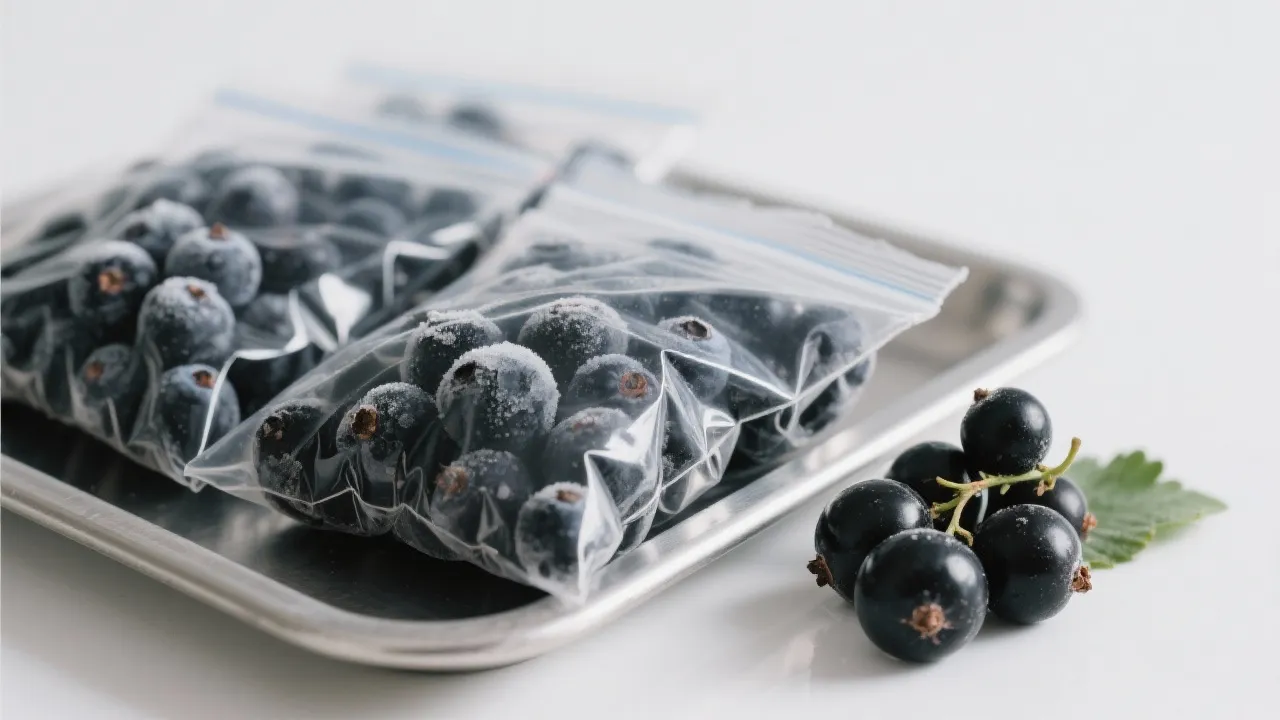
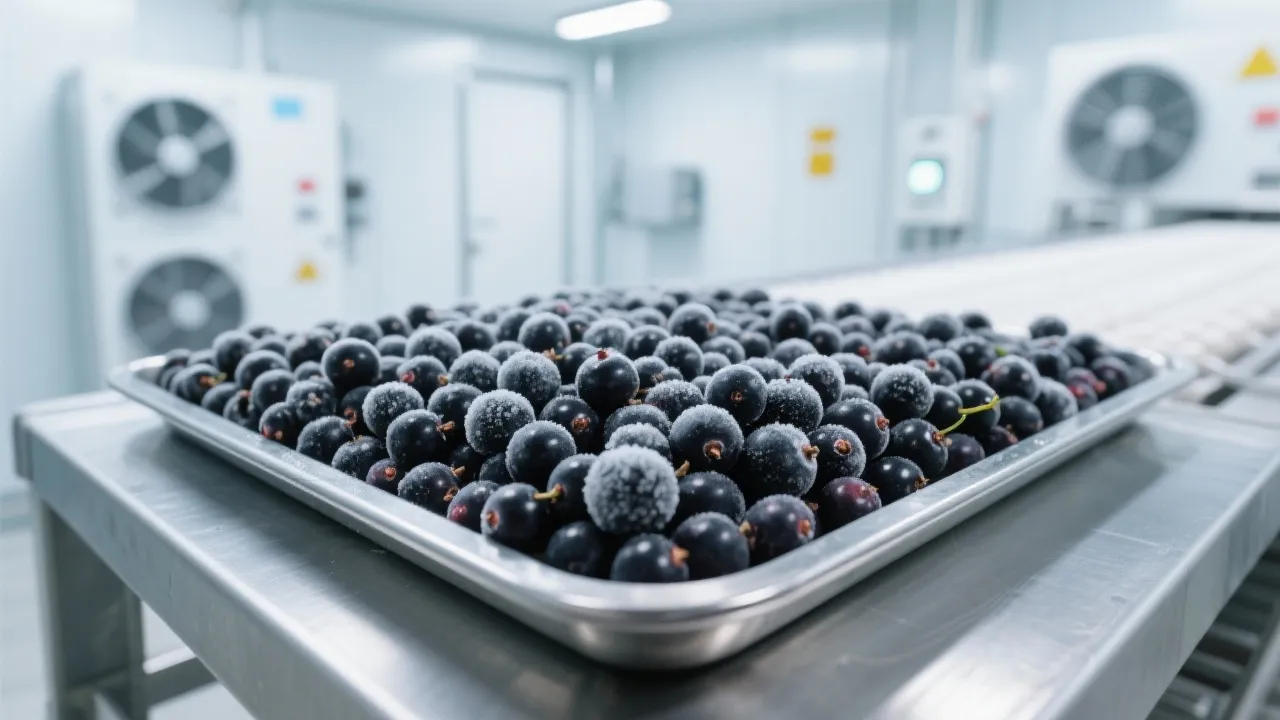
Have you ever wondered why commercially frozen blackberries often lose their vibrant color and rich nutritional value? In this article, a food preservation engineer will reveal how flash-freezing technology preserves the anthocyanins in blackberries through a rapid cooling process, typically freezing at temperatures below -40°C. This in - depth exploration will help consumers and food industry professionals understand the science behind high - quality frozen blackberries and dispel common misconceptions along the way.
When you freeze blackberries in a regular freezer, you may notice that they emerge with a dull color and a different taste. This is because the slow freezing process fails to protect the delicate cellular structure of the blackberries. The question is, what exactly happens at the microscopic level during the freezing process?
To understand the difference between slow and fast freezing, let's take a look at the microscopic view. In slow freezing, water within the blackberry cells forms large ice crystals. These large crystals can puncture the cell membranes, causing the cells to rupture and release their contents. As a result, the blackberries lose their shape, texture, and eventually, their nutritional value.
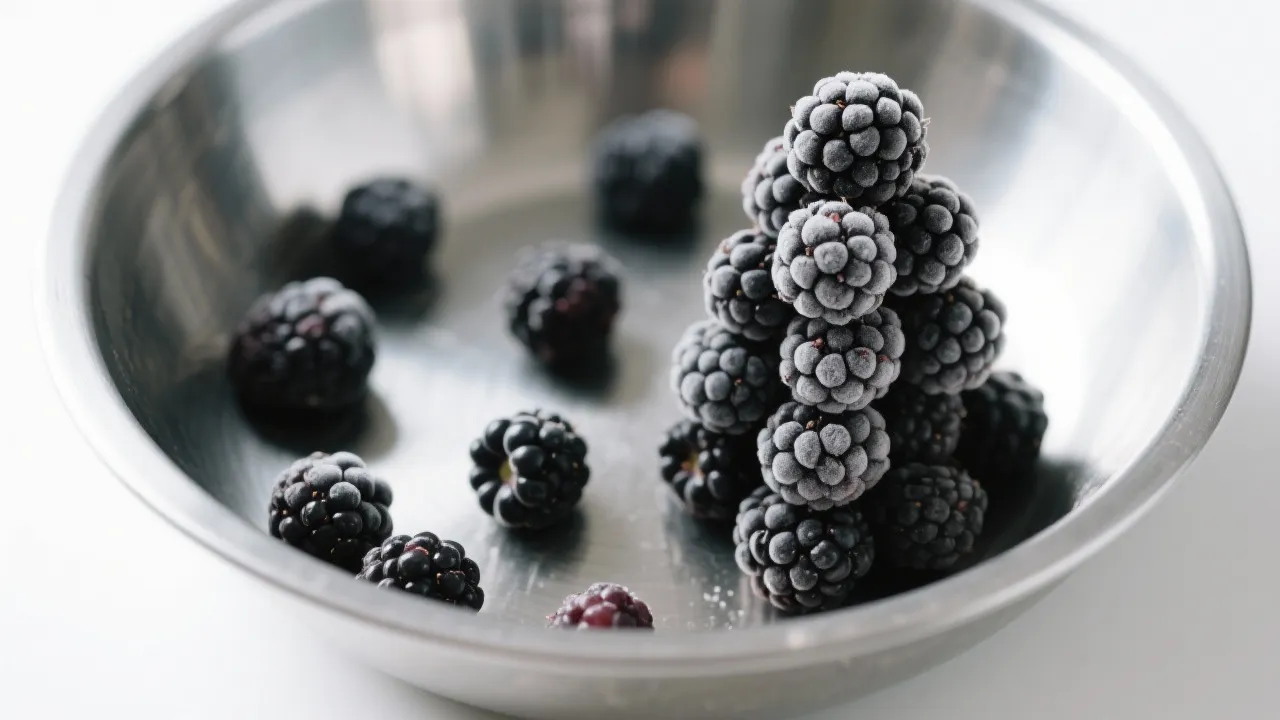
On the contrary, flash - freezing technology rapidly drops the temperature, causing the water in the cells to form tiny ice crystals. These small crystals are less likely to damage the cell structure, preserving the integrity of the blackberry cells. The following image provides a visual comparison of ice crystal formation in slow and fast - frozen blackberries. 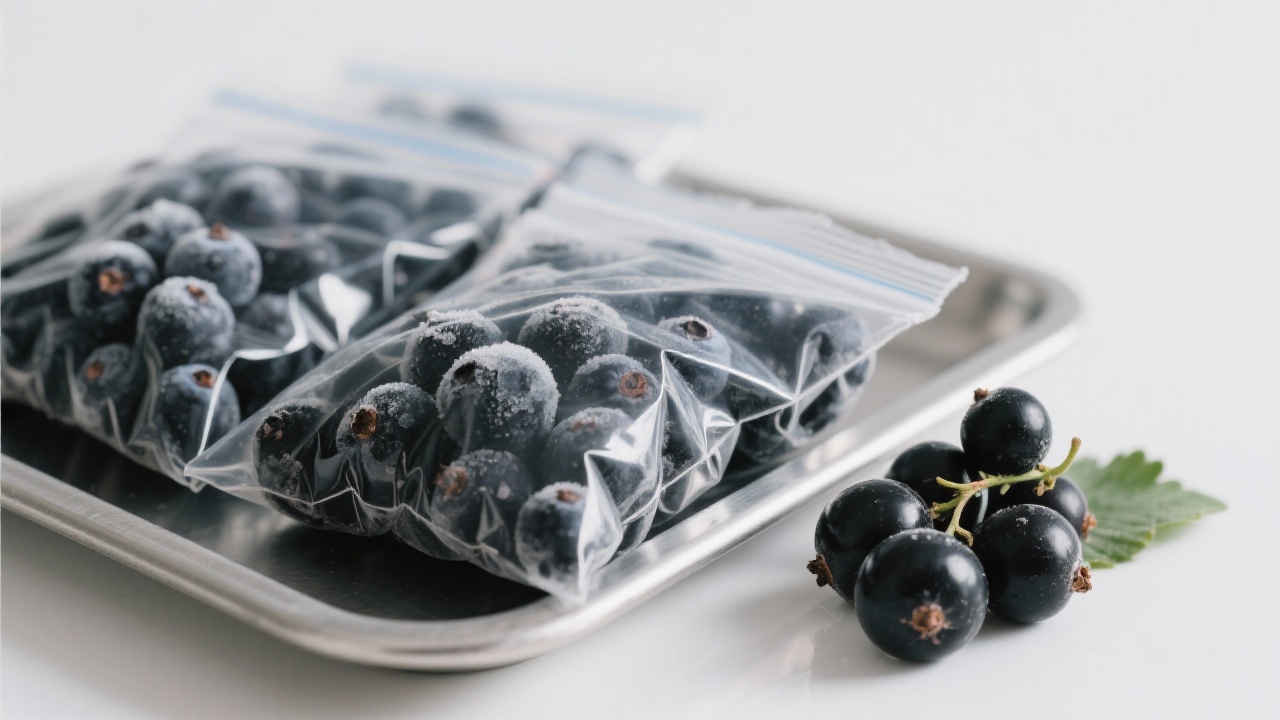
Anthocyanins and vitamin C are two of the most important nutrients in blackberries. Their stability under different freezing conditions is crucial for the nutritional value of frozen blackberries. According to research, in slow - frozen blackberries, the anthocyanin retention rate can be as low as 30%, while in flash - frozen blackberries, it can reach up to 90%. Similarly, the retention rate of vitamin C in slow - frozen blackberries is around 40%, compared to 80% in flash - frozen ones.
The following table presents the retention rates of anthocyanins and vitamin C under different freezing conditions:
| Nutrient | Slow - Frozen Retention Rate | Flash - Frozen Retention Rate |
|---|---|---|
| Anthocyanins | 30% | 90% |
| Vitamin C | 40% | 80% |
The findings in this article are supported by research published in the Food Chemistry journal. The study conducted experiments on different fruits, including blackberries, and provided solid evidence on the relationship between freezing speed and nutrient retention. By referring to this well - respected research, we can have more confidence in the benefits of flash - freezing technology.
Flash - frozen blackberries are highly favored by bakers and healthy meal preparers. Bakers appreciate the fact that these blackberries maintain their shape and nutritional value during the baking process, adding both flavor and color to their products. Healthy meal preparers use them to create smoothies, salads, and other dishes, knowing that they are getting the maximum nutritional benefits.
Now, let's turn our attention to your home freezer. Is it capable of providing the same level of freezing quality as commercial flash - freezing technology? Most home freezers operate at temperatures around - 18°C, which is far from the - 40°C or lower required for flash - freezing. This means that the ice crystals formed in your home - frozen blackberries are likely to be larger, resulting in a loss of nutrients and quality. So, are you still relying on your home freezer to preserve high - value frozen fruits?
Understanding the science behind flash - freezing technology can help you make more informed decisions when it comes to choosing frozen fruits. By learning about the relationship between freezing speed and nutrient retention, you can truly appreciate the value of high - quality frozen blackberries. If you want to learn more about food preservation techniques and make more scientific choices in your food selection, click here to explore more knowledge about frozen food preservation.

 68
|
68
|
 Blackcurrant quick - freezing
Liquid nitrogen freezing technology
Quality of frozen fruits
Juice and jam processing
Cold - chain transportation guarantee
330
|
HACCP certification for frozen berries
EU food import regulations
cold chain management in fruit processing
black currant quality control
food safety compliance in frozen foods
362
|
frozen blackberry quality control
manual sorting for whole fruit
organic frozen berries
B2B frozen fruit procurement
high whole berry retention
39
|
Frozen blackcurrant EU standards
HACCP certification supply chain
Frozen fruit quality control
European market food safety
Blackcurrant custom packaging
410
|
organic frozen blackberries
healthy smoothie recipes
nutritional retention of frozen fruits
blackberry smoothie making methods
natural additive - free drinks
Blackcurrant quick - freezing
Liquid nitrogen freezing technology
Quality of frozen fruits
Juice and jam processing
Cold - chain transportation guarantee
330
|
HACCP certification for frozen berries
EU food import regulations
cold chain management in fruit processing
black currant quality control
food safety compliance in frozen foods
362
|
frozen blackberry quality control
manual sorting for whole fruit
organic frozen berries
B2B frozen fruit procurement
high whole berry retention
39
|
Frozen blackcurrant EU standards
HACCP certification supply chain
Frozen fruit quality control
European market food safety
Blackcurrant custom packaging
410
|
organic frozen blackberries
healthy smoothie recipes
nutritional retention of frozen fruits
blackberry smoothie making methods
natural additive - free drinks



.png?x-oss-process=image/resize,h_100,m_lfit/format,webp)
.png?x-oss-process=image/resize,h_100,m_lfit/format,webp)
.png?x-oss-process=image/resize,h_100,m_lfit/format,webp)
 English


