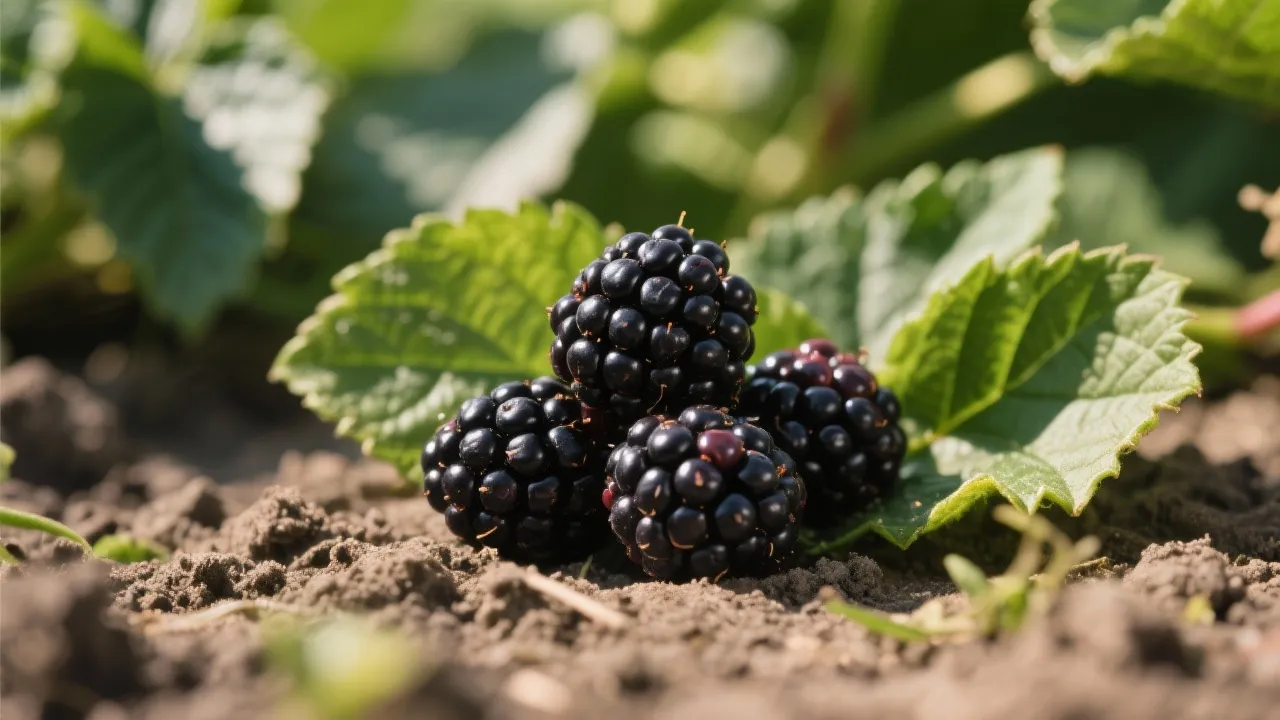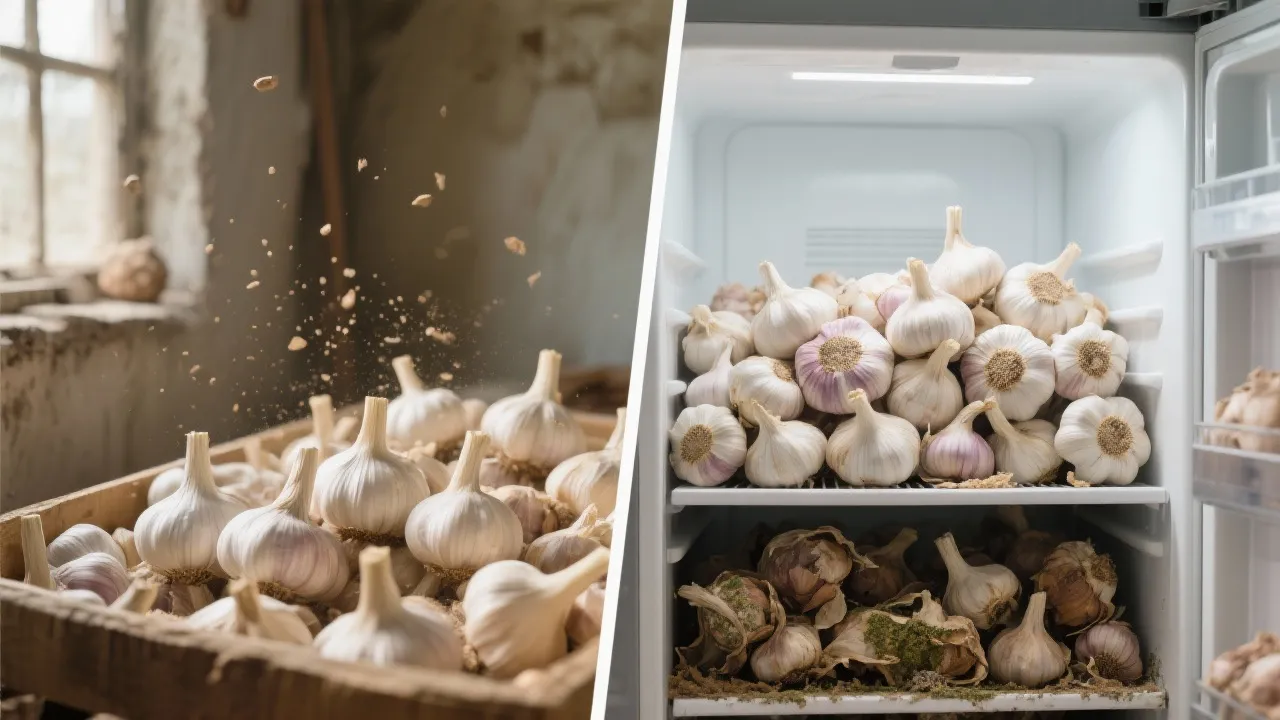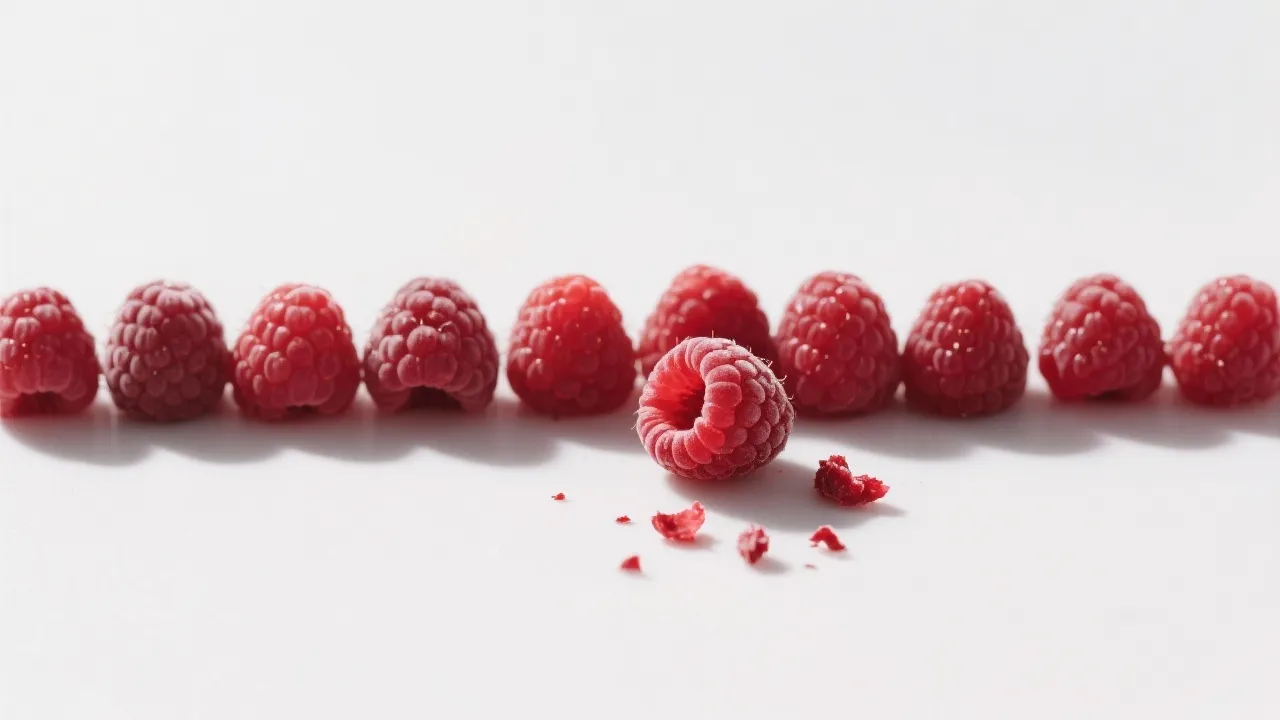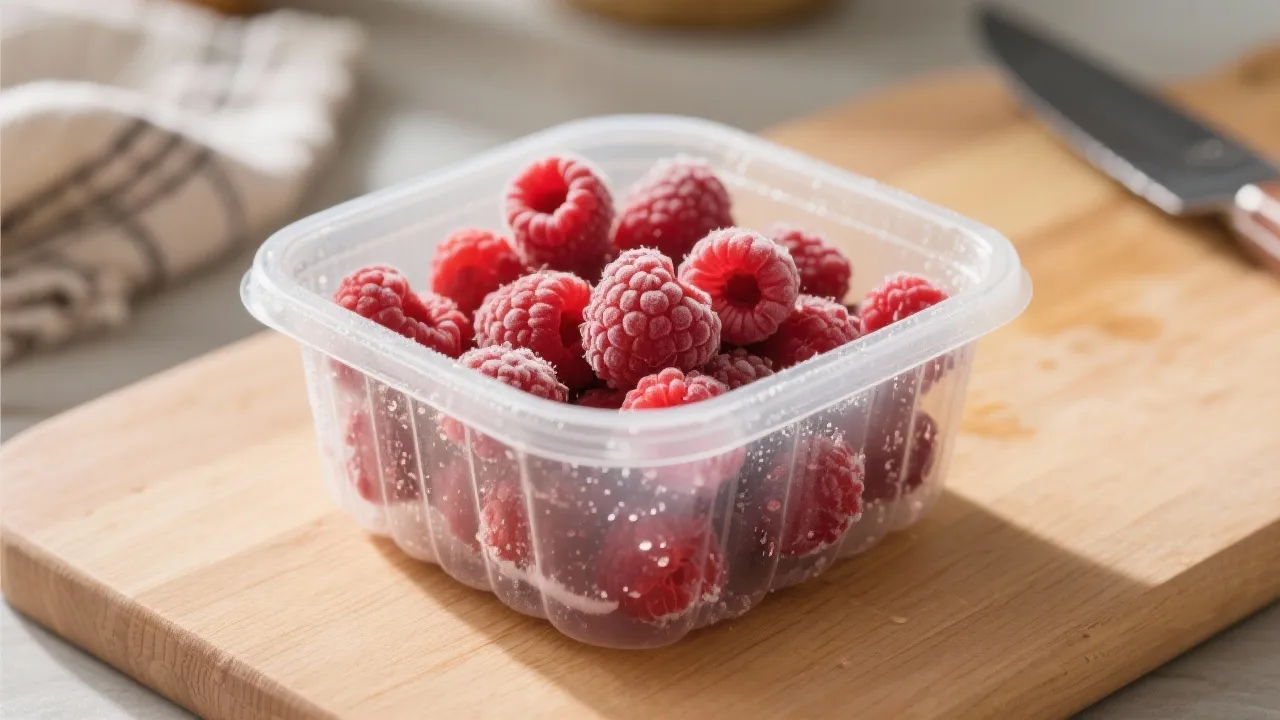
When blackberries are slowly frozen in a typical home freezer, their vibrant hue fades and texture deteriorates—often within weeks. This isn’t just about aesthetics. A study published in Food Chemistry (Vol. 345, 2023) found that conventional freezing can reduce anthocyanin levels by up to 40% and vitamin C by over 35% after just 60 days. Why does this happen—and how can food processors, chefs, and health-conscious brands avoid it?
The key lies in ice crystal formation. In slow freezing (e.g., -18°C over 24 hours), large ice crystals form inside the fruit cells, rupturing cell walls and damaging structural integrity. By contrast, rapid freezing at temperatures below -40°C locks water molecules into tiny, harmless microcrystals in under one second.
According to research from the University of California Davis, this process preserves up to 92% of anthocyanins and 87% of vitamin C—compared to only 58% and 63%, respectively, in standard methods. That’s not just science—it’s a measurable difference in nutritional value for your end products.
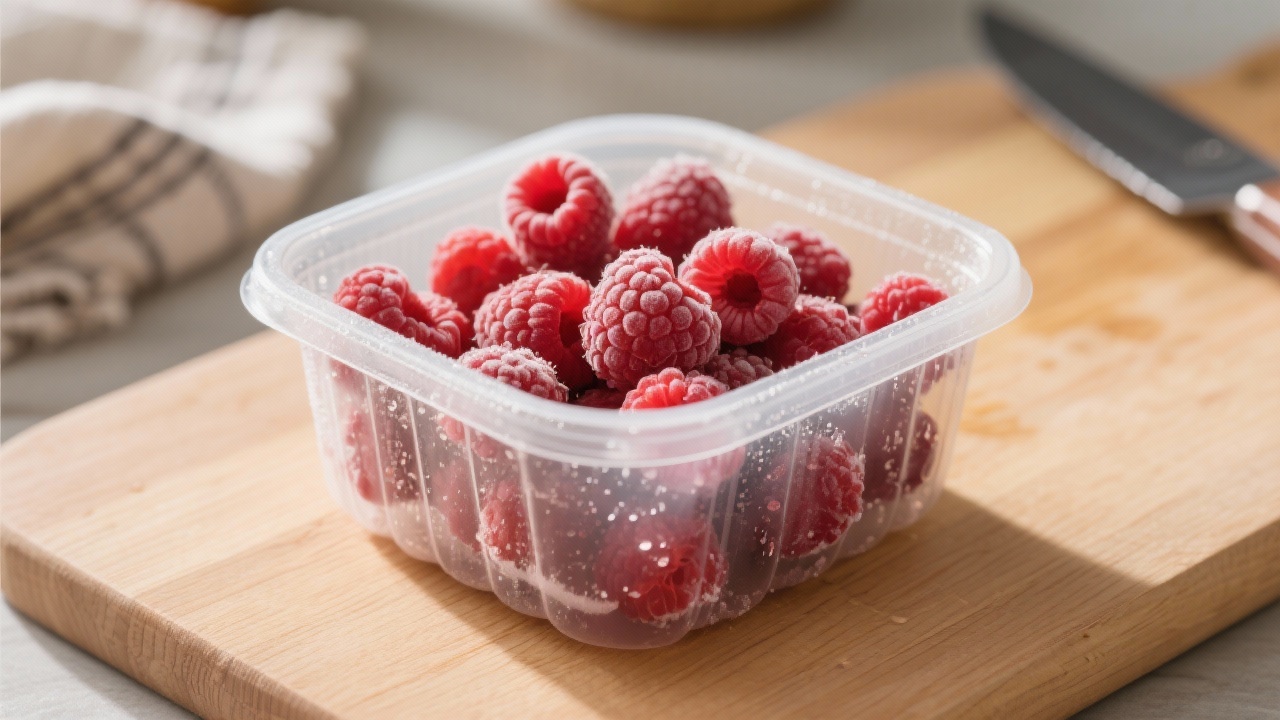
For bakery suppliers, smoothie makers, or gourmet meal prep companies, the choice of frozen blackberries directly impacts flavor consistency, shelf life, and customer satisfaction. High-quality, rapidly frozen berries retain their natural sweetness and antioxidant power—even when thawed and used in baked goods or blended drinks.
One European pastry manufacturer reported a 20% increase in repeat orders after switching to fast-frozen blackberries—attributed to better texture retention and fewer customer complaints about "mushy" or bland fruit.
In today’s global supply chain, HACCP and ISO 22000 certifications aren’t just checkboxes—they’re proof points. These standards ensure consistent temperature control, hygiene protocols, and traceability throughout the freezing process. For B2B buyers sourcing from overseas, these credentials eliminate risk and streamline compliance with local food safety laws in the EU, US, GCC, and beyond.
You might be wondering: Is your home freezer suitable for high-value fruits like blackberries? Most residential units operate around -18°C and lack rapid freeze cycles. If you're serious about quality, consider investing in commercial-grade equipment—or partnering with producers who use industrial-grade flash-freezing tech.
Ready to make smarter ingredient choices?
Discover how our certified rapid-frozen blackberries support clean-label formulations, extended shelf life, and superior sensory profiles across multiple food applications.

 82
|
82
|
 liquid nitrogen freezing technology
black currant freezing process
nutrient retention in frozen berries
cold chain logistics for fruit
industrial fruit quality control
139
|
Rapid freezing technology
Nutrient preservation of frozen blackberries
Vitamin C preservation
Antioxidant preservation
Blackberry supply - chain management
354
|
rapid frozen blackberries
blackberry freezing technology
cellular preservation in fruit
food freezing principles
organic frozen berries
129
|
freeze dried raspberry powder supply chain
cold chain logistics management
export grade raspberry powder
OEM raspberry powder supplier
temperature-controlled shipping
180
|
freeze dried raspberry powder supply chain
-18°C冷链运输标准
cold chain logistics tracking
temperature-controlled food ingredients
B2B raw material sourcing
liquid nitrogen freezing technology
black currant freezing process
nutrient retention in frozen berries
cold chain logistics for fruit
industrial fruit quality control
139
|
Rapid freezing technology
Nutrient preservation of frozen blackberries
Vitamin C preservation
Antioxidant preservation
Blackberry supply - chain management
354
|
rapid frozen blackberries
blackberry freezing technology
cellular preservation in fruit
food freezing principles
organic frozen berries
129
|
freeze dried raspberry powder supply chain
cold chain logistics management
export grade raspberry powder
OEM raspberry powder supplier
temperature-controlled shipping
180
|
freeze dried raspberry powder supply chain
-18°C冷链运输标准
cold chain logistics tracking
temperature-controlled food ingredients
B2B raw material sourcing


.png?x-oss-process=image/resize,h_100,m_lfit/format,webp)
.png?x-oss-process=image/resize,h_100,m_lfit/format,webp)
.png?x-oss-process=image/resize,h_100,m_lfit/format,webp)
 English