
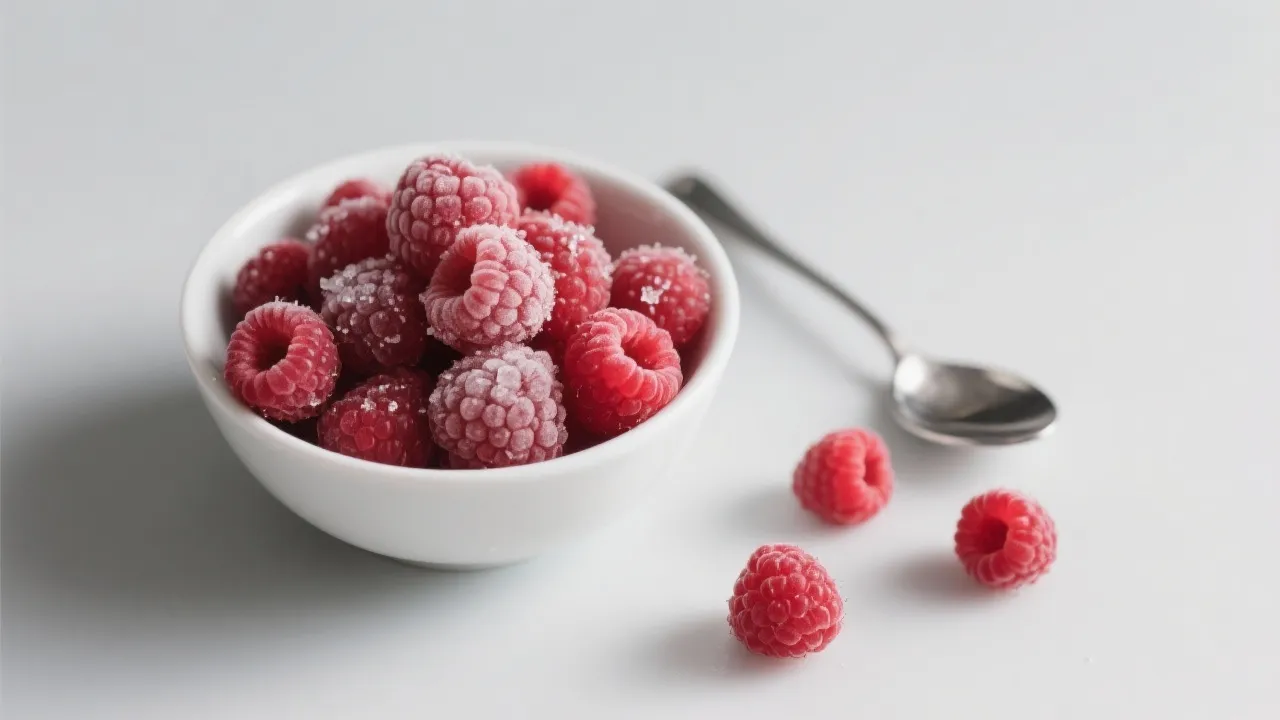
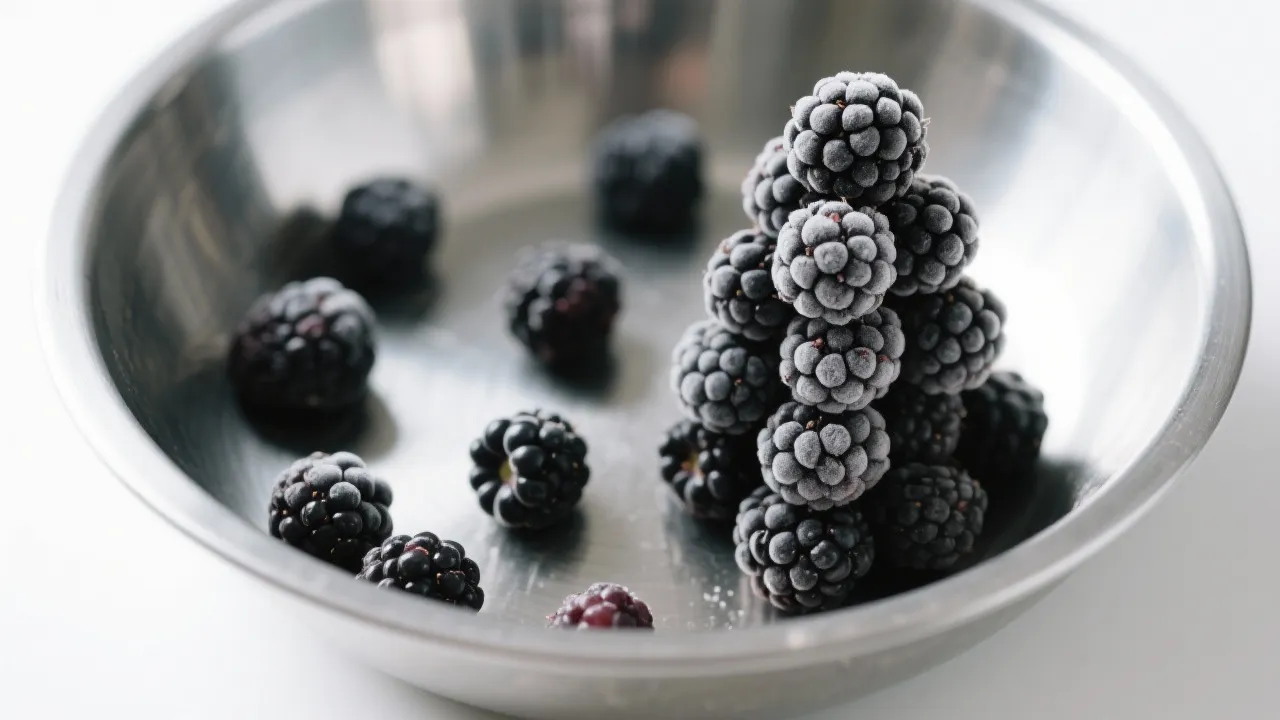
If you’ve ever opened a bag of frozen blackberries only to find them dull in color, mushy in texture, or lacking the vibrant flavor you expect, you’re not alone. The difference isn’t just in the brand—it’s in the freezing process.
When fruit freezes slowly—like in most home freezers (typically around -12°C)—water inside the cells forms large ice crystals. These sharp structures pierce cell walls, rupturing membranes and releasing moisture upon thawing. According to research published in Food Chemistry, this damage can reduce structural integrity by up to 40% in berries like blackberries.
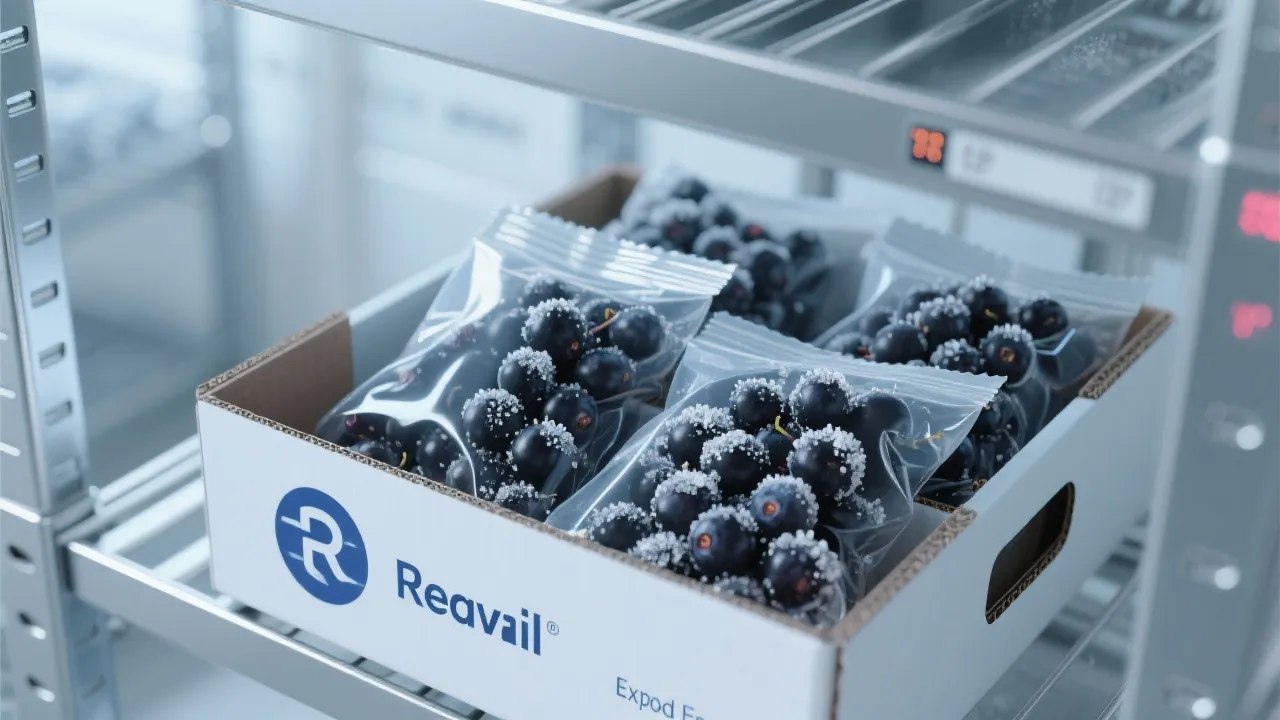
In contrast, rapid freezing at -18°C or lower creates micro-crystals that are too small to cause significant harm. A study from the University of California Davis showed that berries frozen using industrial-grade quick-freeze systems retained over 92% of their original cellular structure compared to just 60% for slow-frozen equivalents.
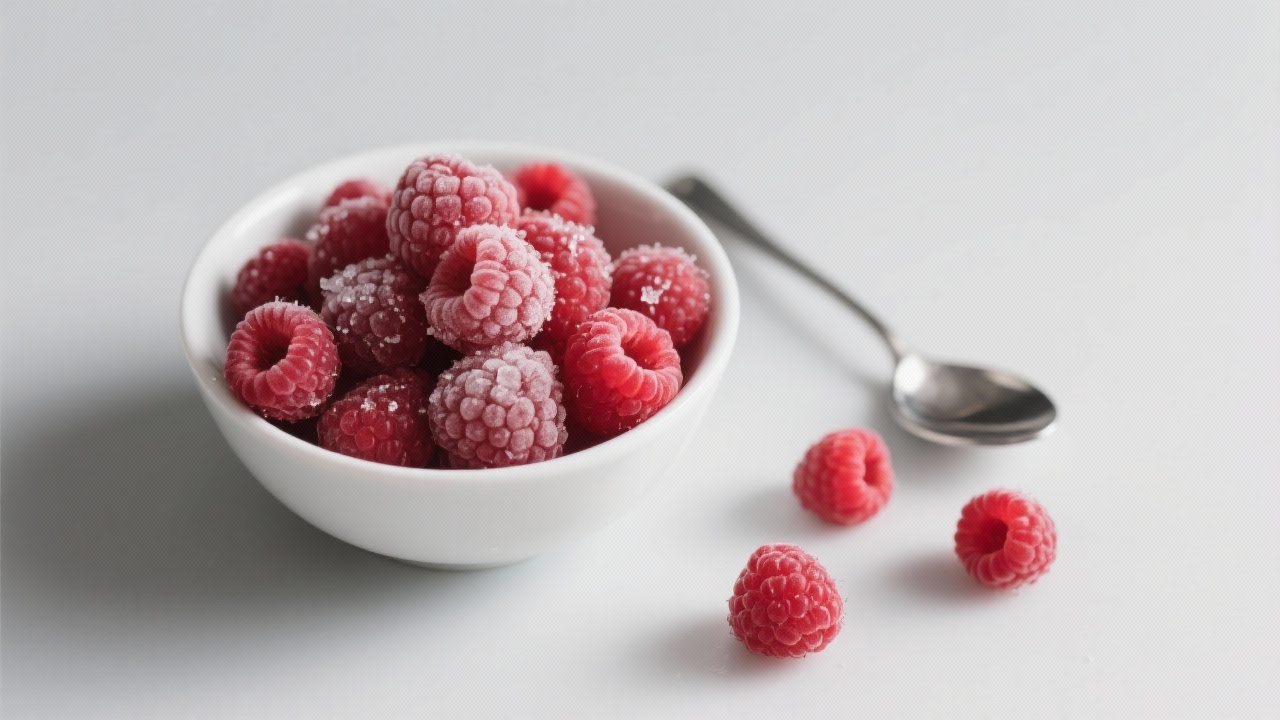
Vitamin C and anthocyanins—the pigments responsible for blackberry’s deep purple hue—are highly sensitive to freeze-thaw cycles. Data from the European Food Safety Authority (EFSA) indicates that improperly frozen berries lose up to 35% of their vitamin C content within three months, while those frozen rapidly retain over 85% even after six months of storage.
That’s why certifications matter. If your supplier holds HACCP or ISO 22000, it means they control temperature consistency, prevent cross-contamination, and ensure traceability—critical for foodservice professionals who need reliable quality every time.
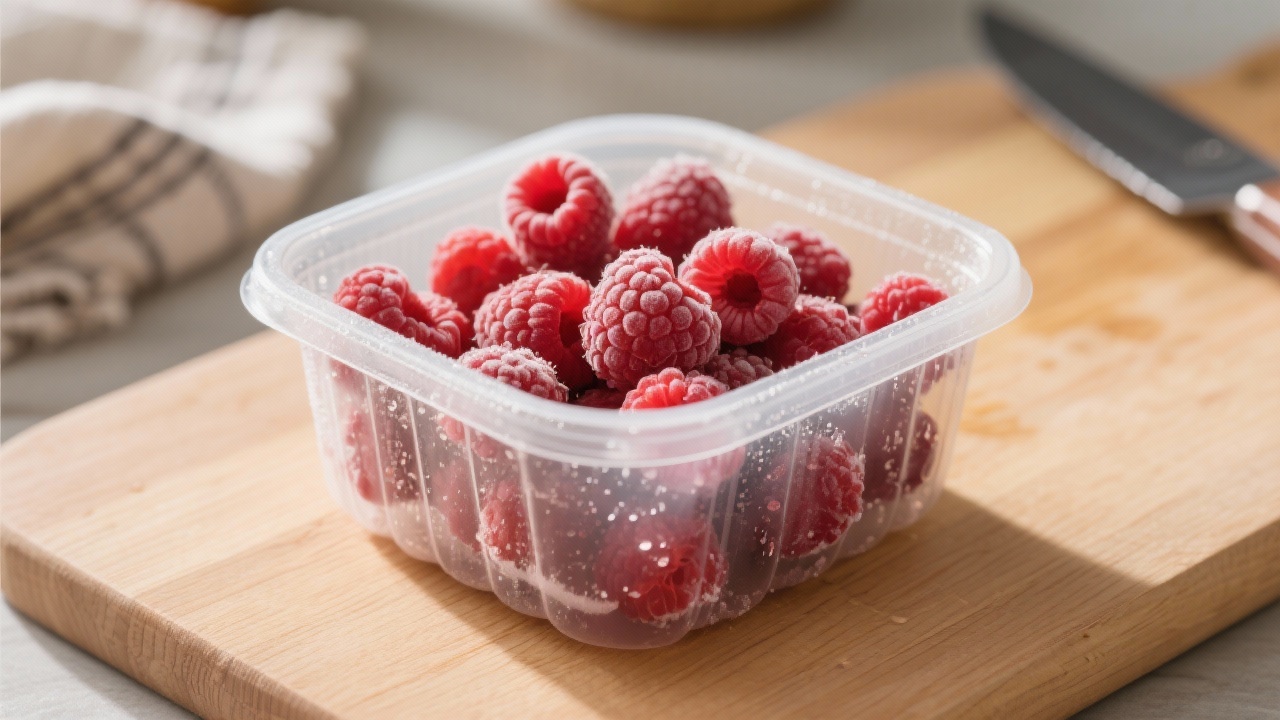
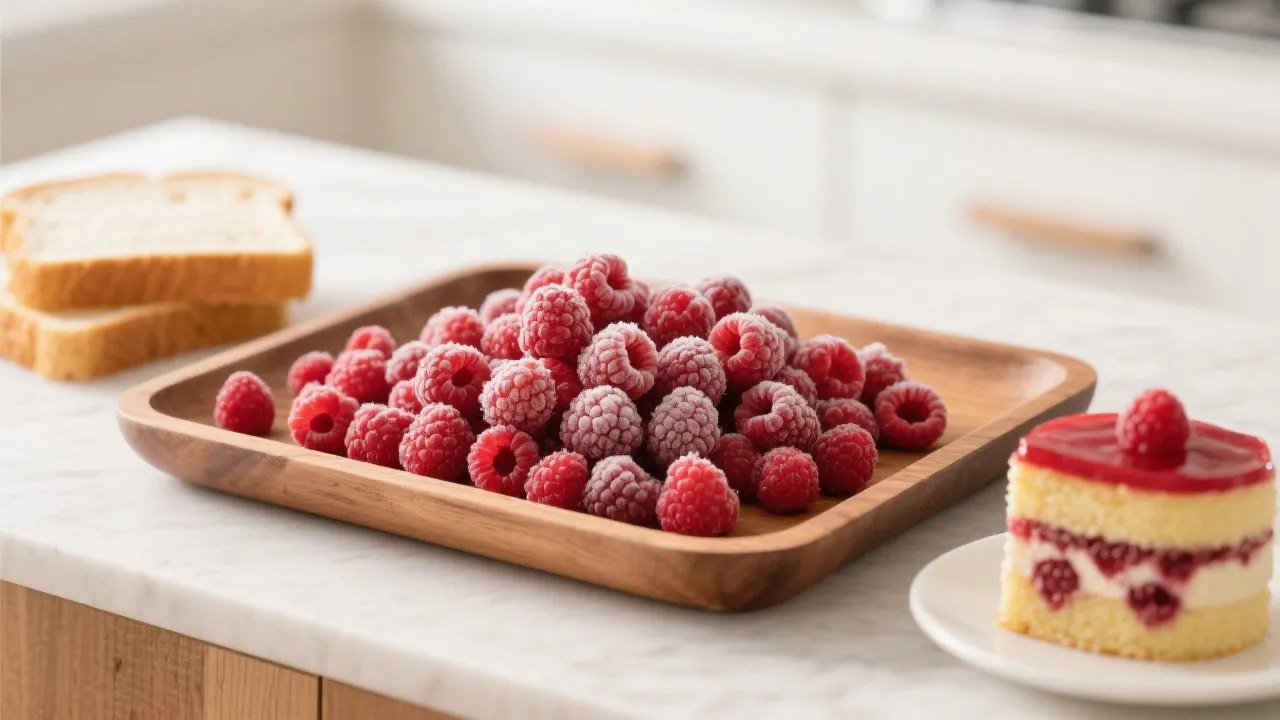
For bakers, slow-frozen berries often bleed into dough during mixing, turning batter gray and affecting texture. For smoothie bars, poor-quality frozen fruit leads to inconsistent taste and customer complaints. But when you use high-integrity frozen blackberries—like those processed with rapid freezing—you get consistent color, firmness, and natural sweetness, whether you're making muffins, yogurt bowls, or sorbets.
And here's a pro tip: Don't store premium frozen berries in your home freezer unless it’s specifically designed for rapid freezing (below -18°C). Most household units fluctuate between -10°C and -15°C, which increases ice crystal growth over time—even if the package says “frozen.”
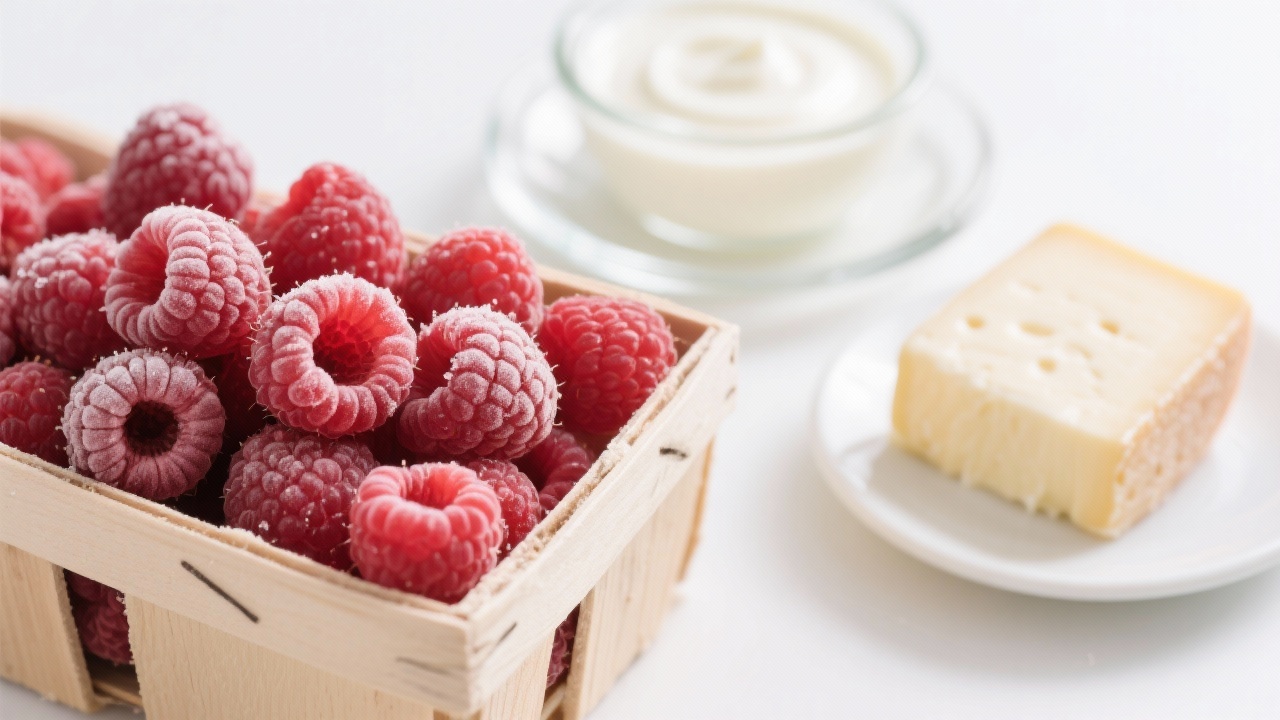
Whether you're sourcing for commercial kitchens, health-conscious products, or premium retail lines, understanding the science behind freezing is key to choosing the right ingredient.
Explore Our Rapid-Freeze Process & Product Range
 111
|
111
|
 Frozen blackcurrant quick - freezing process
Blackcurrant nutrient value retention
Juice and jam processing techniques
Frozen fruit quality control
Cold - chain transportation standards
451
|
Organic frozen blackberries
Quality standards for frozen blackberries
HACCP - certified food supply chain
Three - round manual screening mechanism
Guide to frozen fruit procurement
360
|
ISO 22000 certification
organic frozen blackberries
food safety management system
high-quality frozen berry sourcing
supply chain quality assurance
362
|
Whole freeze-dried raspberry powder
Manual triple screening
Cold chain fresh-locking technology
Functional food raw materials
High-end dietary supplements
349
|
freeze-dried red raspberry powder
anthocyanin preservation
vitamin C stability
functional food ingredients
protein bar formulation
Frozen blackcurrant quick - freezing process
Blackcurrant nutrient value retention
Juice and jam processing techniques
Frozen fruit quality control
Cold - chain transportation standards
451
|
Organic frozen blackberries
Quality standards for frozen blackberries
HACCP - certified food supply chain
Three - round manual screening mechanism
Guide to frozen fruit procurement
360
|
ISO 22000 certification
organic frozen blackberries
food safety management system
high-quality frozen berry sourcing
supply chain quality assurance
362
|
Whole freeze-dried raspberry powder
Manual triple screening
Cold chain fresh-locking technology
Functional food raw materials
High-end dietary supplements
349
|
freeze-dried red raspberry powder
anthocyanin preservation
vitamin C stability
functional food ingredients
protein bar formulation




.png?x-oss-process=image/resize,h_100,m_lfit/format,webp)
.png?x-oss-process=image/resize,h_100,m_lfit/format,webp)
.png?x-oss-process=image/resize,h_100,m_lfit/format,webp)
 English


