In the competitive landscape of functional food production, maintaining the nutritional profile of raw materials from harvest to processing has become a critical differentiator. Food and beverage manufacturers worldwide face the challenge of delivering products that not only meet consumer demand for natural ingredients but also retain the essential vitamins, antioxidants, and phytonutrients that drive product value.
"The temperature at which fruits are frozen directly impacts their cellular structure and nutrient retention. Our research indicates that -18°C represents the optimal balance between microbial inhibition and cellular integrity preservation." — Dr. Michael Chen, Food Science Researcher at International Food Technology Institute
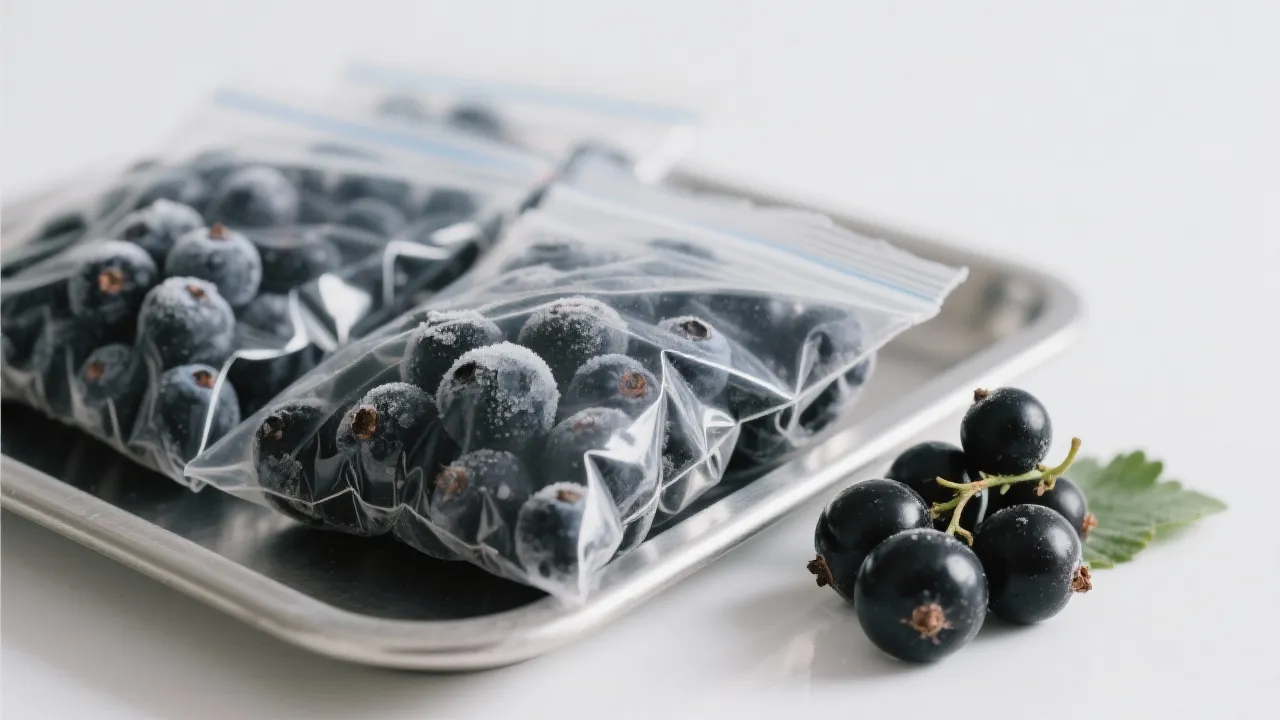
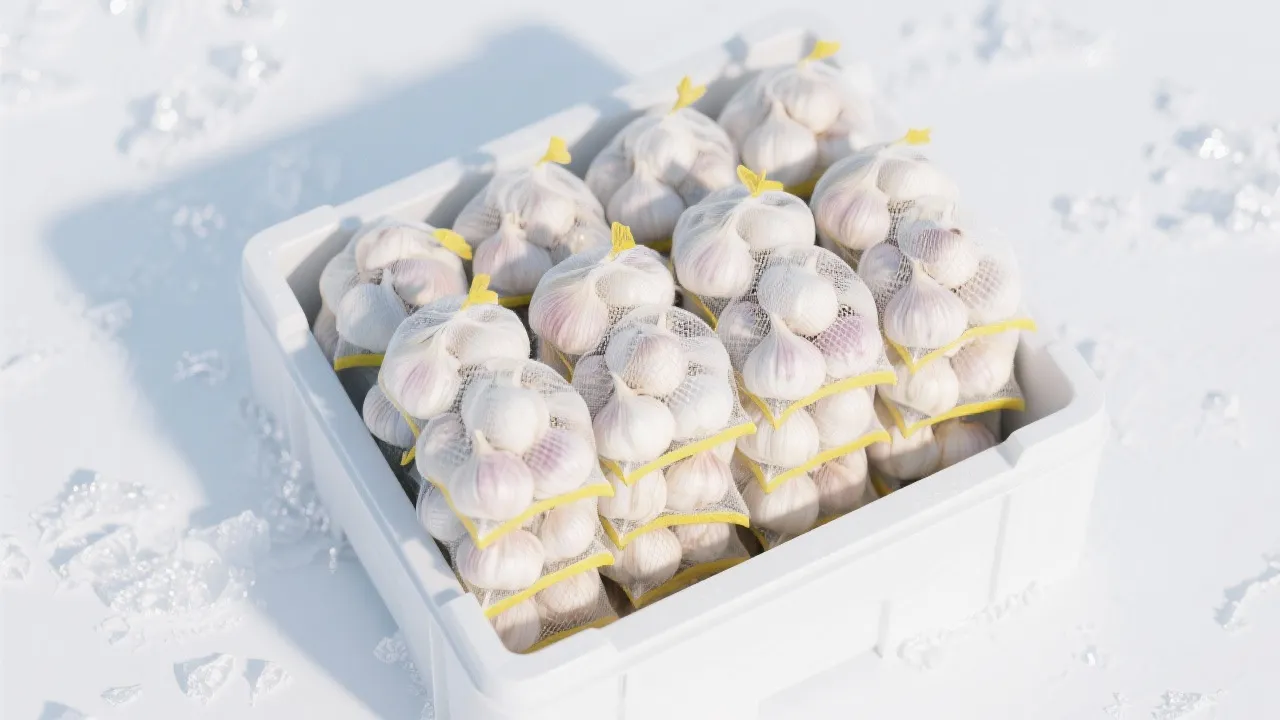
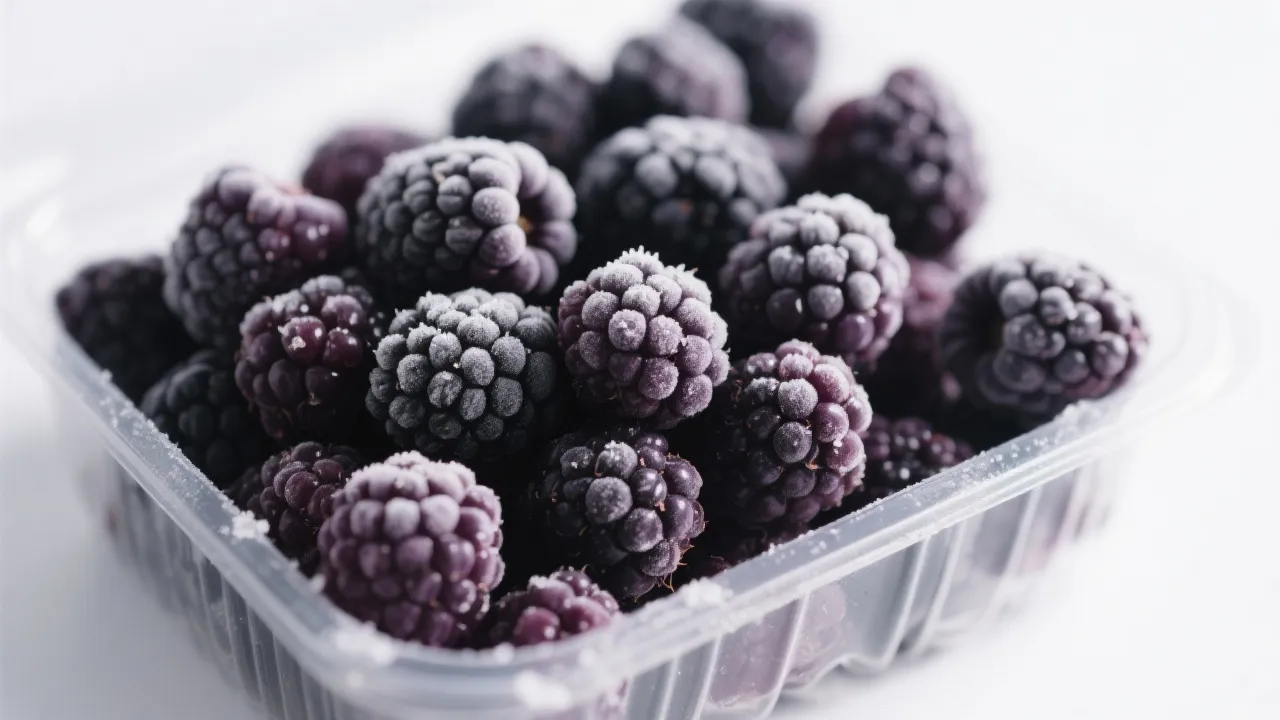
Freezing technology has evolved significantly over the past decade, with temperature precision emerging as a key factor in nutrient retention. At -18°C, the formation of ice crystals within fruit cells is minimized, reducing mechanical damage to cellular structures. This precise temperature range effectively halts enzymatic activity that causes degradation of sensitive compounds like anthocyanins and vitamin C, while maintaining the fruit's natural texture and appearance.
Scientific studies demonstrate that properly frozen fruits at -18°C can retain up to 90% of their original vitamin C content after 12 months of storage, compared to only 50-60% retention in fruits frozen at higher temperatures. Similarly, anthocyanin stability—critical for both color retention and antioxidant properties—is enhanced by 35% when maintained at a consistent -18°C throughout the supply chain.

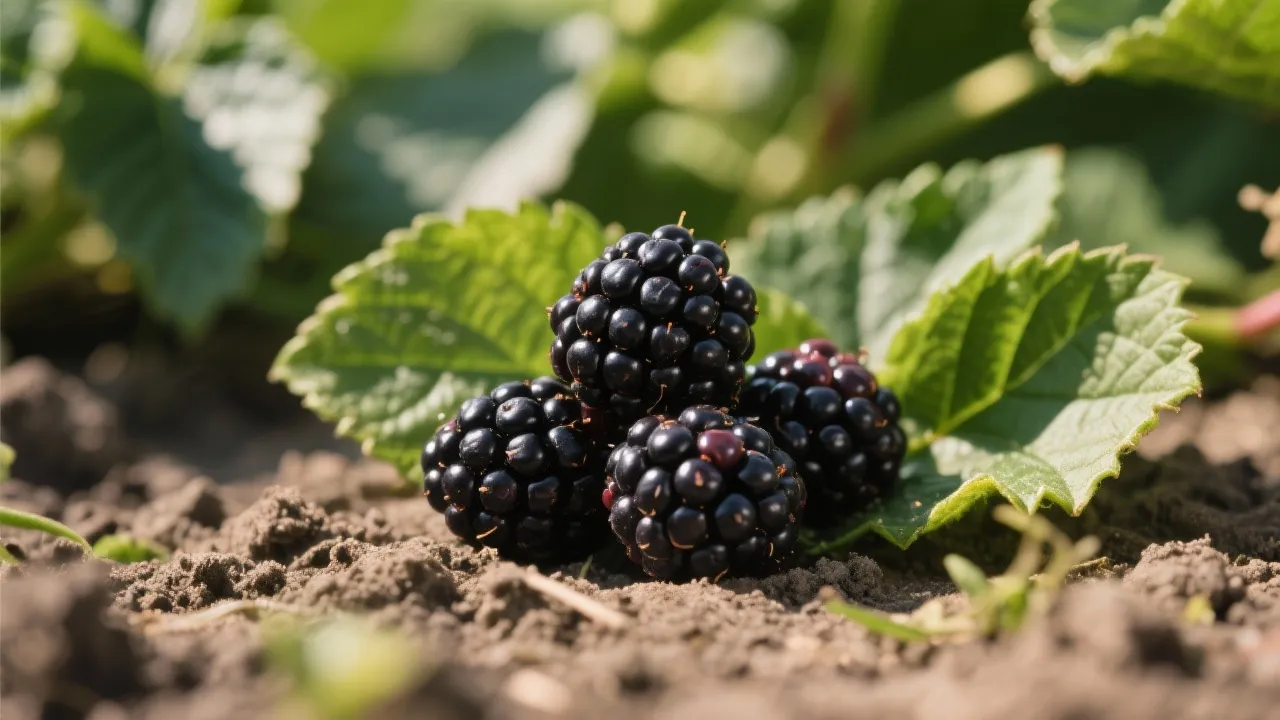
Achieving consistent product quality begins long before freezing. The implementation of a rigorous triple-selection process addresses three critical quality parameters:
This multi-layered approach consistently achieves 95%+ whole fruit integrity, significantly reducing processing waste and ensuring uniform product performance for manufacturers developing functional food applications.
In today's global marketplace, supply chain transparency is non-negotiable. The integration of HACCP (Hazard Analysis and Critical Control Points) and ISO 22000 standards creates a comprehensive food safety management system that spans from farm to finished product.
HACCP's risk-based approach identifies critical control points throughout the production process, while ISO 22000 provides a framework for establishing, implementing, maintaining, and improving a food safety management system. Together, these standards ensure:
Complete batch tracking from harvest location to processing date and distribution channels
Stringent protocols for preventing biological, chemical, and physical hazards at every stage
Standardized processes that deliver uniform quality across production runs and seasons
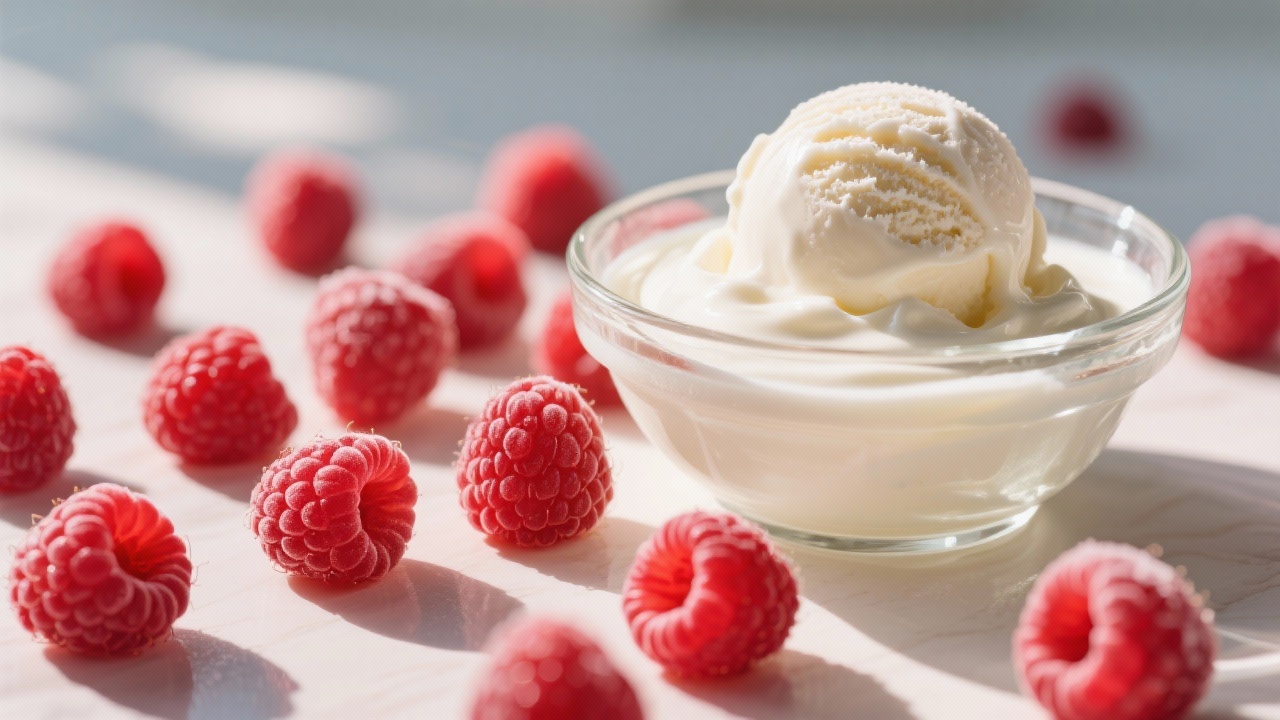
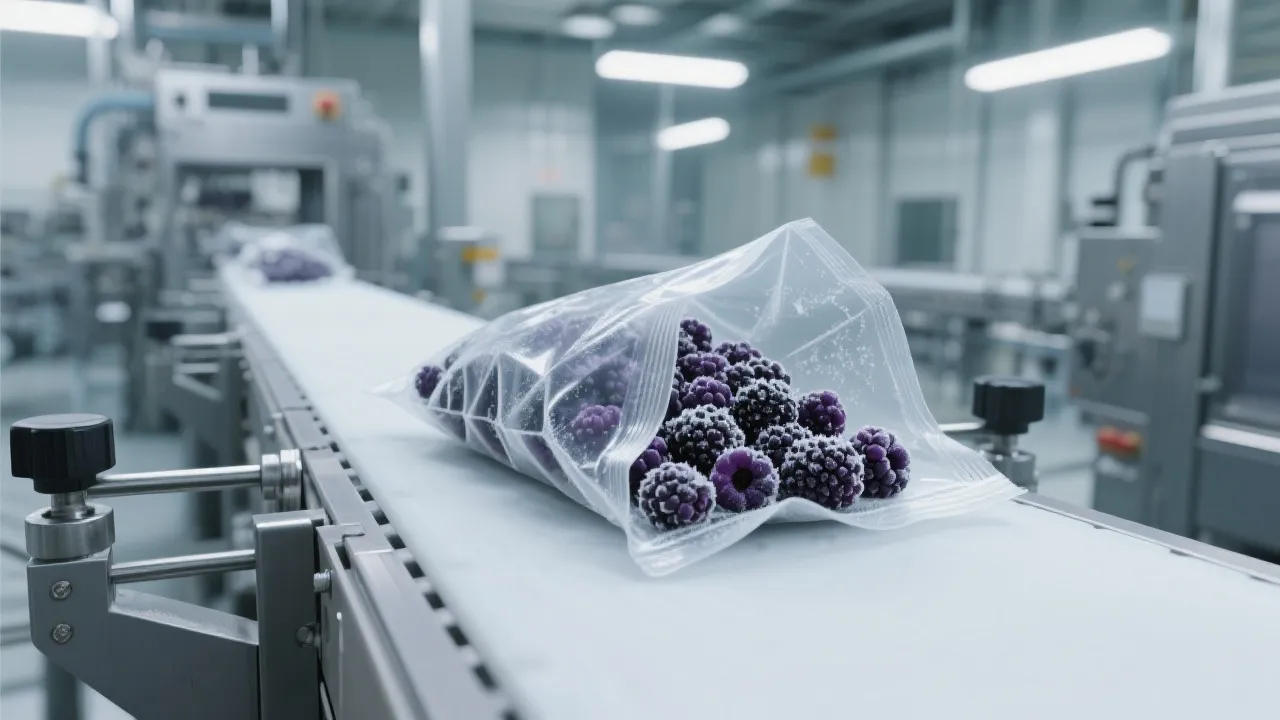
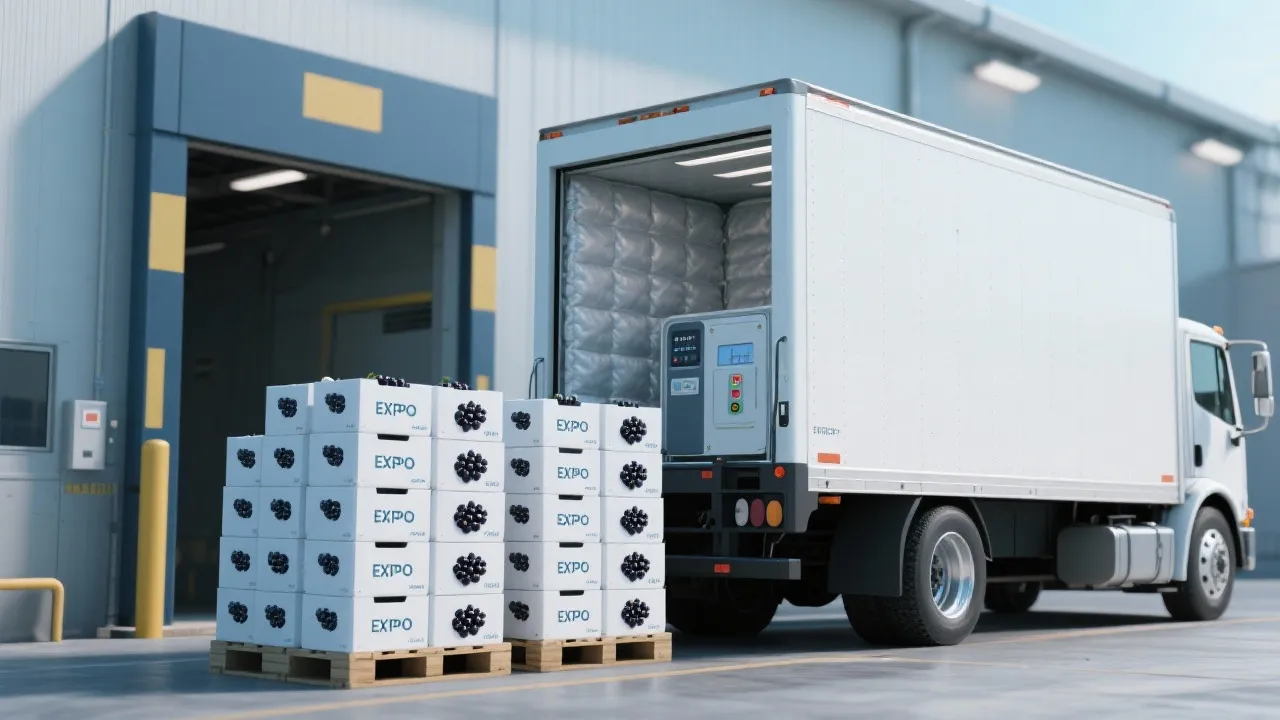
Maintaining the integrity of frozen fruit ingredients requires more than just proper freezing—it demands meticulous attention to every transfer point in the supply chain. The 5-Step Cold Chain Transfer Protocol provides a standardized approach to prevent temperature excursions:
The tropical climate of Southeast Asia presents unique challenges for maintaining frozen supply chains. A recent implementation with a major beverage manufacturer in Thailand demonstrated the effectiveness of the -18°C cold chain system even in extreme conditions:
Challenge: Maintaining product integrity during monsoon season with ambient temperatures averaging 32°C and 85% humidity
Solution: Implementation of insulated transport containers with auxiliary cooling systems and GPS temperature monitoring
Result: Successfully maintained product temperature within ±1°C of target, achieving 98.7% compliance with quality specifications and reducing product loss by 42% compared to previous methods
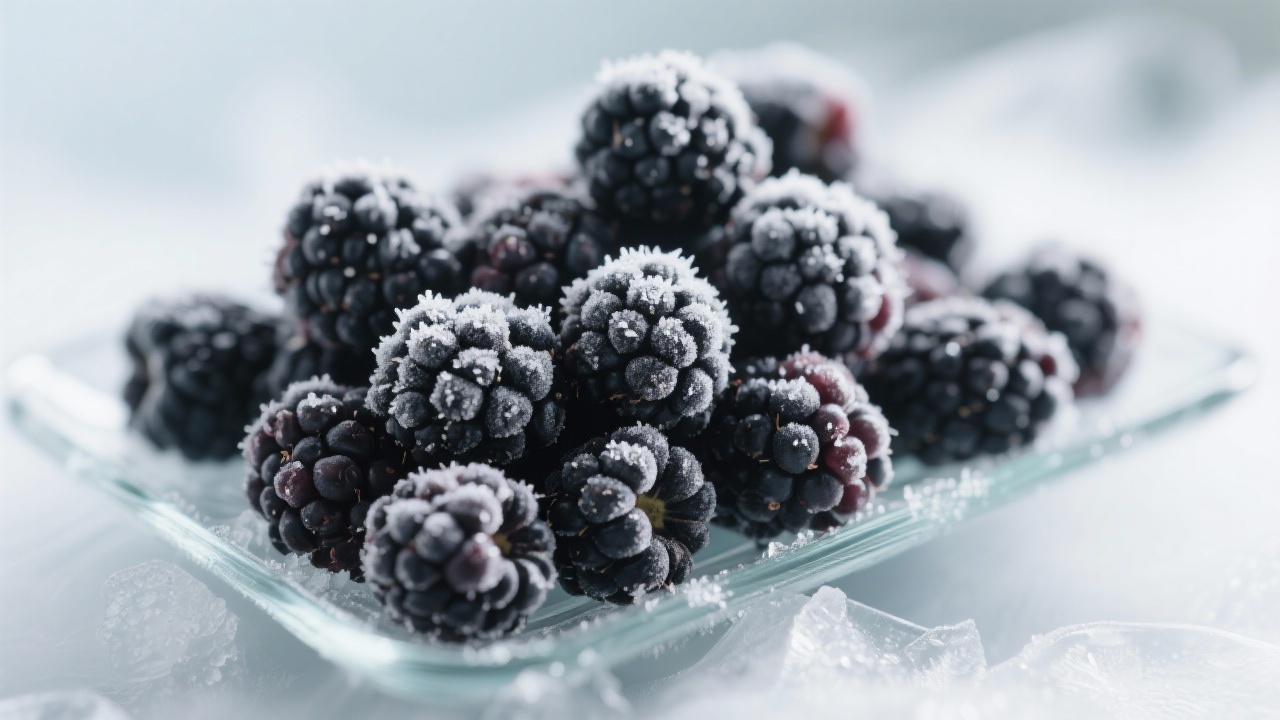
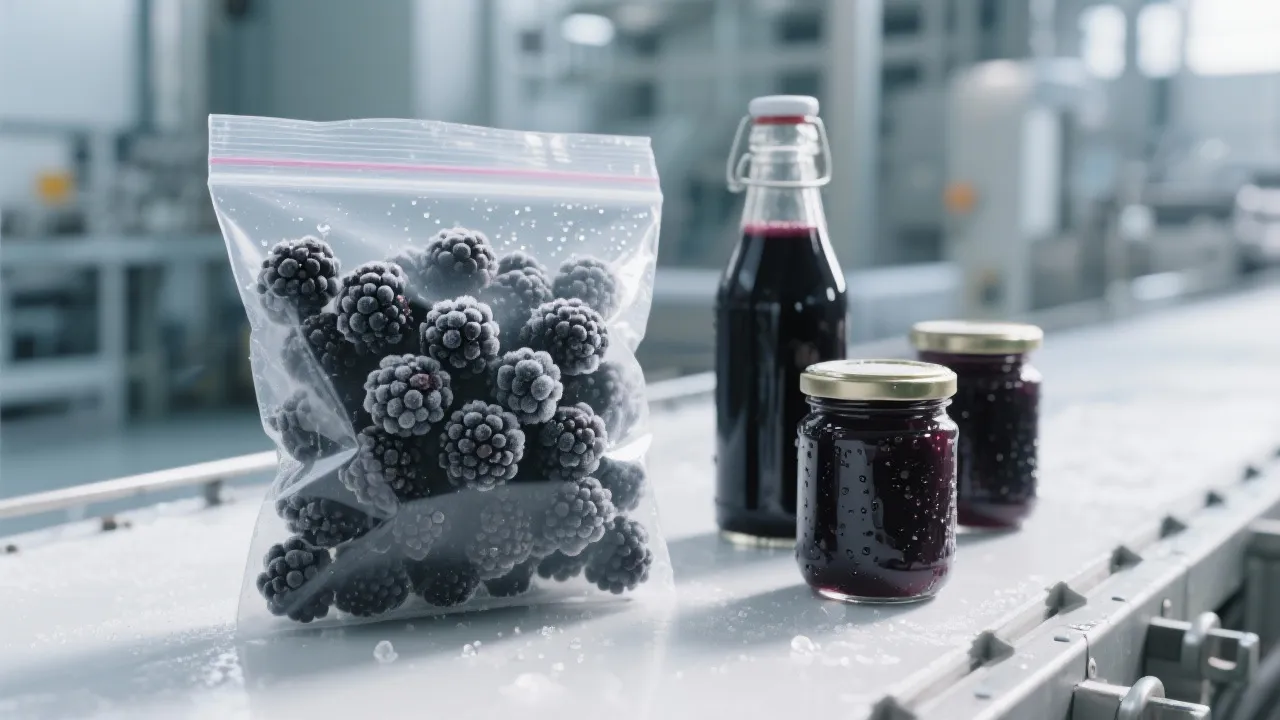
For food and beverage manufacturers seeking to develop high-value functional products, the quality of raw materials directly impacts final product efficacy and consumer acceptance. Implementing a comprehensive cold chain management system requires expertise, technology, and a commitment to quality at every stage.
At 亿商桥, we understand the critical role that frozen fruit and vegetable ingredients play in today's functional food market. Our approach combines scientific expertise with practical implementation support to ensure that your raw materials maintain their nutritional integrity from harvest to processing. We provide global B2B clients with comprehensive temperature-controlled logistics tracking and rapid replenishment保障, ensuring consistent quality even in the most challenging supply chain environments.
Download our comprehensive Cold Chain Management Guide for Food Manufacturers
Access Your Free Guide NowAs consumer demand for nutrient-dense, functional foods continues to grow, the ability to consistently deliver high-quality raw materials becomes increasingly important. By implementing the -18°C cold chain preservation system and adhering to rigorous quality standards, manufacturers can develop products that stand out in the marketplace while ensuring maximum nutritional benefit for consumers.

 308
|
308
|
 EU frozen blackcurrant standards
HACCP certification for frozen fruits
frozen blackcurrant import compliance
food safety in fruit supply chains
quick-freezing technology for berries
240
|
cold chain fresh locking technology
freeze-dried red raspberry
anthocyanin retention
HACCP certification
functional food raw materials
367
|
Halal Certification
Kosher Certification
Frozen Fruit Export
Food Supply Chain Compliance
Organic Frozen Blackberries
120
|
raspberry frozen fruit dissolution
functional beverage stability
raspberry fruit pretreatment
natural anthocyanin protection
beverage formulation optimization
93
|
frozen blackcurrants
whole fruit rate control
three-stage manual sorting
EU import standards
HACCP certification
EU frozen blackcurrant standards
HACCP certification for frozen fruits
frozen blackcurrant import compliance
food safety in fruit supply chains
quick-freezing technology for berries
240
|
cold chain fresh locking technology
freeze-dried red raspberry
anthocyanin retention
HACCP certification
functional food raw materials
367
|
Halal Certification
Kosher Certification
Frozen Fruit Export
Food Supply Chain Compliance
Organic Frozen Blackberries
120
|
raspberry frozen fruit dissolution
functional beverage stability
raspberry fruit pretreatment
natural anthocyanin protection
beverage formulation optimization
93
|
frozen blackcurrants
whole fruit rate control
three-stage manual sorting
EU import standards
HACCP certification


.png?x-oss-process=image/resize,h_100,m_lfit/format,webp)
.png?x-oss-process=image/resize,h_100,m_lfit/format,webp)
.png?x-oss-process=image/resize,h_100,m_lfit/format,webp)
 English