
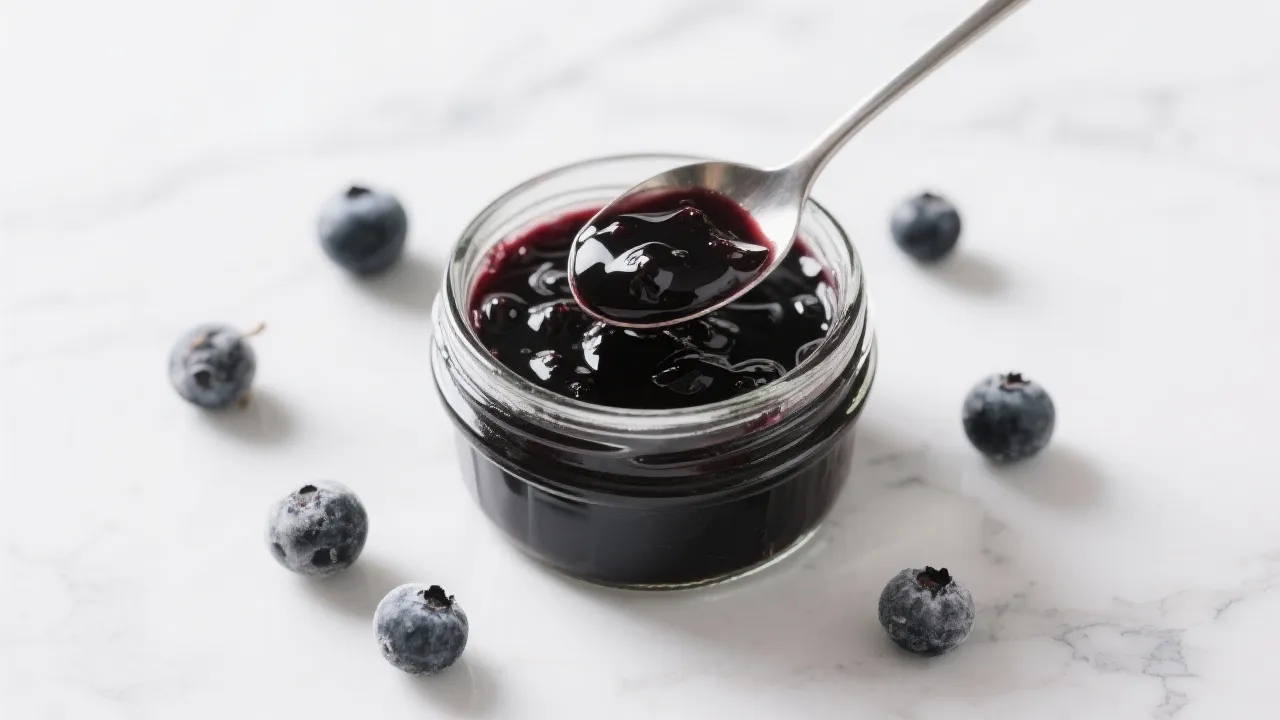
The European Union has established strict food safety regulations to safeguard consumer health. For frozen fruits like blackcurrants, compliance with these regulations is non - negotiable. The core provisions of EU food safety laws, such as the General Food Law (EC) No 178/2002, set out the fundamental requirements for food safety. Additionally, the Hazard Analysis and Critical Control Points (HACCP) system is a mandatory requirement for all food products entering the EU market, including frozen blackcurrants.
According to the latest policy updates, the EU has tightened its oversight on imported frozen fruits. For instance, in the past year, the rejection rate of non - compliant frozen fruit products at EU borders has increased by 15%. This clearly indicates the importance of understanding and adhering to the regulatory requirements.
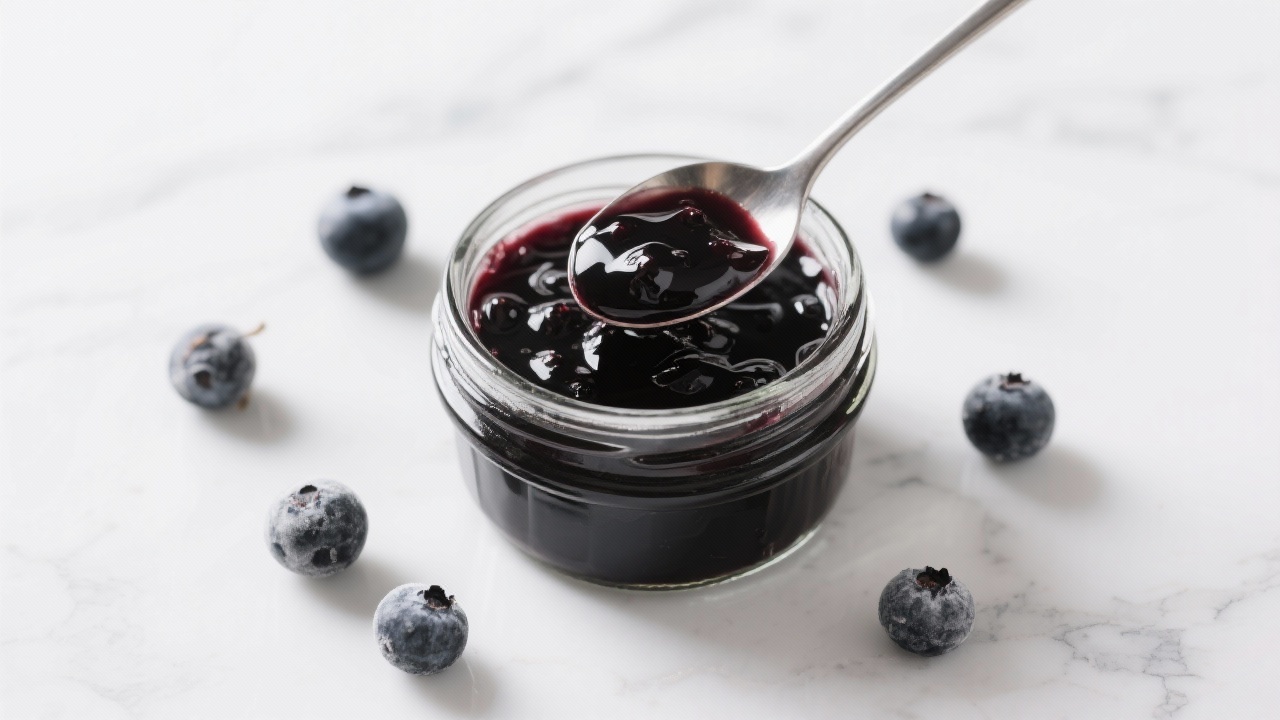
During the screening of blackcurrants, the key is to select high - quality fruits. The common risk here is that sub - standard fruits may be mixed in, which can lead to a lower overall quality of the batch. Data shows that if the screening process is not strict, the proportion of damaged fruits in the final product can increase by up to 20%, significantly reducing the whole - fruit rate.
In the processing stage, improper handling can cause physical damage to the blackcurrants. For example, over - agitation during washing or cutting can break the fruits. In terms of packaging, non - compliant packaging materials may not provide sufficient protection, leading to spoilage during transportation. A study found that about 10% of frozen blackcurrants were damaged during transportation due to poor packaging.
Testing is crucial to ensure that the products meet the EU standards. However, non - standardized testing procedures can lead to inaccurate results. If the testing is not comprehensive, harmful substances such as pesticides or heavy metals may go undetected, posing a serious risk to product compliance.
Maintaining the correct temperature during transportation is essential. Any temperature fluctuation can cause the blackcurrants to thaw and refreeze, resulting in a loss of quality. Statistics show that temperature - related issues account for about 30% of the quality problems in frozen blackcurrant products during transportation.
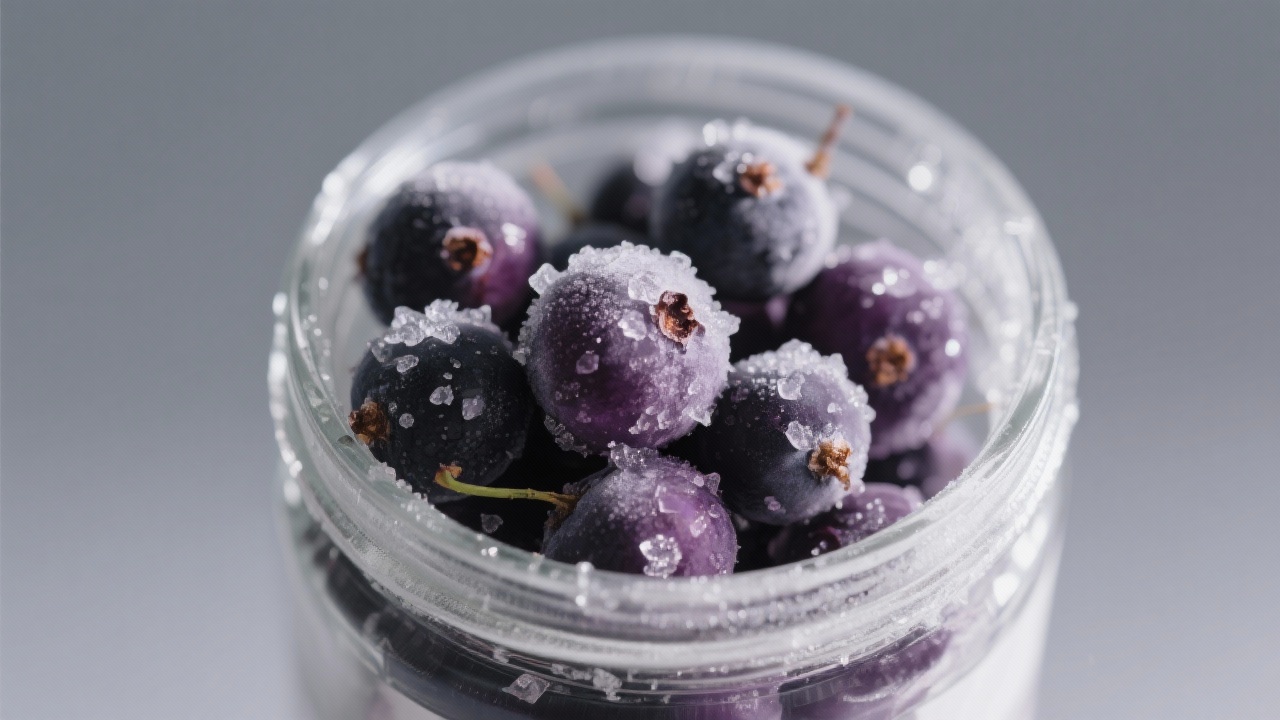
To improve the whole - fruit rate, use gentle handling equipment during the screening and processing stages. For example, soft - bristle brushes can be used for washing, and precision sorting machines can be employed to separate damaged fruits. By implementing these measures, the whole - fruit rate can be increased to over 95%.
Invest in advanced temperature - monitoring devices for transportation and storage. These devices can provide real - time temperature data, allowing for immediate adjustment if any temperature deviation occurs. Additionally, use high - quality insulation materials for packaging to minimize temperature fluctuations.
Adopt internationally recognized testing standards and use professional testing equipment. Establish a detailed testing checklist to ensure that all aspects, including pesticide residues, heavy metals, and microbial contamination, are thoroughly tested.
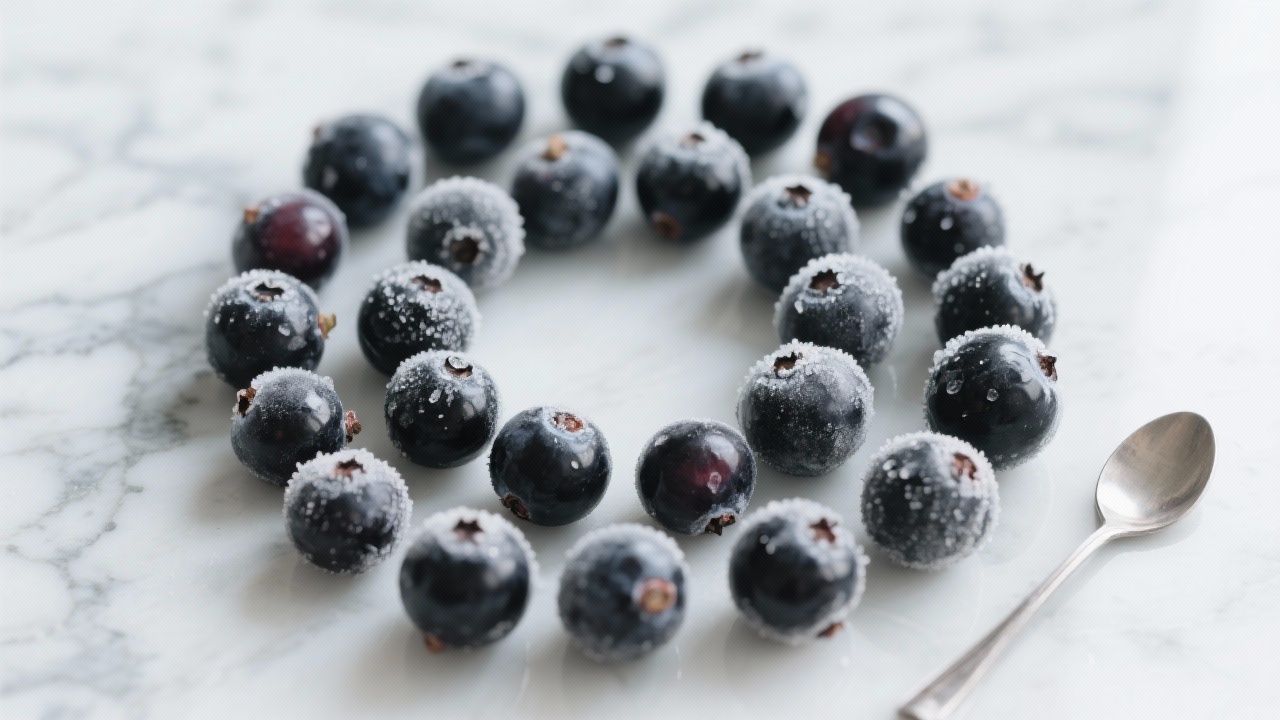
A compliant supply chain is the key to unlocking the European market for frozen blackcurrants. By following the above - mentioned optimization suggestions, suppliers and traders can significantly reduce the risk of non - compliance and improve product quality.
Welcome to learn about our professional supply chain solutions that support small - batch trial orders and OEM customization at CTA - URL. Our customized services at Yishangqiao can help you navigate the complex regulatory environment and achieve success in the European market.


.png?x-oss-process=image/resize,h_100,m_lfit/format,webp)
.png?x-oss-process=image/resize,h_100,m_lfit/format,webp)
.png?x-oss-process=image/resize,h_100,m_lfit/format,webp)
 English


