
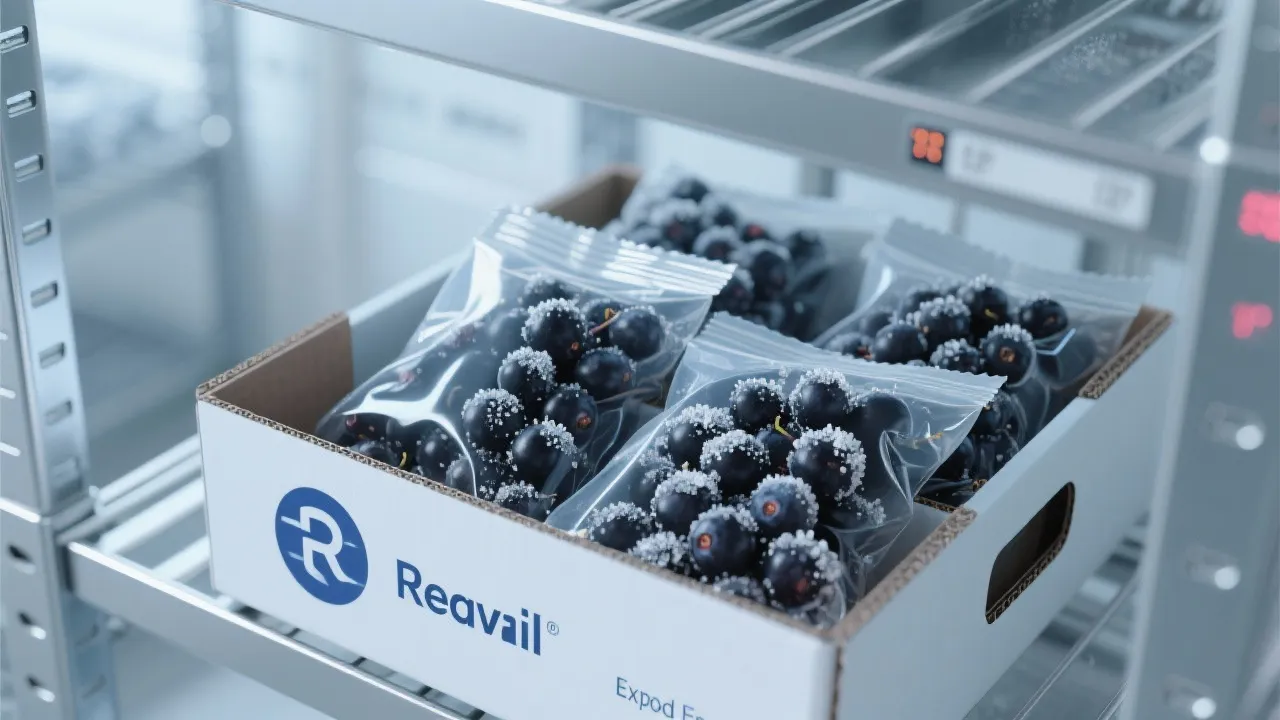
Are you eager to quickly validate the demand for frozen blackcurrants in the European market? This article delves into how small - batch trial orders can reduce procurement risks and enhance product adaptability. We'll also guide you through the entire process of OEM private - label customized packaging, from designing compliant labels to ensuring cold - chain transportation. It's a one - stop solution for food trading enterprises, startup brands, and overseas entrepreneurs.
Small - batch trial orders are a game - changer in the frozen fruit industry, especially for frozen blackcurrants. Firstly, they significantly reduce inventory pressure. You don't have to commit to large - scale purchases right away. For example, a new food startup can start with an order of 500 kilograms instead of a full - truckload of 5,000 kilograms. This way, you can save on storage costs and avoid the risk of overstocking.
Secondly, small - batch orders allow you to test the market feedback. You can gauge how European customers respond to your frozen blackcurrants in terms of taste, quality, and packaging. According to market research, about 70% of new food products fail in the market. By starting small, you can minimize your losses and make informed decisions based on real - world data.
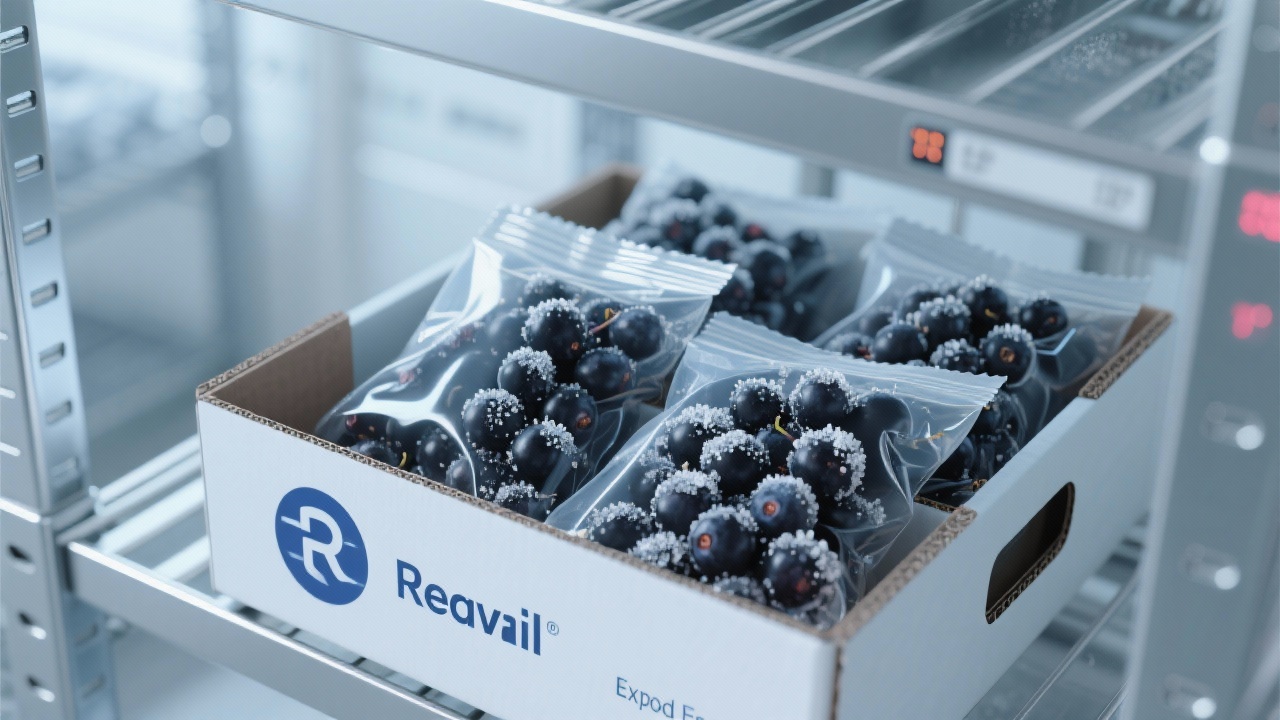
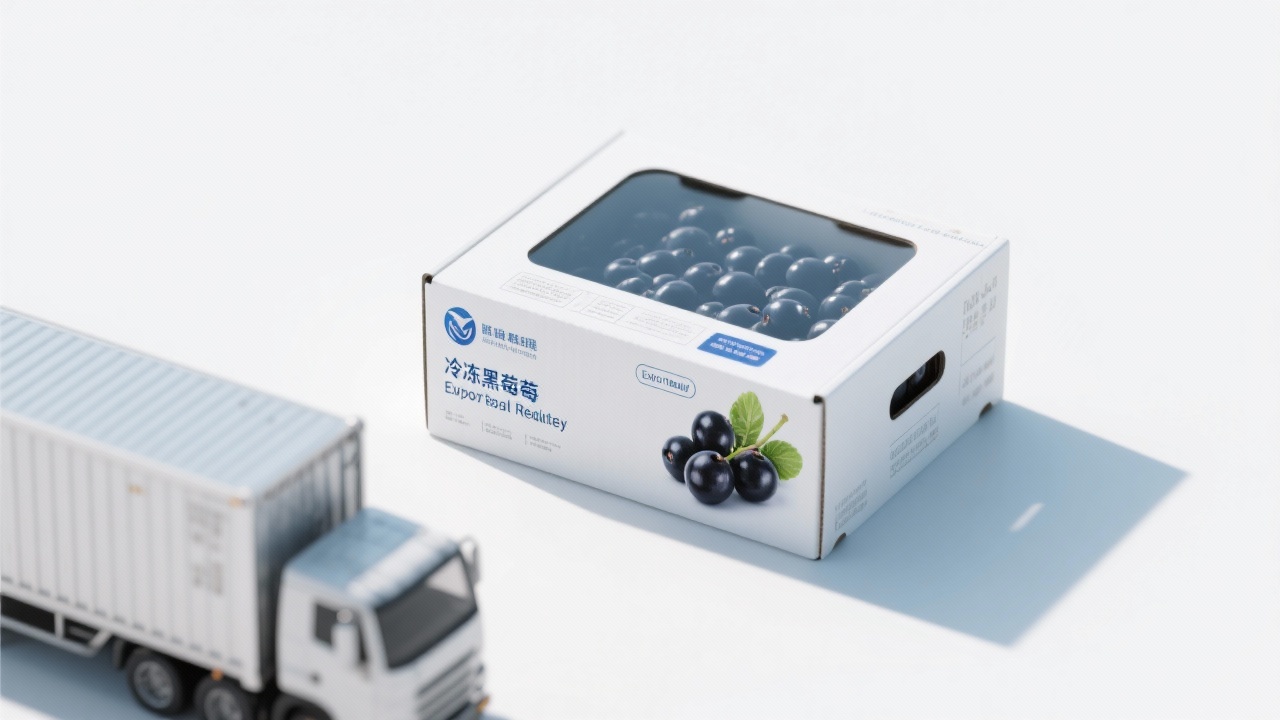
Your packaging is the first thing that catches the customer's eye. A well - designed visual identity system can make your brand stand out on the European shelves. Use colors, logos, and graphics that resonate with the local culture. For example, in some European countries, purple is associated with luxury and quality, which can be a great color choice for frozen blackcurrant packaging as it matches the fruit's color.
Compliance with EU label regulations is non - negotiable. You need to include information such as the product name, ingredients, nutritional facts, origin, and storage instructions. Failure to comply can result in hefty fines and product recalls. For instance, the EU requires clear indication of allergens, and since blackcurrants are not a common allergen, you still need to follow the general rules for other potential allergens in the product.
European consumers are increasingly environmentally conscious. Opting for eco - friendly packaging materials like biodegradable plastics or paper - based materials can enhance your brand image. It also helps you meet the growing demand for sustainable products in the market.
Frozen blackcurrants require strict temperature control. They should be stored and transported at - 18°C throughout the supply chain. This ensures the quality and freshness of the product. The packaging also needs to be stable enough to withstand the low - temperature environment. For example, the packaging should prevent freezer burn and maintain the integrity of the fruit. Our products have an average whole - fruit rate of 95%, which is a testament to our excellent packaging and temperature control.
One common mistake is ignoring the problem of moisture absorption in frozen products. Frozen blackcurrants can absorb moisture during storage and transportation, which can lead to clumping and quality degradation. You should choose packaging materials with good moisture - proof properties.
Another mistake is overlooking the details of customs clearance in the importing country. Different European countries have different customs regulations. Make sure you are well - informed about the specific requirements to avoid delays and additional costs.
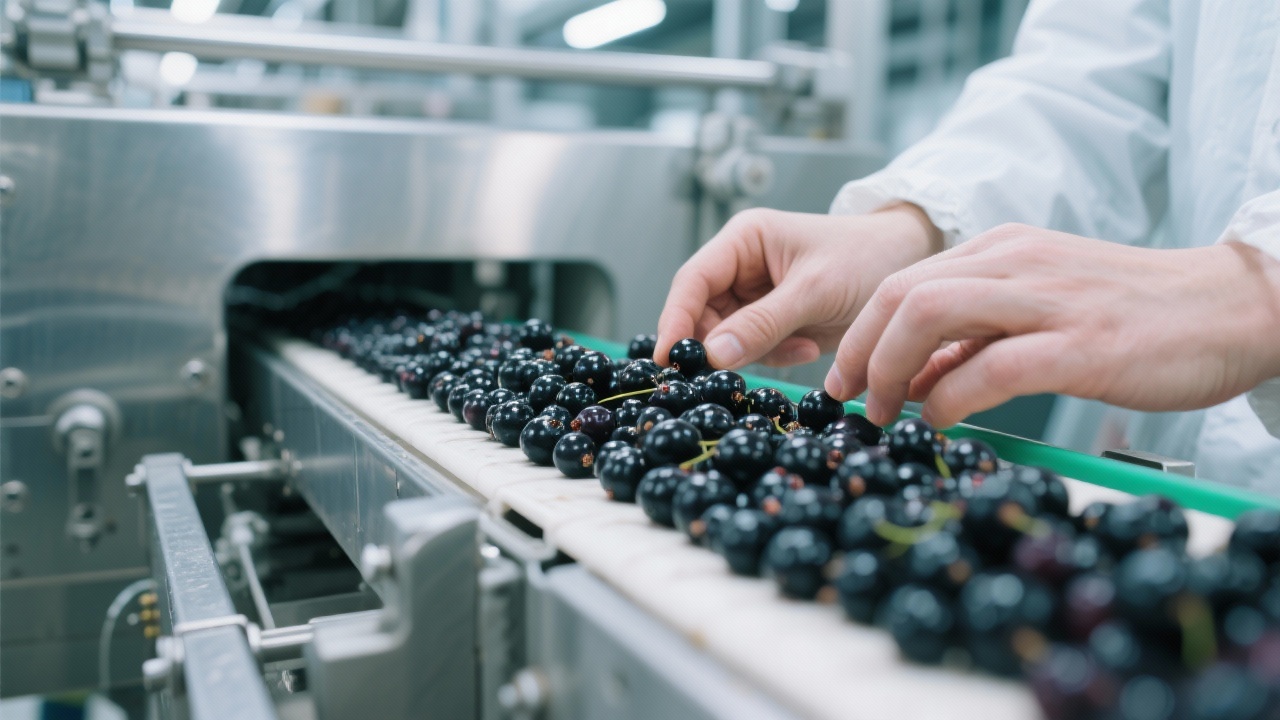
In conclusion, by following these guidelines, you can successfully launch your frozen blackcurrant OEM project in the European market. We've helped many clients save their first - time trial costs and make their brands memorable to European customers. If you have any questions, feel free to leave a message below. Don't miss this opportunity to enter the European frozen fruit market. Start Your Frozen Blackcurrant OEM Project Now!


.png?x-oss-process=image/resize,h_100,m_lfit/format,webp)
.png?x-oss-process=image/resize,h_100,m_lfit/format,webp)
.png?x-oss-process=image/resize,h_100,m_lfit/format,webp)
 English


