

For frozen fruit exporters aiming to penetrate health-conscious markets in Europe and North America along with faith-driven consumer bases in the Middle East, acquiring dual certifications—Organic and Halal—is becoming essential. These certifications not only validate product quality and compliance but also unlock access to lucrative channels that demand stringent standards.
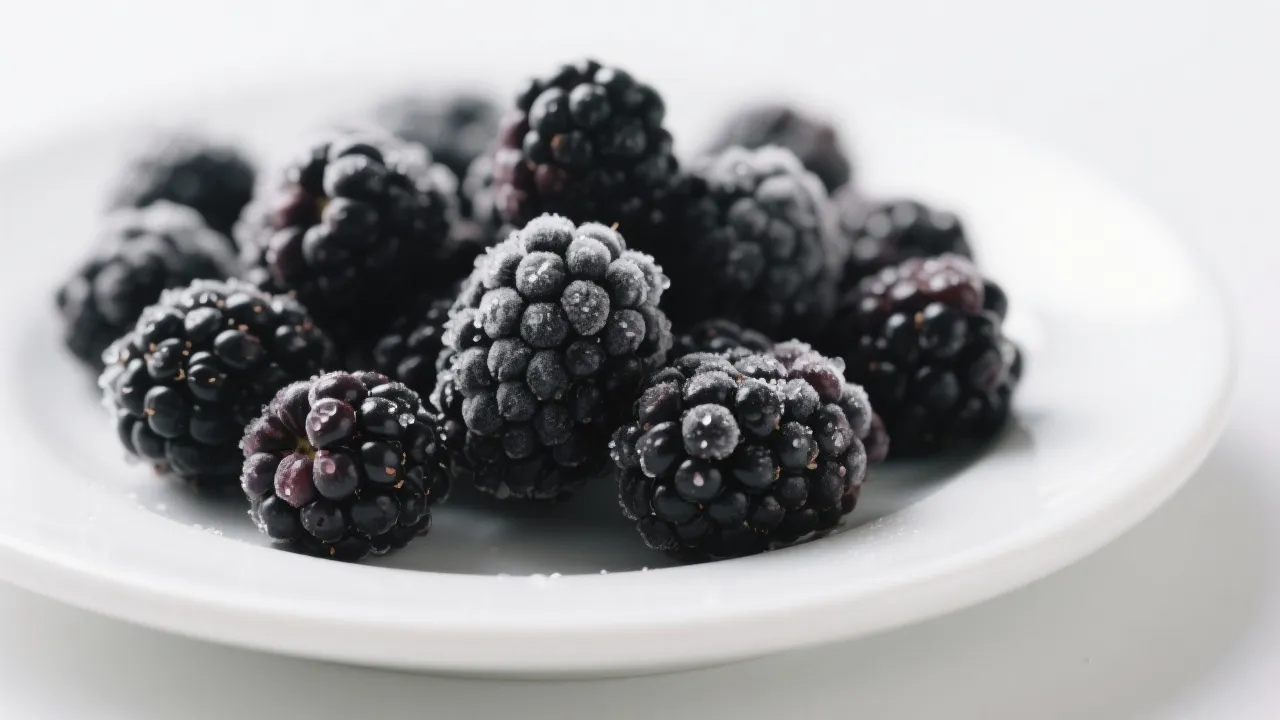
Organic certification verifies that frozen fruits such as blackberries are cultivated and processed under strict environmental and chemical input restrictions, prohibiting synthetic pesticides, fertilizers, and genetically modified organisms (GMOs). This guarantees a product that aligns with consumer expectations for natural purity and health benefits—factors critical in markets like the EU and US where organic food sales grow by over 10% annually.
Halal certification confirms that products meet Islamic dietary laws, covering processing, ingredient sourcing, and hygiene requirements. This involves rigorous auditing of supply chains to ensure absence of forbidden substances (haram), cross-contamination, and adherence to Islamic ethical standards. The Middle East’s Halal food market surpassed $1.6 trillion globally in recent years, making this certification a gateway to substantial opportunities.
Despite both certifications focusing on quality and compliance, their regulatory scopes differ significantly. The EU Organic Regulation (Regulation (EU) 2018/848) emphasizes environmental sustainability, traceability, and contamination control. Auditors often focus on soil management records, pest control methods, and residue testing in the frozen fruit processing stages.
In contrast, Halal standards vary by country but generally require certification bodies accredited by recognized Islamic authorities to conduct site inspections, ingredient verifications, and cleanliness validations. For frozen fruit manufacturers, preventing cross-contact with non-Halal substances during freezing, packaging, and storage is paramount.

E-BizBridge, a leading exporter of frozen blackberries, showcases a practical blueprint for dual certification acquisition. Starting with implementation of GMP (Good Manufacturing Practices), the company integrated HACCP and ISO 22000 food safety systems alongside dedicated Organic and Halal compliance teams.
Operational highlights include rigorous supplier vetting, hygienic freezing environments, and consistent batch traceability — achieving an impressive 95% whole-fruit retention rate throughout processing. This meticulous management enabled seamless certification audits and provided evidence of superior product integrity.
Obtaining certificates is only the first milestone. Maintaining them involves continuous adherence to standards, extensive record keeping, and proactive supply chain surveillance. Enterprises must monitor ingredient sources regularly to avoid lapses in organic compliance and prevent any Halal compliance breaches that could jeopardize market standing.
Mechanisms such as internal audits, employee training, and quick corrective action plans reinforce resilience. Leveraging integrated digital traceability platforms can simplify these complex processes, enabling cold chain visibility and swift documentation for annual recertification.

In an increasingly competitive global frozen fruit sector, dual Organic and Halal certifications are decisive differentiators that elevate brand reputation and expand market reach. Companies like E-BizBridge demonstrate how methodical application of these standards drives export success in health-conscious and faith-sensitive markets alike.

 447
|
447
|
 frozen black currant packaging
cold chain logistics for berries
small batch trial order
OEM fruit packaging
frozen fruit supply chain
179
|
frozen blackcurrants
flash freezing technology
manual sorting process
cold chain logistics
intact berry rate
292
|
Freeze - dried raspberry powder supply chain management
Cold chain transportation standards
Temperature - controlled logistics tracking
Flexible support for small - batch trial production
Stable supply of export - grade raw materials
162
|
quick freezing technology for berries
vitamin C retention in frozen fruit
antioxidant preservation in blackberries
food freezing process optimization
frozen berry nutritional quality
114
|
EU food safety regulations
HACCP certification
frozen blackcurrant supply chain
cold chain management
fruit integrity optimization
frozen black currant packaging
cold chain logistics for berries
small batch trial order
OEM fruit packaging
frozen fruit supply chain
179
|
frozen blackcurrants
flash freezing technology
manual sorting process
cold chain logistics
intact berry rate
292
|
Freeze - dried raspberry powder supply chain management
Cold chain transportation standards
Temperature - controlled logistics tracking
Flexible support for small - batch trial production
Stable supply of export - grade raw materials
162
|
quick freezing technology for berries
vitamin C retention in frozen fruit
antioxidant preservation in blackberries
food freezing process optimization
frozen berry nutritional quality
114
|
EU food safety regulations
HACCP certification
frozen blackcurrant supply chain
cold chain management
fruit integrity optimization

.jpg?x-oss-process=image/resize,h_800,m_lfit/format,webp)





.png?x-oss-process=image/resize,h_100,m_lfit/format,webp)
.png?x-oss-process=image/resize,h_100,m_lfit/format,webp)
.png?x-oss-process=image/resize,h_100,m_lfit/format,webp)
 English


