
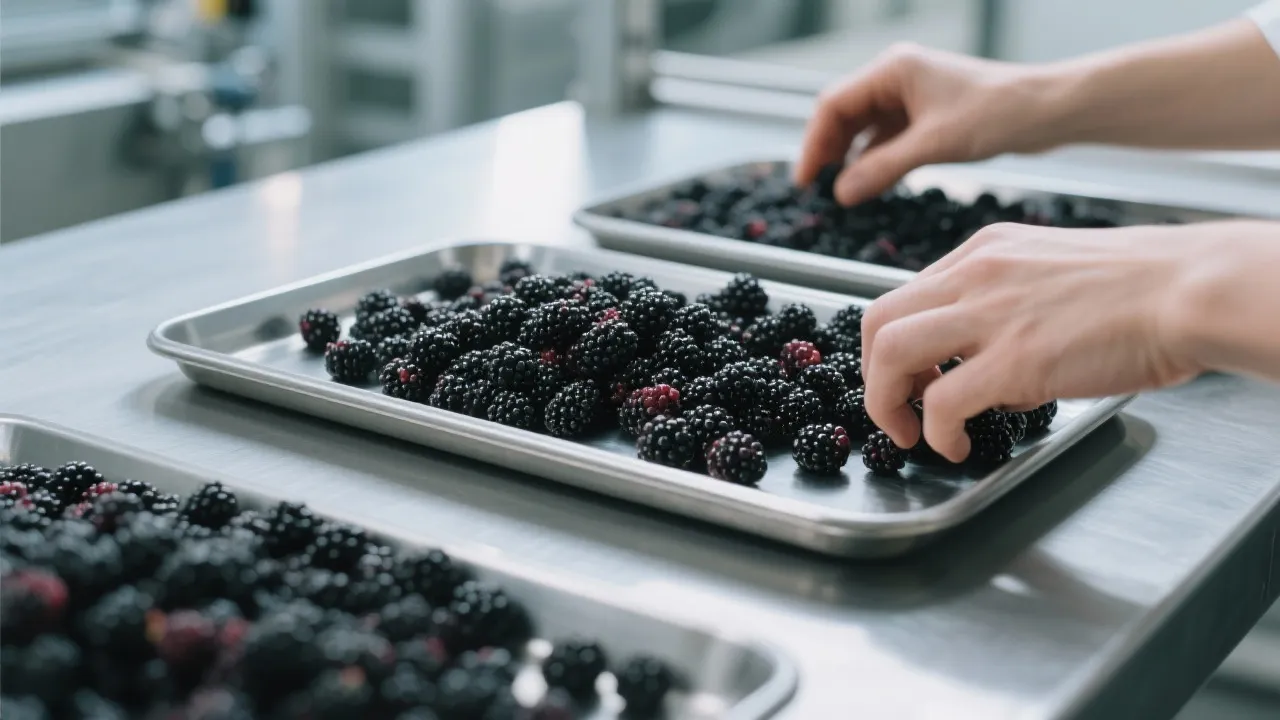
For food exporters aiming to enter the premium health-conscious markets of Europe and North America, organic certification and Halal compliance are no longer optional—they’re essential gateways. In fact, a 2023 report by Statista shows that over 65% of European consumers prefer products labeled as organic, while in the U.S., Halal-certified foods saw a 14% YoY growth in retail sales (source: NielsenIQ).
Organic certification ensures your frozen blackberries meet strict standards for pesticide-free cultivation, soil health, and biodiversity—critical for brands targeting wellness-focused buyers. Meanwhile, Halal certification confirms compliance with Islamic dietary laws, including ethical sourcing, no alcohol or pork derivatives, and humane processing methods.
Together, they create a powerful dual advantage: one that builds trust across both secular and religious consumer segments. According to a study from the Food Standards Agency (UK), products with both certifications see an average 27% higher conversion rate on B2B platforms like Alibaba and GlobalSources compared to non-certified alternatives.
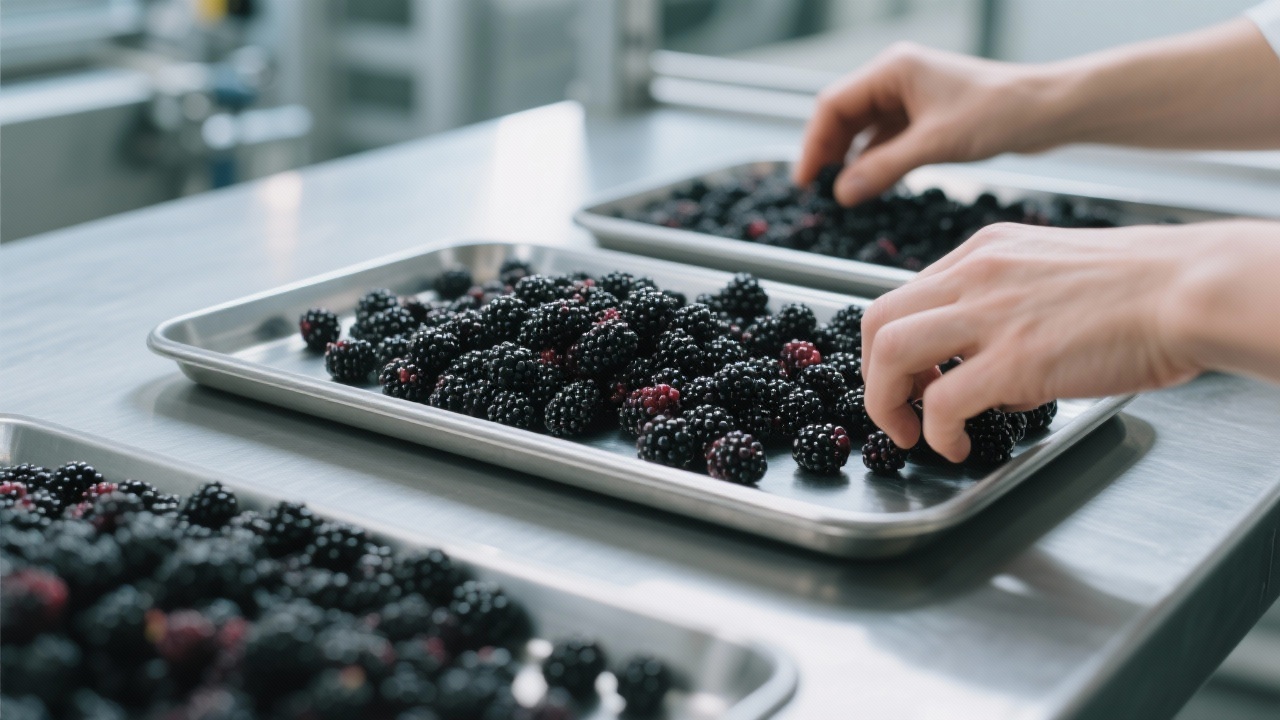
In Germany, EU Organic Regulation (EC) No 834/2007 mandates traceability from seed to packaging. For Halal, the German Halal Council requires third-party audits every 12 months. In contrast, the U.S. Department of Agriculture (USDA) allows “organic” labeling only after rigorous inspections—but does not recognize all global Halal bodies. This means you must choose certifiers aligned with each target market.
Example: A Malaysian exporter increased their B2B inquiry volume by 40% within six months after obtaining USDA Organic + MUI Halal certification—a move that opened doors to major retailers like Whole Foods Market and Kroger.
It’s not just about meeting rules—it’s about leveraging them. With double certification, you can position your product as a solution for multiple pain points: clean ingredients for health-conscious buyers, and culturally respectful options for Muslim-majority regions such as the UAE, Indonesia, and Canada.
One key insight? Buyers now expect transparency. Use your certification badges prominently—not just on packaging but also in product listings, social proof posts, and email campaigns. The data supports it: companies using visual certification indicators in ads achieve 3x more engagement on LinkedIn and Meta Ads (based on HubSpot’s 2024 B2B Food Trends Report).
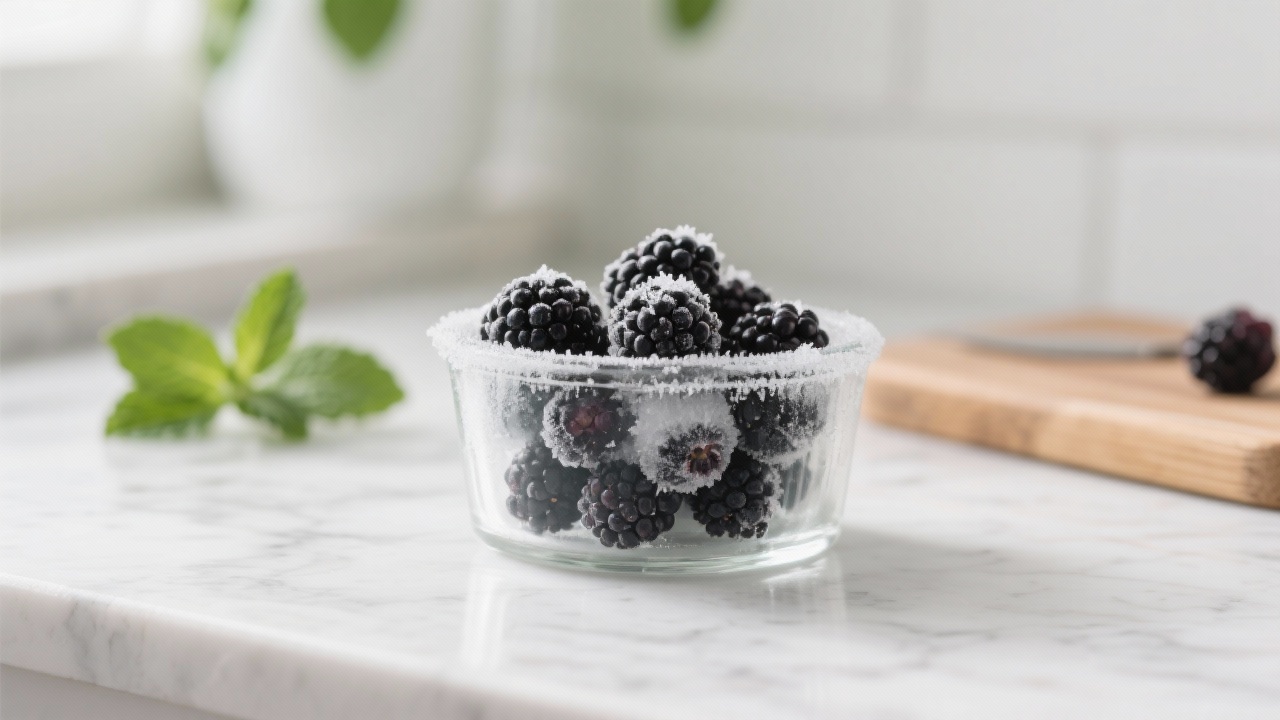
A Canadian frozen fruit supplier reported a 35% increase in wholesale orders after launching their organic + Halal frozen blackberry line. Their strategy? Highlighting the certifications in every buyer-facing document—from RFQ responses to trade show brochures—and training sales reps to explain how these labels reduce supply chain risk and enhance brand credibility.
Pro tip: Don’t treat certification as a one-time event. Maintain annual recertification cycles, update your internal SOPs regularly, and engage with certifying bodies for policy updates—especially regarding new additives or processing technologies.
Let us help you navigate the certification maze—and turn compliance into competitive power.
Explore Our Certification Support Program
 121
|
121
|
 frozen blackberry packaging solutions
healthy food packaging innovation
customized services for frozen fruits and vegetables
eco - friendly packaging material selection
customized packaging to enhance competitiveness
43
|
Whole freeze-dried raspberry powder
Manual triple screening
Cold chain fresh-locking technology
High-end nutritional supplement raw materials
Food safety testing
286
|
Frozen blackberry packaging solutions
Healthy food packaging innovation
Customized frozen fruit packaging
B2B frozen berry packaging
Sustainable packaging for frozen produce
284
|
Frozen blackberry packaging solutions
Healthy ingredient packaging innovation
Customized fruit and vegetable freezing services
Asian foodservice frozen fruit packaging
Customized food packaging design
313
|
custom frozen berry packaging
frozen fruit packaging solutions
sustainable food packaging
branded frozen produce
efficient sealing for frozen fruits
frozen blackberry packaging solutions
healthy food packaging innovation
customized services for frozen fruits and vegetables
eco - friendly packaging material selection
customized packaging to enhance competitiveness
43
|
Whole freeze-dried raspberry powder
Manual triple screening
Cold chain fresh-locking technology
High-end nutritional supplement raw materials
Food safety testing
286
|
Frozen blackberry packaging solutions
Healthy food packaging innovation
Customized frozen fruit packaging
B2B frozen berry packaging
Sustainable packaging for frozen produce
284
|
Frozen blackberry packaging solutions
Healthy ingredient packaging innovation
Customized fruit and vegetable freezing services
Asian foodservice frozen fruit packaging
Customized food packaging design
313
|
custom frozen berry packaging
frozen fruit packaging solutions
sustainable food packaging
branded frozen produce
efficient sealing for frozen fruits






.png?x-oss-process=image/resize,h_100,m_lfit/format,webp)
.png?x-oss-process=image/resize,h_100,m_lfit/format,webp)
.png?x-oss-process=image/resize,h_100,m_lfit/format,webp)
 English


