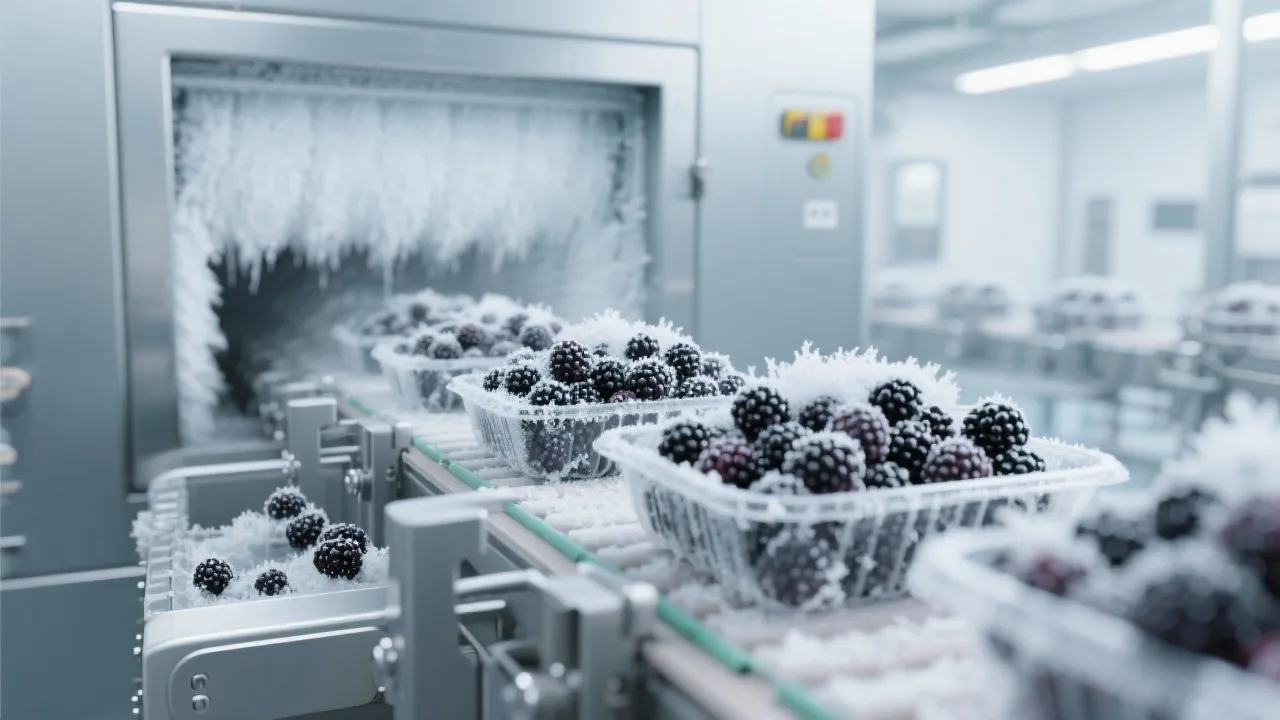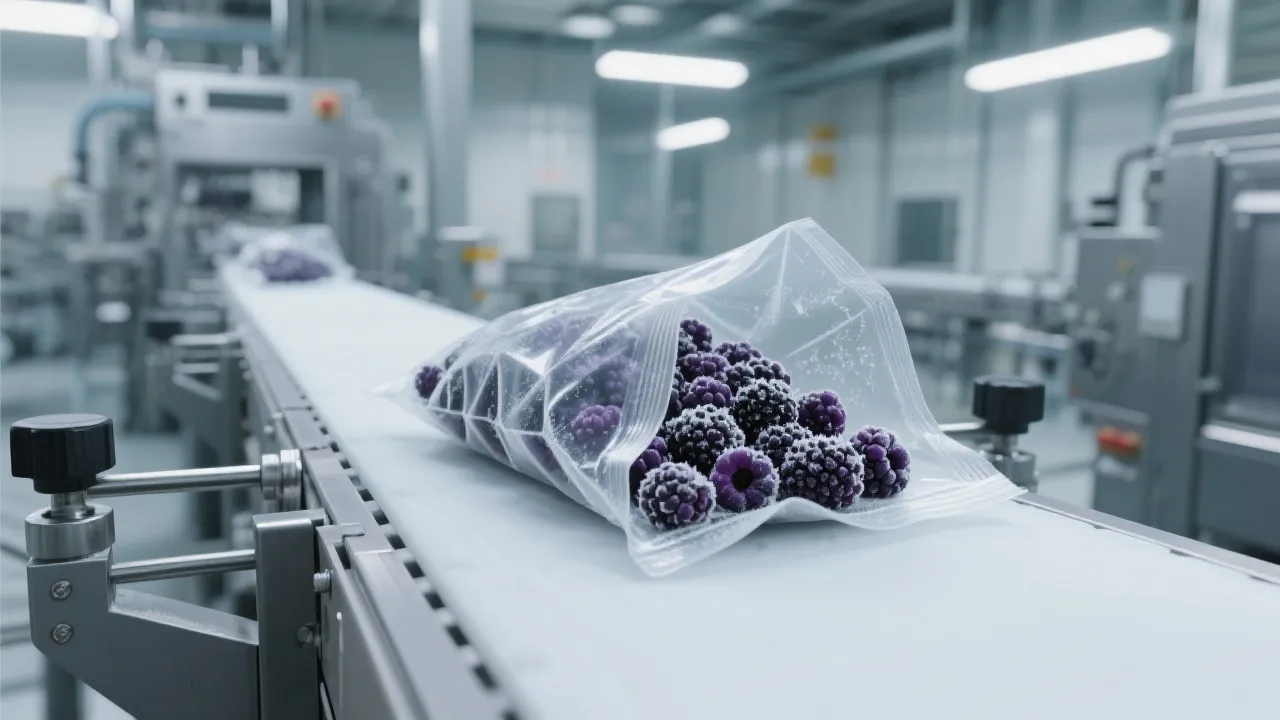
In the global health food market, certifications play a crucial role in establishing product credibility and market access. Organic certification, recognized worldwide, ensures that products are produced without the use of synthetic pesticides, fertilizers, and genetically modified organisms (GMOs). According to industry reports, the global organic food market has been growing at an average annual rate of 10% in recent years, reaching a value of over $100 billion in 2022. This growth is driven by increasing consumer awareness of health and environmental issues.
Halal certification, on the other hand, is essential for products targeting Muslim consumers, who represent a significant and growing market segment. The global Halal food market is estimated to be worth over $2 trillion, with a projected annual growth rate of 12%. Halal certification guarantees that products comply with Islamic dietary laws, including the sourcing of ingredients and the production process.
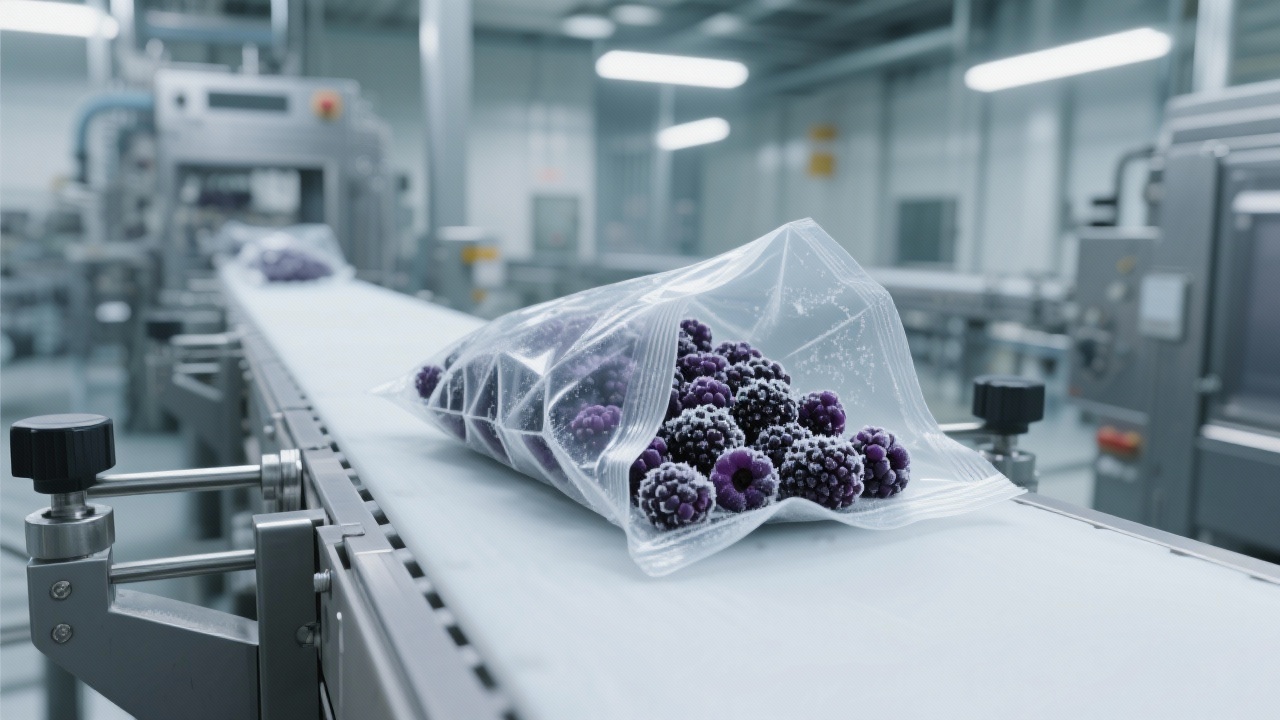
Both organic and Halal certifications have specific standards that directly impact the quality of frozen blackberries. Organic certification requires strict control over the growing environment, ensuring that blackberries are free from harmful chemicals. This not only enhances the nutritional value of the fruit but also preserves its natural flavor and aroma. For example, organic blackberries have been found to contain higher levels of antioxidants compared to conventionally grown ones.
Halal certification focuses on the entire supply chain, from the sourcing of raw materials to the packaging and storage of the final product. This includes ensuring that all ingredients used in the freezing process, such as additives and preservatives, are Halal-compliant. By meeting these standards, frozen blackberries can appeal to a wider range of consumers, including those with religious dietary restrictions.
The requirements for organic and Halal certifications vary across different regions. In the European Union, organic products must meet strict regulations set by the EU Organic Farming Regulation. This includes detailed documentation of the production process, regular inspections, and traceability of ingredients. The certification process can take up to 2 years and involves significant costs for farmers and producers.
In the United States, the National Organic Program (NOP) sets the standards for organic certification. The process is similar to that in the EU but may have some differences in specific requirements. For Halal certification, different countries have their own certification bodies and standards. In Malaysia, for example, the Department of Islamic Development Malaysia (JAKIM) is the official Halal certification authority, while in the United States, there are several private Halal certification agencies.
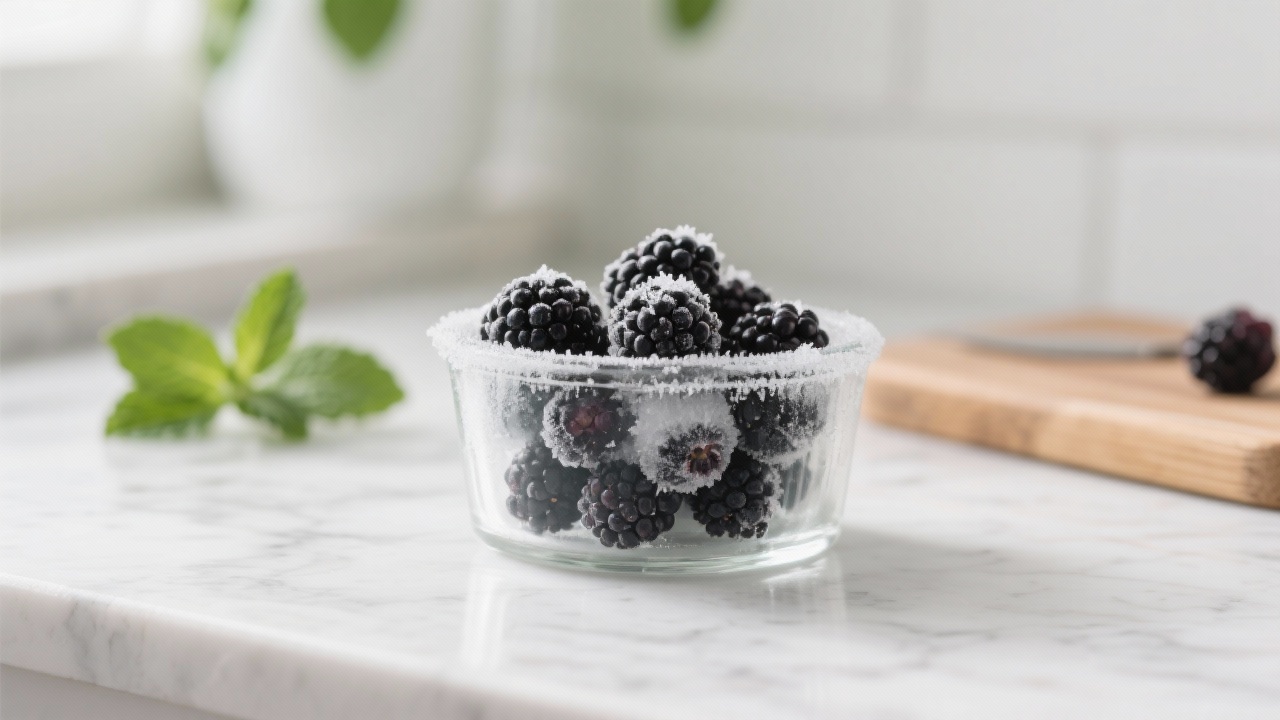
Several Chinese companies have successfully entered the international market with their organic and Halal certified frozen blackberries. One such company, XYZ Foods, saw a 30% increase in sales in the European market after obtaining both certifications. By highlighting the dual certifications on their packaging and marketing materials, they were able to attract more health-conscious and religious consumers.
Another company, ABC Frozen Fruits, used the certifications as a competitive advantage in the Middle Eastern market. They partnered with local distributors and retailers who were familiar with the Halal market, which helped them quickly establish a presence in the region. Their sales in the Middle East grew by 50% within the first year of entering the market.
Maintaining organic and Halal certifications requires ongoing compliance with the standards. This includes regular audits, documentation updates, and continuous improvement of the production process. Companies need to invest in quality control systems and employee training to ensure that they meet the requirements at all times.
In terms of marketing strategies, companies can use the certifications as a key selling point in their advertising and promotional activities. They can also participate in international food exhibitions and trade shows to showcase their certified products. Social media platforms can be used to engage with consumers and build brand awareness. For example, creating engaging content about the health benefits of organic and Halal frozen blackberries can attract more followers and potential customers.
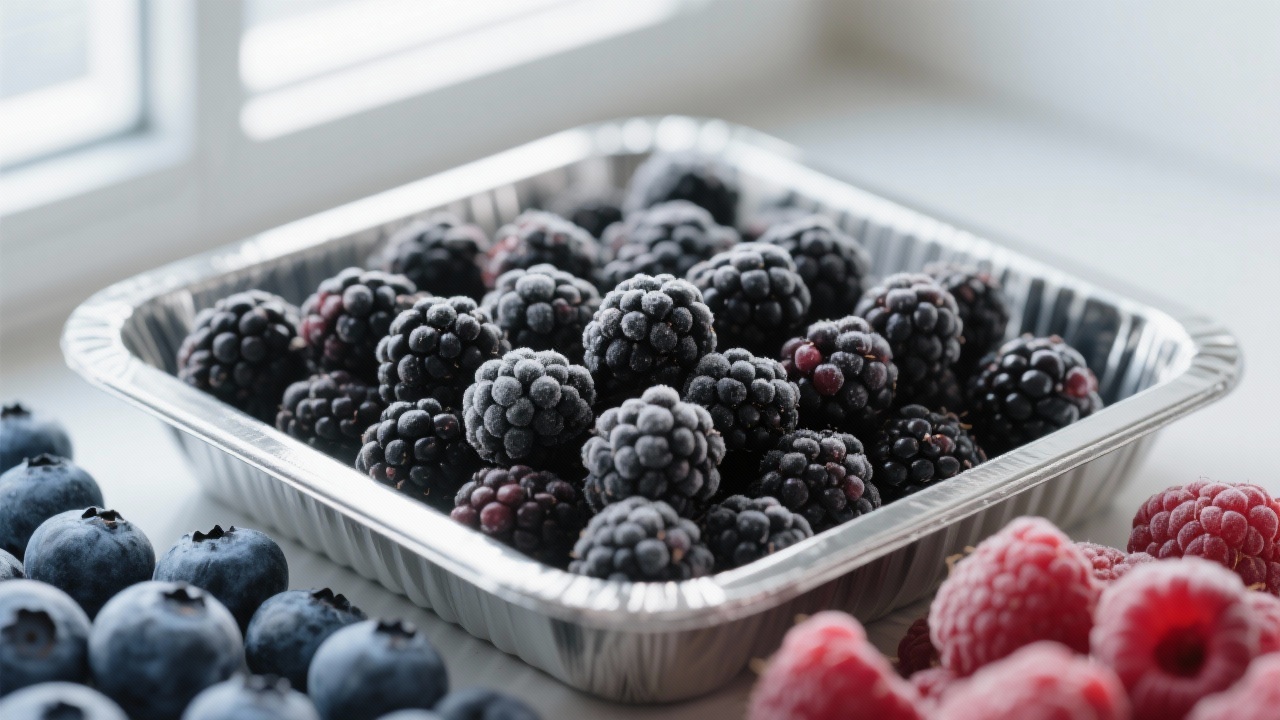
Organic and Halal certifications are essential for Chinese frozen blackberries to enter the international health food market. By meeting these certifications, companies can enhance the quality and credibility of their products, expand their customer base, and increase their competitiveness in the global market. With the right strategies and continuous efforts, Chinese frozen blackberry producers can achieve significant success in the international arena.
Explore Our Organic and Halal Certified Frozen Blackberries Now!

 483
|
483
|
 Rapid freezing technology
Frozen blackberry preservation
Blackberry nutrition retention
Food cold - chain management
HACCP certification
68
|
Blackcurrant quick - freezing
Liquid nitrogen freezing technology
Quality of frozen fruits
Juice and jam processing
Cold - chain transportation guarantee
65
|
Frozen blackberry organic certification guide
Halal certification for export
Frozen fruit international certification
Organic frozen fruit standards
Halal food certification
422
|
Quick-frozen blackberries
Nutrient retention in frozen blackberries
Frozen fruit preservation technology
Organic frozen blackberries
Food freezing process
494
|
Freeze-dried whole raspberry powder
High-end dietary supplements
Functional food raw materials
Cold-chain freshness-locking technology
Third-party testing reports
Rapid freezing technology
Frozen blackberry preservation
Blackberry nutrition retention
Food cold - chain management
HACCP certification
68
|
Blackcurrant quick - freezing
Liquid nitrogen freezing technology
Quality of frozen fruits
Juice and jam processing
Cold - chain transportation guarantee
65
|
Frozen blackberry organic certification guide
Halal certification for export
Frozen fruit international certification
Organic frozen fruit standards
Halal food certification
422
|
Quick-frozen blackberries
Nutrient retention in frozen blackberries
Frozen fruit preservation technology
Organic frozen blackberries
Food freezing process
494
|
Freeze-dried whole raspberry powder
High-end dietary supplements
Functional food raw materials
Cold-chain freshness-locking technology
Third-party testing reports


.png?x-oss-process=image/resize,h_100,m_lfit/format,webp)
.png?x-oss-process=image/resize,h_100,m_lfit/format,webp)
.png?x-oss-process=image/resize,h_100,m_lfit/format,webp)
 English