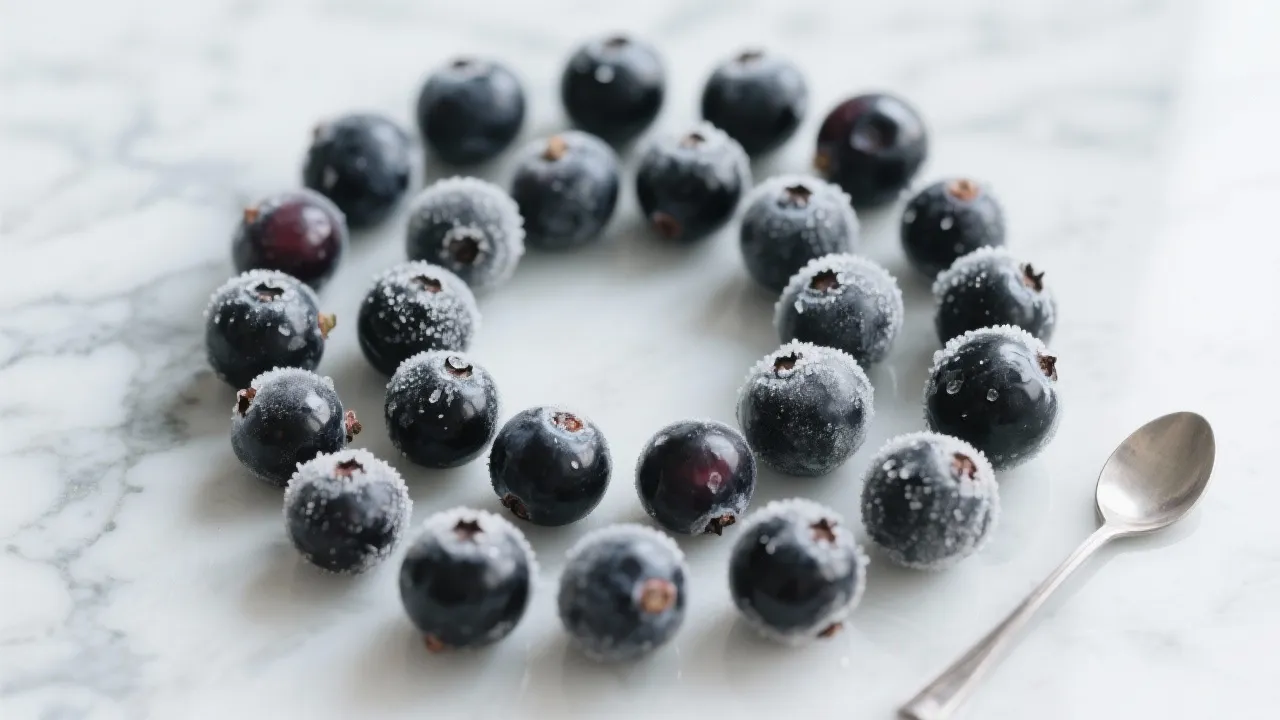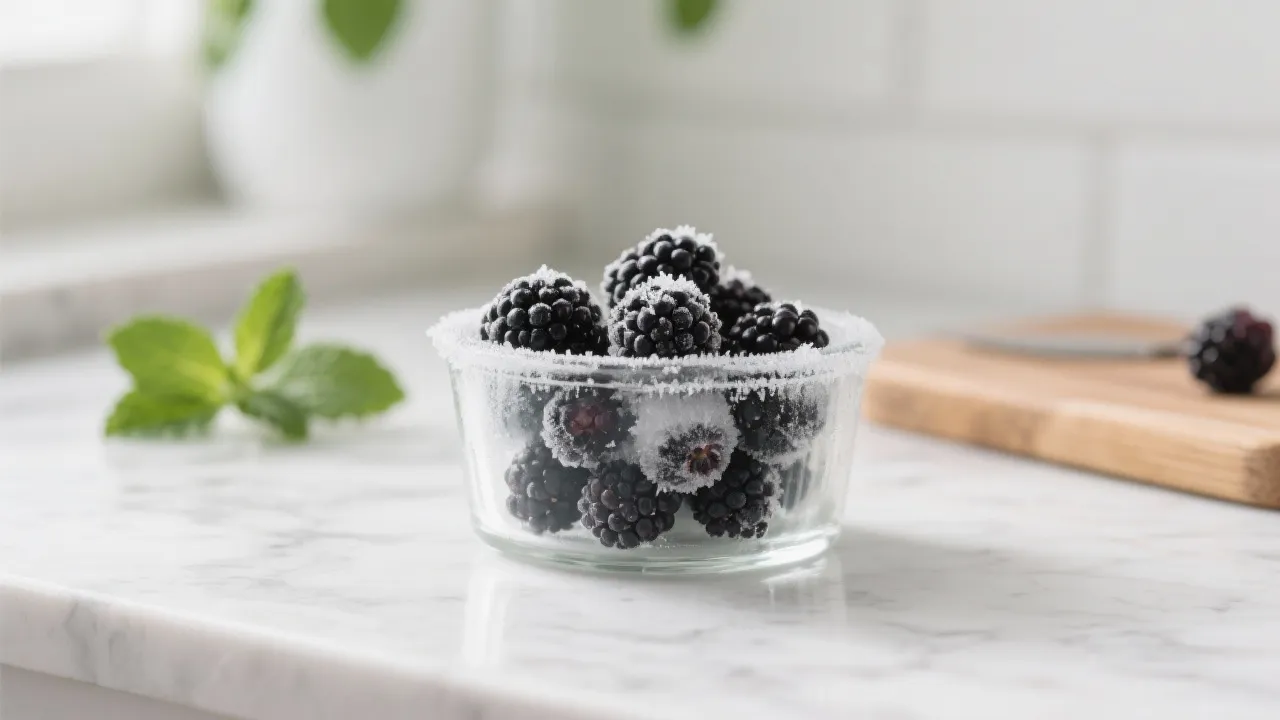
In an industry where 78% of food manufacturers cite product quality consistency as their top challenge (Source: Food Industry Association 2023), mastering the art of preserving organic blackberries from farm to fork has become a critical competitive advantage. This comprehensive guide explores the science and practice behind maintaining peak nutritional value and flavor in frozen organic blackberries.
Organic blackberry cultivation follows strict guidelines that prohibit synthetic pesticides and fertilizers, requiring farmers to implement natural pest management systems. The optimal harvesting window for blackberries occurs when fruits reach 90-95% color development, typically 3-4 weeks after flowering. At this stage, the berries contain their maximum concentration of anthocyanins—powerful antioxidants responsible for their deep purple color and health benefits.
Harvesting must be performed during the coolest parts of the day (early morning or late evening) to prevent field heat accumulation. Studies show that berries harvested at 20°C retain 18% more vitamin C than those harvested at midday temperatures above 30°C (Journal of Food Science, 2022). Professional harvesters trained to identify optimal ripeness ensure only the highest quality fruits enter the supply chain.
Key Processing Milestone: 4-Hour Rule
Research indicates that blackberries left unprocessed for more than 4 hours after harvest experience a 32% loss in vitamin C content and a 27% increase in microbial growth (International Journal of Food Science and Technology, 2023). This underscores the critical importance of rapid processing.
After harvest, berries undergo gentle washing using potable water with minimal pressure to remove field debris without damaging the delicate fruit structure. Advanced optical sorting systems then remove underripe, overripe, or damaged berries, ensuring only premium quality fruits proceed to freezing.
Pre-cooling is essential to halt the ripening process and preserve nutritional value. Hydrocooling—submerging berries in 0-1°C water—achieves core temperature reduction from 20°C to 4°C in under 15 minutes, significantly slower than forced air cooling which typically takes 45-60 minutes.
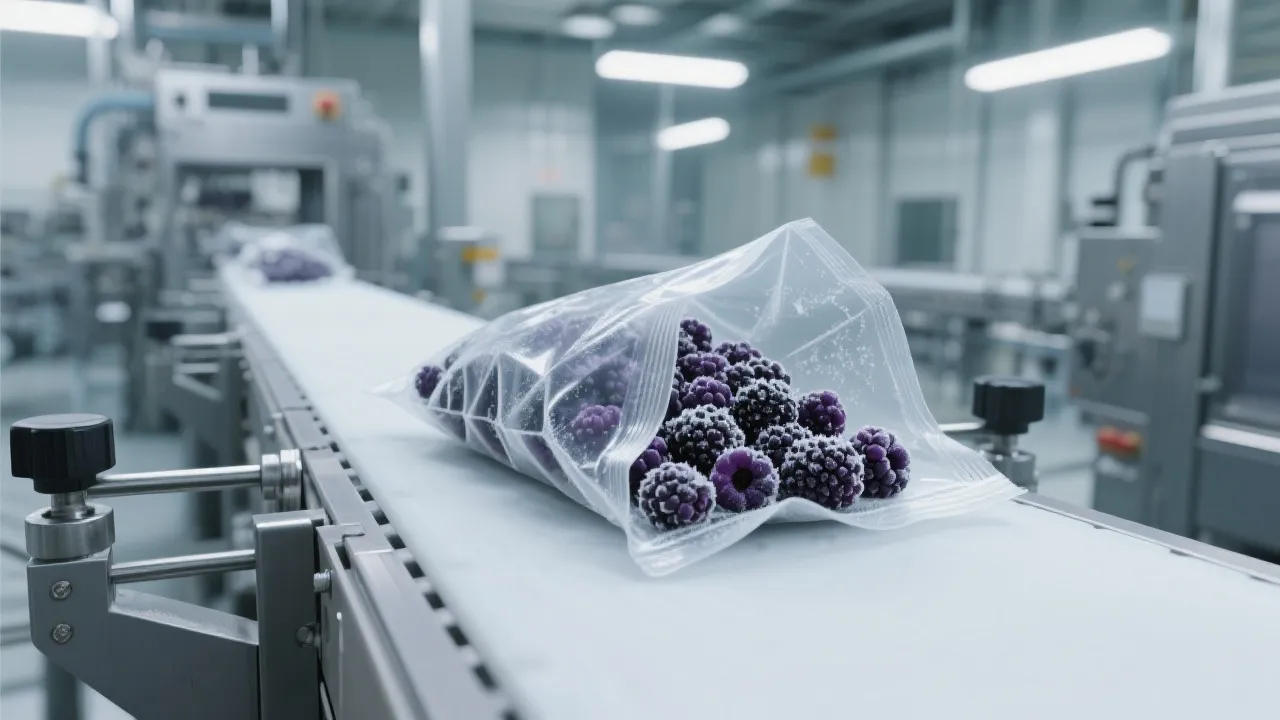
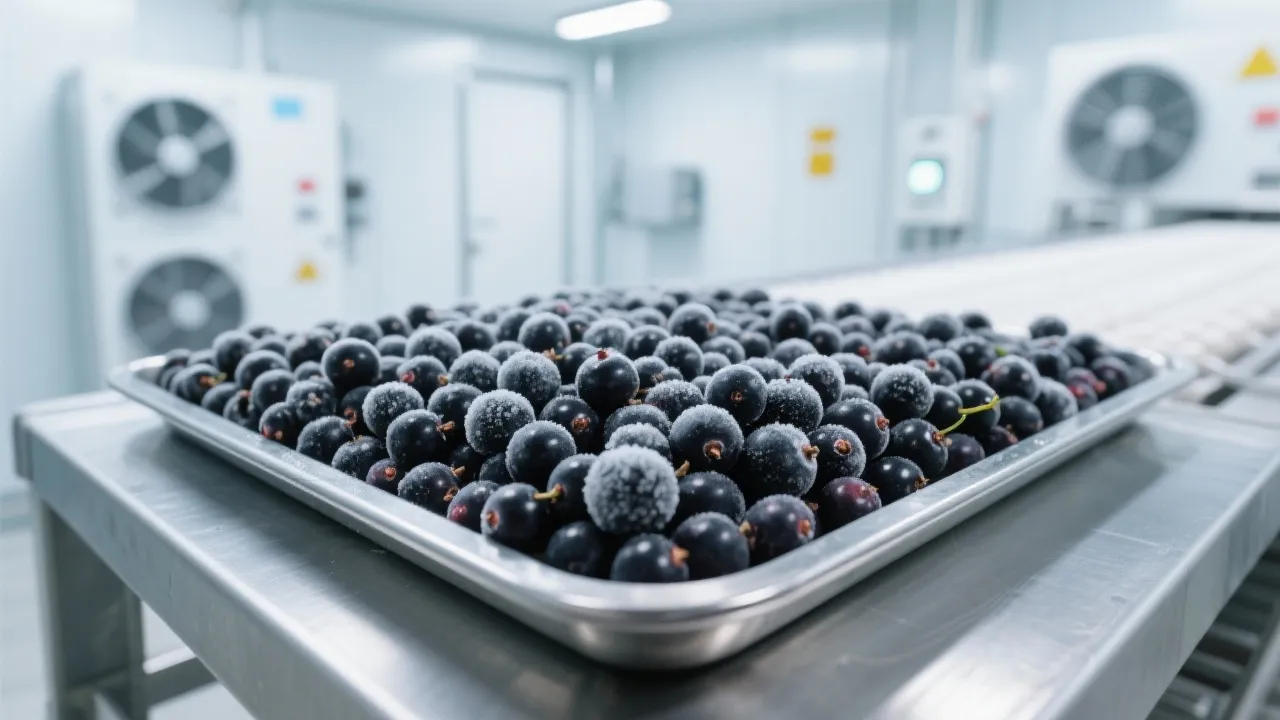
The IQF process involves passing berries through a blast freezer at temperatures as low as -35°C with air velocities of 10-15 m/s. This rapid freezing creates small ice crystals that minimize cellular damage, preserving texture and nutrient content. The entire freezing process takes less than 10 minutes, compared to 2-3 hours in conventional freezing methods.
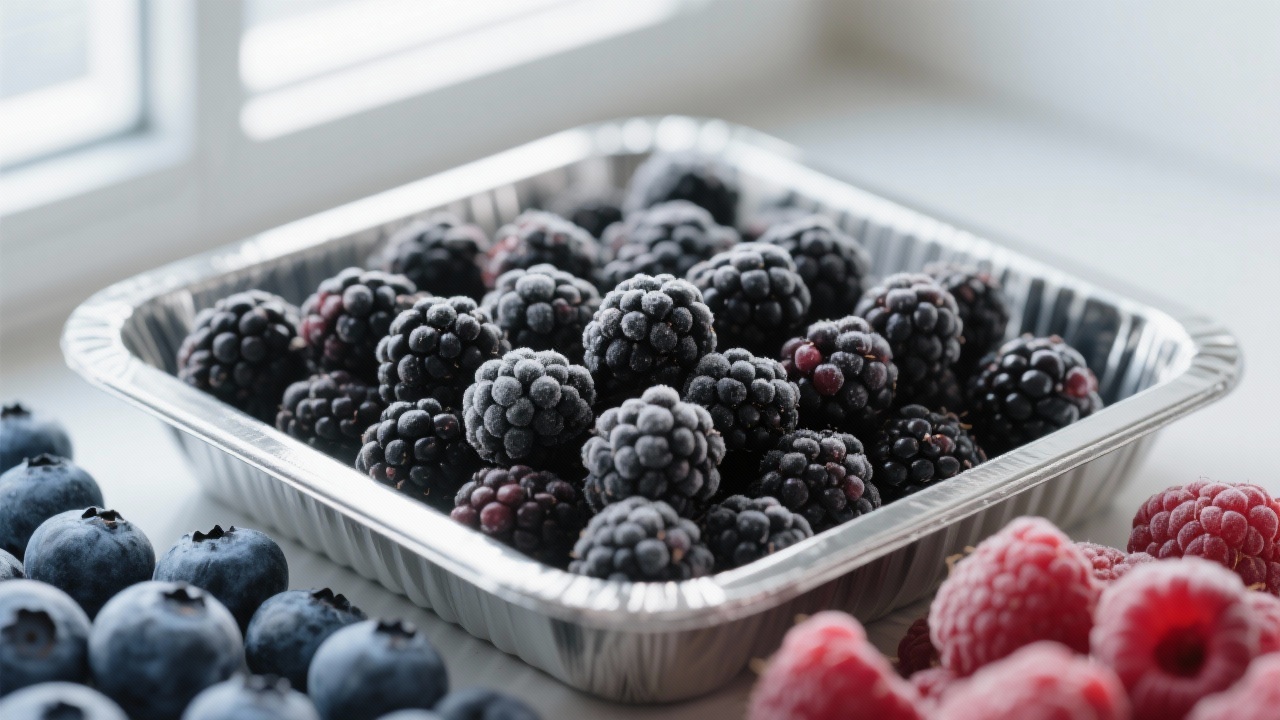
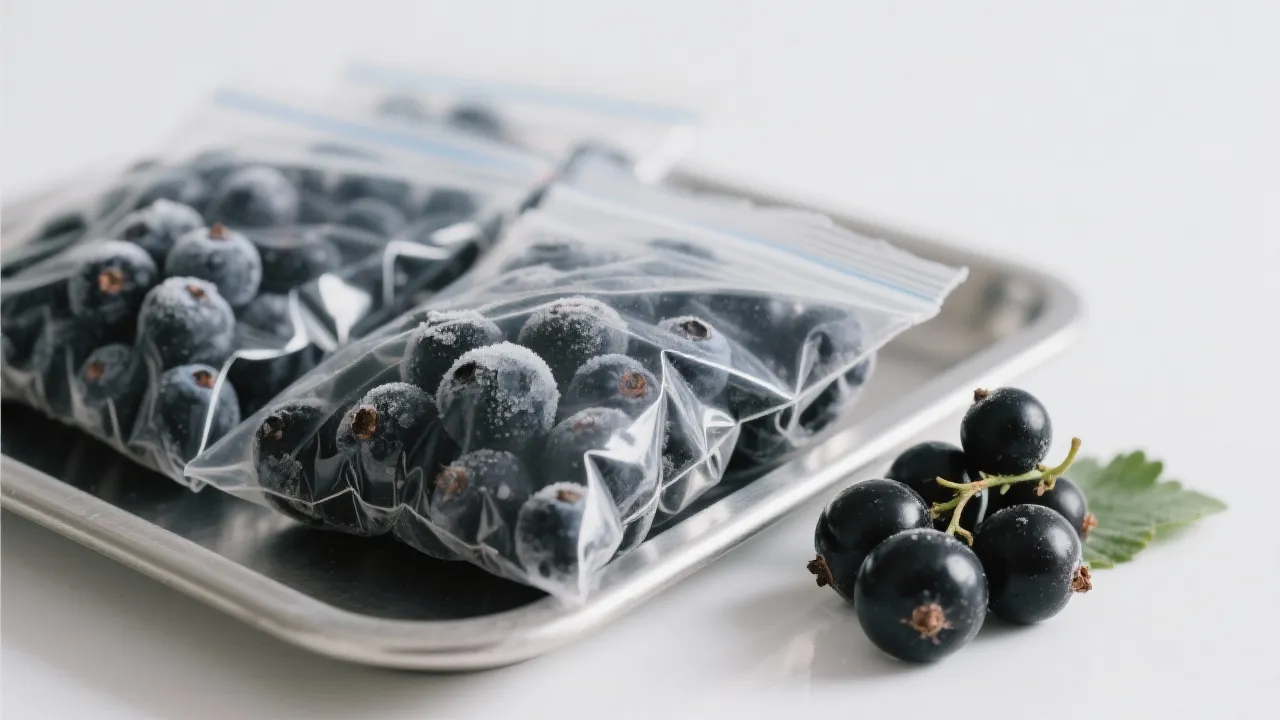
A robust cold chain system is paramount for preserving frozen blackberry quality. The cold chain must maintain a consistent temperature of -18°C or lower throughout storage and transportation. Temperature fluctuations greater than 3°C can cause freezer burn and texture degradation, reducing shelf life by up to 40%.
Modern cold chain management employs IoT-enabled temperature sensors that provide real-time monitoring with accuracy of ±0.5°C. These systems trigger immediate alerts if temperature thresholds are breached, allowing for rapid intervention. Data loggers record temperature history throughout the supply chain, providing traceability and accountability.
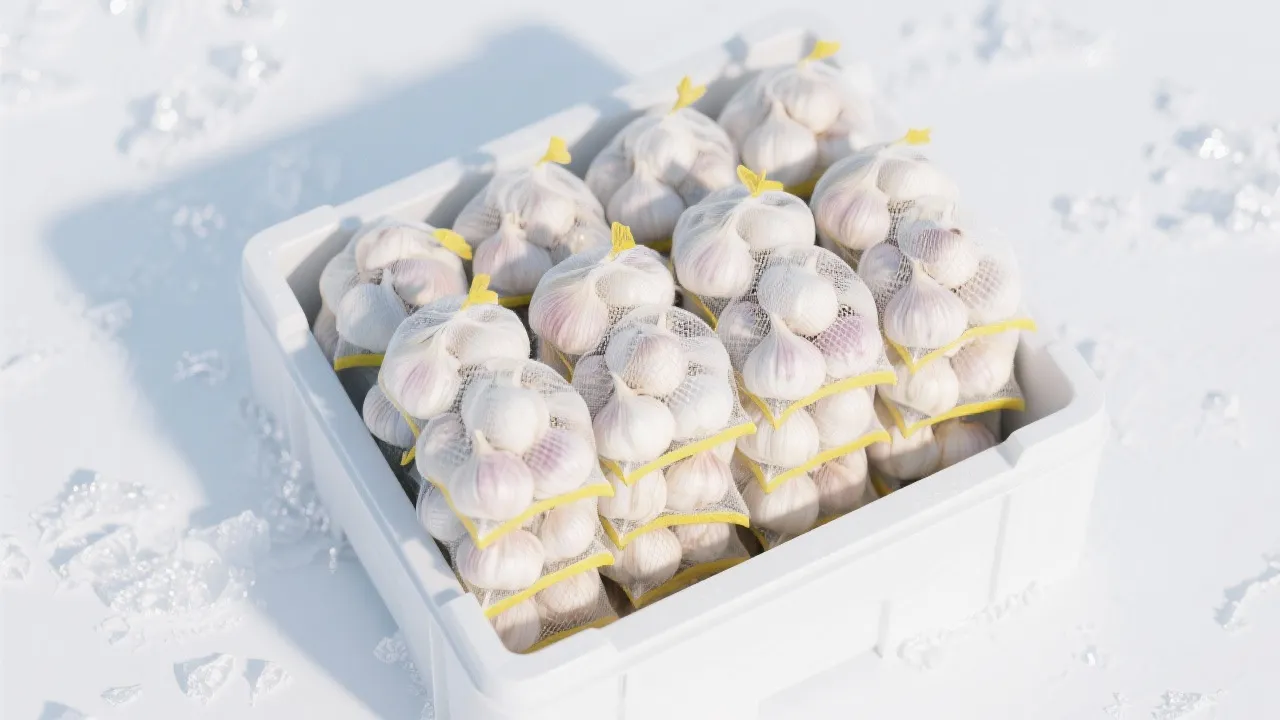
Refrigerated transport vehicles must maintain -20°C to -25°C to account for possible temperature fluctuations during loading and unloading. Insulated containers with minimal air circulation help maintain stable temperatures. For international shipping, specialized reefer containers with advanced climate control systems ensure product integrity across ocean voyages that may take 2-4 weeks.
Comprehensive quality control measures ensure consistent product quality batch after batch. Each production run undergoes rigorous testing for:
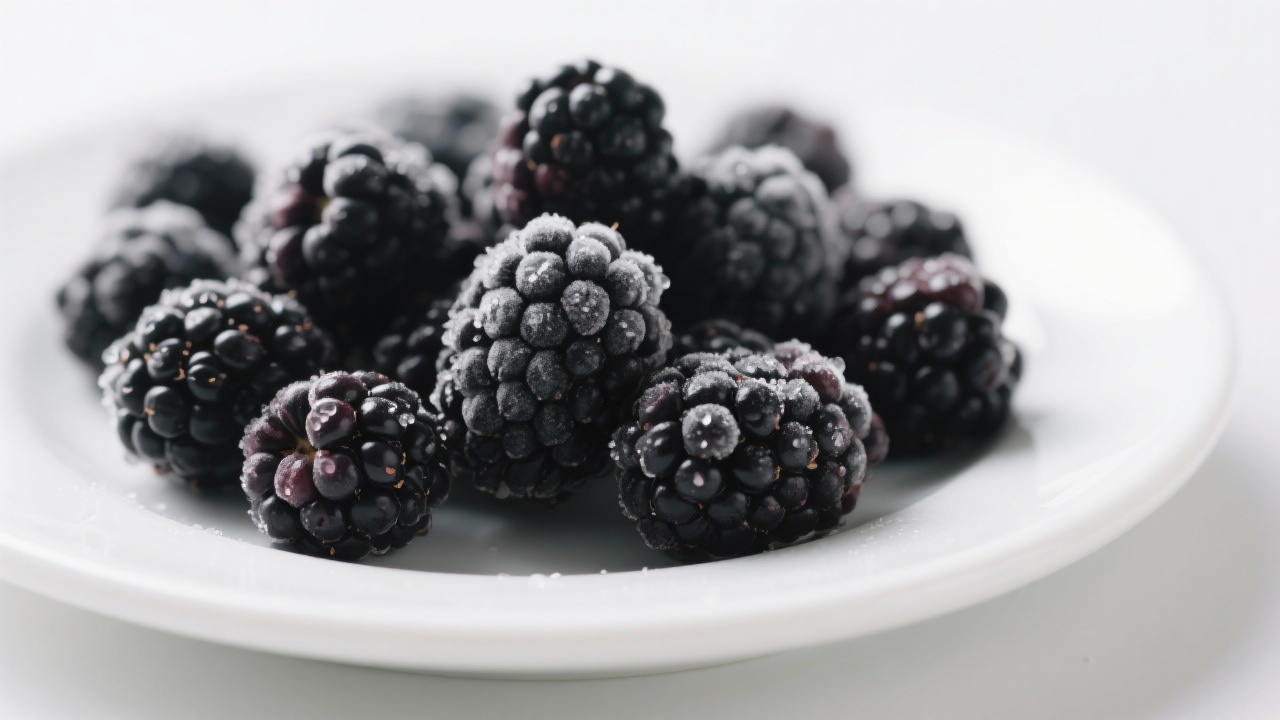
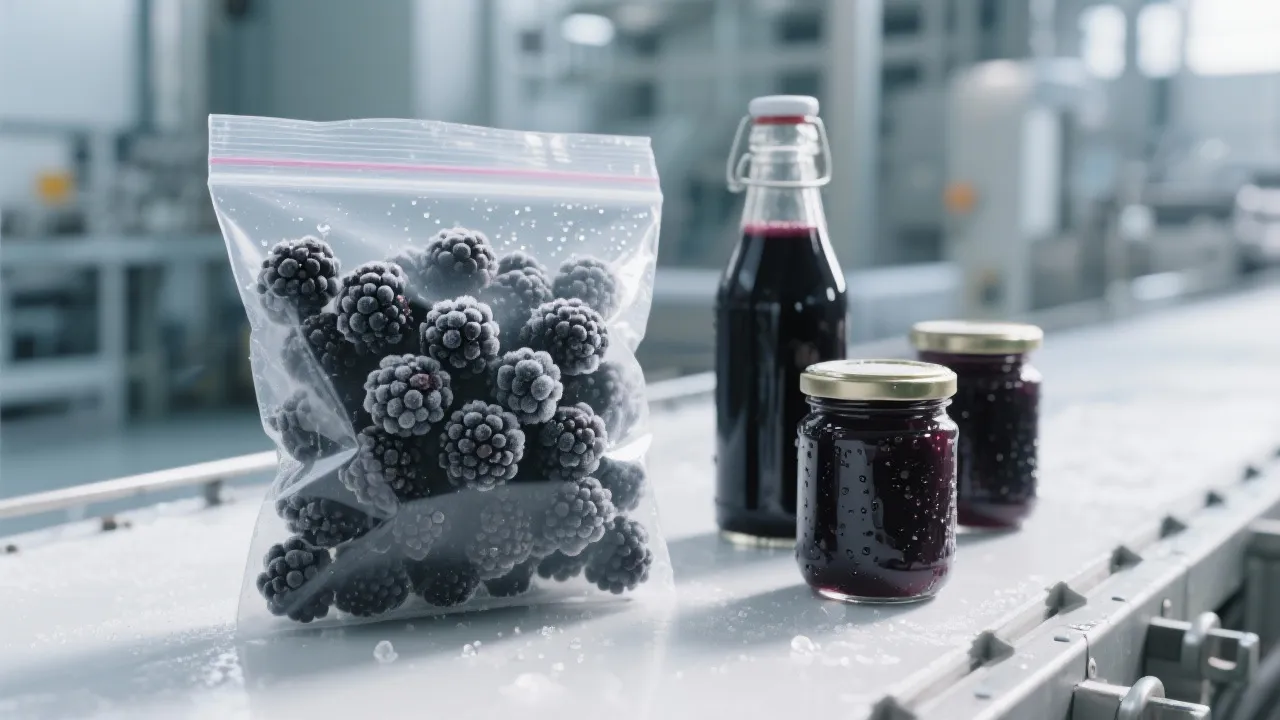
Organic frozen blackberries have become a staple ingredient in various food applications due to their convenience, consistent quality, and year-round availability. Leading food manufacturers are incorporating them into:
Food developers appreciate the consistent flavor profile and texture retention of properly frozen organic blackberries, which eliminate the seasonality challenges associated with fresh berries. When properly thawed, IQF blackberries retain 90% of their original nutritional value and maintain their structural integrity, making them ideal for high-end applications.
Partner with a trusted supplier that implements these industry-leading quality assurance practices. Our commitment to excellence ensures your products consistently meet the highest standards for flavor, nutrition, and safety.
Discover Our Premium Organic Frozen Blackberry SolutionsAuthentic organic frozen blackberries must meet stringent certification standards established by organizations such as the USDA National Organic Program (NOP), EU Organic Regulation (EC 834/2007), and JAS (Japan Organic Standard). These certifications verify that:
Reputable suppliers will provide complete traceability documentation, including lot codes that link each product batch to specific farms and processing dates. This transparency is essential for meeting regulatory requirements and building consumer trust in organic claims.

 286
|
286
|
 Halal Kosher Certification
Frozen Fruit Export
International Food Compliance
Frozen Berry Market Access
Yishangqiao
248
|
Frozen Blackcurrant EU Export
EU Import Label Compliance
EU Regulation 2023/2024
OEM Packaging Customization
Cold Chain Transport Marking
426
|
frozen blackcurrant
blackcurrant juice processing
flavor retention technology
freezing rate control
-18℃ cold chain
489
|
frozen blackcurrant whole fruit rate control
three-round manual sorting process
blackcurrant freezing technology
food processing raw material selection
high-end jam fruit
423
|
high anthocyanin supplements
natural antioxidants
red raspberry extract
functional food R&D
anthocyanin health benefits
Halal Kosher Certification
Frozen Fruit Export
International Food Compliance
Frozen Berry Market Access
Yishangqiao
248
|
Frozen Blackcurrant EU Export
EU Import Label Compliance
EU Regulation 2023/2024
OEM Packaging Customization
Cold Chain Transport Marking
426
|
frozen blackcurrant
blackcurrant juice processing
flavor retention technology
freezing rate control
-18℃ cold chain
489
|
frozen blackcurrant whole fruit rate control
three-round manual sorting process
blackcurrant freezing technology
food processing raw material selection
high-end jam fruit
423
|
high anthocyanin supplements
natural antioxidants
red raspberry extract
functional food R&D
anthocyanin health benefits


.png?x-oss-process=image/resize,h_100,m_lfit/format,webp)
.png?x-oss-process=image/resize,h_100,m_lfit/format,webp)
.png?x-oss-process=image/resize,h_100,m_lfit/format,webp)
 English