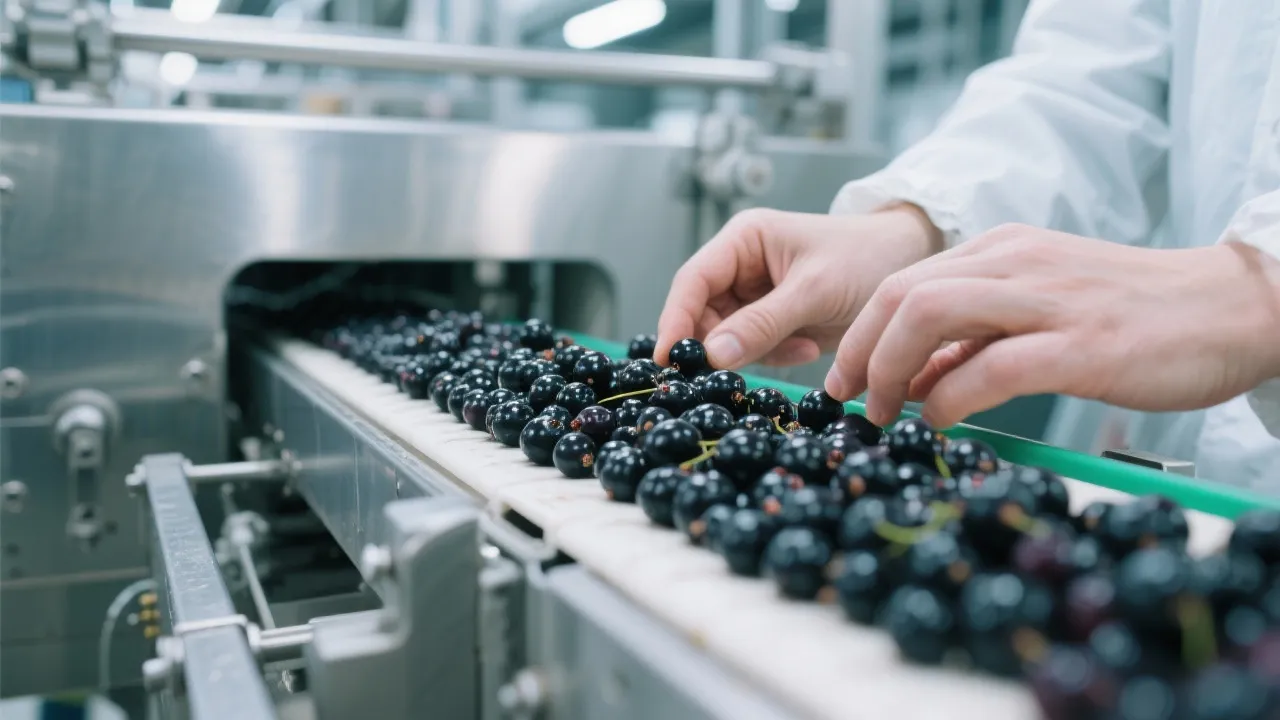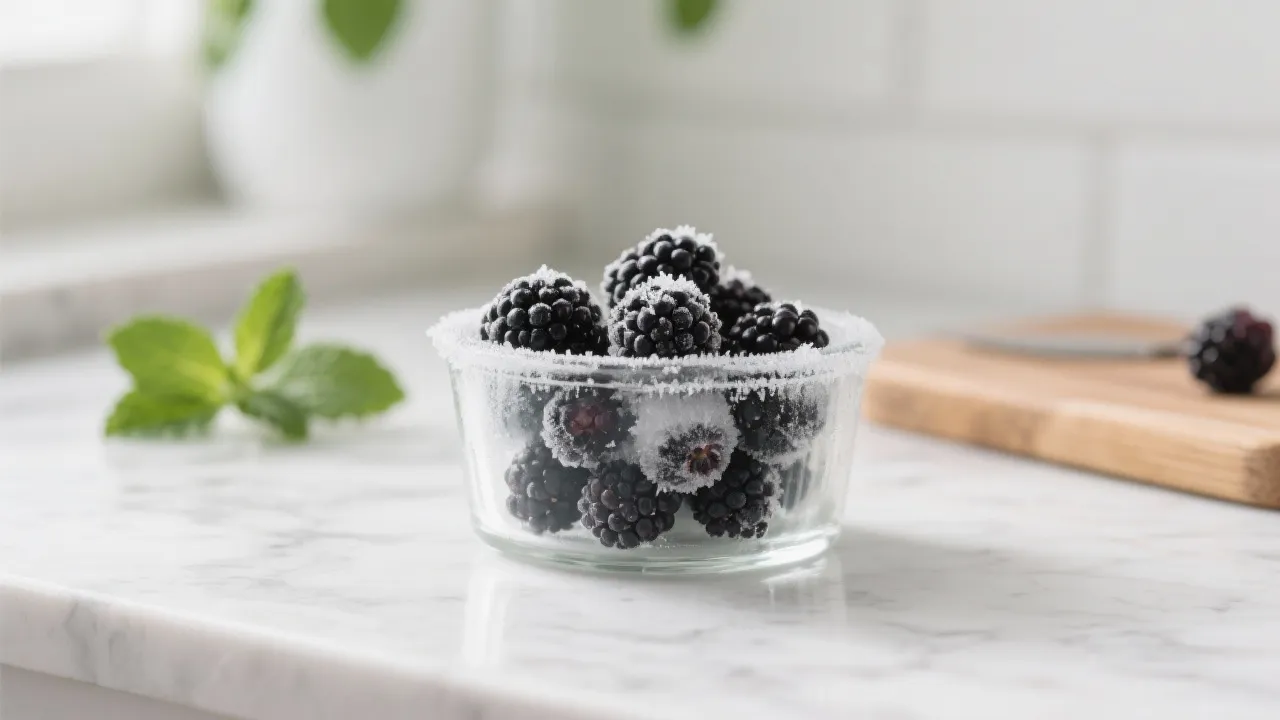
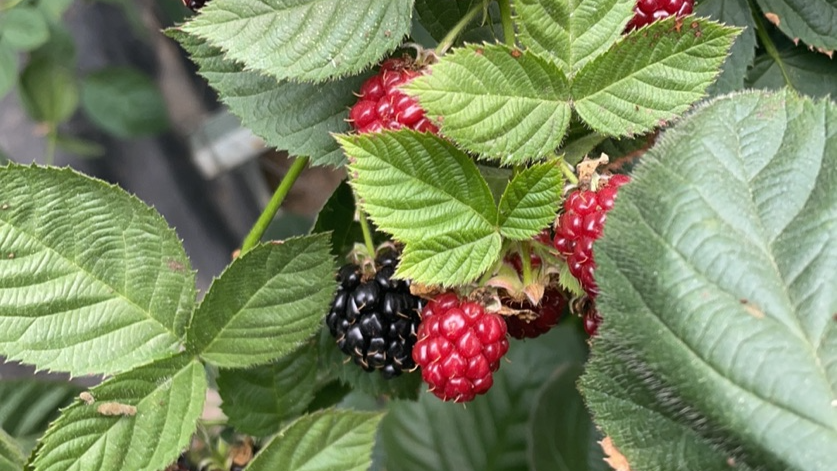
In the competitive landscape of the global food industry, maintaining the pristine quality of organic produce from farm to fork has become both a challenge and a strategic advantage. Organic frozen blackberries, celebrated for their nutritional density and versatile applications, demand exceptional quality control throughout every stage of their journey. This comprehensive analysis explores the sophisticated processes that ensure premium quality organic frozen blackberries reach manufacturers worldwide, with insights from industry leader 亿商桥 on setting new standards in organic fruit supply chain management.
The journey of premium organic frozen blackberries begins long before harvest, rooted in rigorous organic certification standards. Certified organic blackberry cultivation prohibits the use of synthetic pesticides, herbicides, and genetically modified organisms (GMOs), ensuring a product that aligns with the growing consumer demand for clean, sustainable ingredients.
"Organic certification represents more than just a label; it's a commitment to environmental stewardship and consumer health. Our growers adhere to standards that exceed EU and USDA requirements, resulting in blackberries with superior flavor profiles and nutritional content." — Dr. Michael Chen, Agricultural Scientist at 亿商桥
Key certification bodies such as USDA Organic, EU Organic, and JAS (Japan) each have distinct requirements, but all share core principles focused on soil health, biodiversity, and sustainable farming practices. Compliance with these standards requires meticulous record-keeping and annual inspections, ensuring transparency throughout the cultivation process.
The optimal harvest window for blackberries is extraordinarily narrow—typically just 24-48 hours when the fruit reaches 90-95% ripeness. At this stage, the berries achieve their peak sugar content (between 10-12 Brix), vibrant color, and maximum nutrient density, including essential anthocyanins and vitamin C (averaging 21mg per 100g fresh weight).
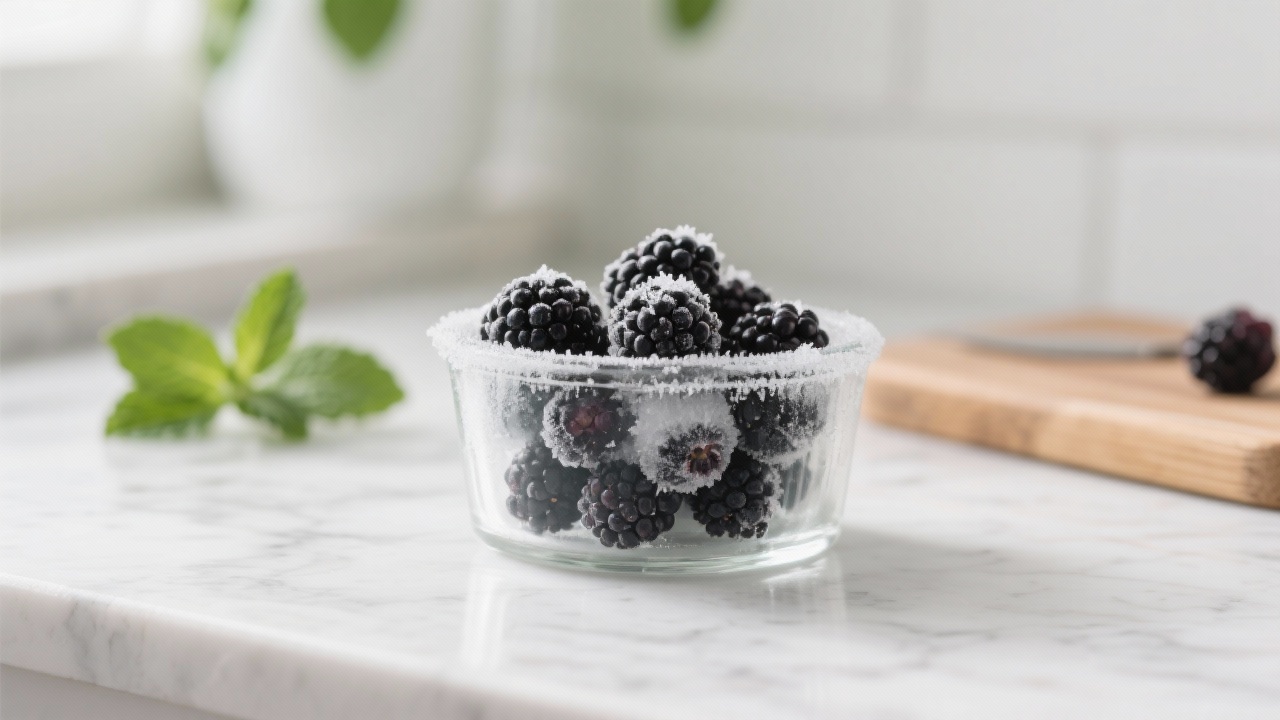
Mechanical harvesting, while efficient for some fruits, risks damaging the delicate blackberry structure. Instead, 亿商桥 employs trained harvesters who hand-select berries, using shallow containers to prevent crushing and bruising. Harvesting occurs during the coolest parts of the day (early morning or late evening) to maintain fruit temperature below 22°C, preserving freshness and slowing enzymatic activity.
Within 30 minutes of harvest, blackberries undergo a critical pre-cooling process to remove field heat. Forced-air cooling systems reduce berry temperature from ambient (20-25°C) to 4°C within 60 minutes, significantly slowing respiration rates and microbial growth.
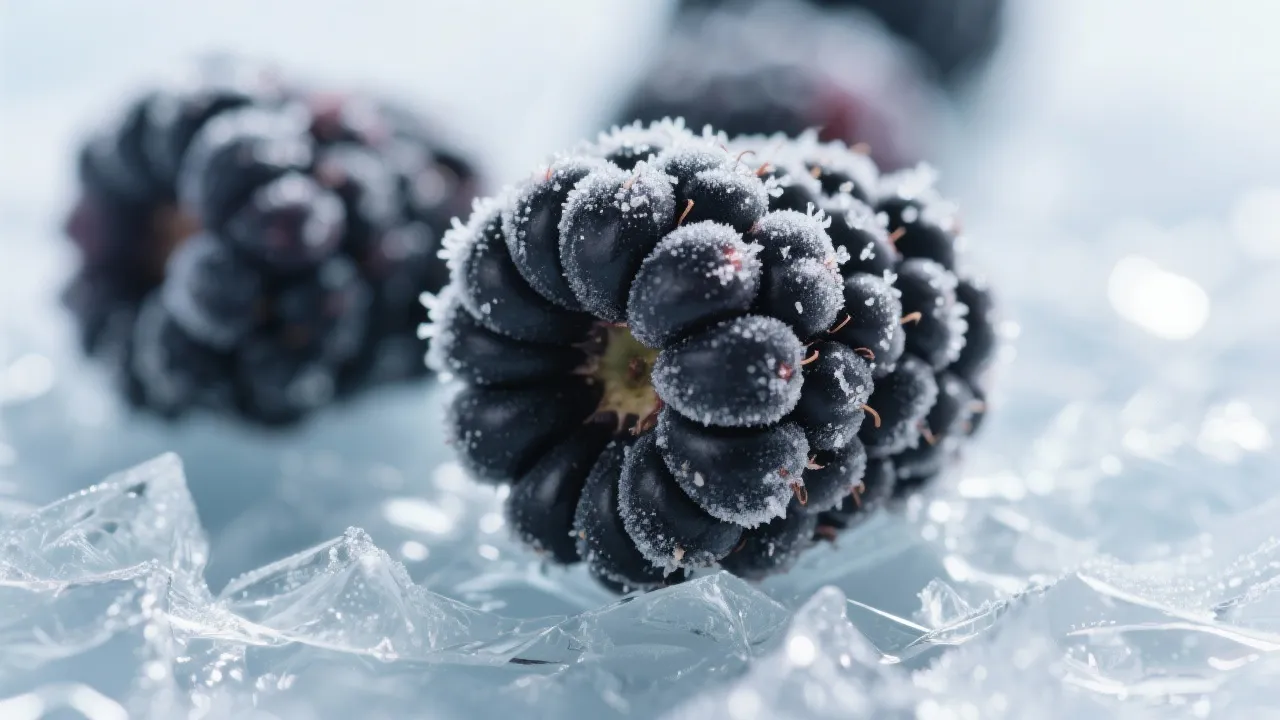
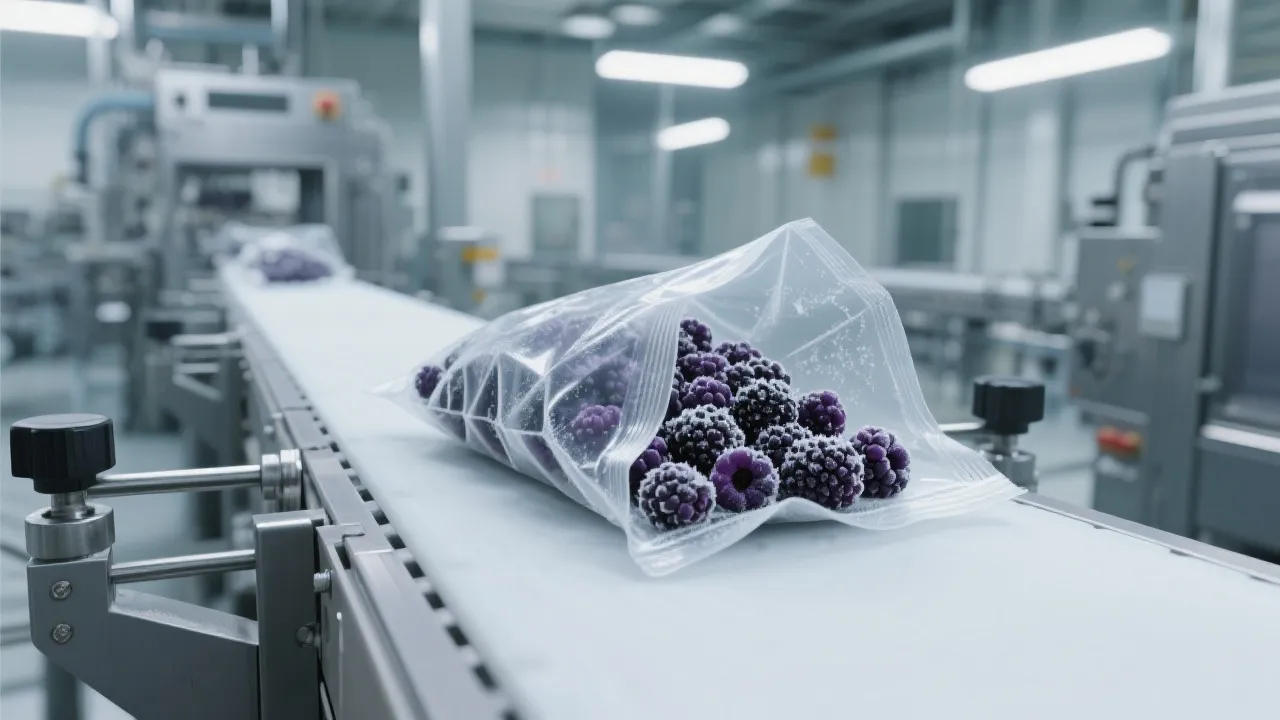
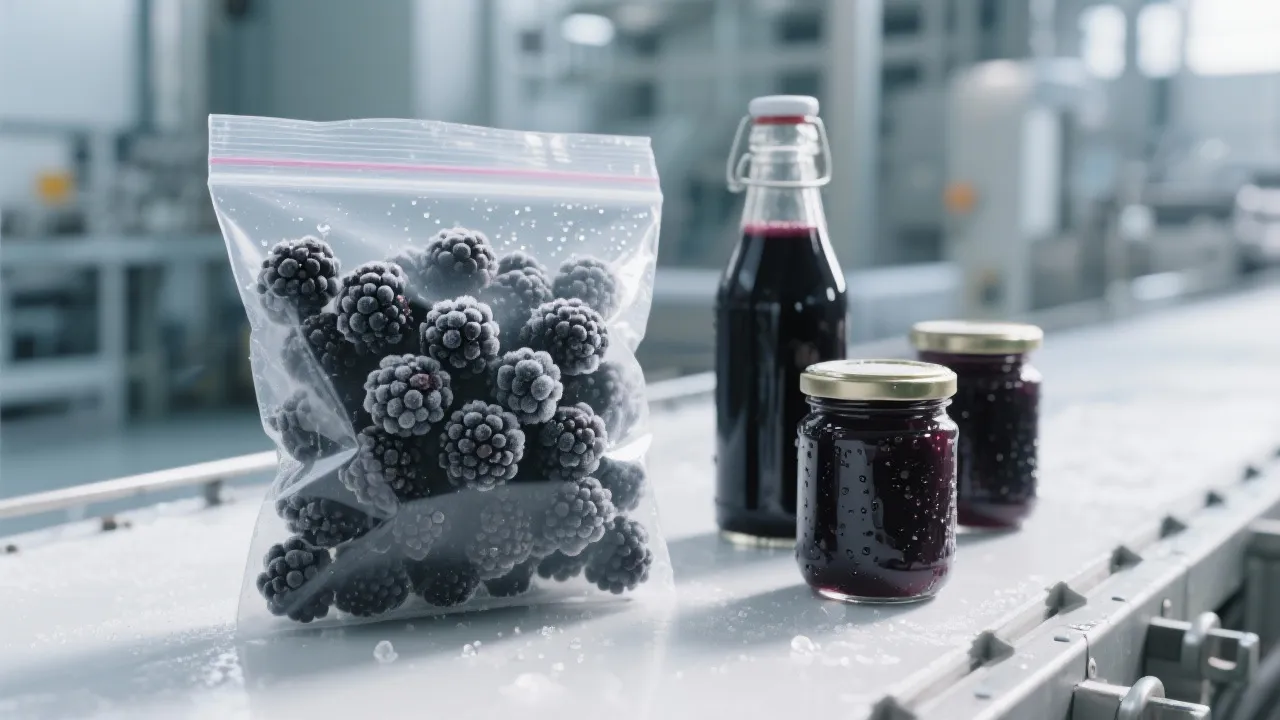
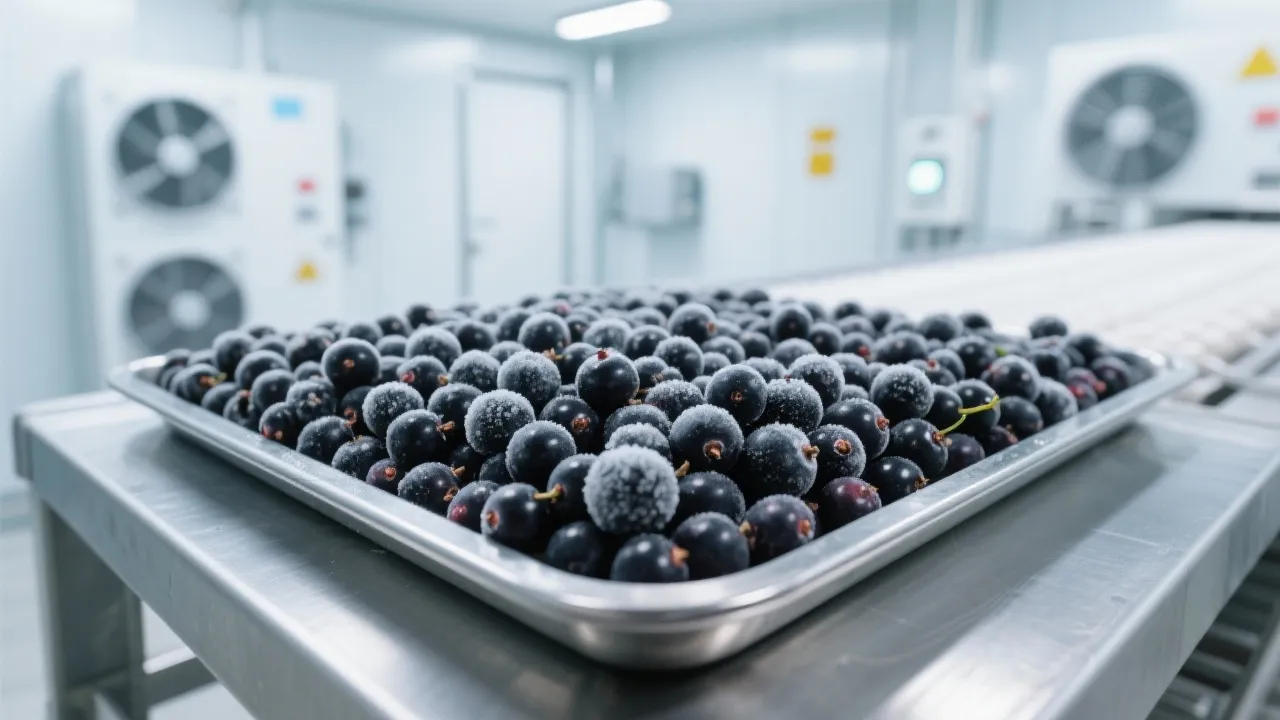
The transition from fresh to frozen is perhaps the most technologically sophisticated stage in the process. Individual Quick Freezing (IQF) systems, operating at temperatures as low as -35°C, freeze berries in a mere 3-5 minutes. This rapid freezing creates microcrystals that minimize cellular damage, preserving both texture and nutrient content.
Alternative methods like cryogenic freezing with liquid nitrogen (-196°C) offer even faster freezing times (under 2 minutes) for premium applications, though at higher operational costs. Studies show IQF-processed blackberries retain approximately 90% of their original vitamin C content, compared to just 65% retention in berries frozen using conventional slow-freezing methods.
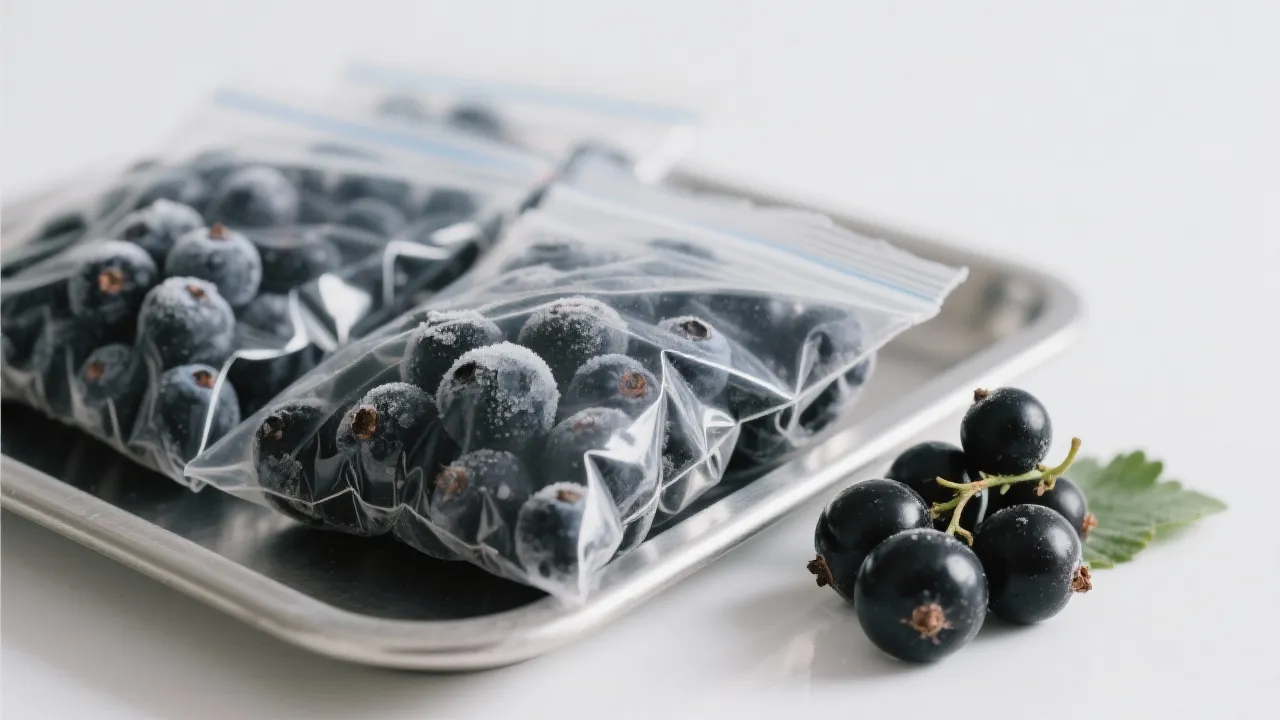
Maintaining consistent frozen storage conditions is paramount for preserving product quality. Storage facilities operate at a constant -18°C, with temperature fluctuations limited to ±1°C. Modern warehouses employ automated inventory systems that rotate stock using FIFO (First-In-First-Out) principles, ensuring maximum shelf life of 24 months from production date.
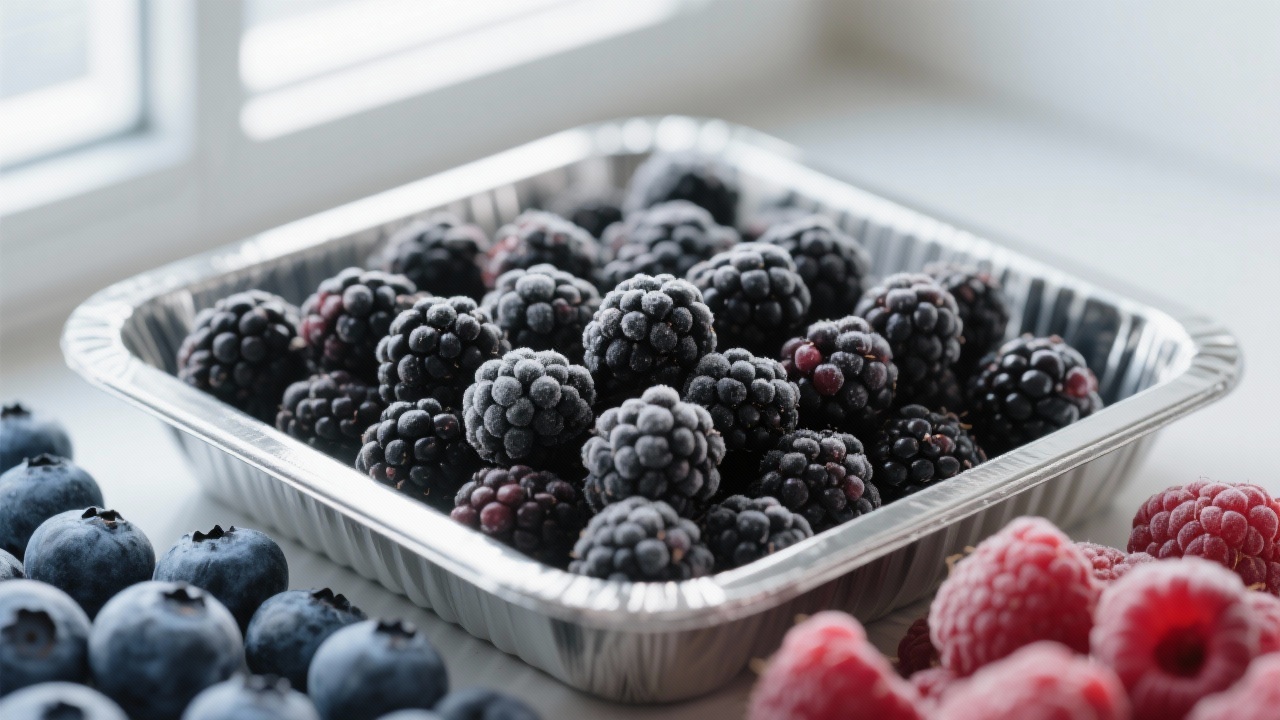
Humidity control is equally critical, maintained at 90-95% to prevent freezer burn while avoiding ice crystal formation on the berries' surface. Regular quality checks include sensory evaluation (color, texture, aroma) and laboratory analysis for microbial counts (targeting total plate counts below 10^4 CFU/g) and nutritional stability.
The final leg of the journey—transportation—represents one of the greatest quality risks. Advanced cold chain logistics employ multi-zone temperature control systems that maintain -18°C throughout shipping, with real-time monitoring via GPS-enabled sensors that alert operators to any temperature deviations exceeding 2°C for more than 15 minutes.
For international shipments, specialized reefer containers provide stable conditions during ocean transport, while air freight options offer expedited delivery for time-sensitive orders. Data from 亿商桥's logistics division shows that maintaining proper cold chain conditions results in less than 0.5% product loss during transit, significantly below the industry average of 3-5% for frozen fruits.
Food manufacturers worldwide are leveraging the consistent quality of premium organic frozen blackberries to develop innovative products across multiple categories:
Access our comprehensive technical whitepaper featuring detailed specification sheets, quality testing protocols, and recipe inspiration for product development.
Download Whitepaper & Request SamplesAs consumer demand for clean, functional ingredients continues to rise, the quality of raw materials becomes the cornerstone of product differentiation. By implementing these advanced quality control measures throughout the supply chain, 亿商桥 ensures that organic frozen blackberries retain their nutritional integrity, flavor, and visual appeal—from the moment they're harvested until they reach the manufacturing facility. The result is a premium ingredient that not only meets but exceeds the exacting standards of food industry professionals worldwide.

 267
|
267
|
 frozen red raspberry preprocessing
plant-based milk beverage stability
functional beverage formulation optimization
natural pigment retention in protein drinks
red raspberry flavor coordination
188
|
export frozen raspberries
ISO 22000 certification
HACCP food safety
frozen fruit compliance
Yishangqiao
156
|
blackcurrant frozen fruit
juice processing technology
thawing methods
flavor preservation
cold chain logistics
456
|
Halal certification
Kosher certification
food export compliance
global market access
Yishangqiao
422
|
frozen blackcurrant OEM packaging
EU packaging compliance
EU Regulation 2023/2024
food import labeling
HACCP certified packaging
frozen red raspberry preprocessing
plant-based milk beverage stability
functional beverage formulation optimization
natural pigment retention in protein drinks
red raspberry flavor coordination
188
|
export frozen raspberries
ISO 22000 certification
HACCP food safety
frozen fruit compliance
Yishangqiao
156
|
blackcurrant frozen fruit
juice processing technology
thawing methods
flavor preservation
cold chain logistics
456
|
Halal certification
Kosher certification
food export compliance
global market access
Yishangqiao
422
|
frozen blackcurrant OEM packaging
EU packaging compliance
EU Regulation 2023/2024
food import labeling
HACCP certified packaging


.png?x-oss-process=image/resize,h_100,m_lfit/format,webp)
.png?x-oss-process=image/resize,h_100,m_lfit/format,webp)
.png?x-oss-process=image/resize,h_100,m_lfit/format,webp)
 English