
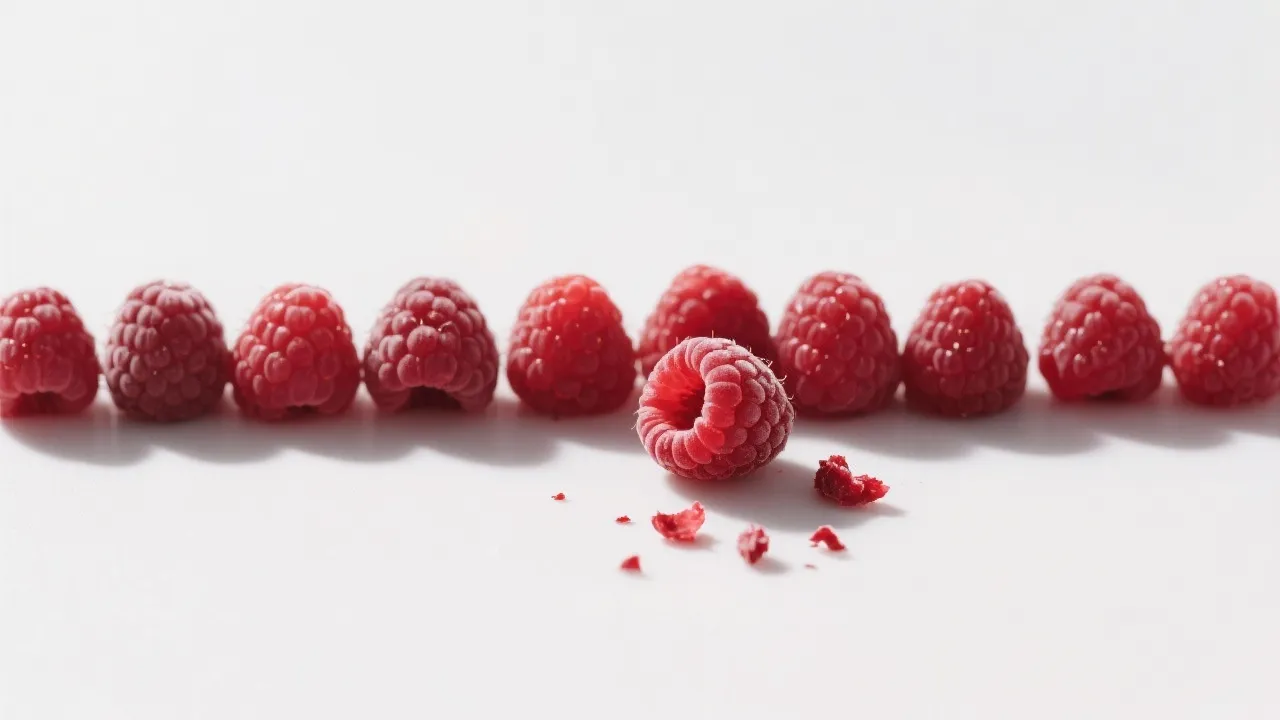
In the competitive landscape of premium nutritional beverages, the quality of natural berry ingredients directly impacts product efficacy, consumer trust, and market positioning. This comprehensive guide explores the scientific approach to selecting superior berry raw materials, with a focus on raspberry as a case study, examining how environmental factors, harvesting techniques, and processing methods influence the retention of critical bioactive compounds.
The environmental conditions where berries are cultivated—often referred to as "terroir"—exert a profound influence on their nutritional profile. Studies by the International Society for Horticultural Science demonstrate that raspberry plants grown at higher elevations (between 800-1200 meters) contain up to 32% higher anthocyanin levels compared to those grown at sea level, due to increased UV radiation stimulating phenolic compound production.
Optimal growing regions typically feature well-drained soil with pH levels between 5.5-6.5, annual rainfall ranging from 600-900mm, and temperature fluctuations that promote sugar accumulation without causing heat stress. These conditions contribute to the development of berries with superior flavor complexity and nutritional density.
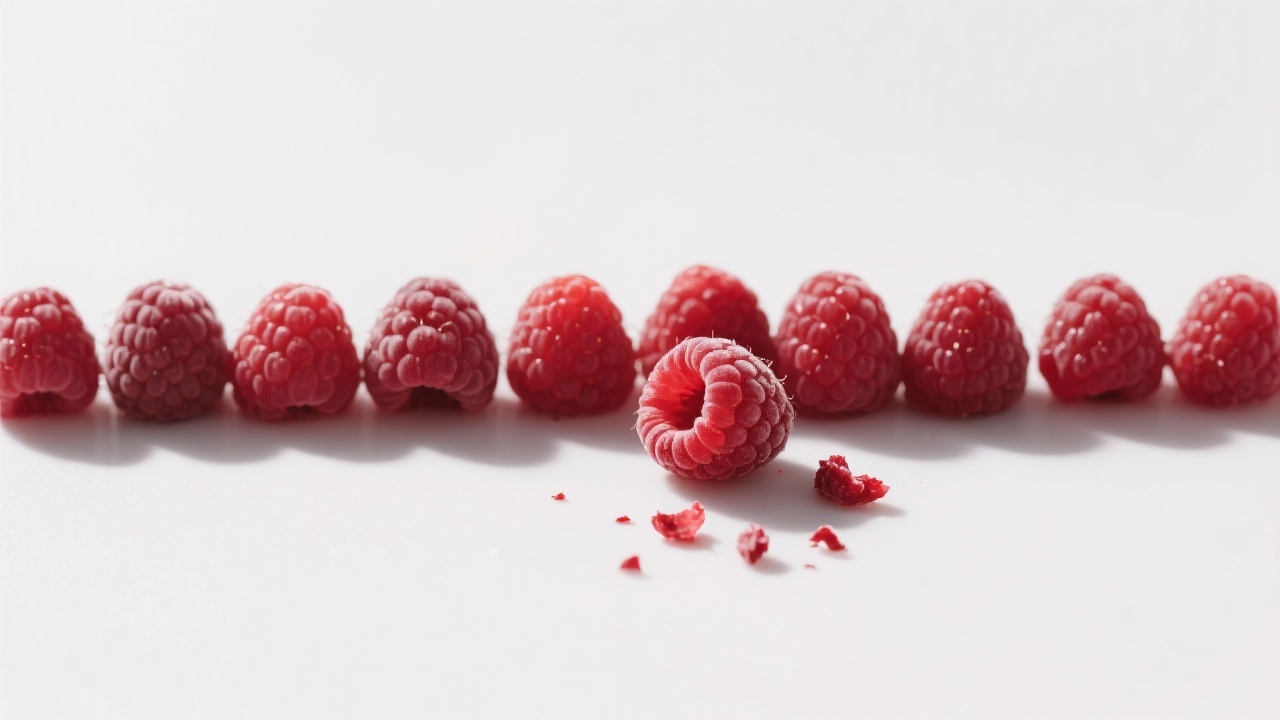
Precision in harvest timing represents one of the most critical factors in preserving berry bioactivity. Research conducted at the University of California, Davis Department of Food Science indicates that raspberries harvested at 90-95% ripeness contain the optimal balance of anthocyanins (average 320mg/100g), vitamin C (26mg/100g), and antioxidant capacity (ORAC value of 4900 µmol TE/100g).
Modern berry producers utilize advanced techniques including refractometer measurements (target Brix levels of 10-12° for raspberries) and colorimetric analysis (CIE L*a*b* values) to determine optimal harvest time. These objective methods replace subjective visual assessment, ensuring consistent quality and nutrient retention.
| Ripeness Stage | Brix Level | Anthocyanin Content | Vitamin C |
|---|---|---|---|
| Immature (75%) | 6-8° | 180-220mg/100g | 18-20mg/100g |
| Optimal (90-95%) | 10-12° | 300-340mg/100g | 24-28mg/100g |
| Overripe (100%) | 13-15° | 290-310mg/100g | 16-19mg/100g |
The choice of processing method dramatically affects the retention of bioactive compounds in berry ingredients. A comparative study published in the Journal of Food Science and Technology evaluated three common processing techniques for raspberry preservation, with revealing results for manufacturers prioritizing nutritional integrity.
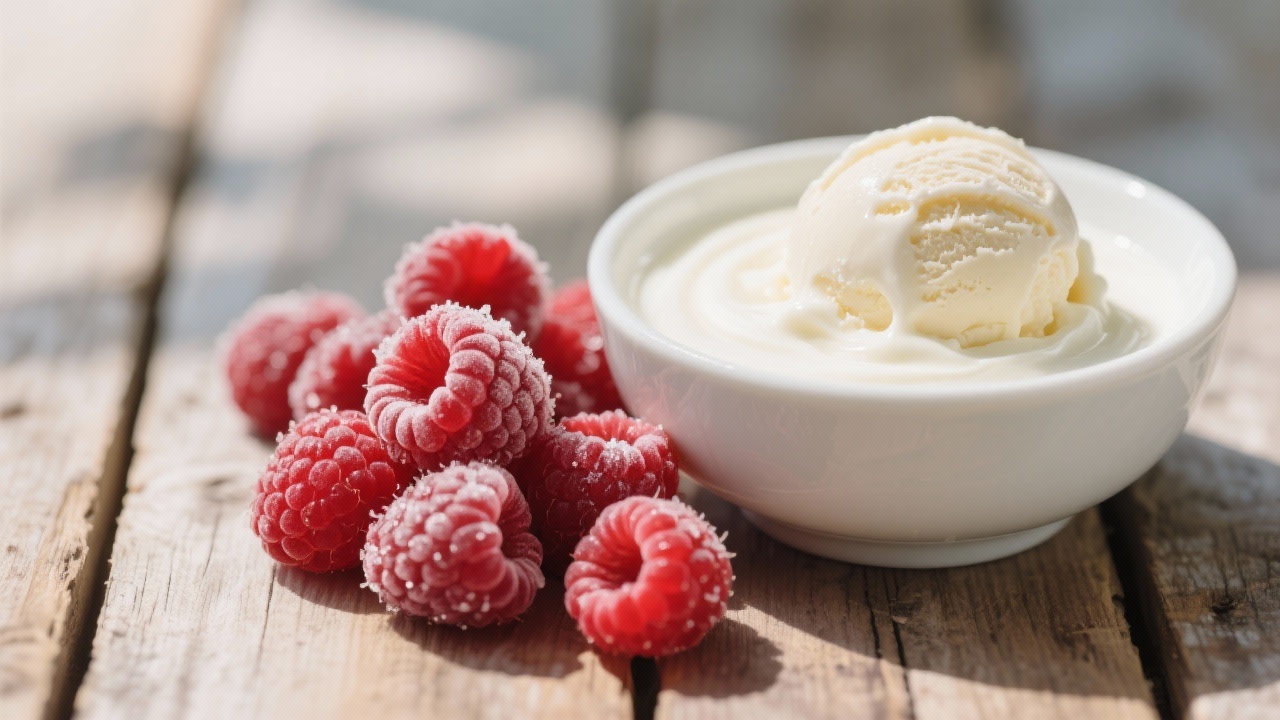
Freeze-drying emerges as the superior method for preserving raspberry bioactive compounds, maintaining 92-95% of original anthocyanin content and 88-91% of vitamin C. This process involves flash-freezing berries at -40°C followed by vacuum drying, which sublimates moisture without causing thermal degradation of heat-sensitive nutrients.
While freeze-drying represents a higher initial investment, the resulting ingredient offers superior solubility, extended shelf life (24+ months when properly stored), and minimal nutrient loss—critical factors for premium beverage formulations where functional claims drive market differentiation.
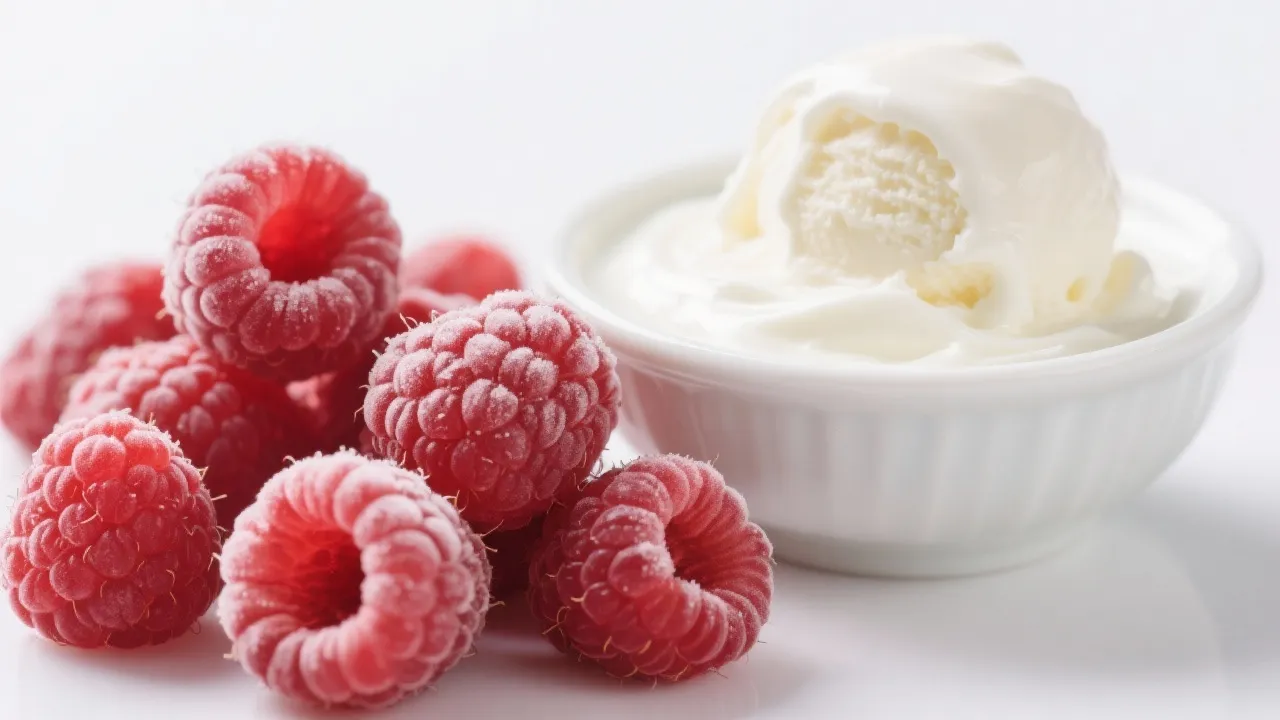
Hot air drying, while more cost-effective, typically results in 40-50% loss of anthocyanins and 55-65% loss of vitamin C due to prolonged exposure to temperatures between 50-70°C. Frozen whole fruit maintains better nutrient profiles (75-80% retention) but presents challenges in formulation flexibility and shelf stability compared to dried formats.
Premium beverage manufacturers must prioritize原料安全 alongside nutritional quality. Compliance with ISO 22000 food safety management standards ensures comprehensive control of potential hazards throughout the supply chain, from cultivation to processing.
Key safety parameters for berry ingredients include microbiological testing (total plate count <10^5 CFU/g), mycotoxin screening (aflatoxin B1 <2 µg/kg), and pesticide residue analysis (compliance with EU Maximum Residue Levels). Reputable suppliers implement Hazard Analysis and Critical Control Points (HACCP) systems to identify and mitigate potential risks at every production stage.
The difference between a good nutritional beverage and an exceptional one lies in the quality of raw materials. By implementing the scientific selection criteria outlined in this guide, product developers can create formulations that deliver on both nutritional promises and sensory expectations.
Our vertically integrated supply chain ensures consistent access to premium raspberry ingredients with verified anthocyanin levels exceeding 320mg/100g and full ISO 22000 compliance. Benefit from our proprietary freeze-drying technology that preserves maximum nutritional integrity.
Request Your Technical Sample KitAs consumer demand for transparent, high-quality nutritional beverages continues to grow, the scientific selection of berry ingredients becomes not just a competitive advantage, but a necessity. By prioritizing terroir, harvest timing, advanced processing, and rigorous safety standards, manufacturers can develop products that truly deliver on their nutritional promises while building long-term consumer trust.

 80
|
80
|
 frozen blackcurrant preservation
IQF quick freezing technology
cold chain logistics
blackcurrant whole fruit yield
frozen berry processing
391
|
frozen blackberry export
halal certification for food
haccp iso 22000 compliance
organic frozen fruit
clean label food certification
99
|
frozen blackcurrants
quick - freezing technology
nutrition retention
cold - chain transportation
food processing
195
|
frozen blackberry distribution efficiency
custom packaging for organic frozen berries
high-quality frozen fruit supply chain solutions
HACCP certified frozen fruits
international food ingredient sourcing
108
|
EU import standards
HACCP certification
frozen blackcurrants
supply chain optimization
European market compliance
frozen blackcurrant preservation
IQF quick freezing technology
cold chain logistics
blackcurrant whole fruit yield
frozen berry processing
391
|
frozen blackberry export
halal certification for food
haccp iso 22000 compliance
organic frozen fruit
clean label food certification
99
|
frozen blackcurrants
quick - freezing technology
nutrition retention
cold - chain transportation
food processing
195
|
frozen blackberry distribution efficiency
custom packaging for organic frozen berries
high-quality frozen fruit supply chain solutions
HACCP certified frozen fruits
international food ingredient sourcing
108
|
EU import standards
HACCP certification
frozen blackcurrants
supply chain optimization
European market compliance
.jpg?x-oss-process=image/resize,h_800,m_lfit/format,webp)


.png?x-oss-process=image/resize,h_100,m_lfit/format,webp)
.png?x-oss-process=image/resize,h_100,m_lfit/format,webp)
.png?x-oss-process=image/resize,h_100,m_lfit/format,webp)
 English


