
As a product developer in the high-end nutritional beverage industry, you understand that the quality of your ingredients directly impacts the efficacy and market success of your final products. All too often, formulators face the frustrating challenge of inconsistent raw material quality—leading to diminished product potency, increased production costs, and ultimately, disappointed customers. This guide will walk you through the critical factors that determine raspberry ingredient quality, from terroir selection to processing techniques, empowering you to make data-driven sourcing decisions that elevate your formulations.
"The bioactive compounds in raspberries are highly sensitive to environmental conditions and processing methods. Our research indicates that improper handling can result in up to 78% loss of anthocyanins and 62% reduction in vitamin C content before ingredients even reach production facilities." — International Journal of Food Science & Technology, 2023
Not all raspberry-growing regions are created equal when it comes to producing nutritionally superior berries. The unique combination of soil composition, climate patterns, and altitude creates distinct terroir characteristics that significantly impact bioactive compound accumulation.
Regions like Northeast China and Xinjiang offer ideal conditions for raspberry cultivation. These areas benefit from:
These environmental factors contribute to raspberries with anthocyanin levels averaging 320-380 mg/100g fresh weight—compared to the global average of 220-280 mg/100g. This represents a potential 25-35% increase in key bioactive compounds simply through strategic geographic sourcing.
The timing of raspberry harvest represents a critical decision point that directly impacts nutritional quality. Raspberries reach peak anthocyanin content at 90-95% ripeness, but this window lasts only 24-48 hours under optimal conditions. Harvesting too early results in underdeveloped flavor and nutrient profiles, while delaying harvest beyond this window increases sugar content at the expense of bioactive compounds.
Our research partners at the Chinese Academy of Agricultural Sciences have documented the following nutrient progression in red raspberries during the final week of ripening:
| Days Before Optimal Ripeness | Anthocyanin Content (mg/100g) | Vitamin C (mg/100g) | Total Polyphenols (mg/100g) |
|---|---|---|---|
| 7 days | 145 | 28 | 210 |
| 3 days | 268 | 42 | 345 |
| Optimal (0 days) | 352 | 58 | 420 |
| +2 days | 336 | 45 | 398 |
To capture this optimal window, look for suppliers who implement field monitoring programs with daily Brix testing and color analysis. The most sophisticated operations use handheld NIR (Near-Infrared) spectrometers to non-destructively measure internal quality parameters, ensuring precise harvest timing.
Once harvested, the race to preserve nutritional integrity begins. The processing method selected will significantly impact the final quality of your raspberry ingredients. Let's examine the three primary techniques and their respective impacts on key nutrients:
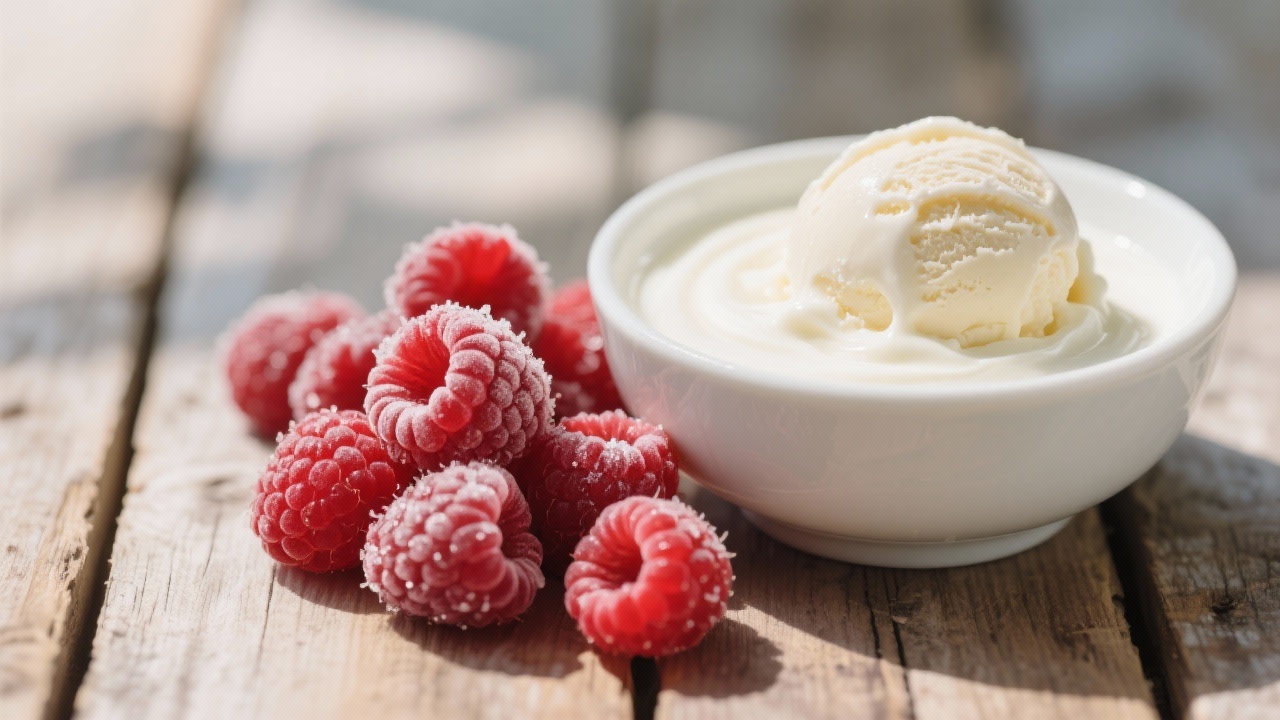
Freeze-drying (lyophilization) preserves raspberries by removing moisture through sublimation under vacuum. This gentle process maintains cellular structure and minimizes thermal degradation:
The most common and economical method, hot air drying uses heated air to evaporate moisture. However, the thermal exposure comes with significant nutrient costs:
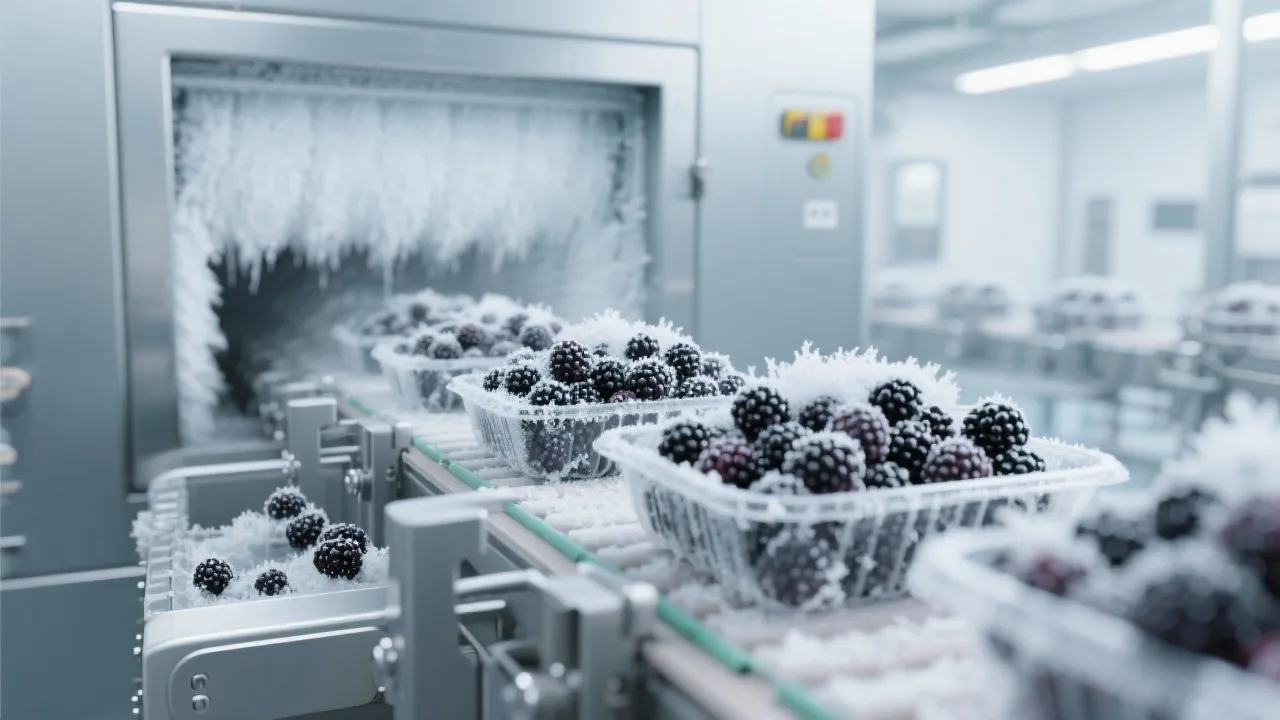
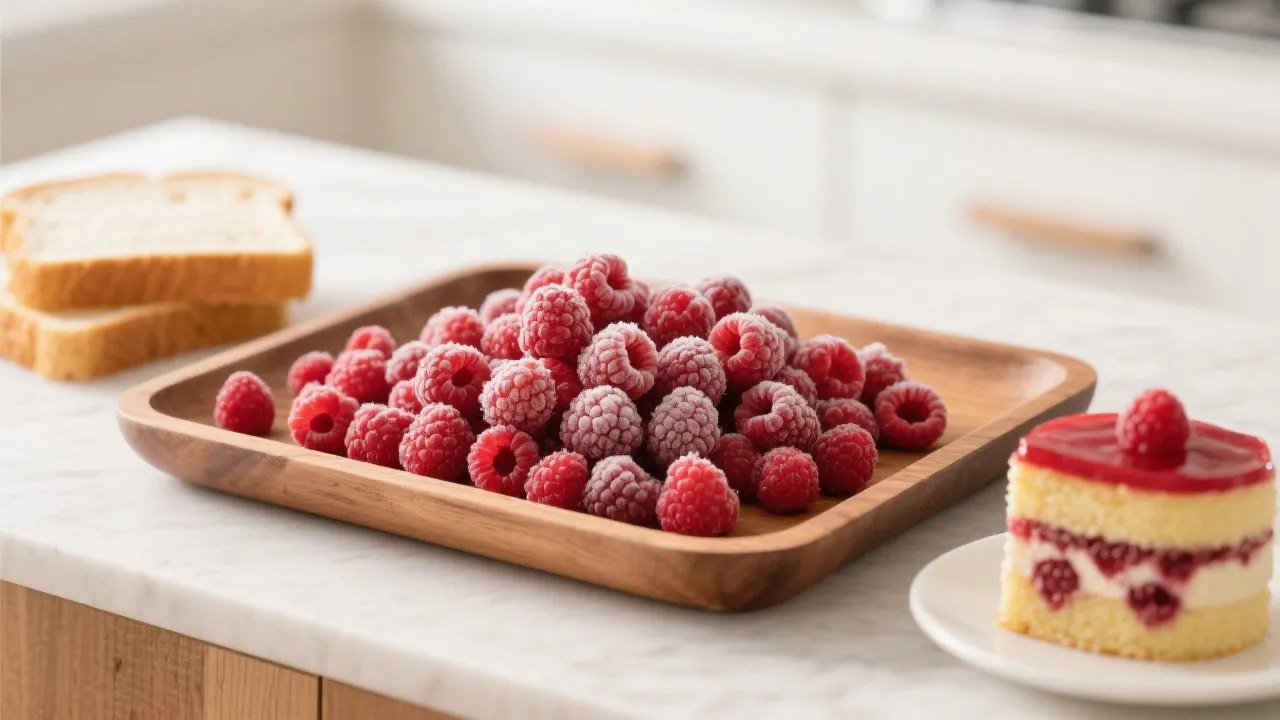
Rapid freezing immediately after harvest preserves cellular structure and nutrients with minimal processing:
Before processing, raspberries require careful handling to remove impurities without damaging the delicate fruit. Traditional manual sorting achieves 99.2% impurity removal but with a 8-12% product loss rate. Modern automated systems with optical sorting can achieve 98.5% impurity removal with only 3-5% product loss, while maintaining better overall hygiene standards.
In today's global marketplace, ingredient safety and traceability are non-negotiable. When evaluating suppliers, look beyond basic food safety certifications to those that demonstrate comprehensive quality management systems:
ISO 22000 Certification provides a framework for a food safety management system that identifies and controls food safety hazards. This certification ensures consistent processes from farm to finished product, with documented traceability at every stage.
HACCP Implementation (Hazard Analysis and Critical Control Points) demonstrates a proactive approach to food safety. The most reputable suppliers will have HACCP plans specific to raspberry processing, with critical control points established for:
To ensure consistent quality, your ingredient specifications should include measurable parameters that directly impact your end product. Consider including these critical quality indicators:
Requesting certificates of analysis (COAs) with each shipment is essential, but consider going a step further by implementing periodic third-party testing to verify supplier claims. The most reliable suppliers will welcome this transparency and may even offer to coordinate such testing at their expense.

 330
|
330
|
 HACCP certification for frozen berries
EU food import regulations
cold chain management in fruit processing
black currant quality control
food safety compliance in frozen foods
430
|
EU import standards
HACCP certification
frozen blackcurrants
supply chain management
detection process standardization
388
|
organic frozen blackberry smoothie
frozen berry nutrition benefits
healthy smoothie recipes
high-quality frozen fruit applications
natural beverage formulation
468
|
Quick freezing technology
Blackberry nutrient retention
Anthocyanin preservation
Freezing preservation principle
Food freezing process
43
|
freeze-dried raspberry powder
anthocyanin preservation
bioavailability enhancement
functional food ingredients
meal replacement powder formulation
HACCP certification for frozen berries
EU food import regulations
cold chain management in fruit processing
black currant quality control
food safety compliance in frozen foods
430
|
EU import standards
HACCP certification
frozen blackcurrants
supply chain management
detection process standardization
388
|
organic frozen blackberry smoothie
frozen berry nutrition benefits
healthy smoothie recipes
high-quality frozen fruit applications
natural beverage formulation
468
|
Quick freezing technology
Blackberry nutrient retention
Anthocyanin preservation
Freezing preservation principle
Food freezing process
43
|
freeze-dried raspberry powder
anthocyanin preservation
bioavailability enhancement
functional food ingredients
meal replacement powder formulation



.png?x-oss-process=image/resize,h_100,m_lfit/format,webp)
.png?x-oss-process=image/resize,h_100,m_lfit/format,webp)
.png?x-oss-process=image/resize,h_100,m_lfit/format,webp)
 English


