
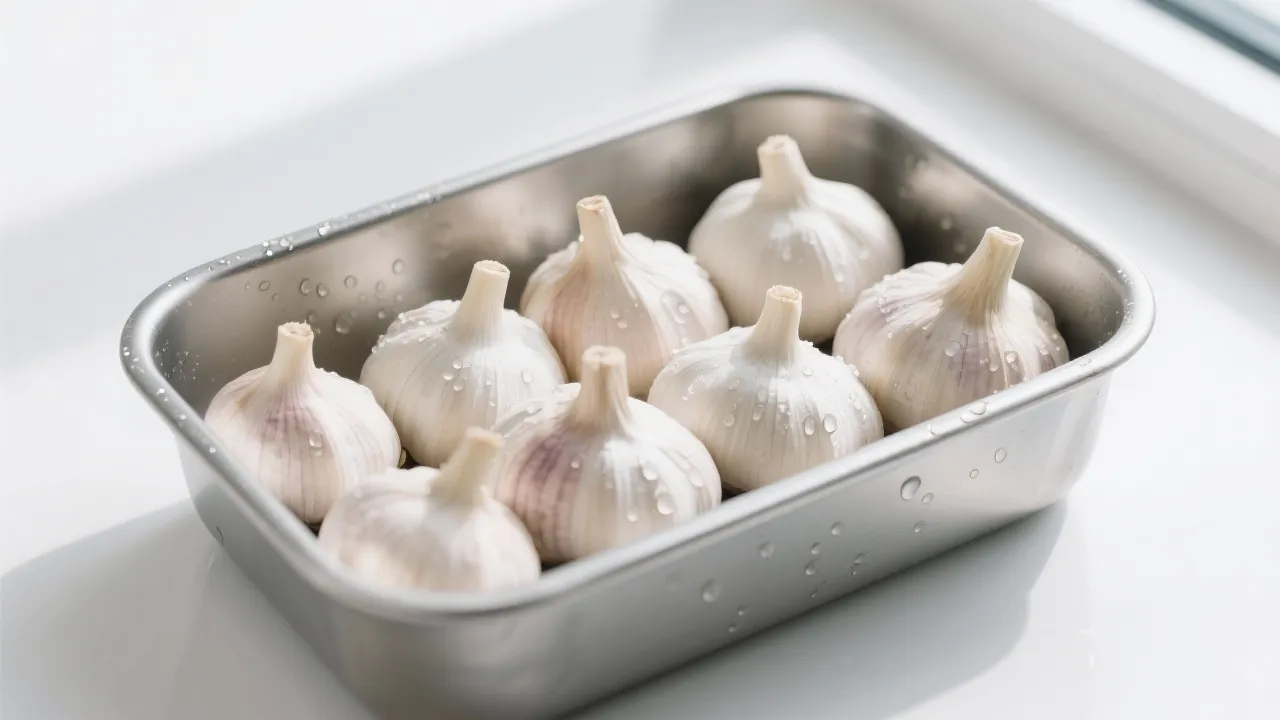
In the realm of functional food ingredients and high-end dietary supplements, whole freeze-dried raspberry powder has emerged as a top choice. It offers a unique combination of nutritional value and market appeal, making it a sought-after product in the industry.
When comparing traditional crushed raspberry powder with whole freeze-dried raspberry powder, significant differences can be observed in raw material sources, processing techniques, sensory qualities, and nutrient retention. Traditional powders often use lower - grade raw materials and simple crushing processes, resulting in inconsistent color, flavor, and lower nutrient density. In contrast, whole freeze-dried powder starts with high - quality whole raspberries, ensuring better sensory and nutritional properties.
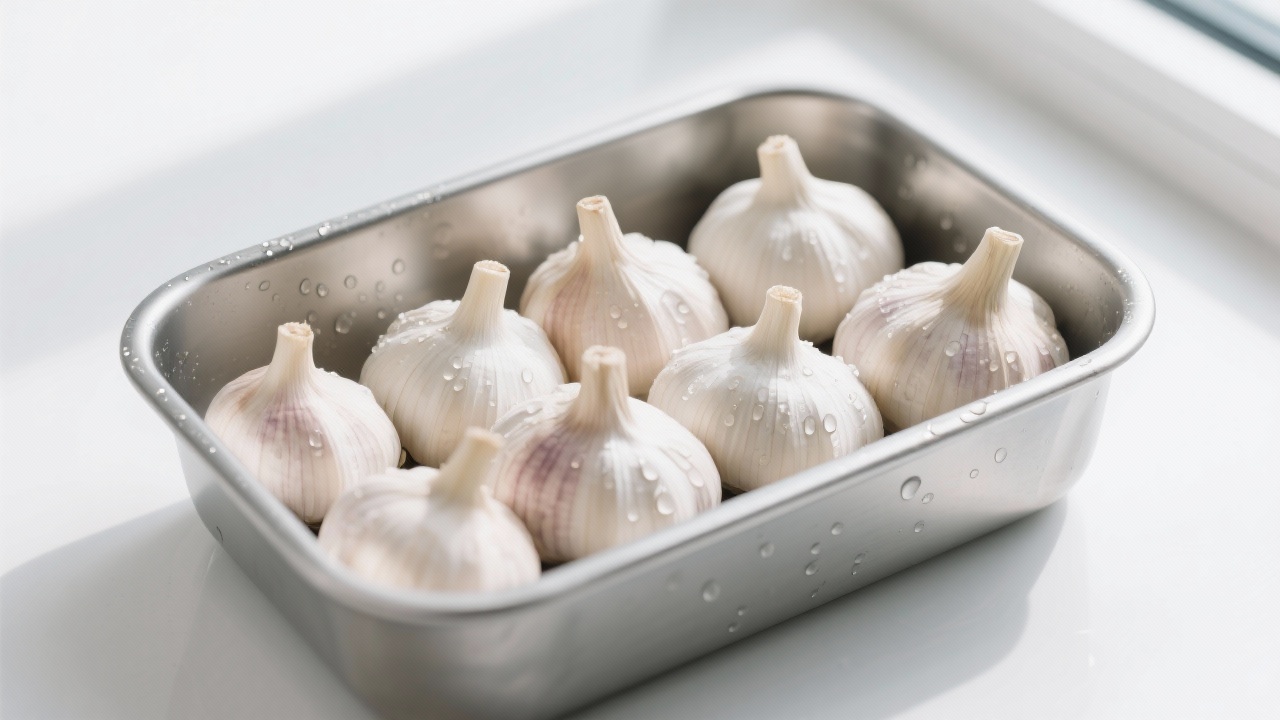
Manual triple screening is a crucial step in the production of whole freeze-dried raspberry powder. This process involves carefully selecting raspberries at three different stages. First, only fully - ripe and healthy raspberries are chosen. Then, they are screened for size and shape uniformity. Finally, a visual inspection ensures that only flawless berries are used. This meticulous process guarantees a whole - fruit rate of over 95%. As shown in the following bar chart, the whole - fruit rate of products using manual triple screening far exceeds that of traditional methods.
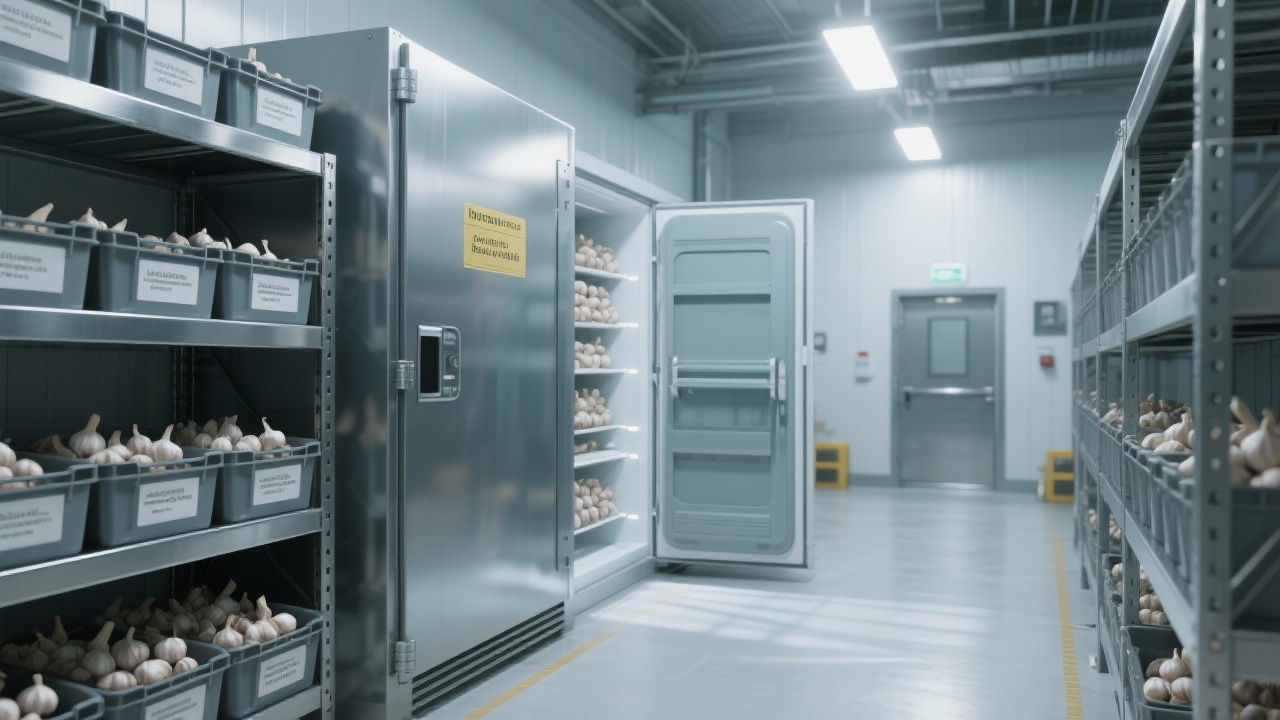
The -18℃ cold chain fresh - keeping technology plays a vital role in preserving the natural active ingredients of raspberries. Once the raspberries are selected, they are immediately placed in a -18℃ cold chain environment. This low - temperature condition effectively locks in the natural antioxidants, such as anthocyanins and vitamin C, preventing their degradation. Compared with traditional crushing processes, this technology can retain the activity of these nutrients much better, as evidenced by SGS/CQC test data.
In application scenarios like probiotic composite powders and nutritional beverages, high - end customers tend to choose whole - fruit processed raspberry powder. The whole - fruit process ensures better color, flavor consistency, and higher nutritional density. For example, in probiotic composite powders, the intact whole raspberries can provide a more natural and rich flavor, while the retained nutrients can enhance the overall functionality of the product.
SGS/CQC and other third - party test reports are important references for purchasing decision - makers. When reading these reports, pay attention to data on whole - fruit rate, nutrient content, and microbial indicators. For instance, a high whole - fruit rate (over 95%) indicates a high - quality product. The content of anthocyanins and vitamin C can reflect the nutritional value of the powder. By correctly interpreting these data, buyers can quickly identify high - quality suppliers and improve the competitiveness of their products.
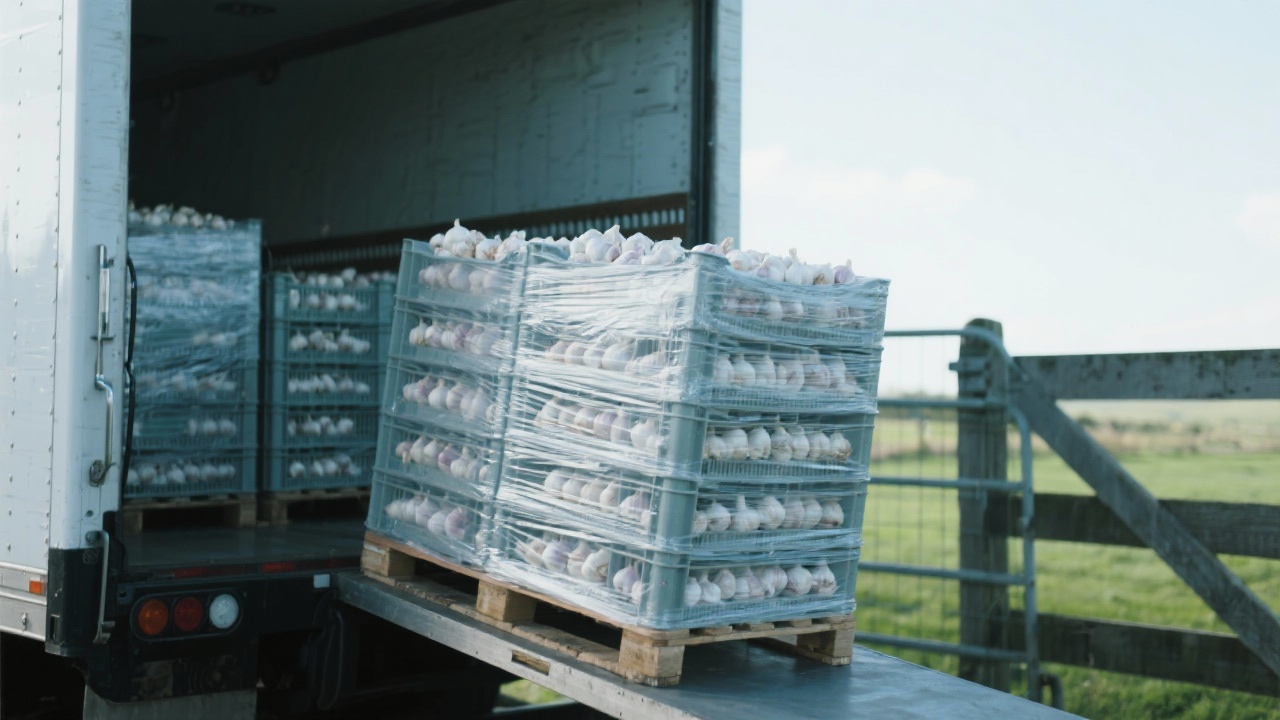
If you are a purchasing decision - maker in the functional food industry, don't miss this opportunity to enhance your product competitiveness. Click here to get a sample of the authoritative test report and a customized raw material solution!

 216
|
216
|
 organic frozen blackberries
healthy smoothie recipes
frozen fruit applications
nutritious drink formulation
natural ingredient pairing
184
|
Quick-freezing technology
Nutritional retention of frozen blackberries
Food preservation process
Blackberry supply chain management
Organic frozen fruits
108
|
EU import standards
HACCP certification
frozen blackcurrants
supply chain optimization
European market compliance
388
|
organic frozen blackberry smoothie
frozen berry nutrition benefits
healthy smoothie recipes
high-quality frozen fruit applications
natural beverage formulation
367
|
frozen blackberries
rapid freezing technology
nutritional retention
supply chain quality control
frozen fruit preservation
organic frozen blackberries
healthy smoothie recipes
frozen fruit applications
nutritious drink formulation
natural ingredient pairing
184
|
Quick-freezing technology
Nutritional retention of frozen blackberries
Food preservation process
Blackberry supply chain management
Organic frozen fruits
108
|
EU import standards
HACCP certification
frozen blackcurrants
supply chain optimization
European market compliance
388
|
organic frozen blackberry smoothie
frozen berry nutrition benefits
healthy smoothie recipes
high-quality frozen fruit applications
natural beverage formulation
367
|
frozen blackberries
rapid freezing technology
nutritional retention
supply chain quality control
frozen fruit preservation




.png?x-oss-process=image/resize,h_100,m_lfit/format,webp)
.png?x-oss-process=image/resize,h_100,m_lfit/format,webp)
.png?x-oss-process=image/resize,h_100,m_lfit/format,webp)
 English


