
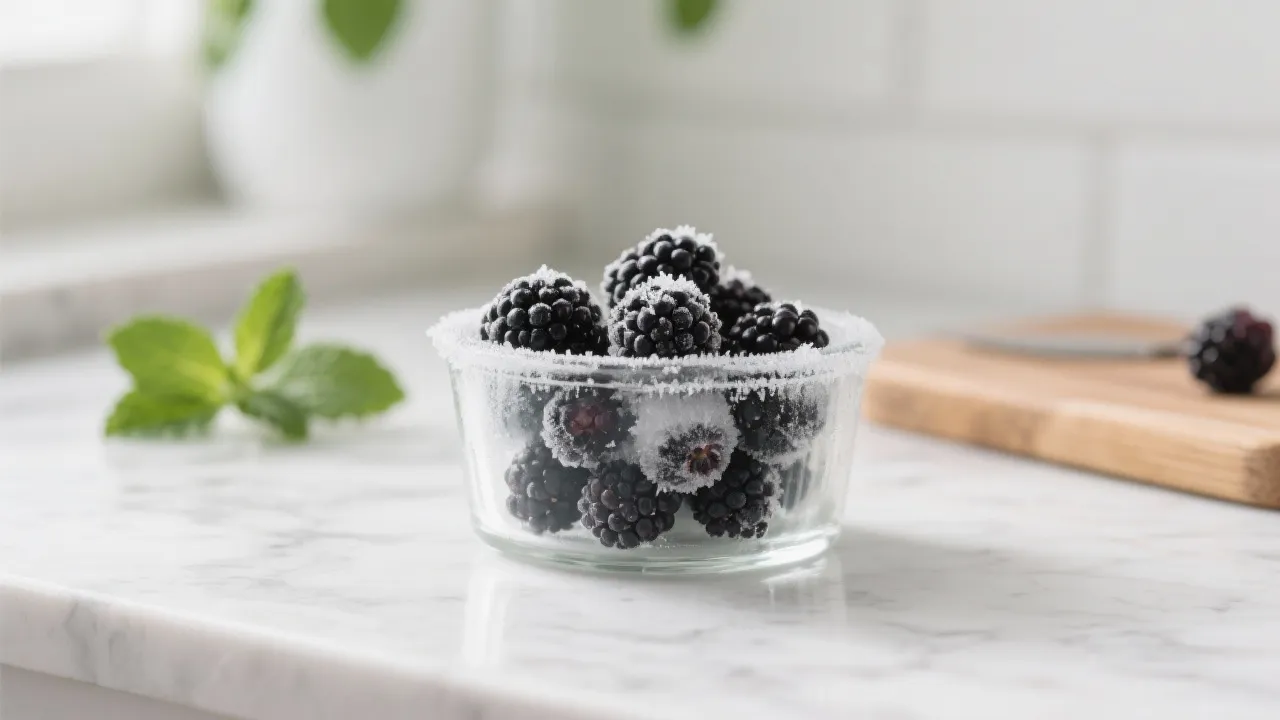
In the competitive beverage industry, maintaining the nutritional integrity and sensory appeal of berry ingredients is a constant challenge. As consumers increasingly demand natural, nutrient-dense products, the technology behind preserving these delicate fruits has become a critical factor in product quality. One method stands out for its ability to lock in freshness and nutrients: Individual Quick Freezing (IQF) technology.
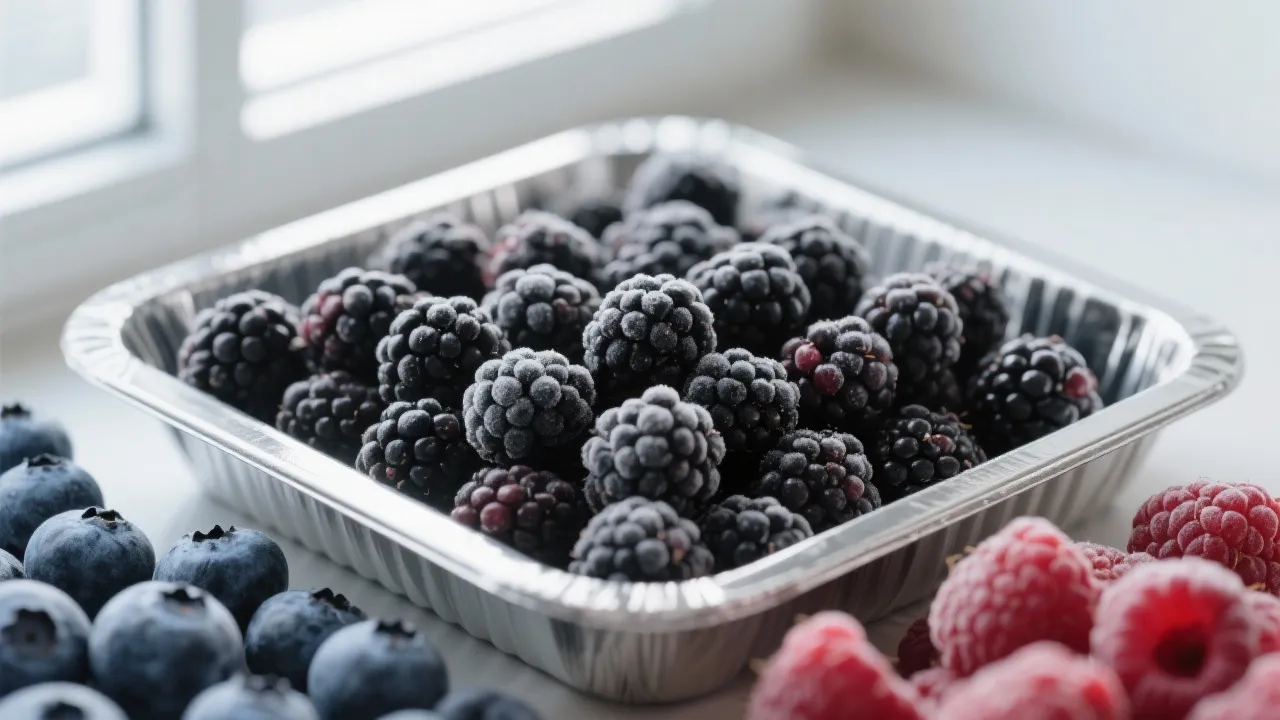
IQF technology represents a significant advancement over traditional freezing methods, particularly for delicate fruits like blackberries, strawberries, and blueberries. The process involves rapidly lowering the temperature of individual berries to -30°C to -40°C within minutes, a rate significantly faster than conventional freezing which typically operates at -18°C with slower cooling rates.
Scientific Principle:
Rapid freezing creates small ice crystals (typically less than 100μm) that minimize cellular damage, unlike slow freezing which forms large crystals (500-1000μm) that rupture cell walls and cause nutrient leakage.
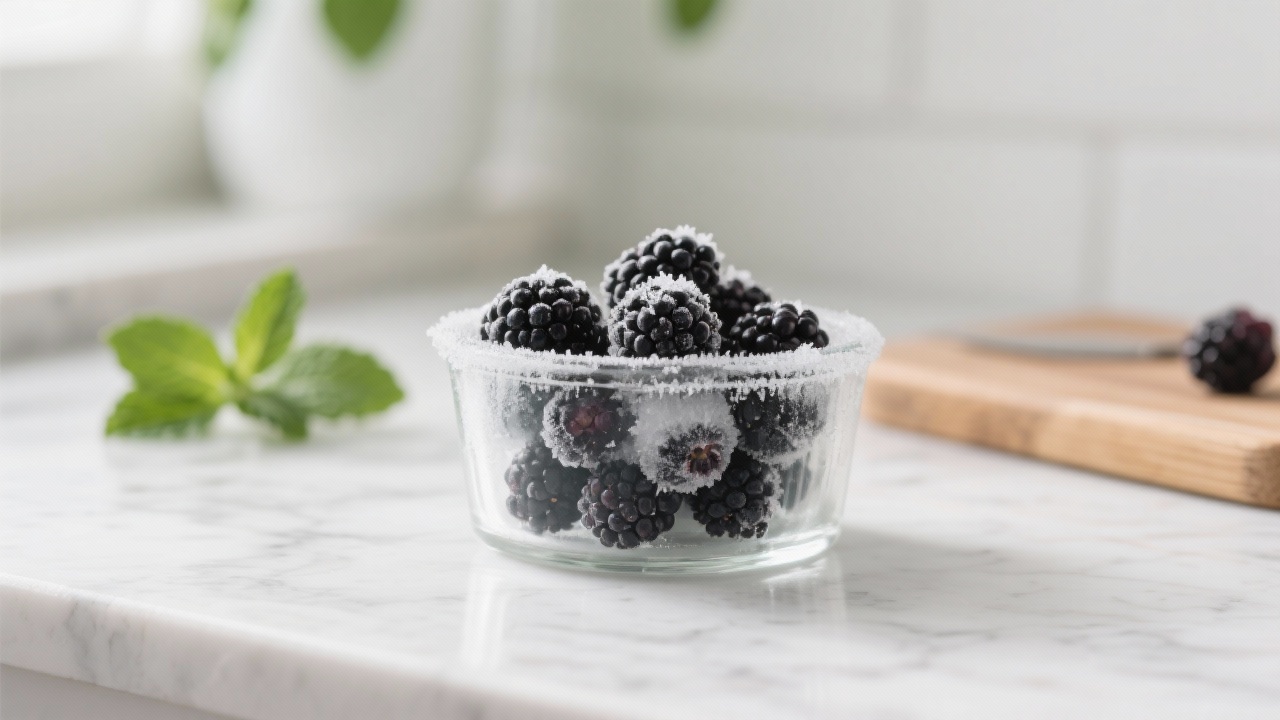
Research conducted by the Institute of Food Technologists demonstrates that IQF-processed berries retain up to 90-95% of their original vitamin C content, compared to just 60-70% retention in traditionally frozen berries. Similarly, anthocyanin levels—powerful antioxidants responsible for the vibrant color and health benefits of berries—show 20-30% higher retention with IQF processing.
| Nutrient | IQF Retention Rate | Traditional Freezing Retention Rate |
|---|---|---|
| Vitamin C | 90-95% | 60-70% |
| Anthocyanins | 85-90% | 60-65% |
| Polyphenols | 88-92% | 70-75% |
The rapid temperature drop in IQF processing effectively deactivates polyphenol oxidase and peroxidase enzymes, which are responsible for color degradation and flavor loss in berries. This enzyme inhibition extends the shelf life of berry products from 6-8 months to 18-24 months when stored at -18°C, while maintaining product quality.
Additionally, the quick freezing process immediately halts microbial growth. Studies show IQF berries have microbial counts 10-100 times lower than fresh berries after just 7 days of storage, significantly reducing the risk of spoilage and foodborne pathogens.
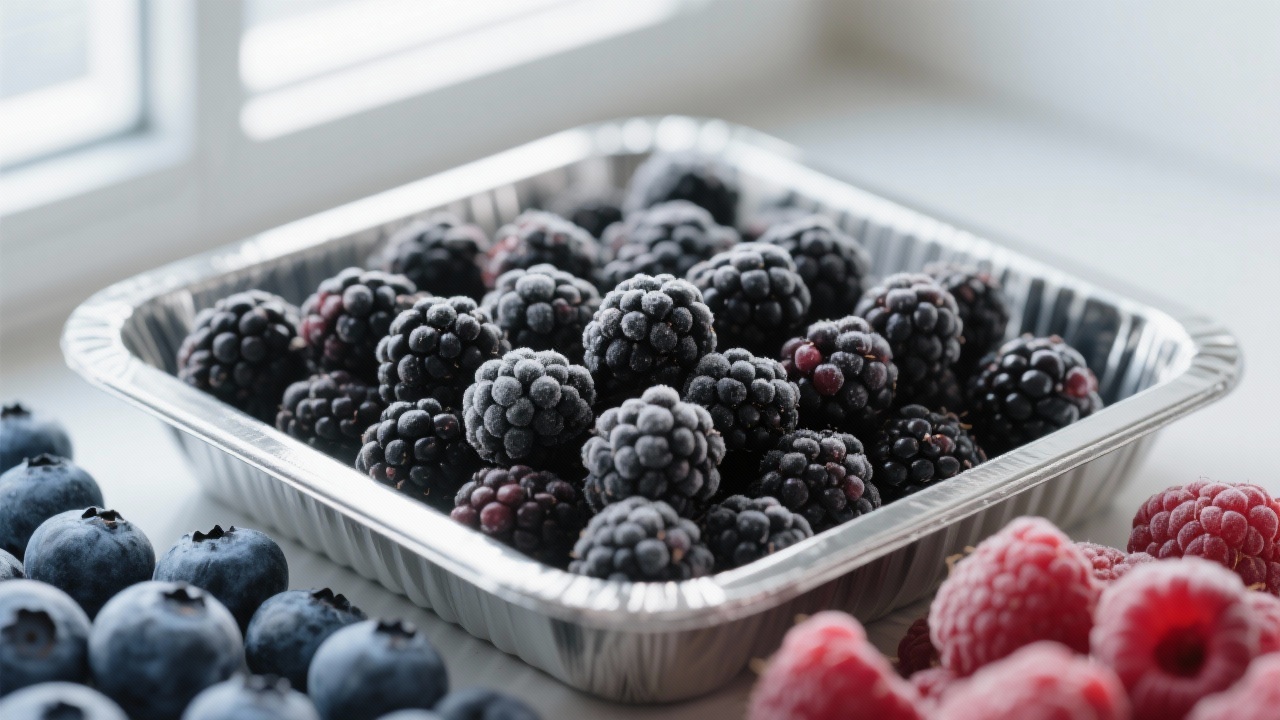
For beverage manufacturers, IQF berries offer distinct advantages in production efficiency and product quality. The individual freezing of berries prevents clumping, allowing for precise dosage and easier integration into production lines.
"The key to maximizing berry quality lies in the first 30 minutes after harvest," explains Dr. Maria Sanchez, Food Science Specialist at the International Institute of Refrigeration. "We recommend processing berries within 2 hours of picking, with IQF freezing initiated within 30 minutes. This window is critical for preserving both nutritional content and sensory attributes."
Dr. Sanchez emphasizes temperature control throughout the supply chain: "Maintaining a consistent -18°C from freezer to production ensures the integrity of the IQF process. Even brief temperature fluctuations can compromise the cell structure and lead to drip loss during thawing."
Proper handling of IQF berries during production is essential to maintain their quality. Beverage manufacturers should consider these best practices:
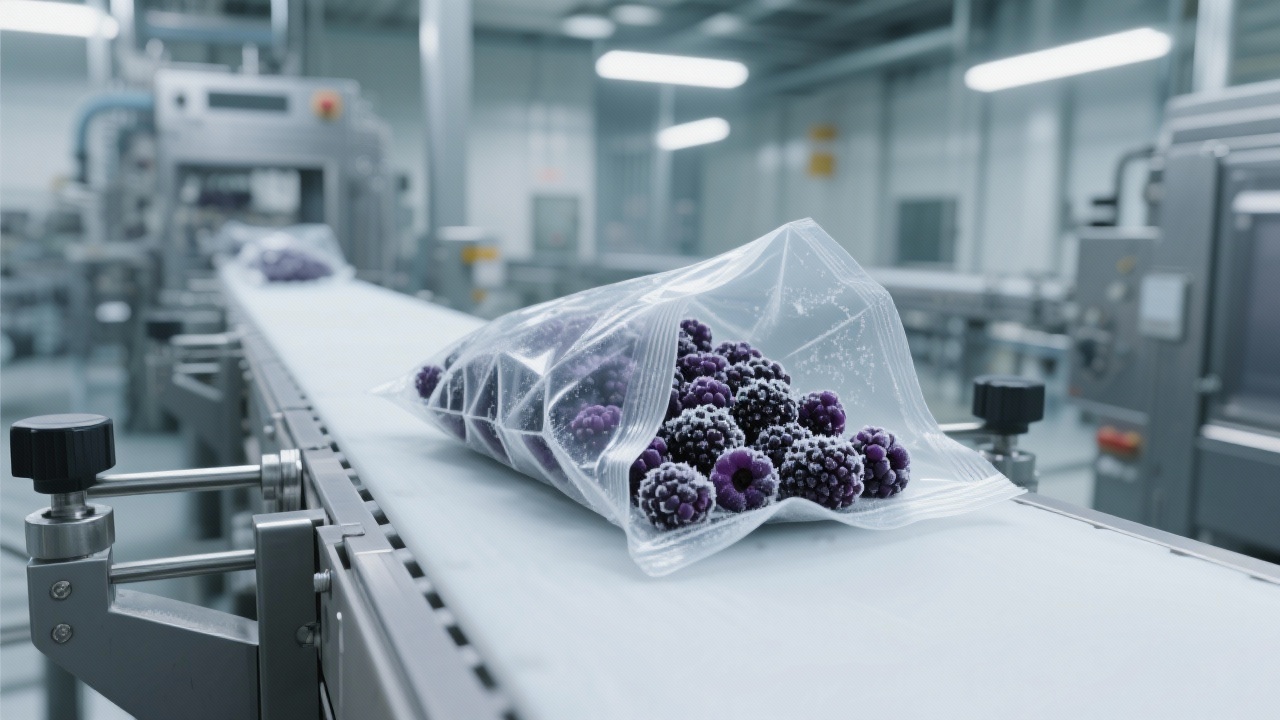
When selecting IQF equipment, manufacturers should evaluate several key factors: air velocity (optimal range 8-12 m/s), temperature uniformity (±1°C), and belt residence time. Fluidized bed freezers are particularly effective for berries, providing optimal air circulation around each fruit.
Modern IQF systems offer energy efficiency improvements of 20-30% compared to models from a decade ago, with better temperature control and gentler handling of delicate fruits. Investment in quality IQF equipment typically shows ROI within 18-24 months through reduced product waste and improved end-product quality.
Discover how our IQF berry solutions can enhance your product's nutritional profile, flavor, and shelf stability while reducing production costs.
Explore Our Premium IQF Berry Supply ChainQ: What is the optimal storage temperature for IQF berries?
A: Maintain a consistent -18°C or lower. Temperature fluctuations above -15°C can cause recrystallization and cellular damage.
Q: How does IQF affect the texture of berries in beverage applications?
A: IQF minimizes cellular damage, resulting in better texture retention and reduced "mushiness" compared to traditional freezing, particularly noticeable in smoothie applications.
Q: Can IQF berries be used in clear beverage formulations?
A: Yes, when properly processed, IQF berries maintain their natural color and can provide vibrant hue without cloudiness when properly strained.
As consumer demand for natural, nutrient-rich beverages continues to grow, the quality of raw ingredients becomes increasingly important. IQF technology offers a proven solution for preserving the nutritional value, flavor, and appearance of berries from harvest to production. By understanding and implementing these scientific principles, beverage manufacturers can create products that stand out in a competitive market while delivering genuine health benefits to consumers.

 384
|
384
|
 speed frozen blackberries
cell structure damage in frozen fruit
freezing technology for berries
food safety certification for frozen fruit
nutrient retention in frozen berries
459
|
Flash - freezing technology
Frozen blackberry preservation
Food freezing process
HACCP certification
ISO 22000 food safety
259
|
Frozen blackberry international certification
HACCP food safety system
ISO 22000 food management system
Organic frozen fruit procurement guide
High - quality frozen fruit supply chain
172
|
Frozen blackcurrant export advantages
Impact of quick - freezing technology on nutrition
Blackcurrant processing applications
Frozen fruit supply chain management
Whole fruit rate control
221
|
frozen blackcurrants
quick freezing technology
blackcurrant nutrition retention
frozen fruit processing
cold chain logistics
speed frozen blackberries
cell structure damage in frozen fruit
freezing technology for berries
food safety certification for frozen fruit
nutrient retention in frozen berries
459
|
Flash - freezing technology
Frozen blackberry preservation
Food freezing process
HACCP certification
ISO 22000 food safety
259
|
Frozen blackberry international certification
HACCP food safety system
ISO 22000 food management system
Organic frozen fruit procurement guide
High - quality frozen fruit supply chain
172
|
Frozen blackcurrant export advantages
Impact of quick - freezing technology on nutrition
Blackcurrant processing applications
Frozen fruit supply chain management
Whole fruit rate control
221
|
frozen blackcurrants
quick freezing technology
blackcurrant nutrition retention
frozen fruit processing
cold chain logistics



.png?x-oss-process=image/resize,h_100,m_lfit/format,webp)
.png?x-oss-process=image/resize,h_100,m_lfit/format,webp)
.png?x-oss-process=image/resize,h_100,m_lfit/format,webp)
 English


