
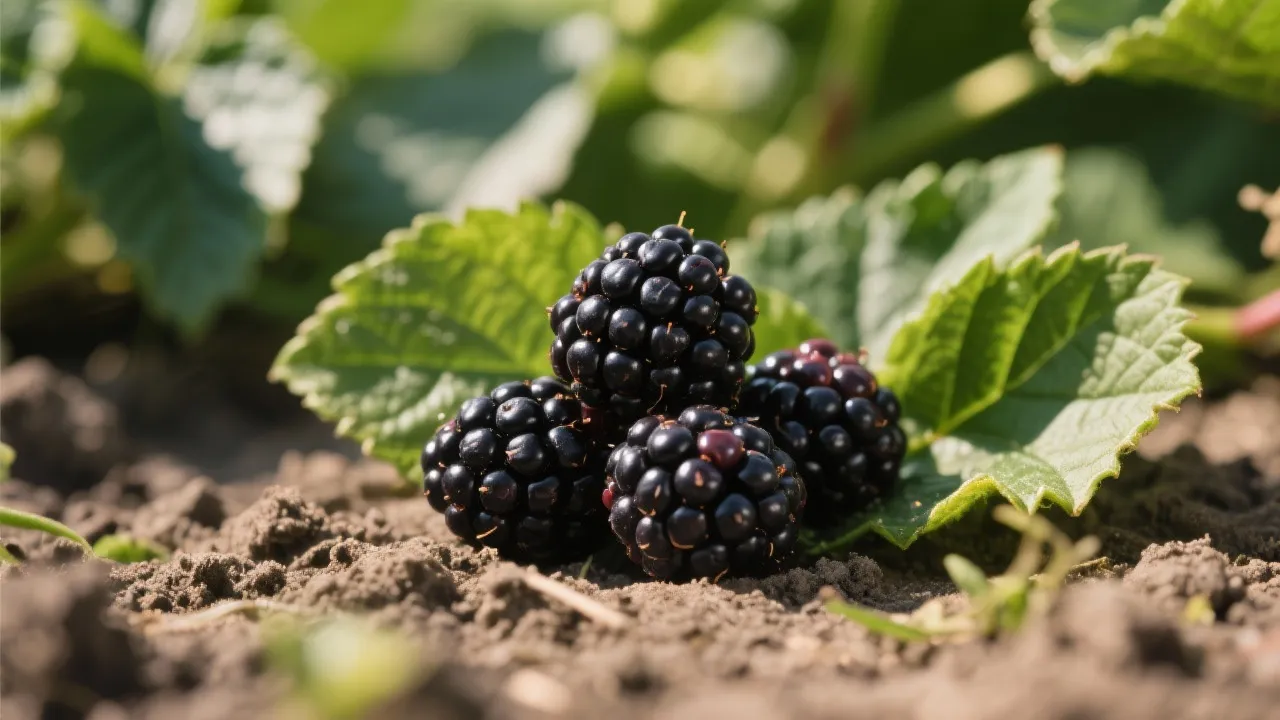
Frozen black currants hold immense potential for the food industry, especially in premium desserts, juices, and jams. The challenge lies in preserving the berry’s unique flavor profile and rich nutritional content throughout processing, storage, and logistics. Scientific precision at every step—from optimal harvest timing, multi-tiered quality screening, to state-of-the-art freezing and cold chain management—ensures that the final frozen product performs consistently, meeting both industrial and consumer expectations.
The organoleptic and nutritional quality of black currants strongly depends on harvest maturity. Berries picked either prematurely or overripe experience suboptimal sugar-acid balance, diminished antioxidant levels, and compromised texture. Industry best practices recommend harvesting black currants at their peak ripeness—typically at 18-22 °Brix total soluble solids and optimal pH (~2.8-3.4)—which has been correlated to enhanced post-freezing freshness retention.
Growers utilize digital refractometers and coloration indexes to monitor berry maturity in real-time, thus minimizing human error and ensuring a consistent raw material foundation for subsequent processes.
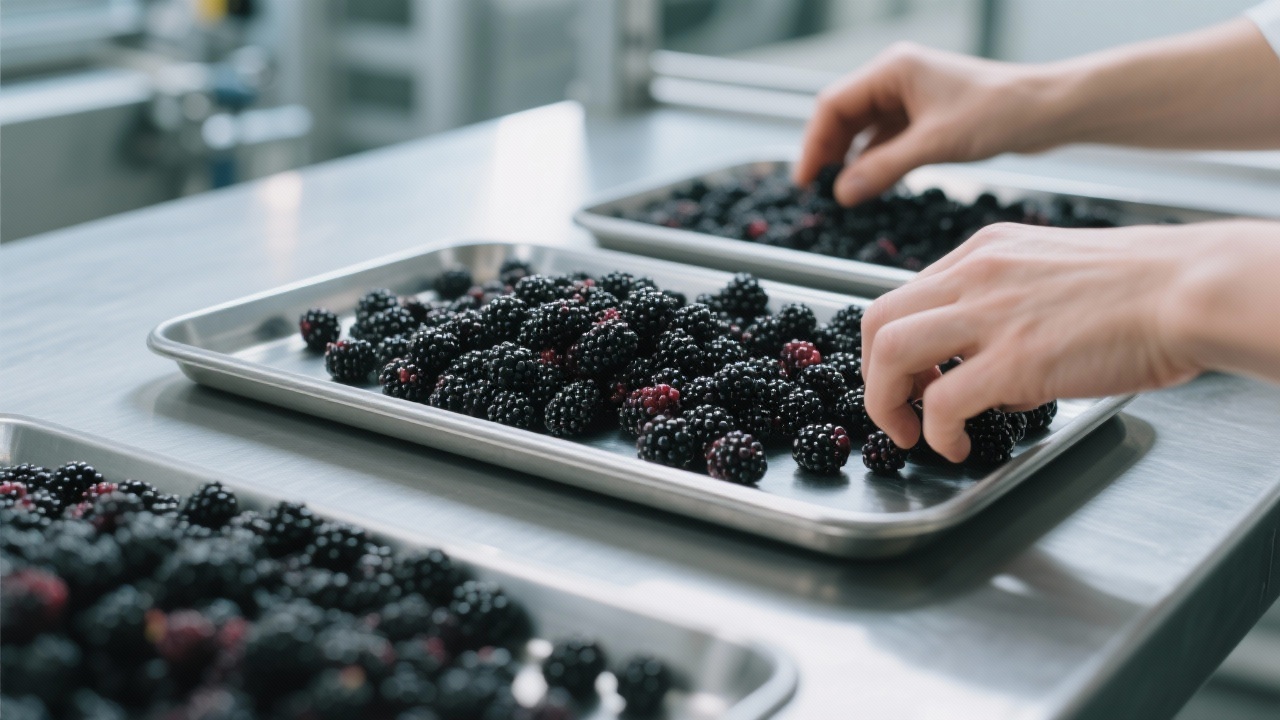
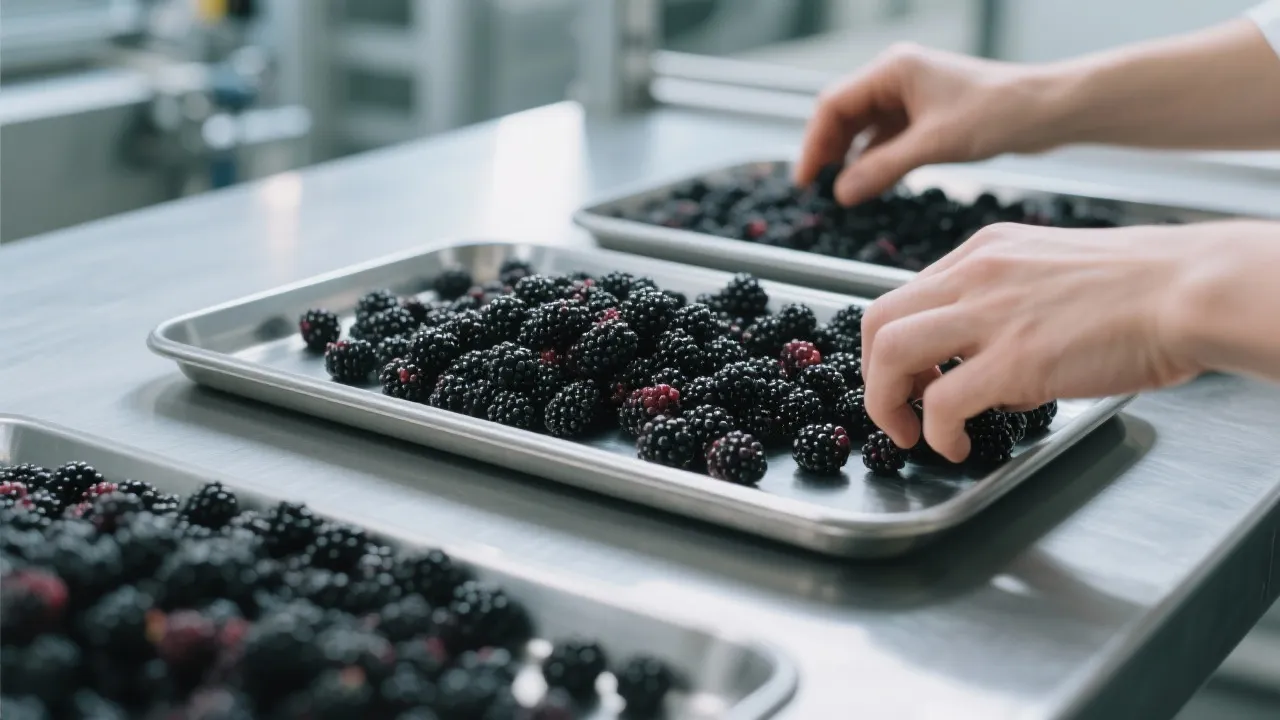
Post-harvest, black currants undergo a rigorous three-round manual screening to remove damaged, underripe, or debris-contaminated fruits. This multi-stage inspection significantly reduces mechanical damage incidence and foreign matter inclusion, raising the intact fruit ratio by approximately 15-20% compared to single-pass sorting.
Enhanced whole fruit yield is critical for maintaining product uniformity and texture, especially for IQF-frozen product categories where berry integrity defines consumer acceptance.
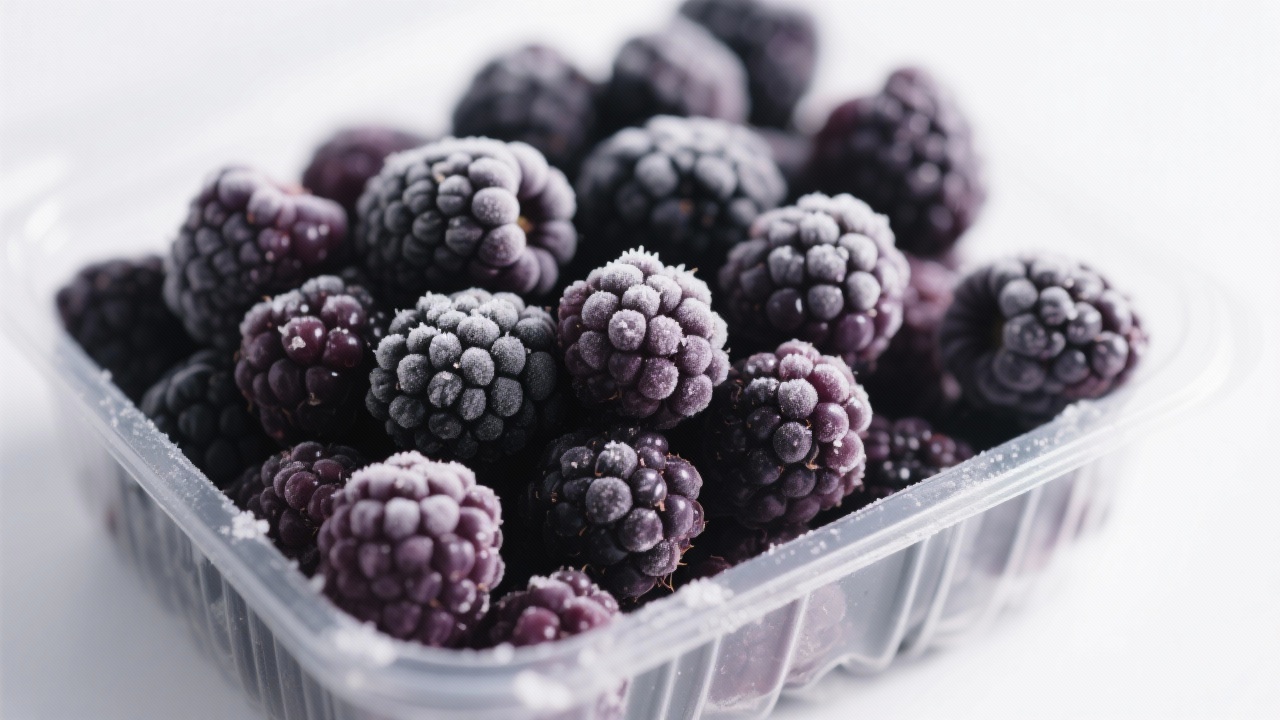
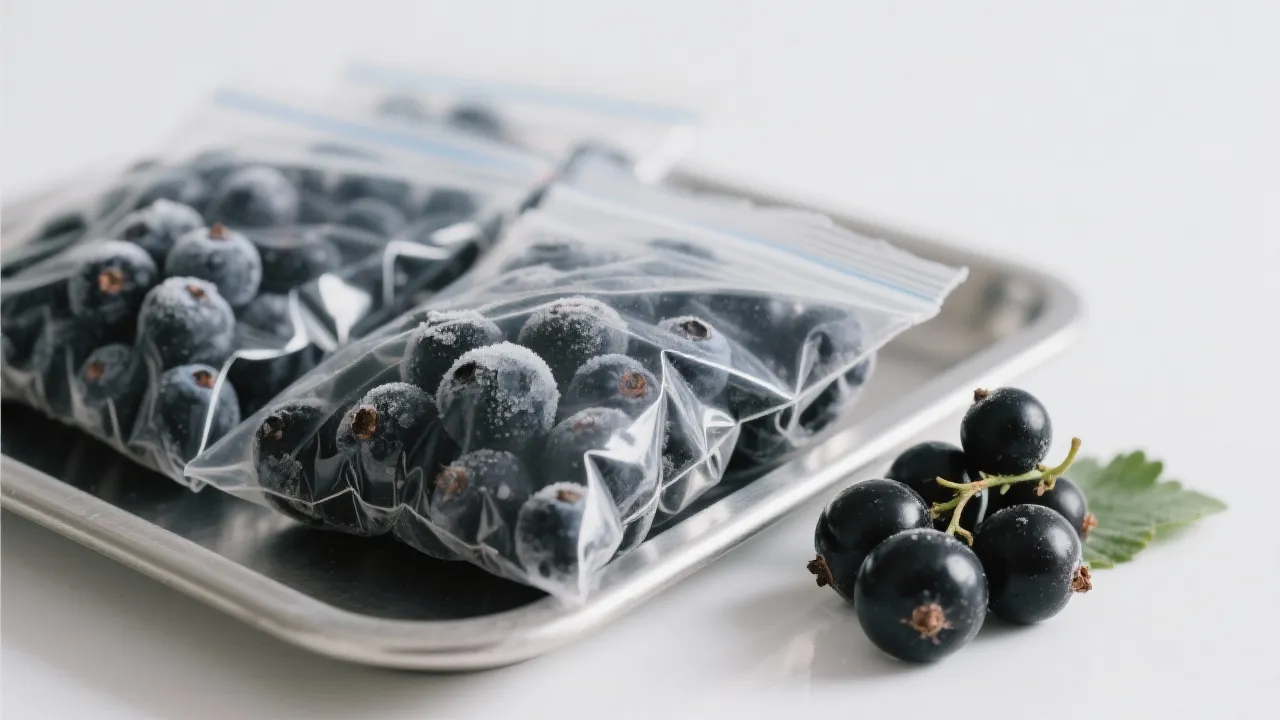
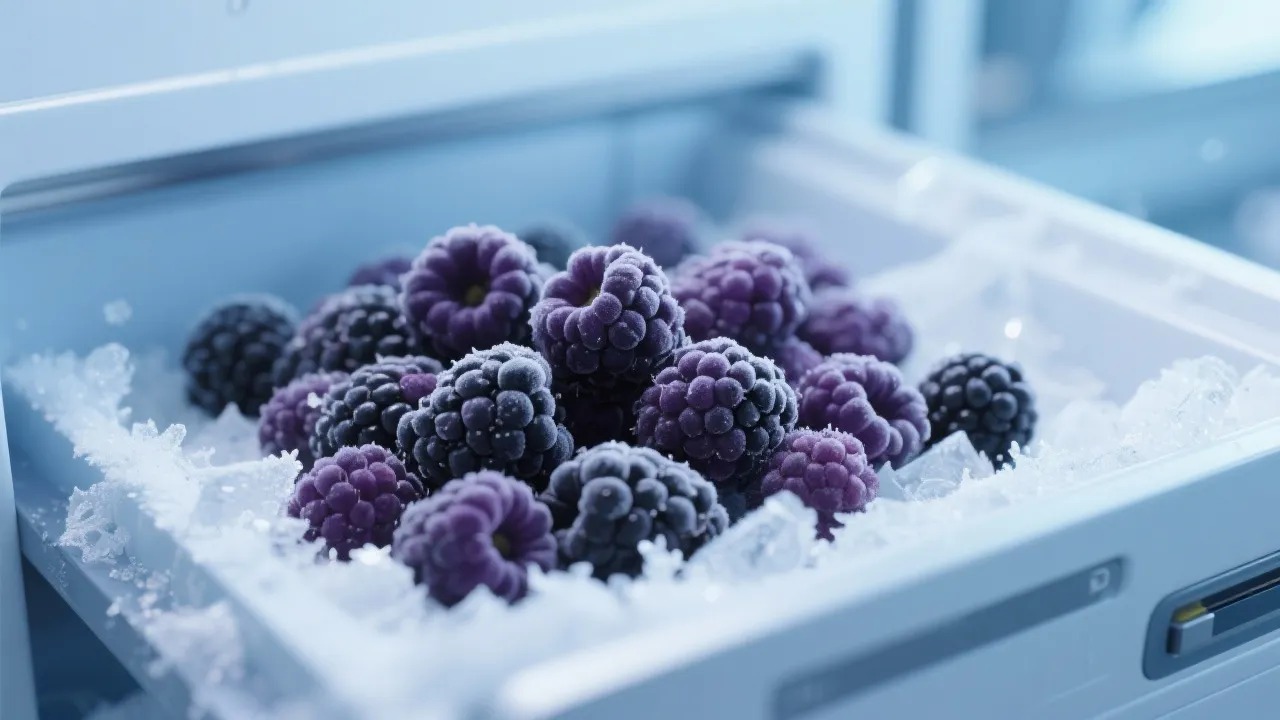
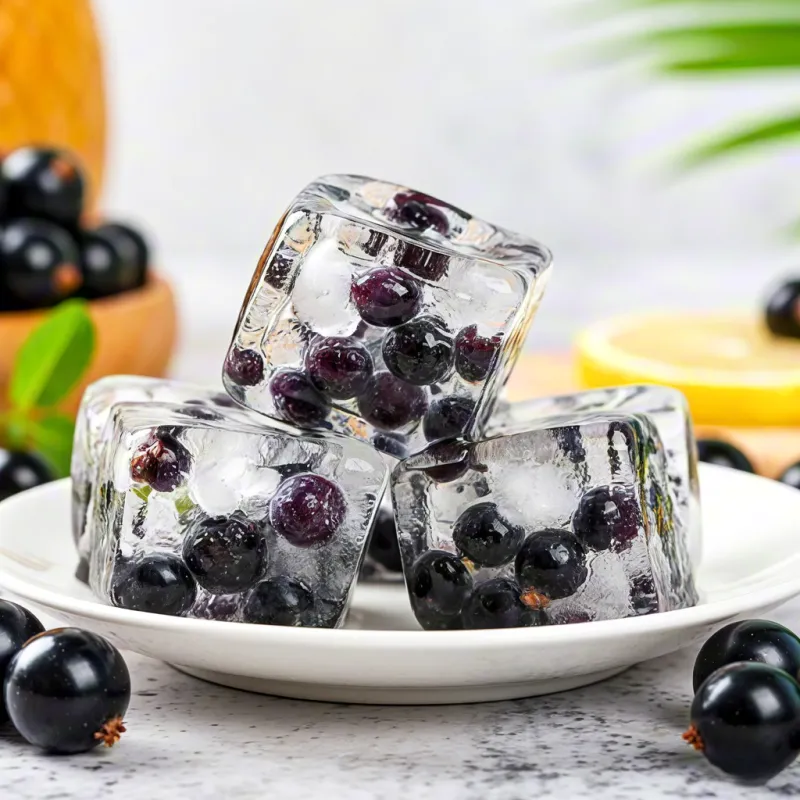
The IQF process rapidly brings down the temperature of individual black currants typically within 30 to 90 minutes to -40℃ or below. This swift temperature drop results in the formation of ultra-small ice crystals inside cells, preventing large ice crystal formation that can rupture cell walls.
Preservation of cellular integrity directly translates to reduced drip loss upon thawing, enhanced fruit firmness, and retention of phenolic compounds and vitamins. According to multiple industry studies, IQF-treated black currants maintain up to 85-90% of their original antioxidant capacity compared to slow-frozen alternatives.
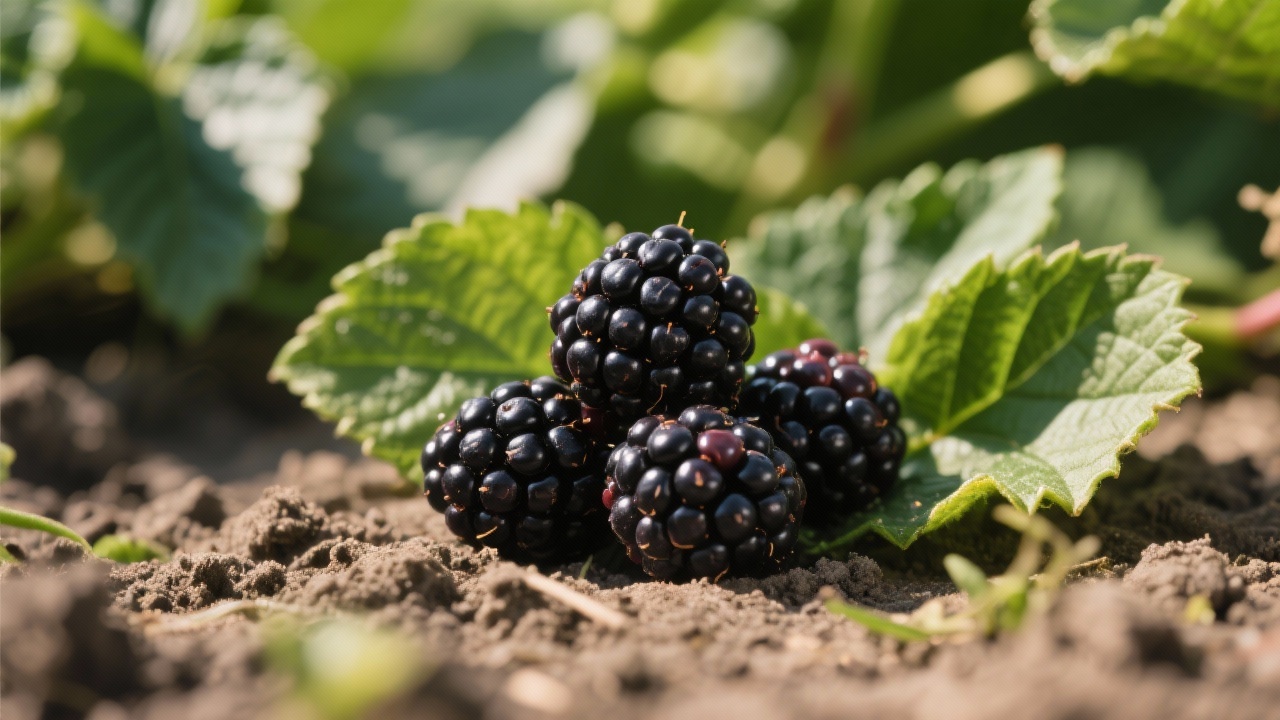
Cold chain logistics operating steadily at -18℃ prevent ice crystal growth caused by recrystallization during storage or transit. Ice recrystallization exacerbates mechanical damage to berry tissues, leading to textural degradation and nutrient loss.
Additionally, this temperature threshold slows down enzymatic oxidation and microbial proliferation, further securing the original flavor and nutritional profiles. Real-world cold chain monitoring using data loggers shows that consistent -18℃ maintenance reduces spoilage rates by more than 25% compared to variable temperature supply chains.
Industry adoption of this comprehensive freshness locking system—combining precise maturity harvest, triple manual screening, IQF quick freezing, and stringent cold chain control—has yielded measurable improvements. Leading frozen fruit suppliers report up to a 30% improvement in sensory ratings and a 20% higher retention of vitamin C content.
Such results empower food processors to formulate superior black currant-based products with predictable shelf life, consistent mouthfeel, and vibrant color, enhancing consumer satisfaction and reducing returns.
The entire supply chain adheres to stringent HACCP certification standards, reflecting critical control points maintenance from field to freezer. Flexibility in batch sizes supports tailored customer trials or scaled production.
Customers gain access to expertly selected raw materials and technically validated freezing protocols, facilitating innovation in frozen berry applications without compromising on safety or quality.

 110
|
110
|
 EU frozen blackcurrant import standards
HACCP certification supply chain compliance
frozen fruit cold chain management
blackcurrant export to Europe
food export compliance guidelines
409
|
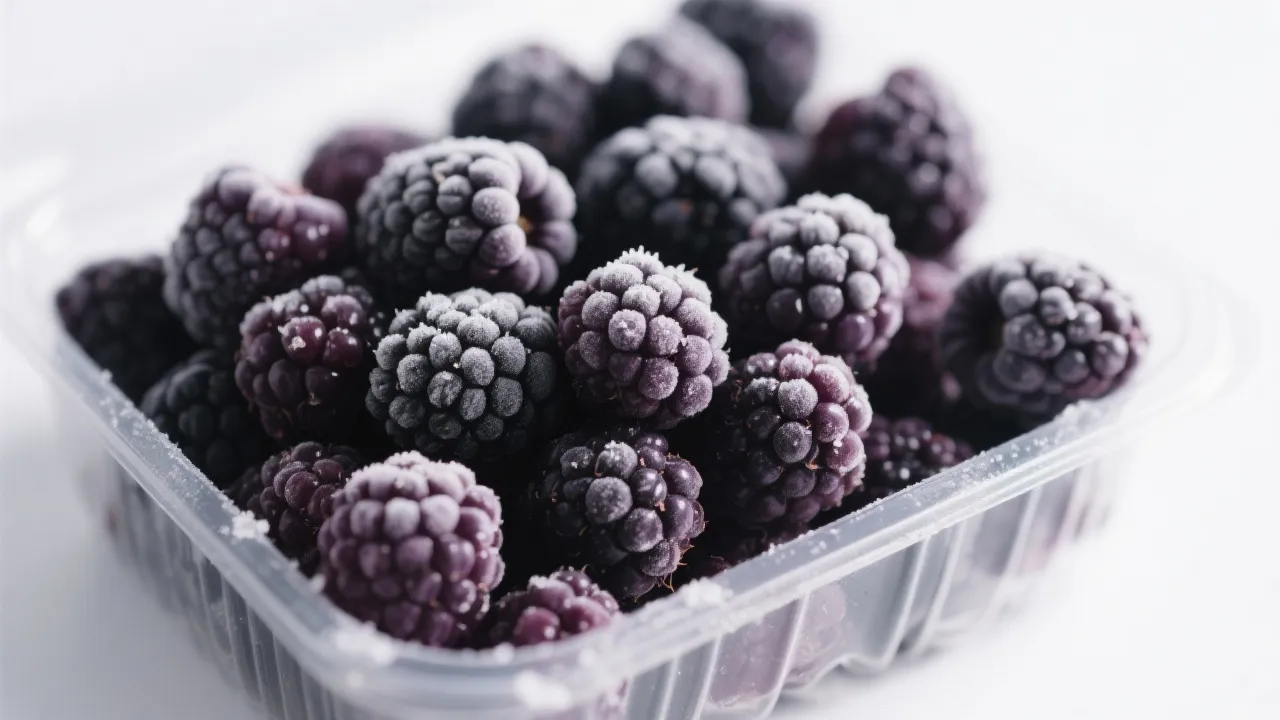
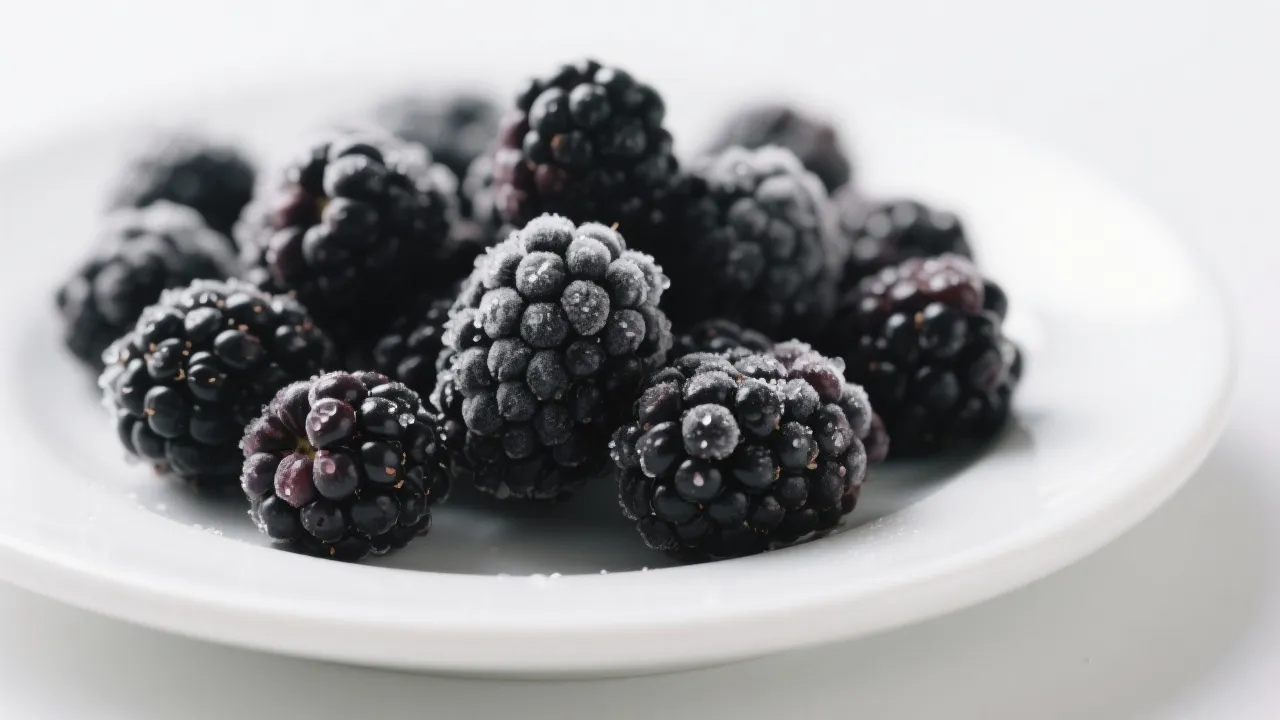
Flash-frozen blackberries
Stability of frozen blackberries
Preservation of baking ingredients
Retention of blackberry nutrients
Food freezing technology
111
|
Frozen blackcurrant quick - freezing process
Blackcurrant nutrient value retention
Juice and jam processing techniques
Frozen fruit quality control
Cold - chain transportation standards
202
|
Organic frozen blackberry smoothie recipe
Healthy smoothie making tutorial
Nutritional benefits of frozen blackberries
Homemade smoothie tips
Natural additive - free drinks
367
|
frozen blackcurrants
triple manual sorting
quick-freezing technology
cold chain logistics
food processing quality control
EU frozen blackcurrant import standards
HACCP certification supply chain compliance
frozen fruit cold chain management
blackcurrant export to Europe
food export compliance guidelines
409
|
Flash-frozen blackberries
Stability of frozen blackberries
Preservation of baking ingredients
Retention of blackberry nutrients
Food freezing technology
111
|
Frozen blackcurrant quick - freezing process
Blackcurrant nutrient value retention
Juice and jam processing techniques
Frozen fruit quality control
Cold - chain transportation standards
202
|
Organic frozen blackberry smoothie recipe
Healthy smoothie making tutorial
Nutritional benefits of frozen blackberries
Homemade smoothie tips
Natural additive - free drinks
367
|
frozen blackcurrants
triple manual sorting
quick-freezing technology
cold chain logistics
food processing quality control




.png?x-oss-process=image/resize,h_100,m_lfit/format,webp)
.png?x-oss-process=image/resize,h_100,m_lfit/format,webp)
.png?x-oss-process=image/resize,h_100,m_lfit/format,webp)
 English


