
In the functional food and dietary supplement market, raw material quality is no longer just a preference—it’s a non-negotiable requirement. For buyers sourcing whole-fruit freeze-dried raspberry powder, distinguishing between premium suppliers and commodity producers hinges on one key factor: credible third-party test reports like those from SGS or CQC.
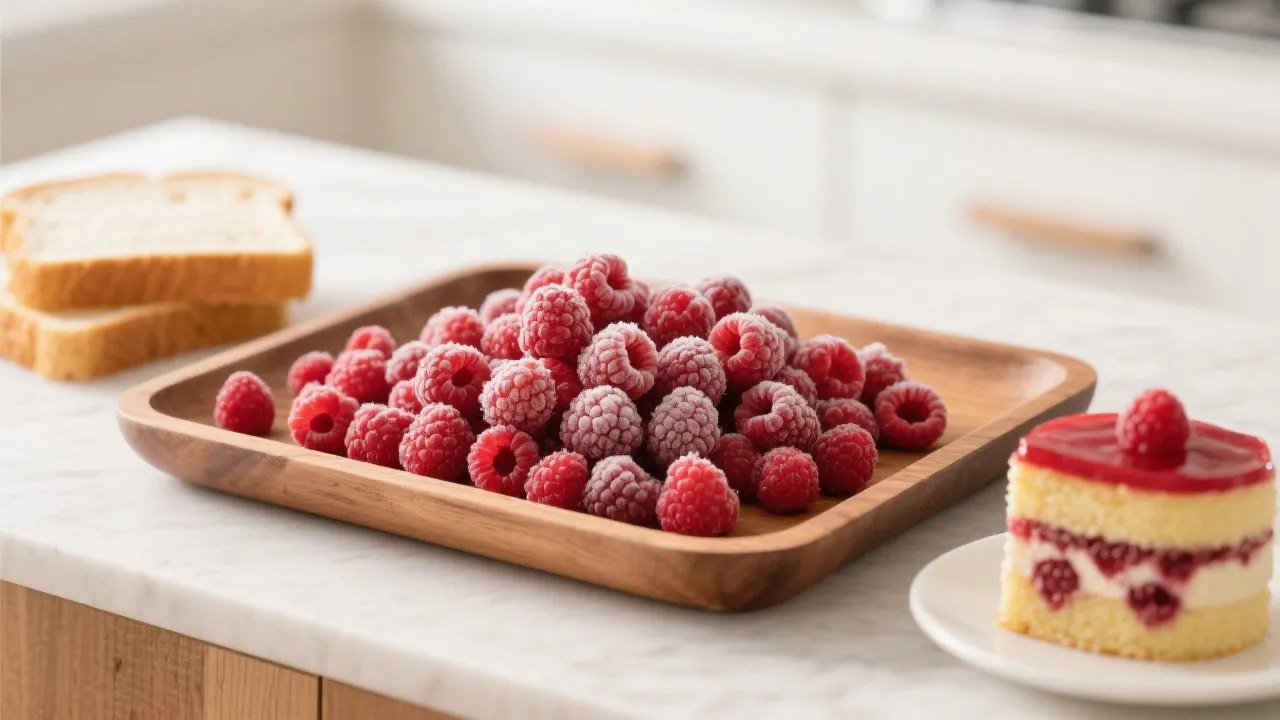
Traditional raspberry powders often use broken fruit, which loses structural integrity during processing—leading to lower nutrient retention and inconsistent texture. In contrast, whole-fruit freeze-dried raspberry powder retains over 95% of intact berries, as verified by independent lab analysis. This isn't just marketing—it's science-backed. A study published in Food Chemistry (2023) found that intact freeze-dried fruits retain up to 27% more anthocyanins than crushed alternatives due to reduced oxidation during drying.
For manufacturers developing high-end probiotic blends or clean-label supplements, consistency in particle size and composition is critical. With >95% whole fruit rate, your supplier ensures:
“In 2024, 78% of European nutraceutical brands reported stricter raw material specifications for raspberry powder—especially regarding microbial limits and physical integrity.” — Global Ingredients Report, Q1 2024
| Test Parameter | Acceptable Range | Why It Matters |
|---|---|---|
| Anthocyanin Content | ≥ 12% (dry basis) | Indicator of antioxidant potency |
| Microbial Load (CFU/g) | ≤ 10⁴ | Critical for shelf-life stability |
| Heavy Metals (Pb, Cd, As) | Below EU Food Safety Limits | Compliance with global import standards |
A reliable supplier will provide full transparency—not just pass/fail results but also methodology details and batch-specific data. If the report lacks HACCP or ISO 22000 certification, it may indicate poor process control.
Download our free SGS/CQC Test Report Template + Application Guide for Probiotic Blends & Functional Supplements—used by leading brands across North America, Europe, and Southeast Asia.
Get the Free Resource Now
 31
|
31
|
 frozen dried raspberry powder supply chain
cold chain logistics standards
temperature-controlled shipping
multi-warehouse inventory strategy
cross-border ingredient sourcing
160
|
Quick freezing technology
Nutritional retention of frozen blackberries
Organic frozen blackberries
Blackberry quality control
Fruit quick freezing
252
|
whole freeze dried raspberry powder
probiotic blend ingredients
functional food raw materials
anthocyanin rich powder
premium berry powder
442
|
Small - batch trial orders
OEM private label customization
Frozen fruit packaging solutions
Flexible procurement of food supply chain
Frozen blackcurrant packaging requirements
388
|
organic frozen blackberry smoothie
frozen berry nutrition benefits
healthy smoothie recipes
high-quality frozen fruit applications
natural beverage formulation
frozen dried raspberry powder supply chain
cold chain logistics standards
temperature-controlled shipping
multi-warehouse inventory strategy
cross-border ingredient sourcing
160
|
Quick freezing technology
Nutritional retention of frozen blackberries
Organic frozen blackberries
Blackberry quality control
Fruit quick freezing
252
|
whole freeze dried raspberry powder
probiotic blend ingredients
functional food raw materials
anthocyanin rich powder
premium berry powder
442
|
Small - batch trial orders
OEM private label customization
Frozen fruit packaging solutions
Flexible procurement of food supply chain
Frozen blackcurrant packaging requirements
388
|
organic frozen blackberry smoothie
frozen berry nutrition benefits
healthy smoothie recipes
high-quality frozen fruit applications
natural beverage formulation



.png?x-oss-process=image/resize,h_100,m_lfit/format,webp)
.png?x-oss-process=image/resize,h_100,m_lfit/format,webp)
.png?x-oss-process=image/resize,h_100,m_lfit/format,webp)
 English


