
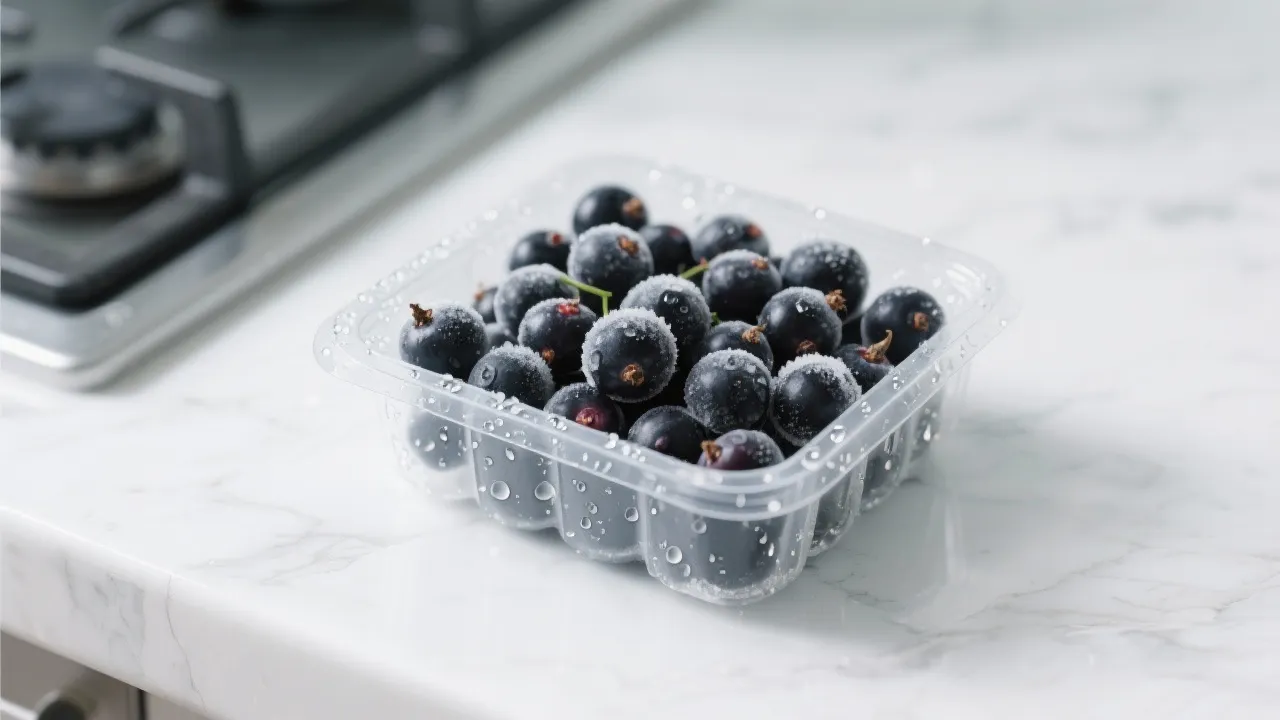
The European Union has established stringent import standards for food products, including frozen blackcurrants, to safeguard public health and ensure the safety of the food supply. The Hazard Analysis and Critical Control Points (HACCP) system is a globally recognized approach to food safety management that is mandatory for food businesses exporting to the EU. Under EU regulations, food products must comply with strict hygiene and safety requirements throughout the supply chain, from production to consumption.
For instance, Regulation (EC) No 852/2004 on the hygiene of foodstuffs sets out the general rules for food hygiene in the EU. It requires food businesses to implement HACCP principles and maintain proper documentation to demonstrate compliance. The importance of these regulations cannot be overstated, as non - compliance can lead to product recalls, fines, and damage to a company's reputation.
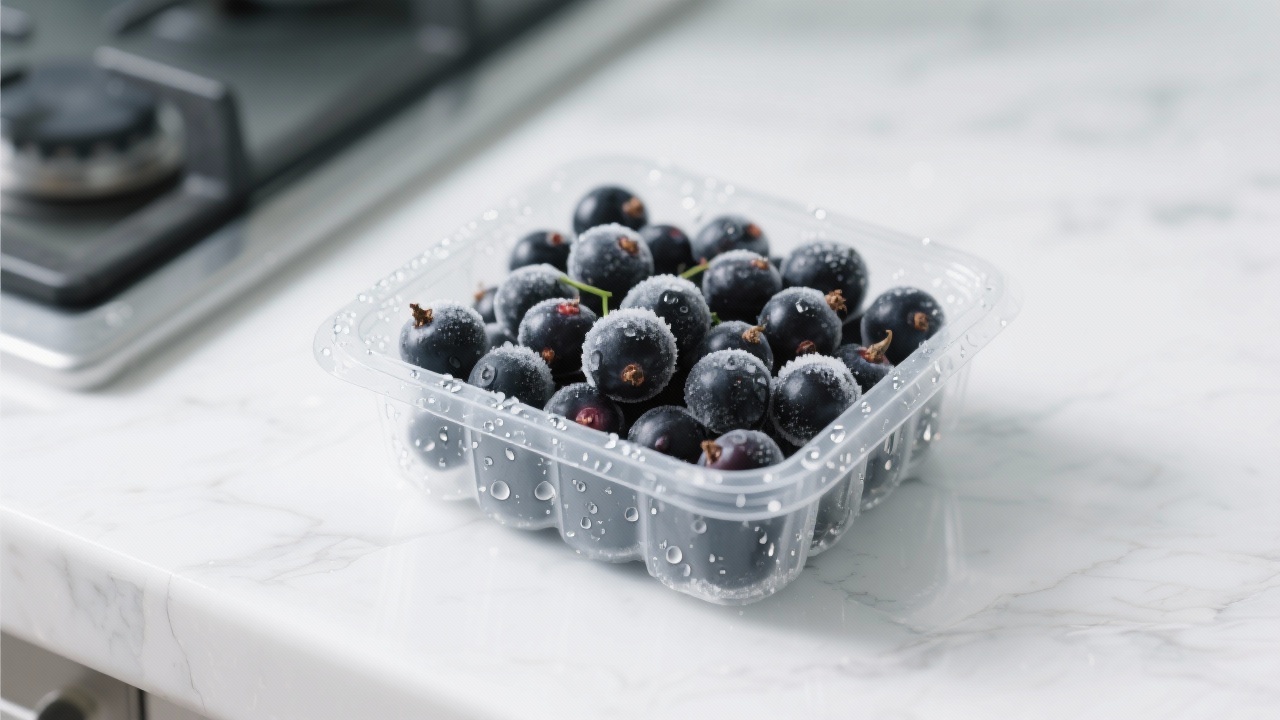
The first step in the supply chain is product screening. Suppliers need to ensure that the blackcurrants meet the EU's quality standards, such as having a high fruit integrity rate. According to industry data, a high - quality frozen blackcurrant product should have an intact fruit rate of at least 90%. Any damaged or diseased fruits can introduce contaminants and pose a risk to food safety.
During processing, strict hygiene practices must be followed. The processing environment should be clean, and workers should be trained in proper food handling techniques. Packaging also plays a crucial role in maintaining product quality. It should be designed to protect the blackcurrants from physical damage, moisture, and oxygen. For example, vacuum - sealed packaging can extend the shelf - life of frozen blackcurrants.
Regular testing is essential to ensure that the frozen blackcurrants are free from harmful substances, such as pesticides and heavy metals. The EU has set maximum residue limits (MRLs) for various pesticides, and products must be tested against these limits. In terms of transportation, maintaining a consistent cold chain is vital. The temperature during transportation should be kept at - 18°C or lower to prevent spoilage.
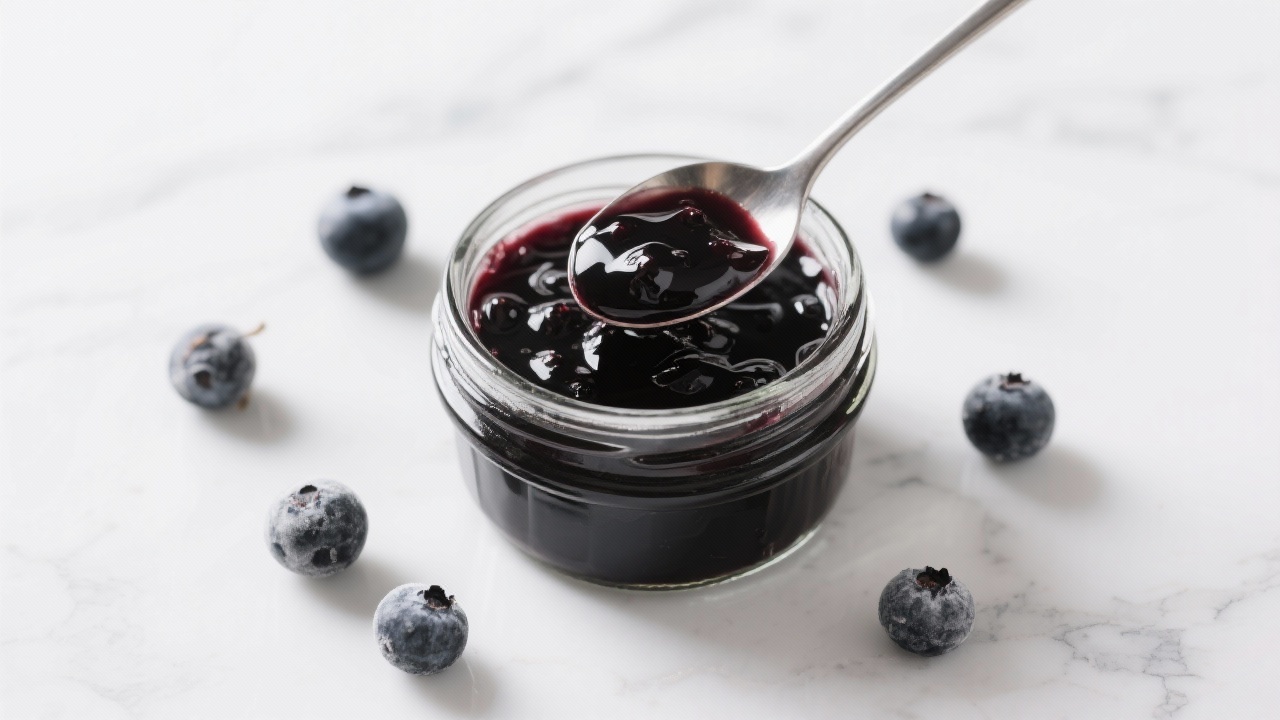
To improve the fruit integrity rate, suppliers can invest in advanced sorting technology. For example, optical sorting machines can detect and remove damaged fruits with high precision. Additionally, proper harvesting techniques, such as using gentle picking methods, can also reduce fruit damage.
Implementing advanced cold chain temperature control technology is crucial. For example, using real - time temperature monitoring systems can help ensure that the temperature is maintained within the required range throughout the supply chain. Some companies are also using phase - change materials in packaging to provide additional temperature stability.
A standardized testing procedure should be established. This includes regular sampling and testing at different stages of the supply chain. By having a well - defined testing protocol, suppliers can quickly identify and address any potential quality issues.
By implementing scientific and compliant management practices, companies can gain a significant competitive advantage in the European market. Customers are increasingly demanding safe and high - quality food products. A company that can demonstrate strict compliance with EU regulations and HACCP standards will earn the trust of customers and partners.
For example, a company that has optimized its supply chain to meet the EU's requirements has reported a 20% increase in customer satisfaction and a 15% growth in market share in the European frozen fruit market.
Yishangqiao offers high - quality frozen blackcurrants and customized services to support your business growth and market expansion. We are committed to providing products that meet the highest standards of quality and safety. If you are looking for a reliable partner to enter the European market, click here to learn more about our frozen blackcurrants and customized solutions.


.png?x-oss-process=image/resize,h_100,m_lfit/format,webp)
.png?x-oss-process=image/resize,h_100,m_lfit/format,webp)
.png?x-oss-process=image/resize,h_100,m_lfit/format,webp)
 English


