
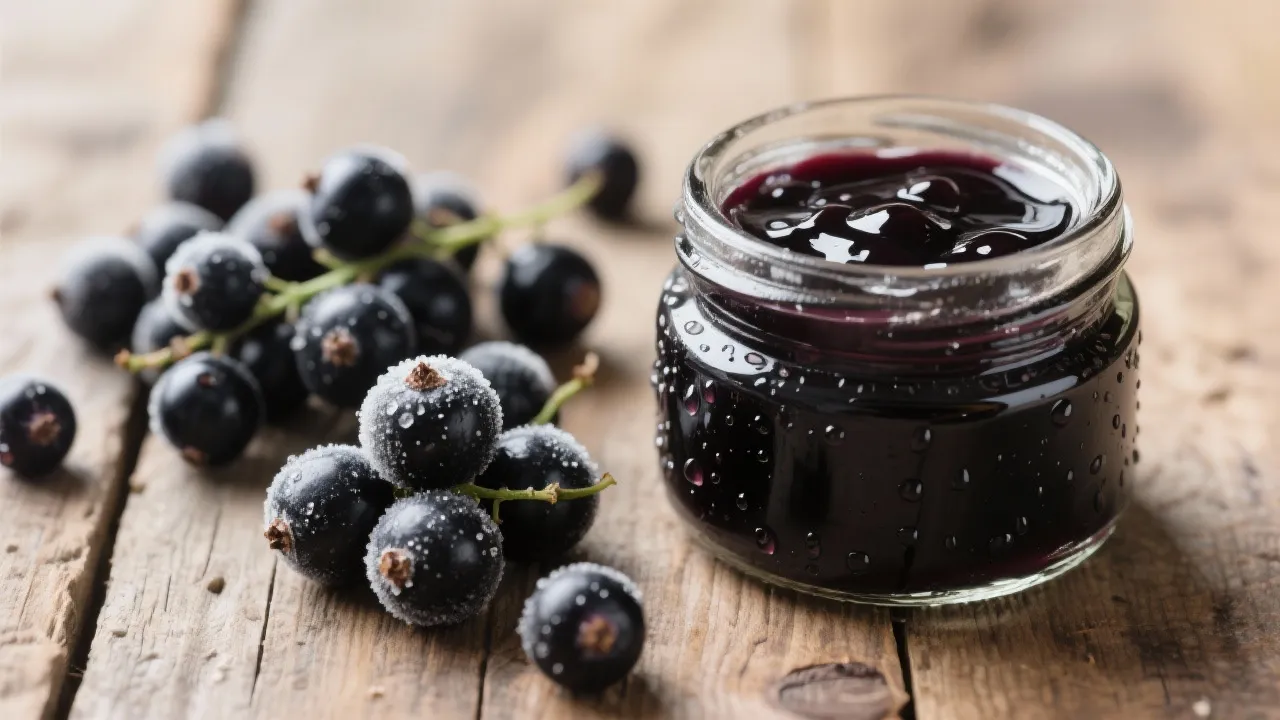
The European Union (EU) has established strict import standards and HACCP (Hazard Analysis and Critical Control Points) certification requirements for frozen fruits, including blackcurrants. These regulations are designed to ensure the safety and quality of food products, with a particular focus on preventing potential hazards at every stage of the supply chain. For instance, in recent years, over 90% of food - related recalls in the EU were due to non - compliance with safety standards, highlighting the importance of these regulations.
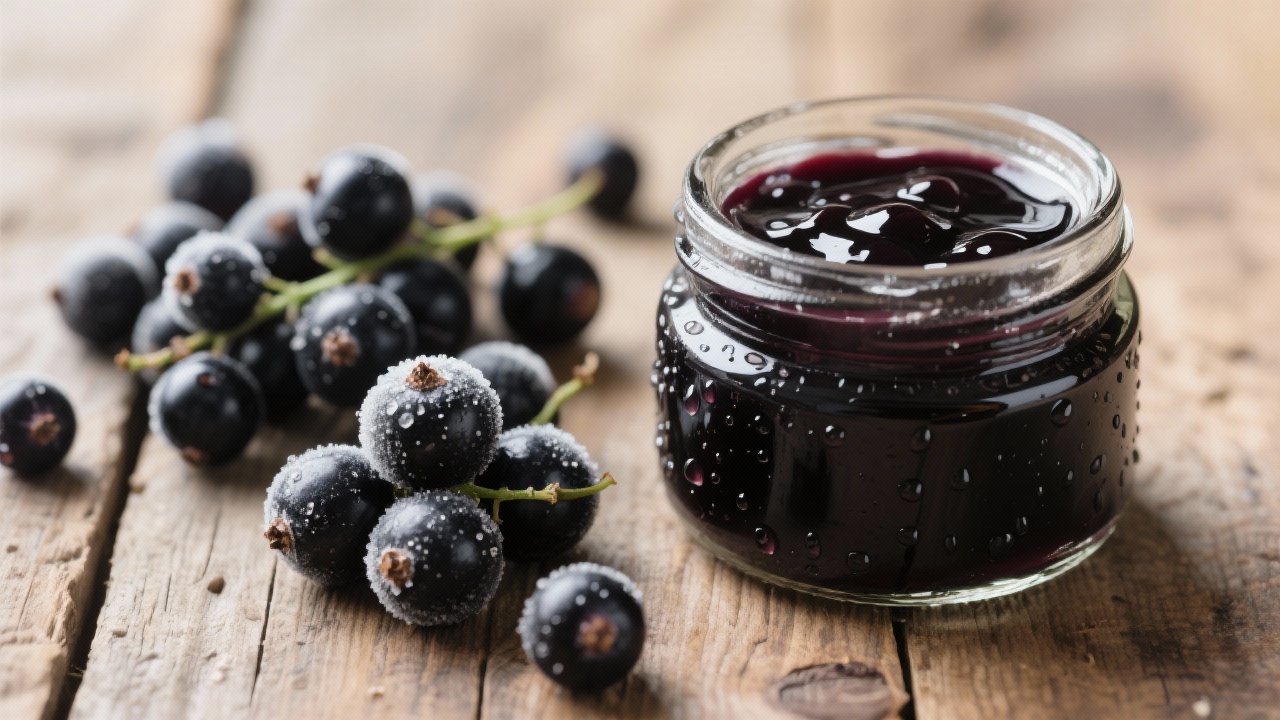
The first step in the supply chain is product screening. Only high - quality blackcurrants that meet the EU's size, color, and ripeness criteria can be selected. A study shows that about 15% of blackcurrants may be rejected during the initial screening due to physical defects or improper ripeness. This process helps to eliminate potential contaminants and ensure the overall quality of the final product.
During processing, strict hygiene and safety measures must be followed. The processing environment should be clean, and workers should be trained in proper handling techniques. For example, cross - contamination can occur if different batches of blackcurrants are not properly separated, which can lead to a significant loss of product and potential regulatory violations.
Packaging plays a crucial role in maintaining the quality of frozen blackcurrants. The packaging materials must be food - grade and able to withstand low temperatures. In addition, the packaging should clearly label all necessary information, such as the origin, expiration date, and storage instructions. Non - compliant packaging can result in up to 10% of products being returned by EU importers.
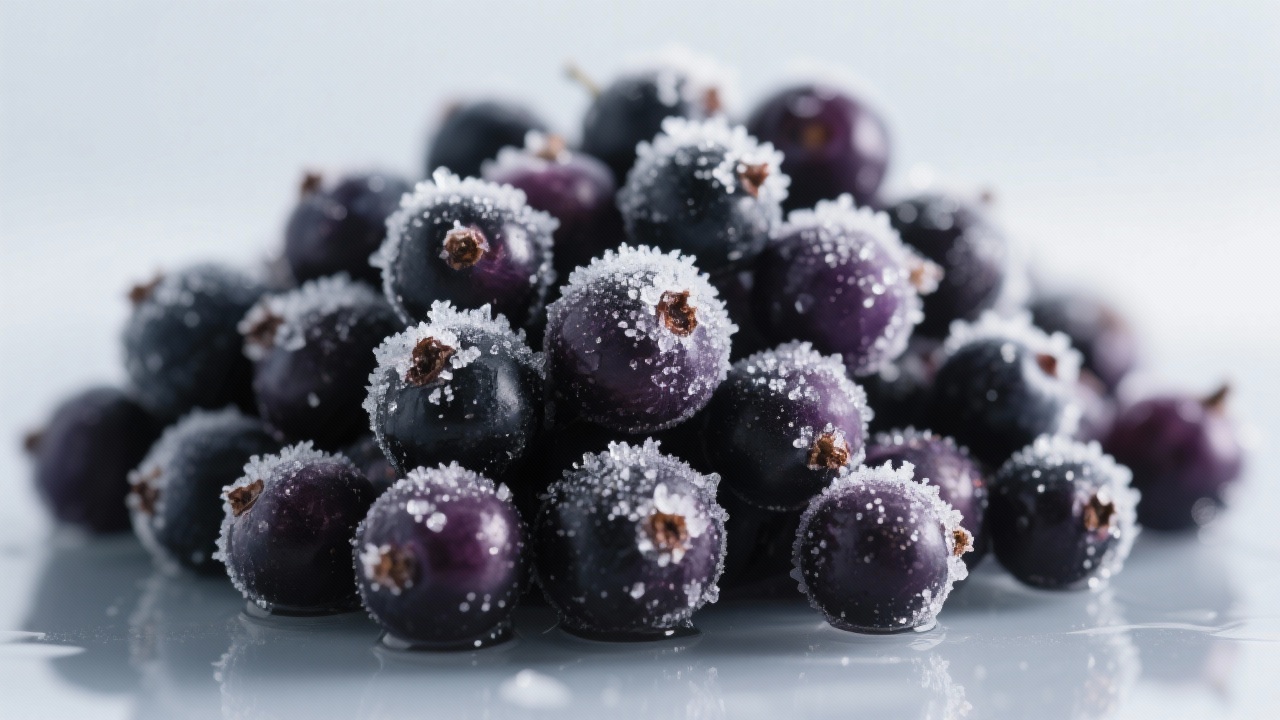
Regular and comprehensive detection is essential. This includes testing for pesticides, heavy metals, and microbial contaminants. It is estimated that about 5% of blackcurrant shipments may fail the detection tests, which can cause delays and additional costs for suppliers.
Maintaining a proper cold chain during transport is critical. Any temperature fluctuations can lead to spoilage and quality degradation. Studies indicate that about 8% of frozen blackcurrants may be damaged during transport due to improper temperature control.
To improve the whole - fruit rate of blackcurrants, advanced harvesting and sorting technologies can be used. For example, using mechanical harvesters with adjustable settings can reduce physical damage to the fruits. By implementing these technologies, the whole - fruit rate can be increased by up to 20%.
Installing real - time temperature monitoring systems in storage facilities and transport vehicles can help ensure that the temperature remains within the required range. This can significantly reduce the risk of spoilage and improve the overall quality of the product.
Establishing a standardized detection process, including regular calibration of testing equipment and strict adherence to testing protocols, can improve the accuracy and reliability of detection results.
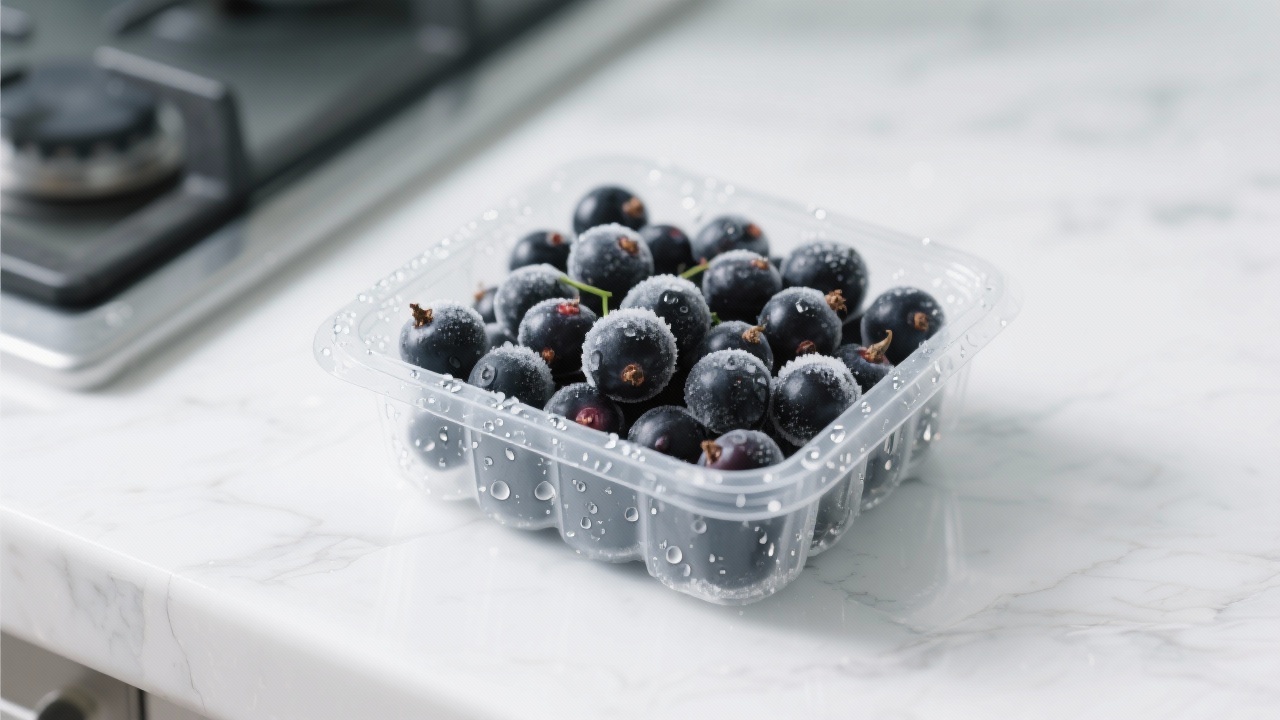
Yishangqiao (Hangzhou) International Trade Co., Ltd. offers high - quality frozen blackcurrant supply and customization services. With years of experience in the international market, they have developed effective strategies to meet the EU's strict requirements. Their products have a high whole - fruit rate and are well - protected during the entire supply chain.
If you are looking to enter the European market with frozen blackcurrants, Yishangqiao can be your reliable partner. Click here to learn more about their products and services and take the first step towards a successful business in the EU market.


.png?x-oss-process=image/resize,h_100,m_lfit/format,webp)
.png?x-oss-process=image/resize,h_100,m_lfit/format,webp)
.png?x-oss-process=image/resize,h_100,m_lfit/format,webp)
 English


