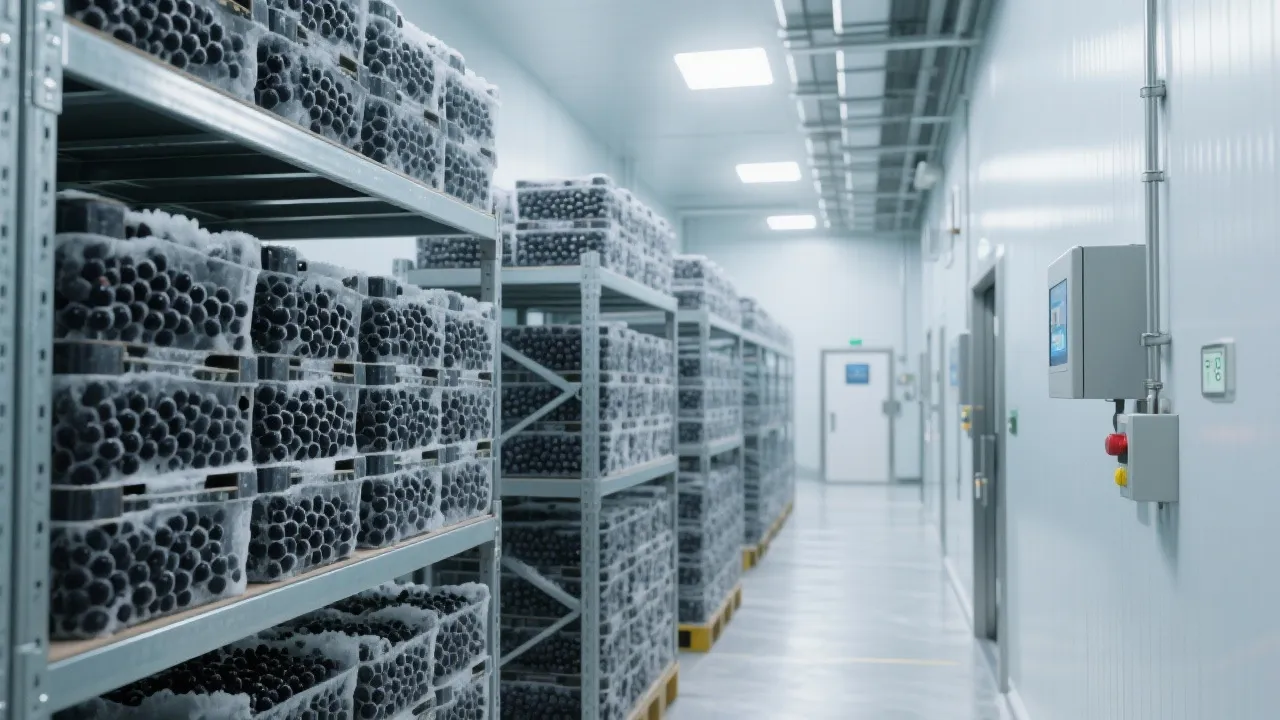
In today's interconnected global marketplace, food manufacturers face the challenge of meeting diverse cultural and religious dietary requirements while expanding into new international markets. Two certifications that have become increasingly crucial for accessing significant consumer segments worldwide are Halal and Kosher. These certifications not only ensure compliance with religious dietary laws but also serve as powerful indicators of product quality and safety, resonating with consumers beyond their primary religious communities.
According to recent industry reports, the global Halal food market is projected to reach $2.5 trillion by 2024, with annual growth rates consistently exceeding 6%. Similarly, the Kosher food market stands at over $24 billion in the United States alone, with a growing consumer base that includes not just Jewish populations but also individuals seeking high-quality, carefully processed food products.
For food manufacturers, obtaining Halal and Kosher certifications is no longer merely a niche consideration but a strategic business decision. These certifications open doors to:
Halal, an Arabic term meaning "permissible," refers to food and products that comply with Islamic dietary laws as outlined in the Quran. The certification process involves a thorough review of ingredients, production methods, and facility practices to ensure they meet strict Halal standards.
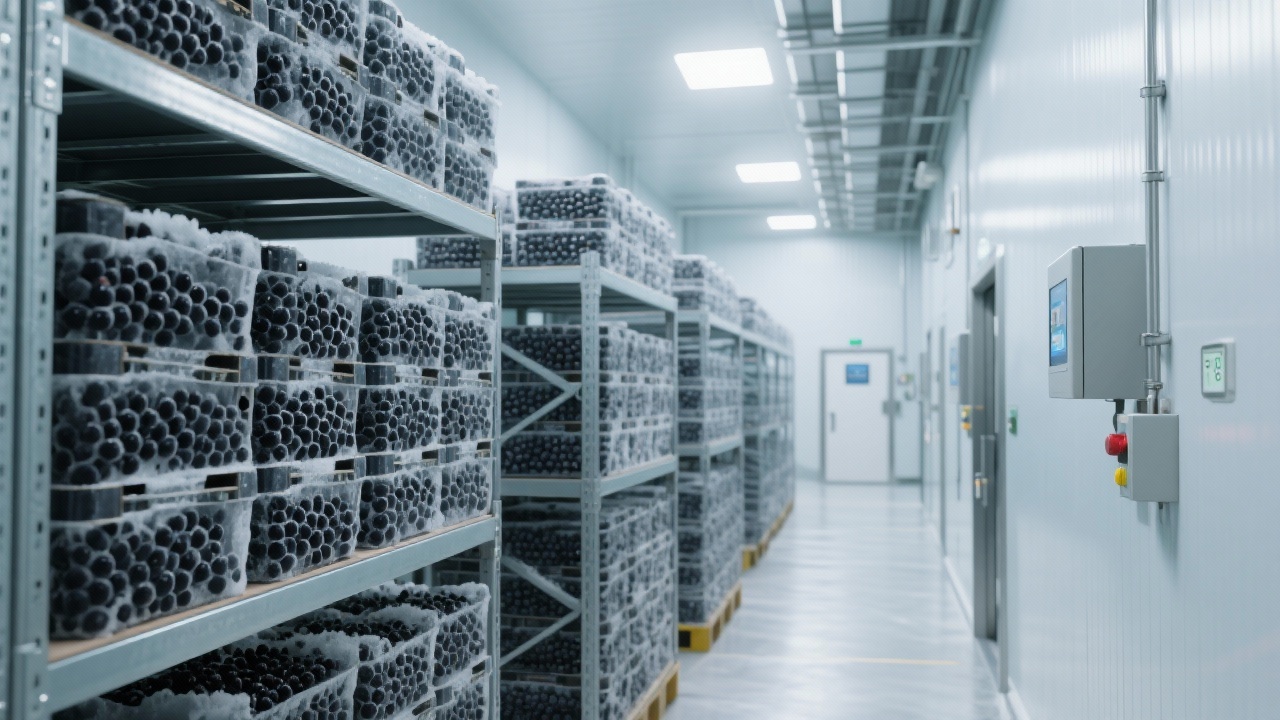
Halal certification requires compliance with several key principles:
Kosher certification ensures products meet the dietary requirements of Jewish law, known as Kashrut. While primarily associated with Jewish consumers, Kosher-certified products appeal to a broad range of consumers seeking products with rigorous quality standards.
Kosher certification focuses on several critical areas:

While specific requirements vary between certifying bodies, the general certification process follows a similar pattern for both Halal and Kosher certifications:
For food manufacturers looking to expand globally, Halal and Kosher certifications offer significant market access advantages. These certifications are particularly valuable for entering markets such as:
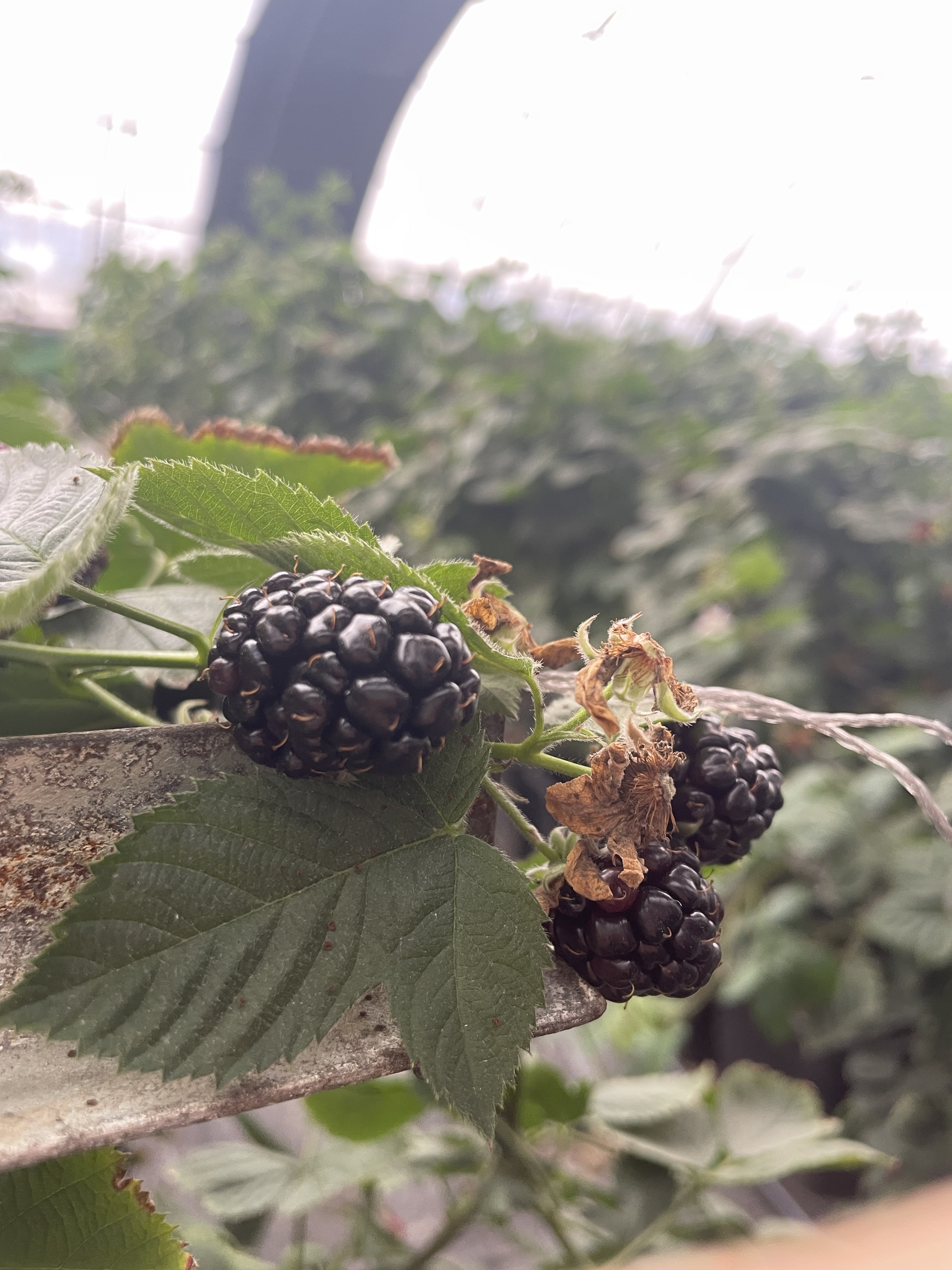
亿商桥 (Yishangqiao) specializes in guiding food manufacturers through the Halal and Kosher certification process, ensuring compliance while maximizing market opportunities. Our expert team provides end-to-end support, from initial assessment to certification maintenance.
Get Your Certification Strategy ConsultationMaintaining Halal and Kosher certifications requires ongoing commitment and attention to detail. Successful manufacturers implement these key practices:
As consumer awareness of food origins and production methods continues to grow, Halal and Kosher certifications have transcended their religious origins to become global symbols of quality and safety. For manufacturers willing to invest in these certifications, the rewards include access to new markets, enhanced brand reputation, and increased consumer trust. In an increasingly competitive global food industry, Halal and Kosher certifications represent not just compliance, but a strategic advantage that can drive business growth and expansion.

 256
|
256
|
 Halal Certification
Kosher Certification
Freeze-Dried Fruit Compliance
International Food Market Access
Food Supply Chain Compliance
426
|
frozen blackcurrant
blackcurrant juice processing
flavor retention technology
freezing rate control
-18℃ cold chain
127
|
cold chain logistics for fruits and vegetables
frozen fruit and vegetable quality control
-18℃ fresh-locking technology
HACCP in cold chain
ISO 22000 supply chain compliance
489
|
frozen blackcurrant whole fruit rate control
three-round manual sorting process
blackcurrant freezing technology
food processing raw material selection
high-end jam fruit
156
|
blackcurrant frozen fruit
juice processing technology
thawing methods
flavor preservation
cold chain logistics
Halal Certification
Kosher Certification
Freeze-Dried Fruit Compliance
International Food Market Access
Food Supply Chain Compliance
426
|
frozen blackcurrant
blackcurrant juice processing
flavor retention technology
freezing rate control
-18℃ cold chain
127
|
cold chain logistics for fruits and vegetables
frozen fruit and vegetable quality control
-18℃ fresh-locking technology
HACCP in cold chain
ISO 22000 supply chain compliance
489
|
frozen blackcurrant whole fruit rate control
three-round manual sorting process
blackcurrant freezing technology
food processing raw material selection
high-end jam fruit
156
|
blackcurrant frozen fruit
juice processing technology
thawing methods
flavor preservation
cold chain logistics


.png?x-oss-process=image/resize,h_100,m_lfit/format,webp)
.png?x-oss-process=image/resize,h_100,m_lfit/format,webp)
.png?x-oss-process=image/resize,h_100,m_lfit/format,webp)
 English