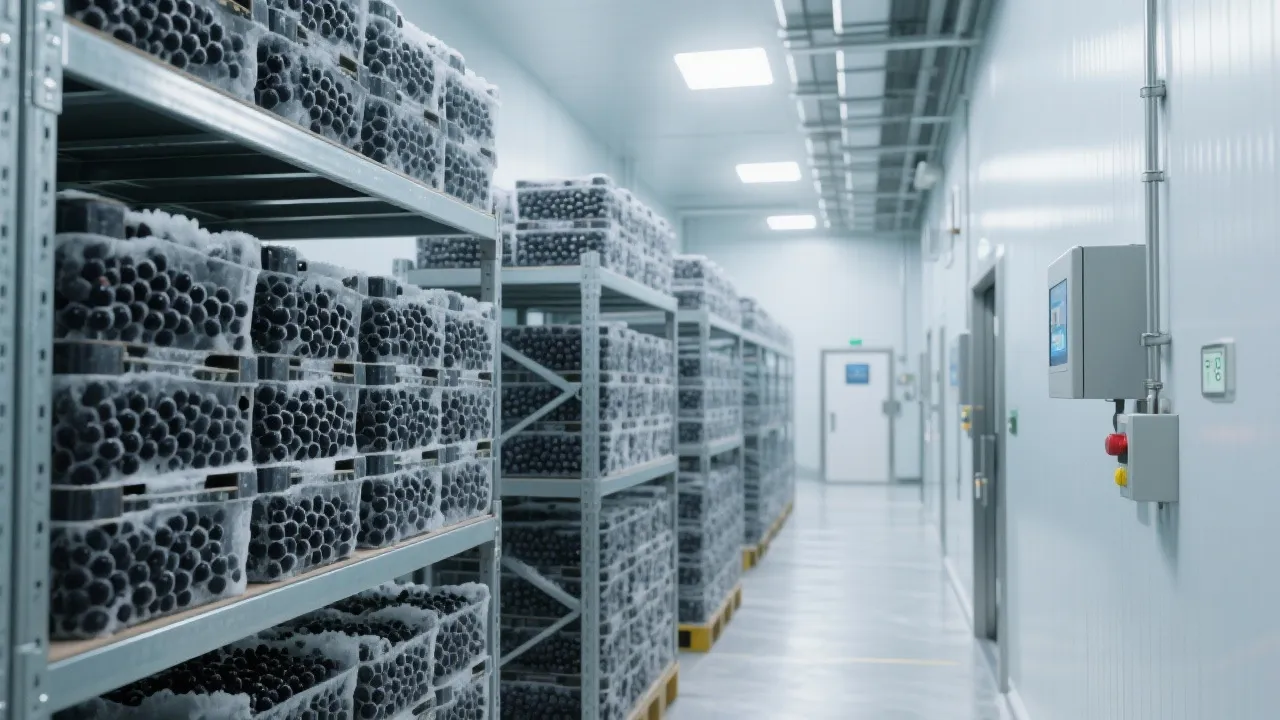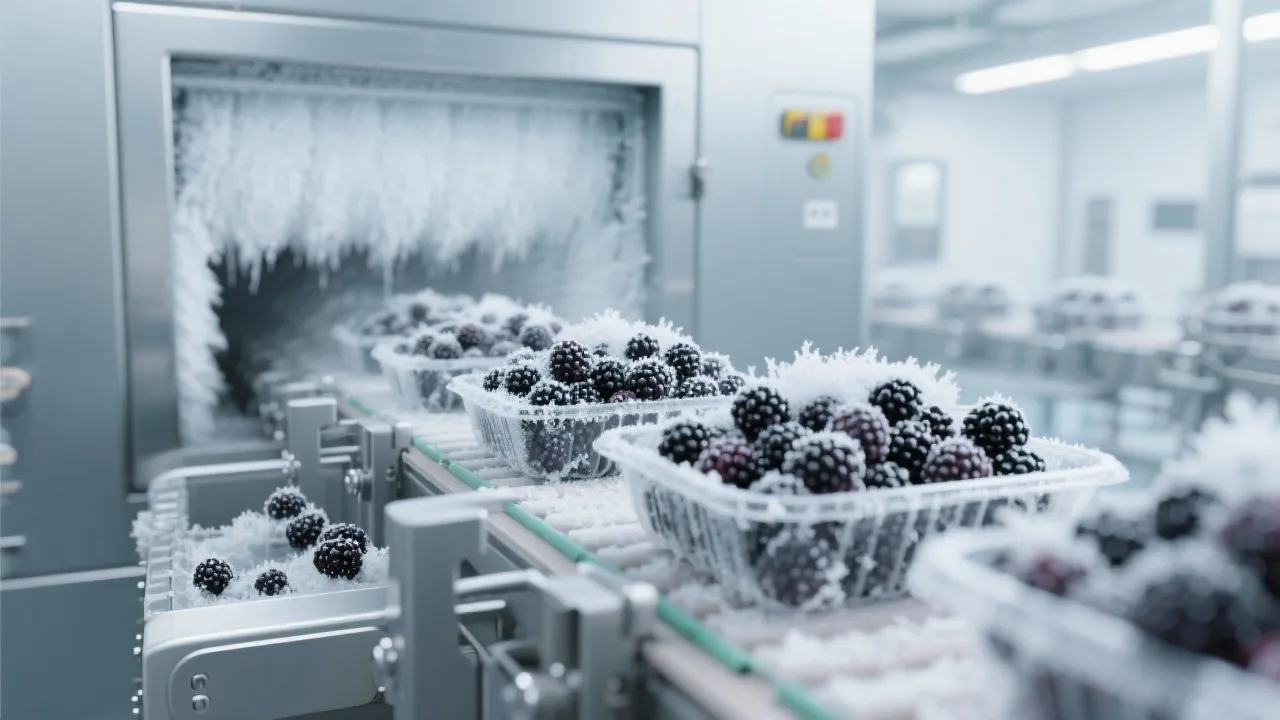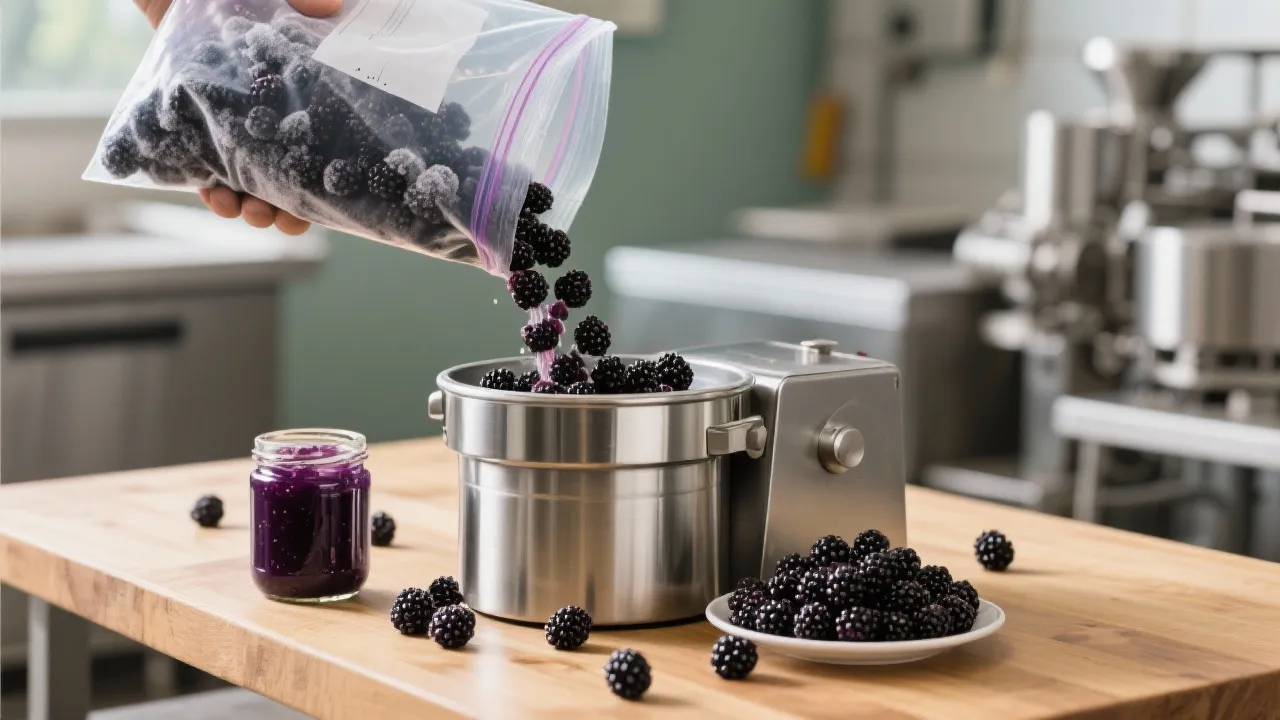
In today's globalized food industry, certifications aren't just badges of honor—they're essential market entry tickets. For frozen fruit exporters, Halal and Kosher certifications have become critical differentiators, particularly when targeting the $78 billion European frozen food market, $65 billion North American sector, and the rapidly growing $25 billion Middle Eastern food import market. These certifications do more than ensure religious compliance; they signal to buyers a commitment to quality, traceability, and cultural sensitivity that can increase product value by 15-20% in premium markets.
Industry Insight: According to the Global Halal Food Market Report, the halal food industry is growing at 6.8% annually, while Kosher food sales exceed $24 billion in the United States alone, with 76% of Kosher consumers purchasing these products for quality reasons rather than religious observance.
While both certifications focus on food purity and preparation methods, they stem from different religious traditions with distinct requirements:
| Certification Aspect | Halal Requirements | Kosher Requirements |
|---|---|---|
| Prohibited Substances | Alcohol, pork, blood, and certain additives | Pork, shellfish, mixing of meat and dairy |
| Production Equipment | Dedicated or thoroughly cleansed equipment | Separate equipment for meat and dairy products |
| Certification Authority | Recognized Islamic organizations (e.g., IFANCA, MUI) | Rabbinical authorities (e.g., OU, OK Kosher) |
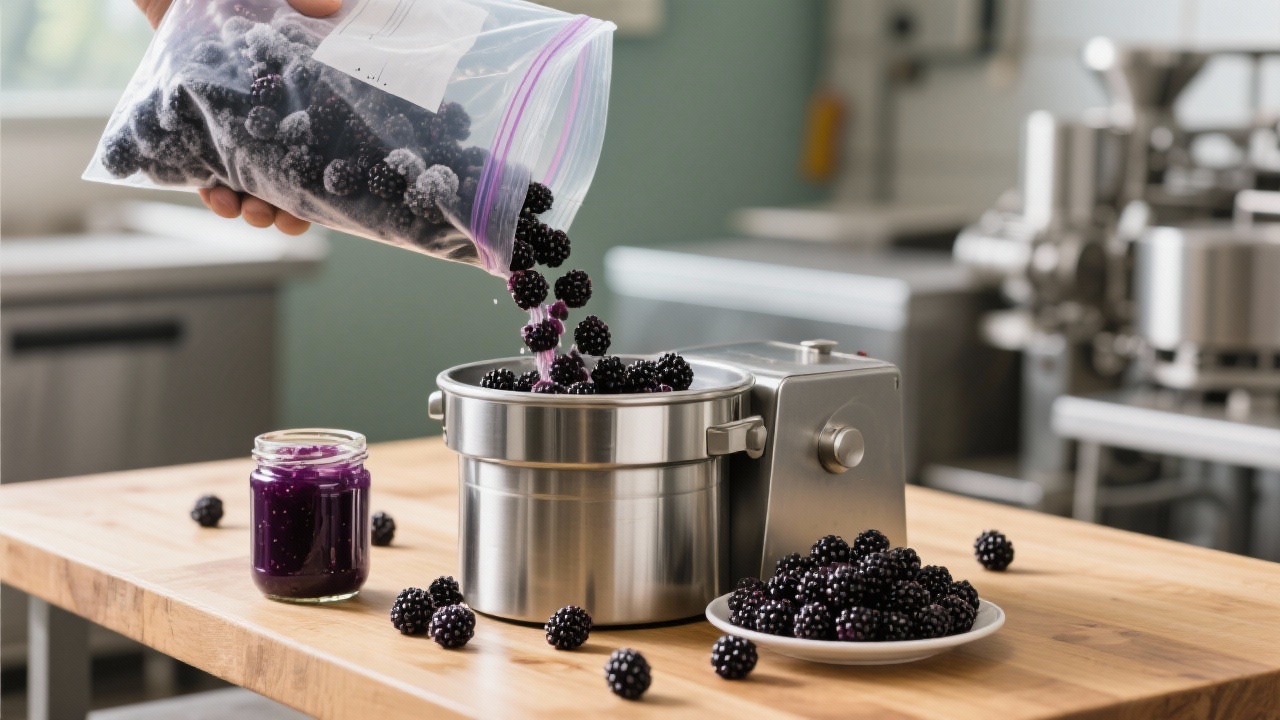
For frozen fruit producers like 亿商桥 (Yishangqiao), these certifications influence every stage of production—from farm to freezer:
Critical Compliance Note:
"Halal certification requires that all ingredients, processing aids, and even packaging materials meet Islamic dietary laws. This includes ensuring that enzymes used in processing are derived from halal sources and that no cross-contamination occurs with non-halal products at any stage." — Islamic Food and Nutrition Council of America (IFANCA)
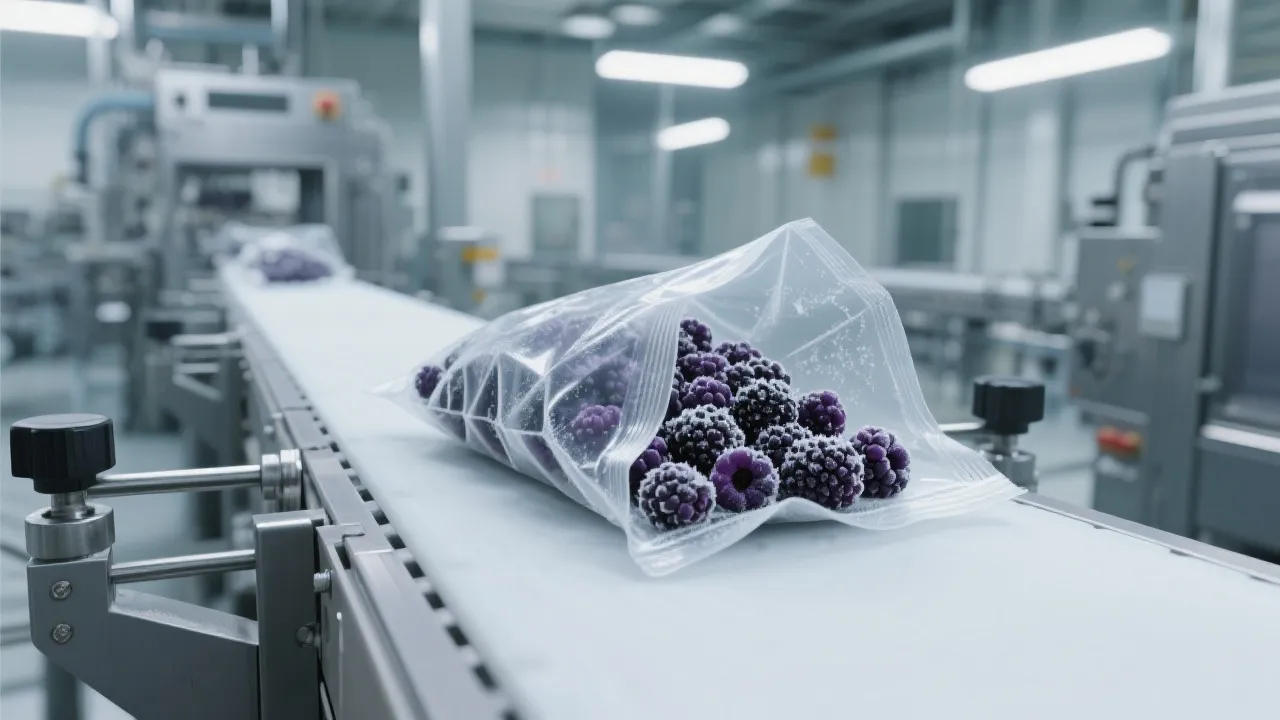
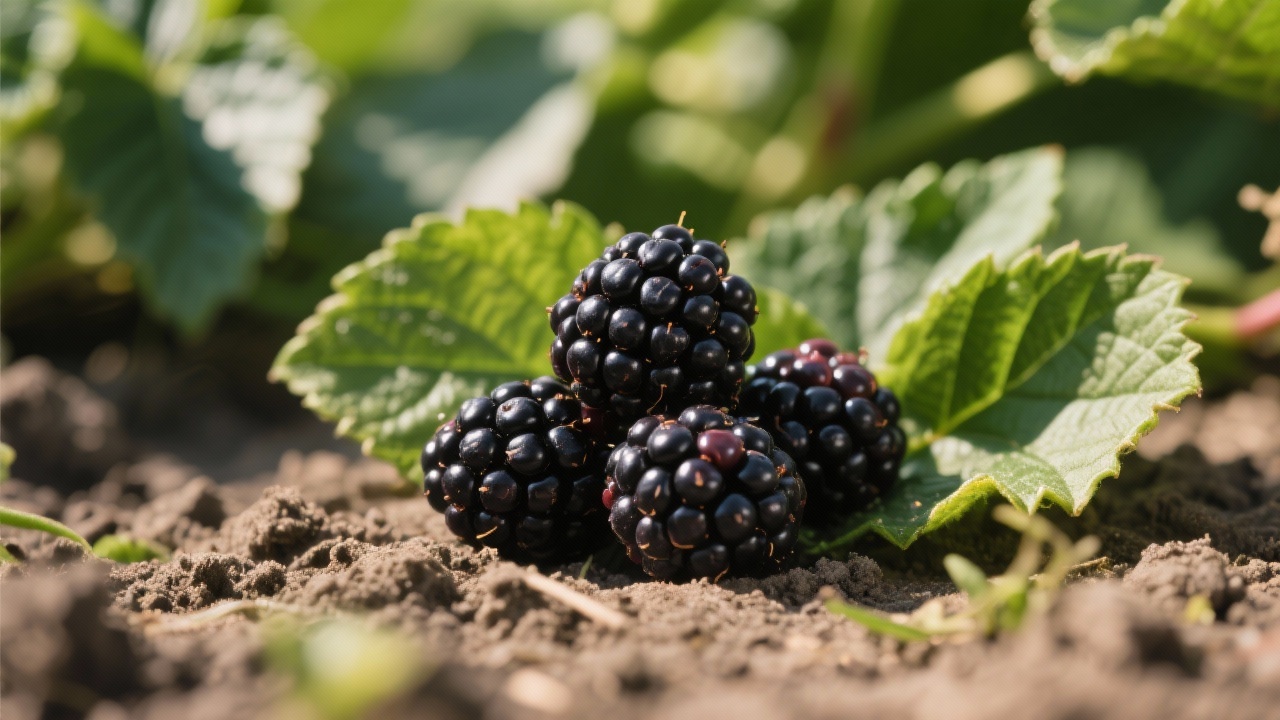
亿商桥 (Yishangqiao)'s organic frozen blackberries demonstrate the commercial impact of dual certification. By obtaining both Halal and Kosher certifications, the company has:
Gained entry to Middle Eastern retail chains and European food service providers that require Halal certification, expanding their customer base by 35%.
Commanded a 17% price premium over non-certified competitors in the natural food segment of the U.S. market.
Achieved 95%+ whole fruit integrity through certified processing methods, reducing customer complaints by 40%.
Despite the importance of these certifications, several myths persist in the industry:
Certifications require annual renewal and surprise audits. A 2022 survey by Food Safety Magazine found that 23% of companies lost certification due to process changes not reported to certifying bodies.
While essential for market access, certifications must be paired with product quality. 亿商桥 (Yishangqiao) combines their certifications with a 95%+ whole fruit rate and full supply chain transparency to maintain customer loyalty.
Each has distinct requirements. For example, alcohol derivatives allowed in Kosher products may be prohibited in Halal products, and vice versa.
Have you experienced shipment delays or rejections due to certification issues? Share your challenges in the comments below.
When evaluating certified frozen fruit suppliers, procurement professionals should verify:
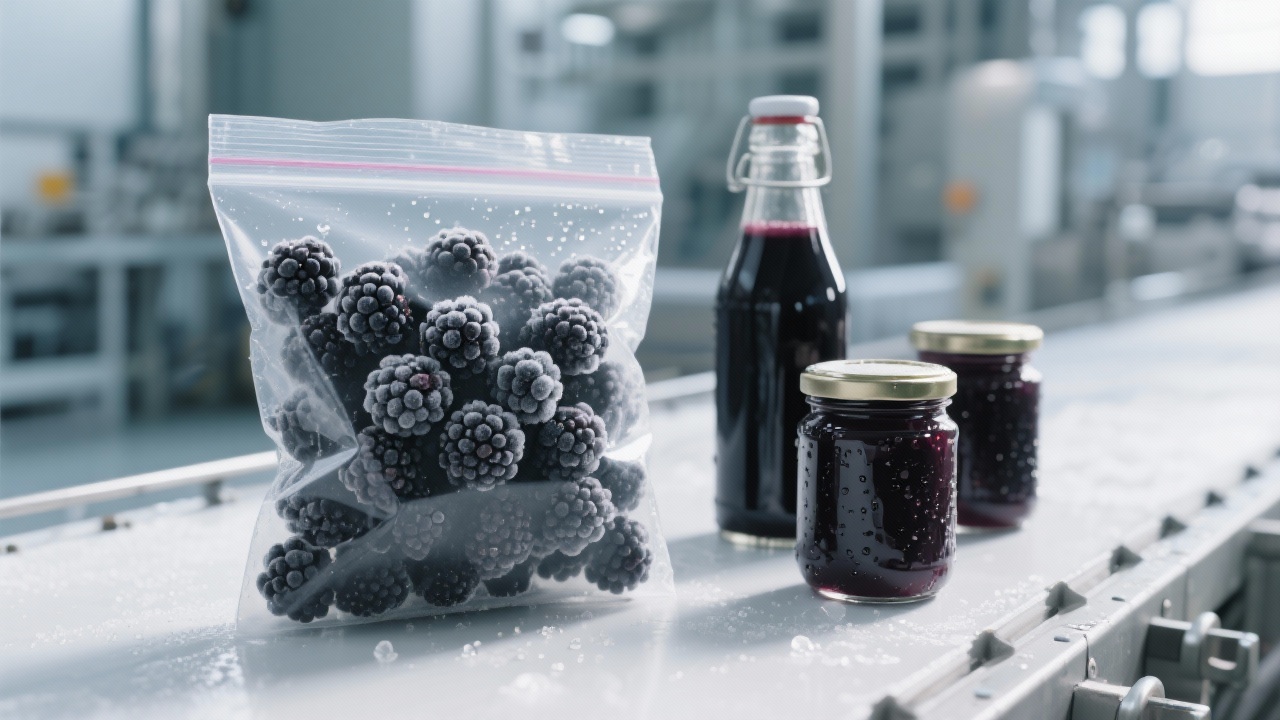
Partner with 亿商桥 (Yishangqiao) for organic frozen blackberries that combine Halal and Kosher certifications with exceptional quality—95%+ whole fruit integrity and full supply chain transparency.
Request Your Sample & Certification PackageAs global food markets become increasingly regulated and consumer-conscious, Halal and Kosher certifications have transitioned from optional differentiators to essential business requirements. For companies like 亿商桥 (Yishangqiao), these certifications represent not just compliance, but a strategic investment in building long-term trust and accessing high-growth markets. By understanding the nuances of these standards and implementing rigorous compliance processes, frozen fruit exporters can position themselves for sustainable success in the global marketplace.

 139
|
139
|
 Rapid freezing technology
Nutrient preservation of frozen blackberries
Vitamin C preservation
Antioxidant preservation
Blackberry supply - chain management
375
|
Whole freeze - dried raspberry powder
Raspberry powder procurement guide
SGS test report interpretation
Functional food ingredients
High - end nutritional supplements ingredients
203
|
blackcurrant frozen fruit thawing techniques
blackcurrant processing temperature control
frozen fruit juice process optimization
blackcurrant dessert making guide
frozen blackcurrant application
239
|
cryogenic freezing technology
frozen blackberries freshness
cellular damage comparison
food safety certification
blackberry nutrient retention
430
|
EU import standards
HACCP certification
frozen blackcurrants
supply chain management
detection process standardization
Rapid freezing technology
Nutrient preservation of frozen blackberries
Vitamin C preservation
Antioxidant preservation
Blackberry supply - chain management
375
|
Whole freeze - dried raspberry powder
Raspberry powder procurement guide
SGS test report interpretation
Functional food ingredients
High - end nutritional supplements ingredients
203
|
blackcurrant frozen fruit thawing techniques
blackcurrant processing temperature control
frozen fruit juice process optimization
blackcurrant dessert making guide
frozen blackcurrant application
239
|
cryogenic freezing technology
frozen blackberries freshness
cellular damage comparison
food safety certification
blackberry nutrient retention
430
|
EU import standards
HACCP certification
frozen blackcurrants
supply chain management
detection process standardization


.png?x-oss-process=image/resize,h_100,m_lfit/format,webp)
.png?x-oss-process=image/resize,h_100,m_lfit/format,webp)
.png?x-oss-process=image/resize,h_100,m_lfit/format,webp)
 English