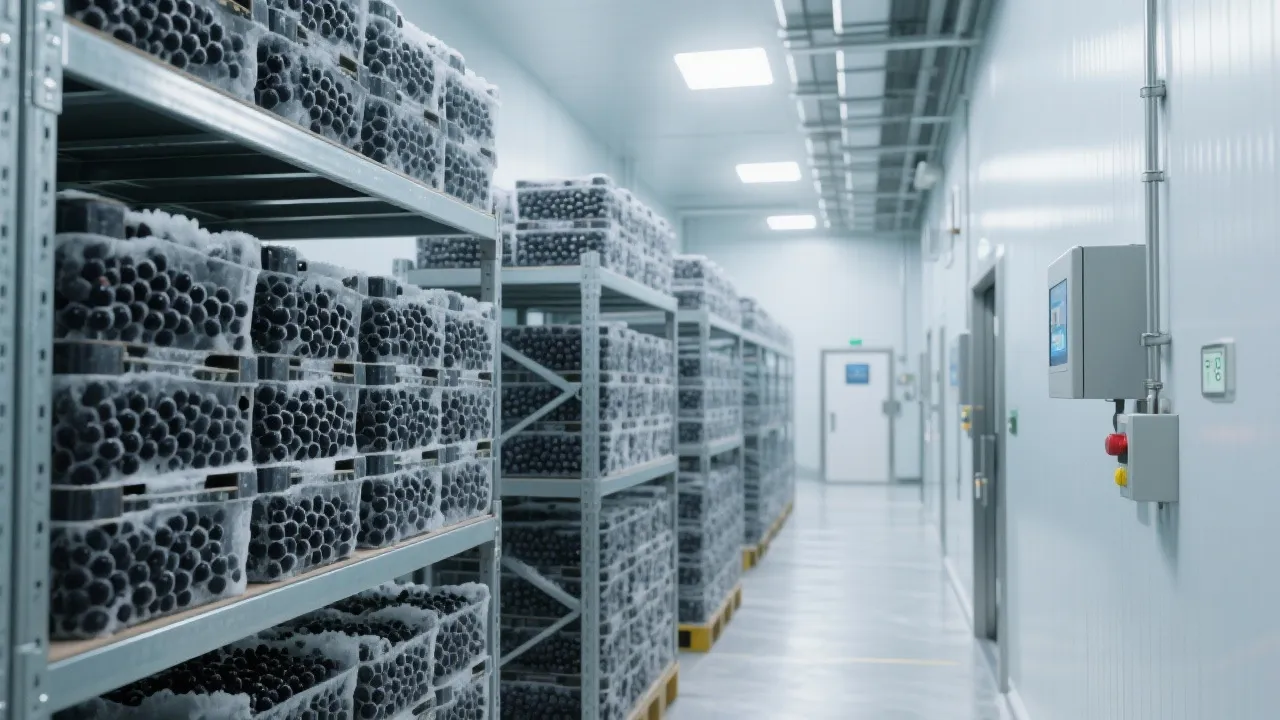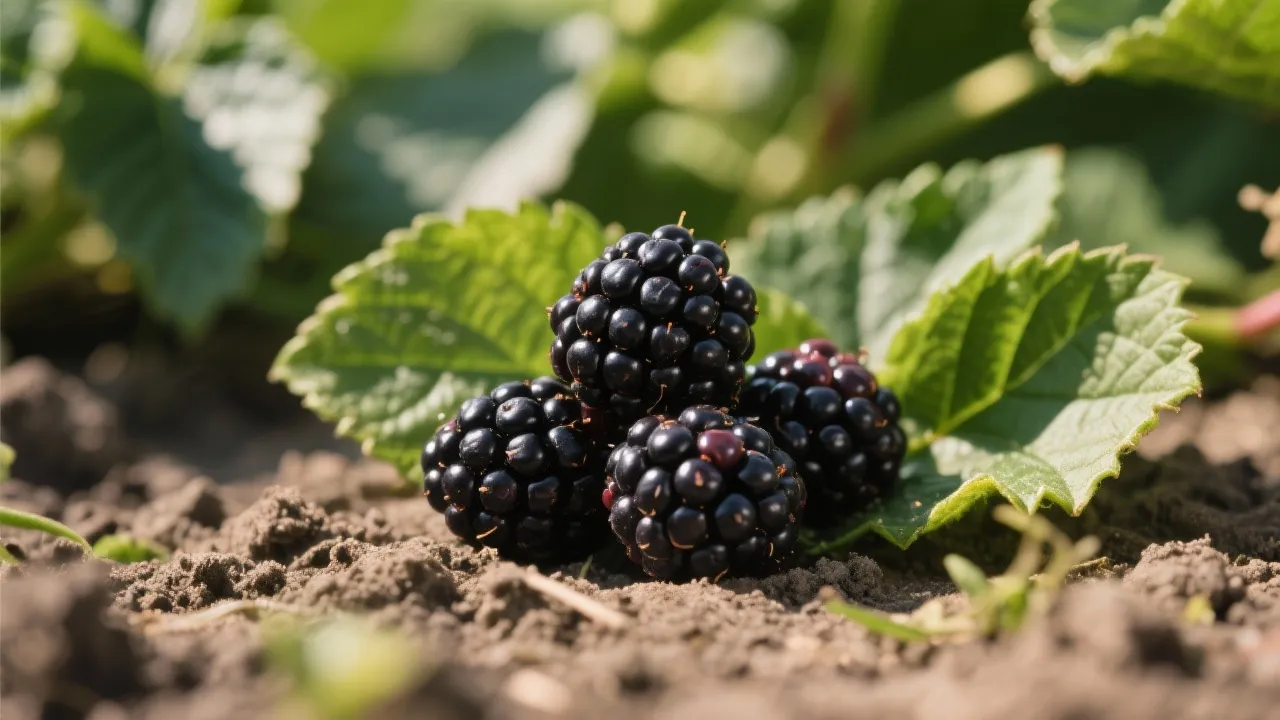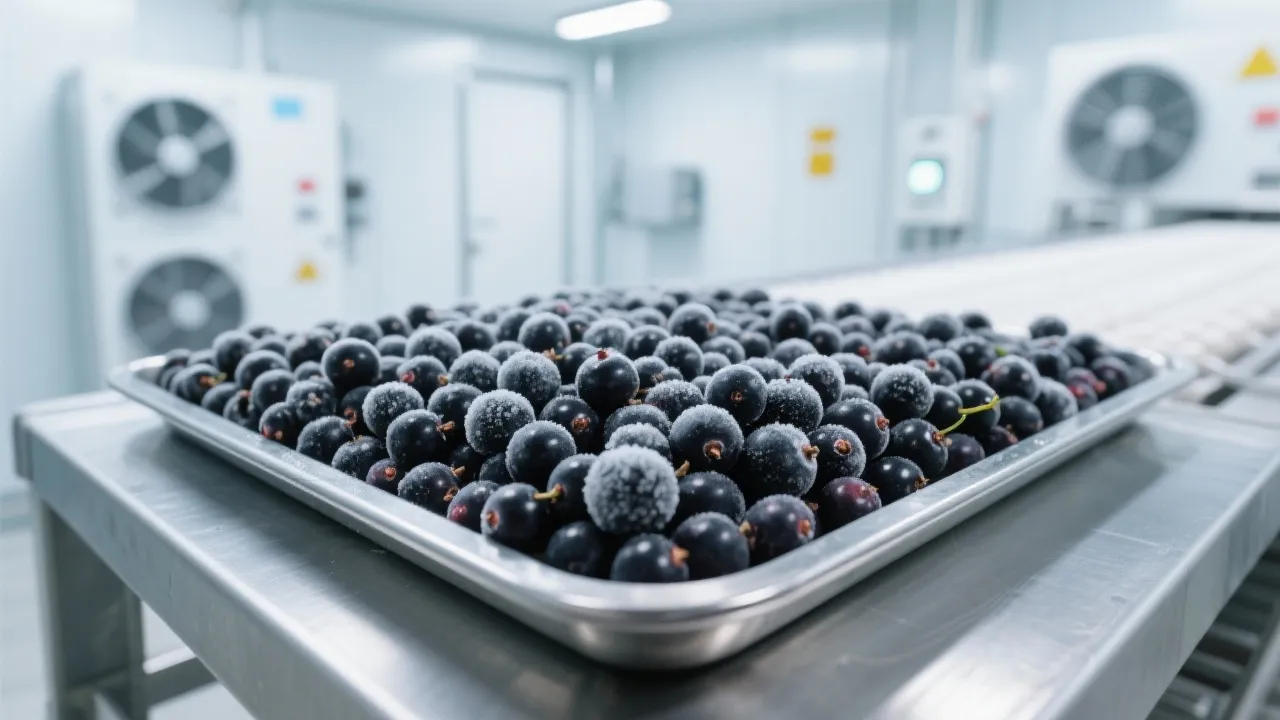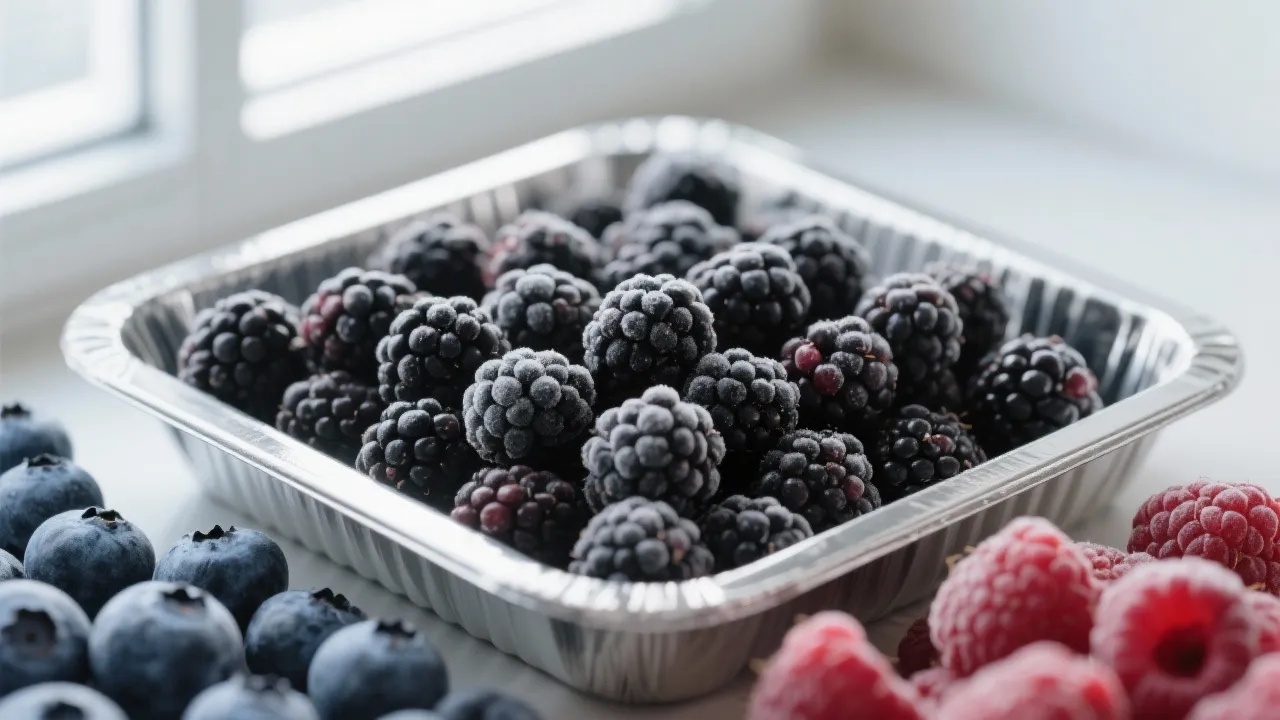
Have you ever faced shipment delays or lost valuable contracts due to certification issues in your frozen fruit supply chain? In today's global food trade, compliance isn't just a box to check—it's the foundation of market access and customer trust. For frozen fruit exporters targeting diverse markets from Europe and America to the Middle East, Halal and Kosher certifications have become non-negotiable requirements rather than optional differentiators.
Religious dietary requirements represent massive market opportunities. The global Halal food market alone is valued at over $2.5 trillion annually, with frozen fruits and vegetables accounting for approximately 8% of this segment, according to the State of the Global Islamic Economy Report. Similarly, the Kosher food market exceeds $24 billion in the United States alone, with European demand growing at 6.2% annually.
These certifications aren't merely about religious compliance—they signal to buyers worldwide that your products meet rigorous quality standards. A 2022 survey by the International Food Information Council found that 73% of food manufacturers consider Halal and Kosher certifications as indicators of superior production practices, even when selling to non-religious consumers.
Expert Insight: "In my 15 years of sourcing ingredients for European food processors, Halal and Kosher certifications have transitioned from niche requirements to basic qualifications," says Maria Gonzalez, Senior Procurement Manager at a leading German food conglomerate. "We automatically reject suppliers who can't provide these certifications, regardless of price or quality claims."
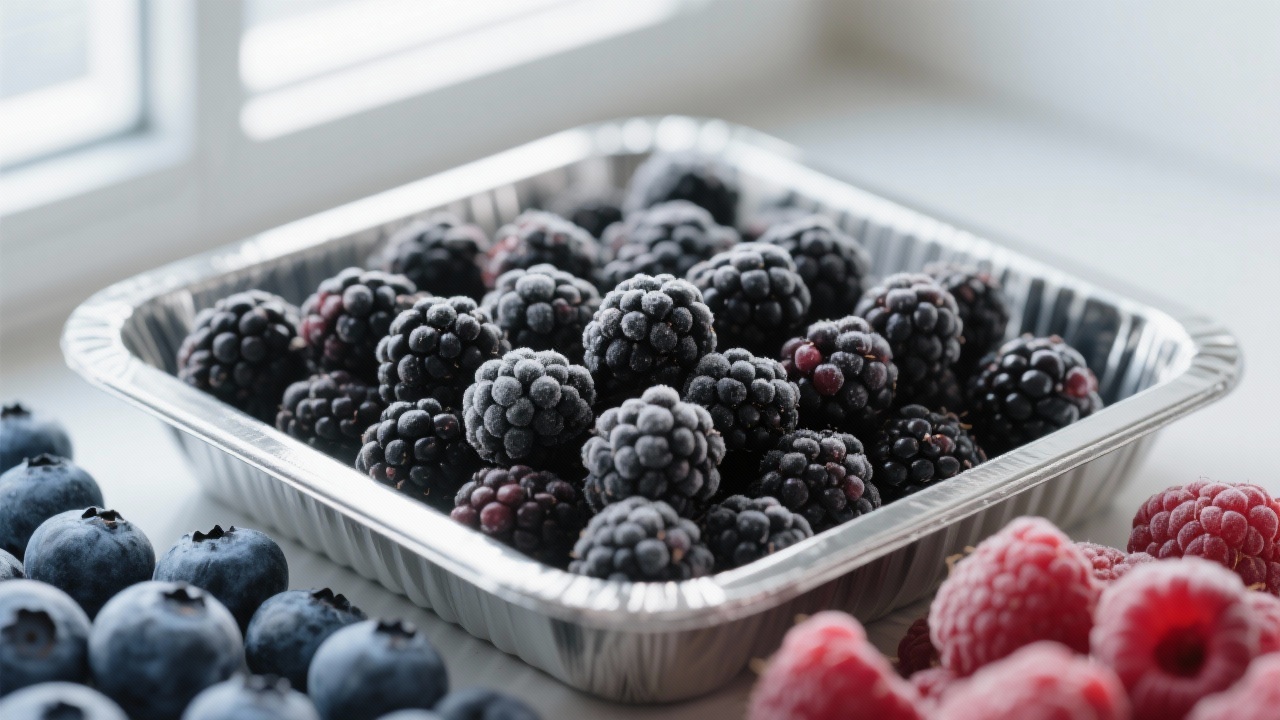
Halal certification ensures products meet Islamic dietary laws, with specific requirements for frozen fruits:
Kosher certification adheres to Jewish dietary laws with equally stringent standards:
What many food industry professionals fail to realize is that these certifications go far beyond religious symbolism. The rigorous auditing process addresses critical food safety concerns, including allergen control, pesticide residues, and contamination risks—benefits that translate to all market segments, not just religious consumers.
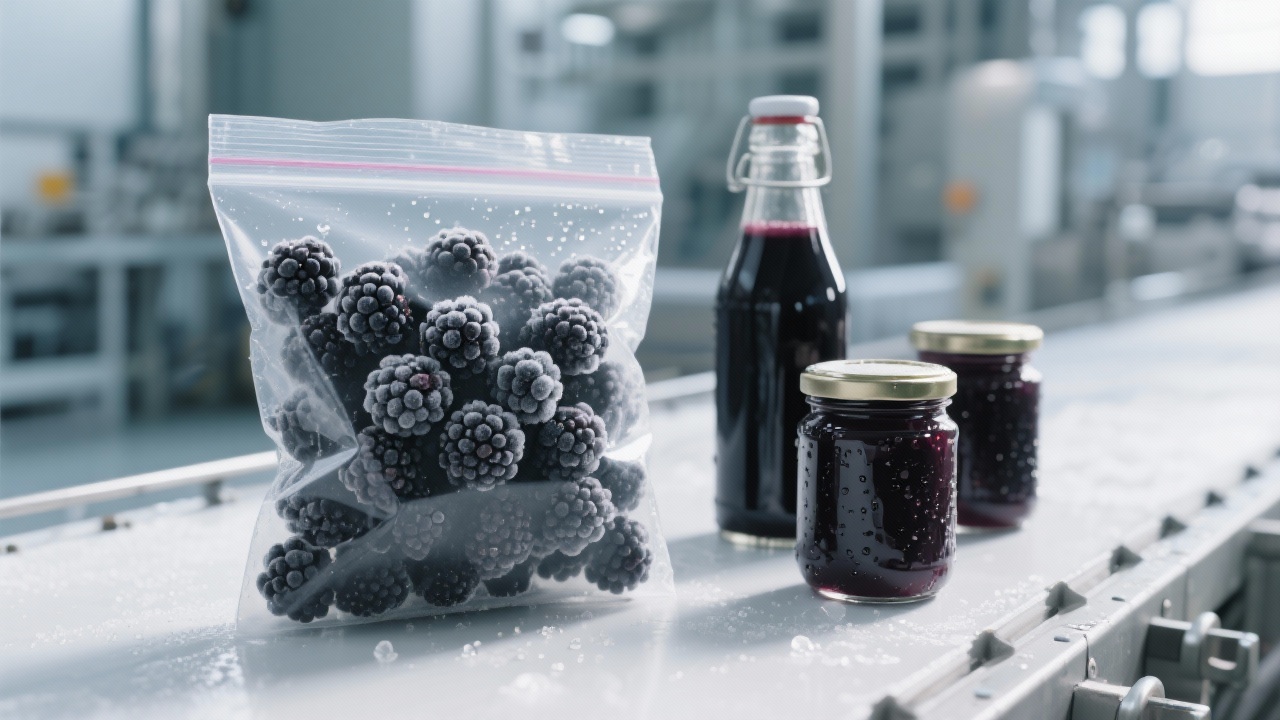
In an increasingly competitive marketplace, 亿商桥 has distinguished itself through its comprehensive certification strategy. Their organic frozen blackberries don't just meet basic export requirements—they exceed international standards by combining HACCP, ISO 22000, Halal, and Kosher certifications.
For European food processors, 亿商桥's dual Halal-Kosher certification means a single supplier can serve multiple market segments without compromising on compliance. This versatility has helped the company capture 12% market share in Germany's organic frozen berry sector within just three years of market entry.
Middle Eastern buyers particularly value the transparency of 亿商桥's certification process, which includes batch-specific documentation and third-party audit reports. "We've reduced our supplier onboarding time by 40% by working with 亿商桥," notes a purchasing director at a major UAE food distributor.
Despite the clear benefits, many exporters struggle with certification implementation. The most common mistakes include:
While most fruits are inherently Halal and Kosher, contamination during processing is a frequent issue. A 2021 study found that 34% of "naturally compliant" products failed certification due to cross-contamination from shared equipment.
Solution: Implement dedicated production lines for certified products and maintain detailed cleaning logs verified by third-party auditors.
Certification isn't a one-time achievement. Annual audits and continuous documentation are required, with 68% of certification failures attributed to poor record-keeping, according to the Global Halal Authority.
Solution: Invest in digital traceability systems that maintain real-time records of all production processes.

When evaluating potential frozen fruit suppliers, look beyond the certification logos. A truly compliant supplier should:
Remember: Certification is an ongoing process, not a static achievement. Regular supplier audits and documentation reviews are essential to maintaining compliance and avoiding costly disruptions.
Discover how 亿商桥's fully certified organic frozen blackberries can help you access high-value markets while ensuring complete compliance and superior quality.
Explore Our Certified Product RangeAs international food markets become more regulated and consumers more discerning, Halal and Kosher certifications have evolved from niche requirements to essential business tools. They not only unlock access to religiously observant markets but also serve as powerful indicators of quality and safety for all consumers. By prioritizing these certifications and selecting suppliers like 亿商桥 who understand their complexities, food businesses can position themselves for sustainable growth in the global marketplace.

 375
|
375
|
 whole fruit freeze dried raspberry powder
freeze dried raspberry powder
premium nutritional ingredients
functional food raw materials
raspberry powder for supplements
51
|
small-batch blackcurrant frozen fruit sourcing
European market supply chain management
OEM customized frozen fruit packaging
blackcurrant cold chain logistics
EU import certification
449
|
Frozen blackberry organic certification
Halal export certification guide
HACCP and ISO 22000 integration
international market access frozen fruits
Halal food certification process
58
|
rapid freezing technology
frozen blackberry preservation
blackberry nutrient retention
food safety certification
frozen fruit quality
39
|
frozen blackberry procurement guide
triple manual sorting technique
whole berry retention rate
organic frozen fruit quality control
HACCP certified food supply chain
whole fruit freeze dried raspberry powder
freeze dried raspberry powder
premium nutritional ingredients
functional food raw materials
raspberry powder for supplements
51
|
small-batch blackcurrant frozen fruit sourcing
European market supply chain management
OEM customized frozen fruit packaging
blackcurrant cold chain logistics
EU import certification
449
|
Frozen blackberry organic certification
Halal export certification guide
HACCP and ISO 22000 integration
international market access frozen fruits
Halal food certification process
58
|
rapid freezing technology
frozen blackberry preservation
blackberry nutrient retention
food safety certification
frozen fruit quality
39
|
frozen blackberry procurement guide
triple manual sorting technique
whole berry retention rate
organic frozen fruit quality control
HACCP certified food supply chain


.png?x-oss-process=image/resize,h_100,m_lfit/format,webp)
.png?x-oss-process=image/resize,h_100,m_lfit/format,webp)
.png?x-oss-process=image/resize,h_100,m_lfit/format,webp)
 English