
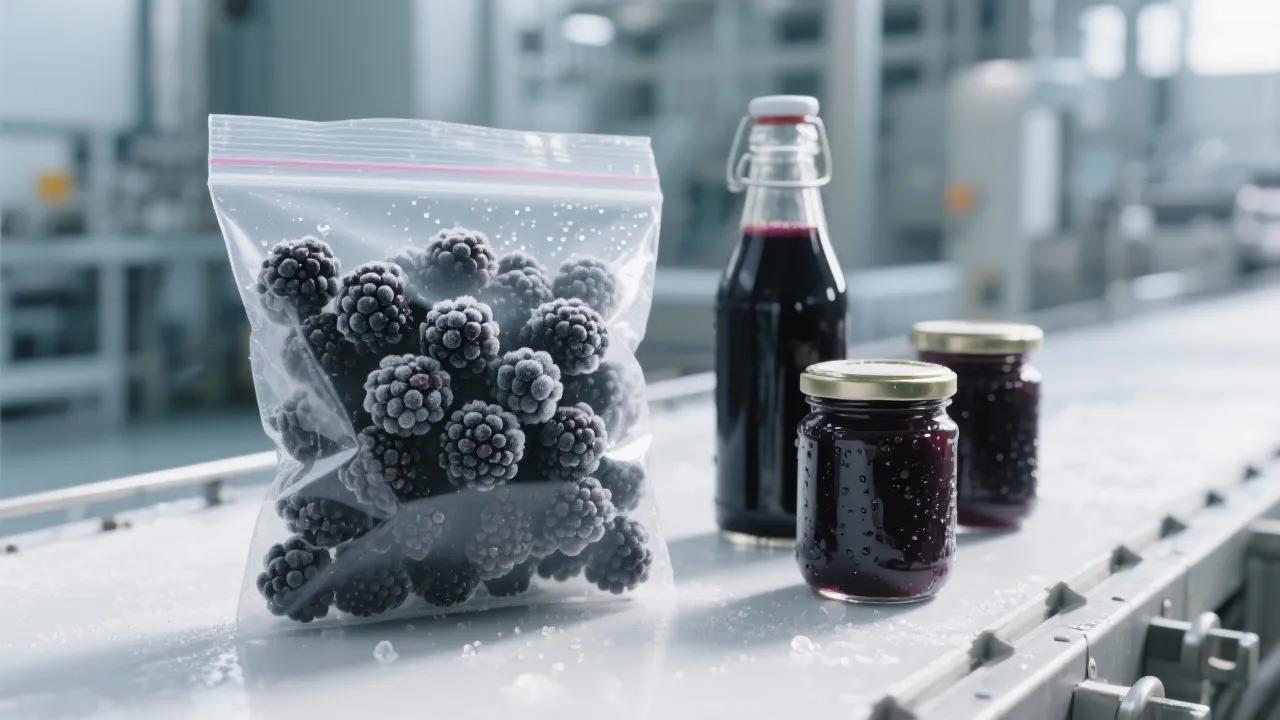
In today's global food trade, accessing premium markets requires more than just high-quality products. For frozen fruit exporters targeting the Middle East, Europe, and North America, Halal and Kosher certifications have become essential credentials that can significantly impact market access and consumer trust. According to a 2023 Global Food Certification Report, products with dual Halal-Kosher certification command an average price premium of 15-22% in European markets and up to 35% in Middle Eastern countries.
Industry Insight: "Halal and Kosher certifications are no longer niche requirements but strategic business tools," notes Maria Gonzalez, Senior Food Safety Consultant at GlobalCert. "Our data shows certified products experience 37% faster market penetration in religiously diverse regions compared to non-certified alternatives."
Both Halal and Kosher certifications impose strict standards throughout the production chain, from raw material sourcing to final packaging. While sharing similarities in cleanliness and quality control, they have distinct religious requirements that must be meticulously followed.
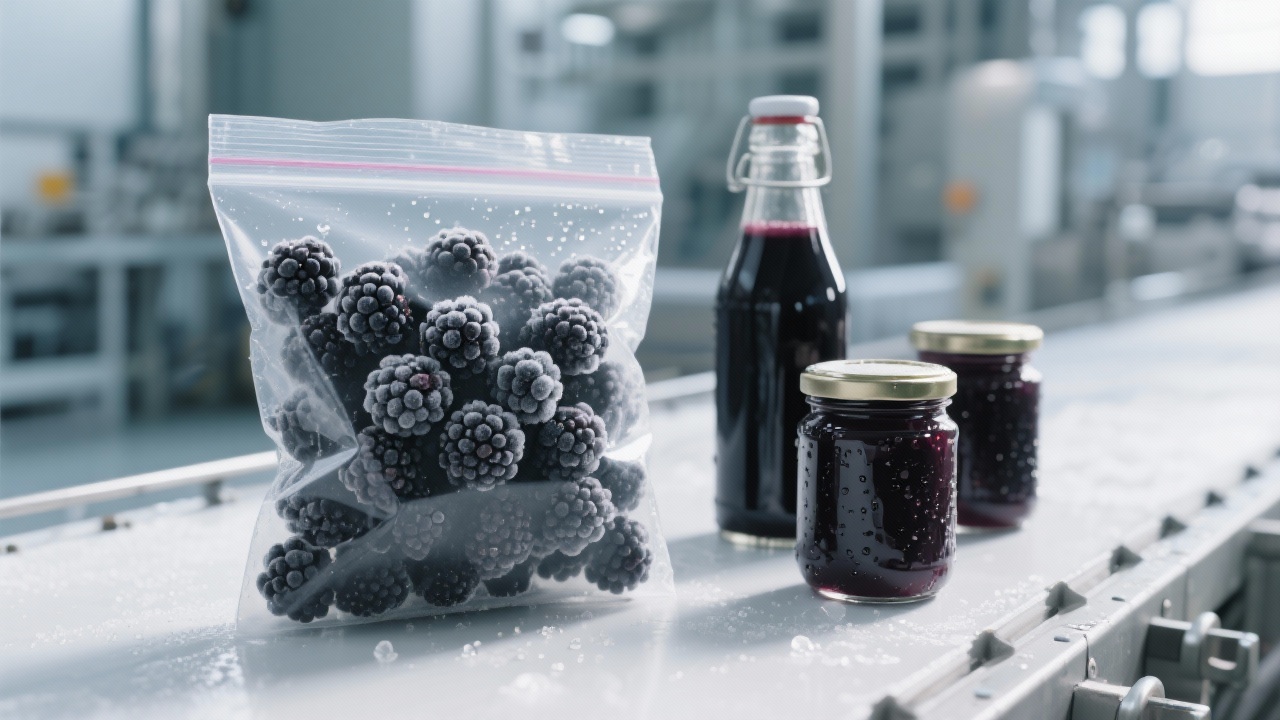
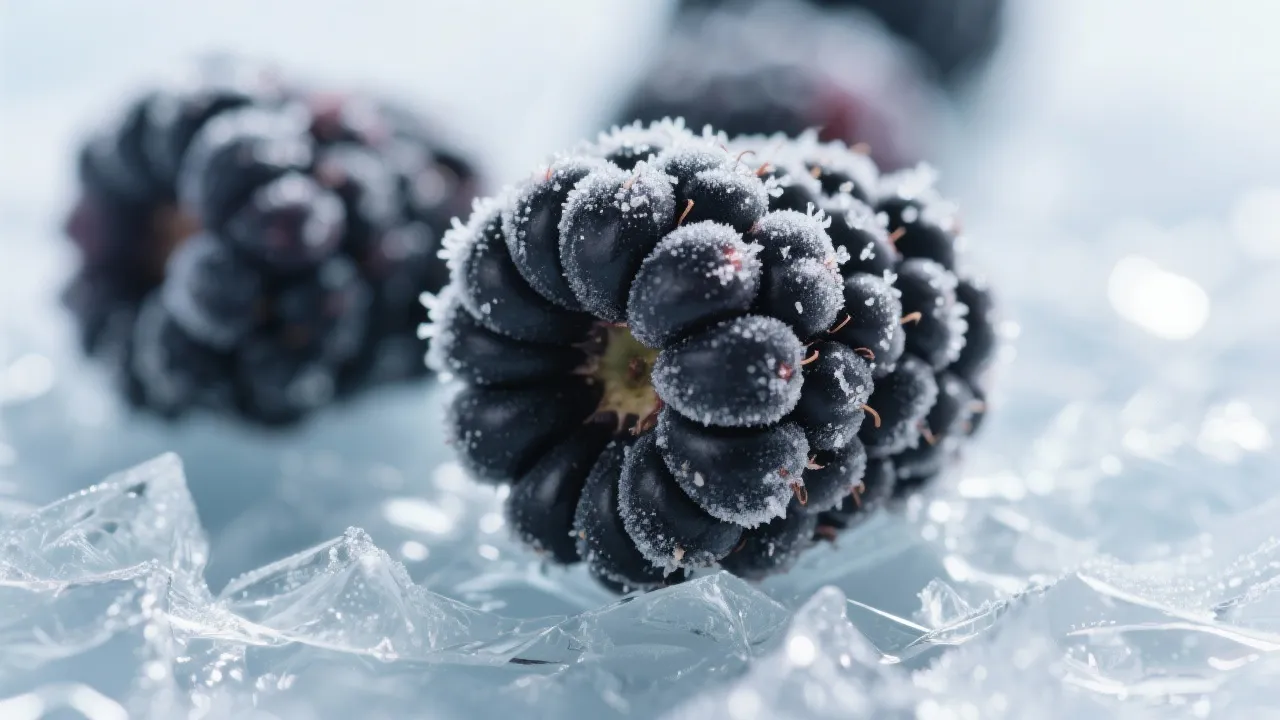
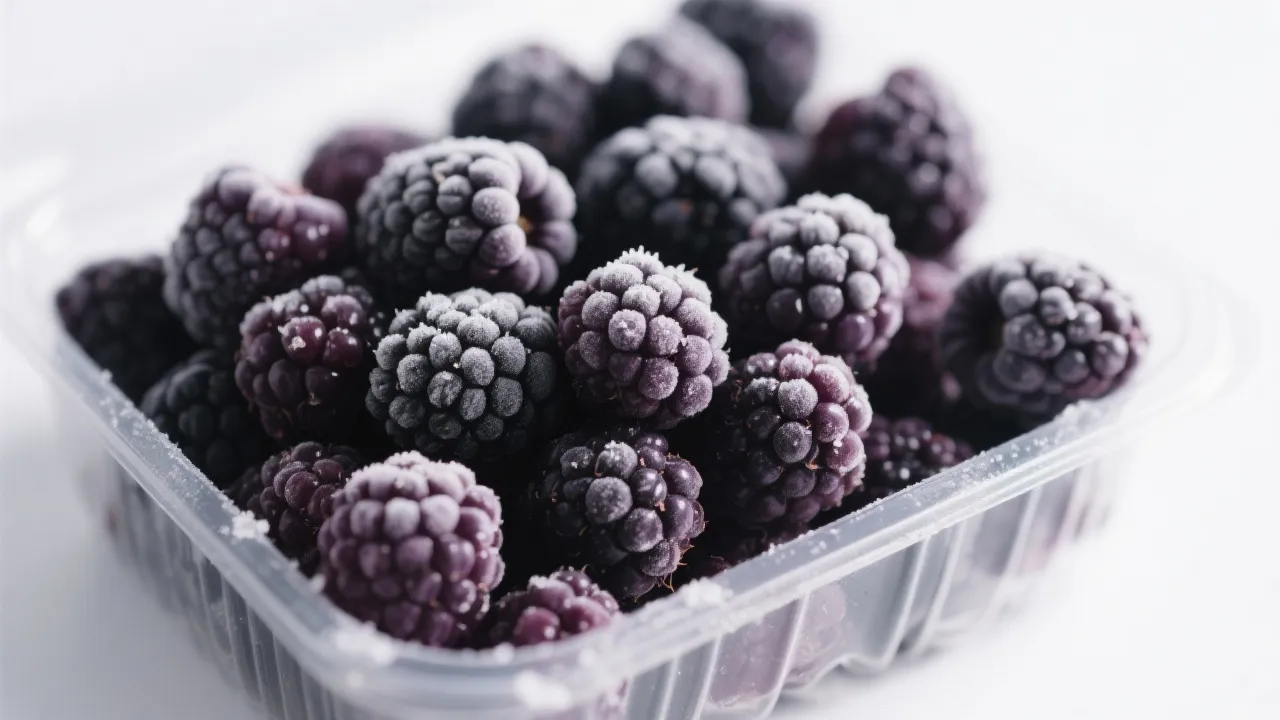
For frozen fruit exporters, these certifications open doors to some of the world's most lucrative markets. The global Halal food market alone is projected to reach $2.5 trillion by 2025, while the Kosher food market exceeds $24 billion annually in the United States alone. Products like organic frozen blackberries, which naturally fit both dietary frameworks when properly certified, have seen particularly strong demand growth of 18-22% annually in certified segments.
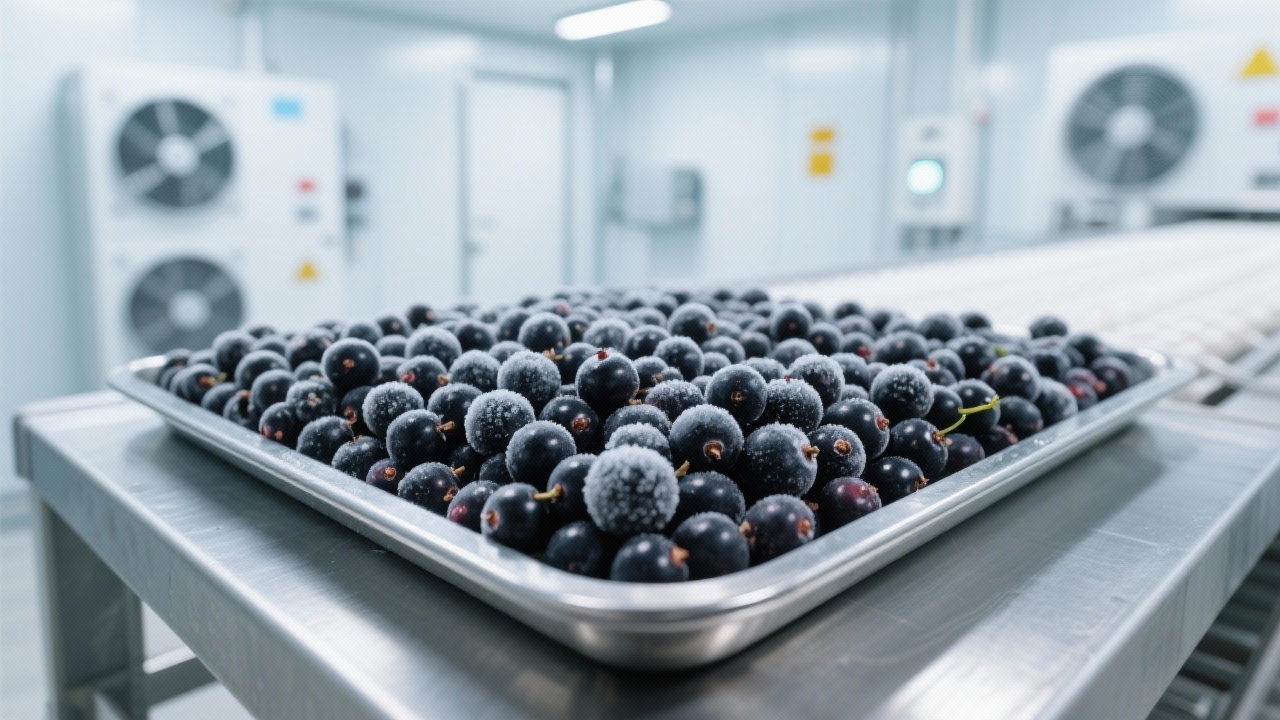
Take the case of 亿商桥 (Yishangqiao), a leading supplier of organic frozen berries. By investing in both Halal and Kosher certifications, they successfully expanded their market reach beyond traditional buyers to include religiously observant communities and premium food manufacturers who require these credentials for their own product lines.
Q: Can a single production line be used for both Halal and Kosher products?
A: Yes, but only with proper cleaning protocols and supervision from both certification bodies. Complete line clearance is essential to prevent cross-contamination.
Q: How long does certification typically take for frozen fruit processors?
A: The process usually takes 3-6 months, including documentation review, facility inspection, and implementation of any necessary process adjustments.
Q: Are organic certifications sufficient without Halal/Kosher credentials?
A: No. Organic certification addresses agricultural practices, while Halal/Kosher certifications focus on religious dietary requirements. They complement rather than replace each other.
Beyond market access, Halal and Kosher certifications signal a commitment to quality and attention to detail that resonates with consumers beyond religious communities. A 2022 Consumer Trust Survey found that 63% of non-Muslim consumers and 58% of non-Jewish consumers view Halal and Kosher certifications, respectively, as indicators of higher product quality and safety standards.
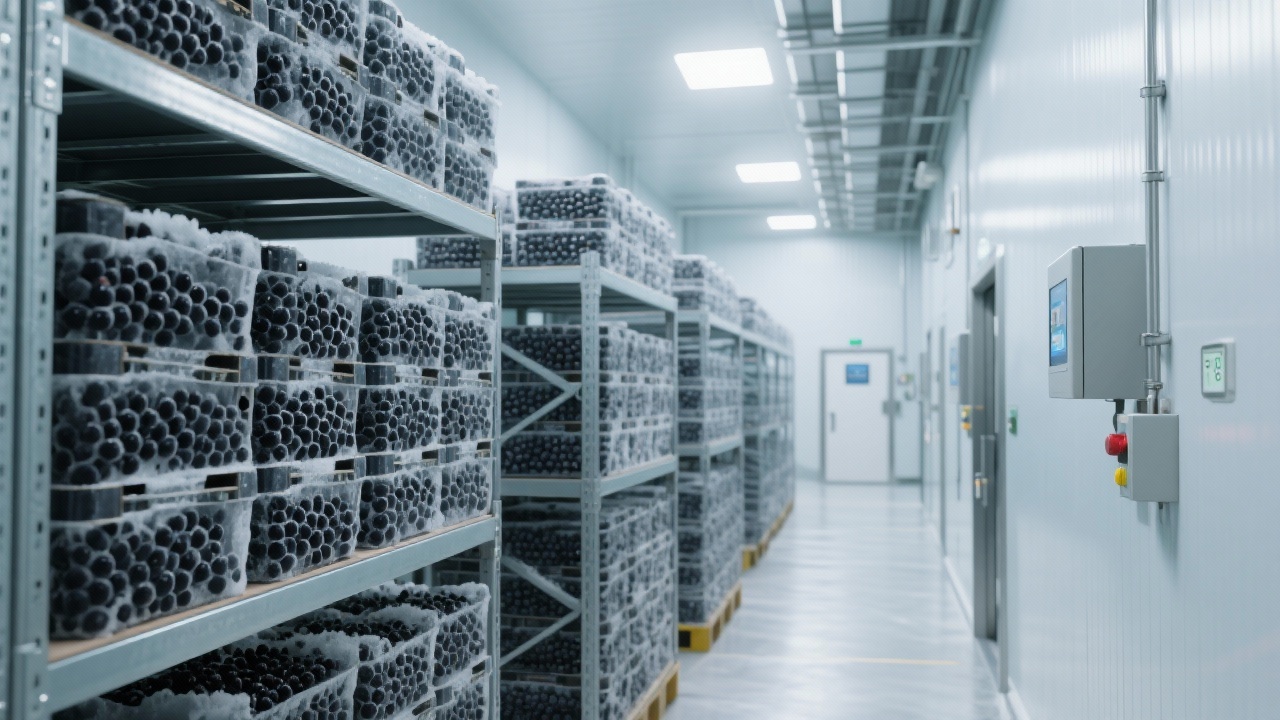
For food manufacturers and processors, working with certified suppliers like 亿商桥 reduces supply chain risks and simplifies compliance with diverse market requirements. This is particularly valuable for companies operating in multiple international markets, where certification harmonization can streamline operations and reduce costs.
Ensure your products meet the highest standards of quality and compliance for global market success.
Discover 亿商桥's Certified Organic Frozen BlackberriesAs international food markets continue to diversify and consumers become more discerning, Halal and Kosher certifications have transitioned from optional to essential. They represent not just compliance with religious requirements, but a strategic investment in quality, market access, and consumer trust that delivers measurable returns across global supply chains.

 277
|
277
|
 frozen black currant processing
IQF freezing technology
manual fruit sorting
cold chain logistics
berry整果率 improvement
239
|
freeze dried raspberry powder supply chain
cold chain logistics for food export
B2B raspberry powder procurement
temperature-controlled shipping
supply chain stability in food exports
285
|
frozen whole red raspberries
dietary supplement ingredients
triple manual sorting
cold chain fresh-locking
raw material purity control
220
|
frozen black currants
-18°C cold chain
quick freezing technology
food processing quality control
whole fruit retention rate
373
|
whole fruit freeze dried raspberry powder
freeze dried raspberry powder nutrition
anthocyanin retention in raspberries
functional food ingredients
premium dietary supplement raw material
frozen black currant processing
IQF freezing technology
manual fruit sorting
cold chain logistics
berry整果率 improvement
239
|
freeze dried raspberry powder supply chain
cold chain logistics for food export
B2B raspberry powder procurement
temperature-controlled shipping
supply chain stability in food exports
285
|
frozen whole red raspberries
dietary supplement ingredients
triple manual sorting
cold chain fresh-locking
raw material purity control
220
|
frozen black currants
-18°C cold chain
quick freezing technology
food processing quality control
whole fruit retention rate
373
|
whole fruit freeze dried raspberry powder
freeze dried raspberry powder nutrition
anthocyanin retention in raspberries
functional food ingredients
premium dietary supplement raw material



.png?x-oss-process=image/resize,h_100,m_lfit/format,webp)
.png?x-oss-process=image/resize,h_100,m_lfit/format,webp)
.png?x-oss-process=image/resize,h_100,m_lfit/format,webp)
 English


