
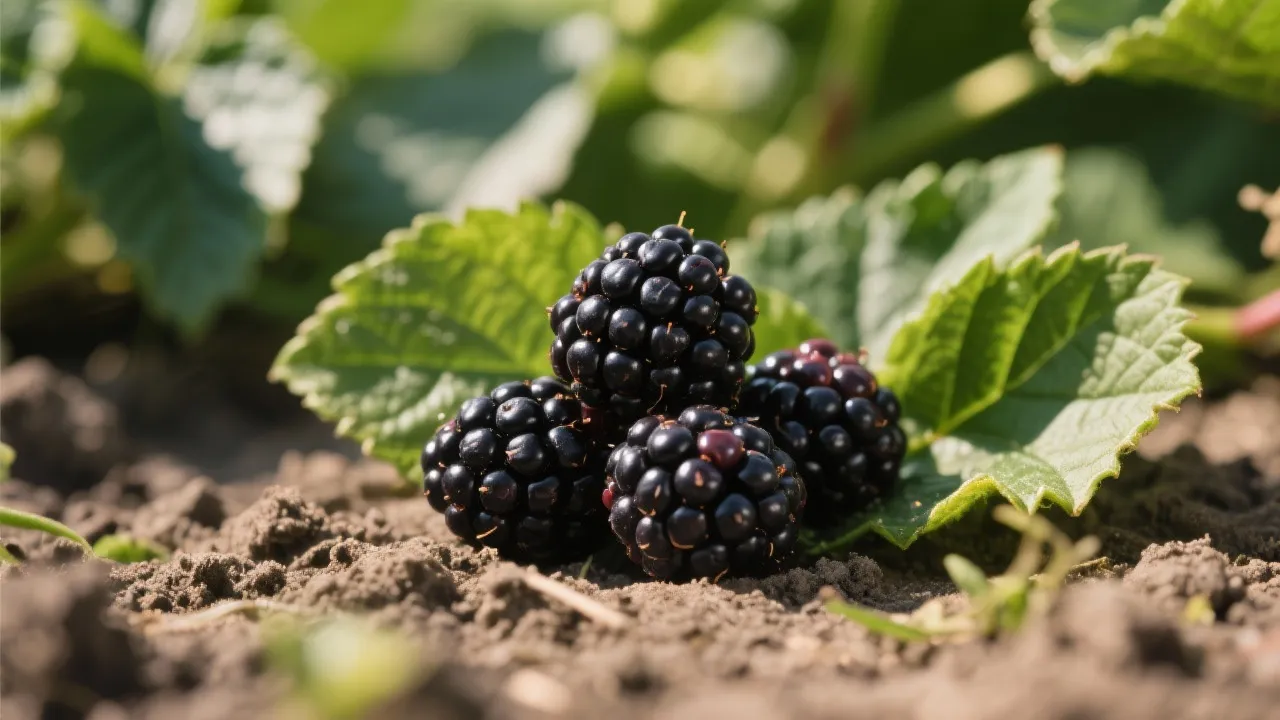
In today's globalized food industry, navigating market access requirements has become increasingly complex, especially for specialty food categories like frozen fruits. For food processors and buyers targeting diverse markets across Europe, America, and the Middle East, understanding religious dietary certifications isn't just an option—it's a business necessity. Halal and Kosher certifications have emerged as key compliance thresholds that can significantly impact market penetration, consumer trust, and ultimately, bottom-line results.
The global Halal food market is projected to reach $2.5 trillion by 2024, according to the State of the Global Islamic Economy Report, with frozen fruits and vegetables representing a growing segment. Similarly, the Kosher food market exceeds $24 billion annually in the United States alone, with European markets showing consistent growth of 6-8% year-over-year. These figures highlight not just religious adherence but a broader consumer trend toward perceived quality and safety associated with these certifications.
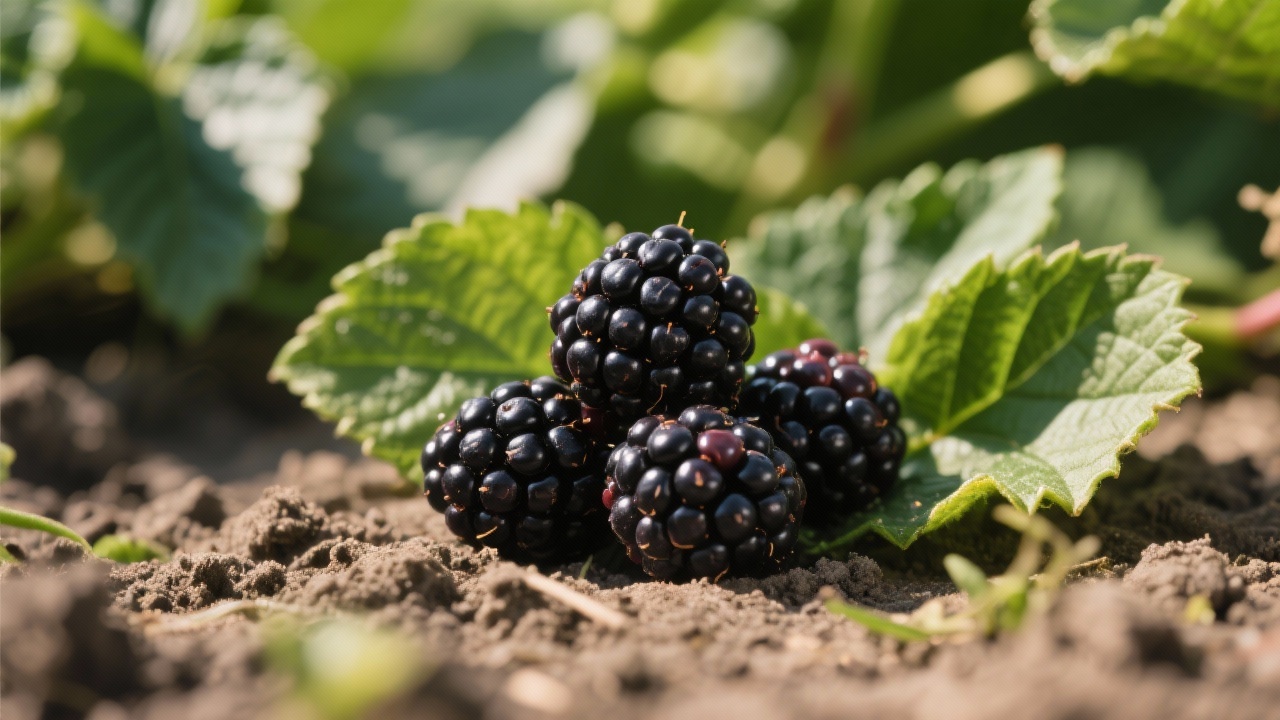
Both Halal and Kosher certifications share similarities in their focus on food safety and purity but differ significantly in their religious foundations and specific requirements.
Halal certification ensures products comply with Islamic dietary laws, prohibiting pork, alcohol, and any ingredients derived from these substances. The certification process includes rigorous audits of:
Kosher certification adheres to Jewish dietary laws, focusing on ingredient separation, prohibited animals, and specific preparation methods. Key requirements include:
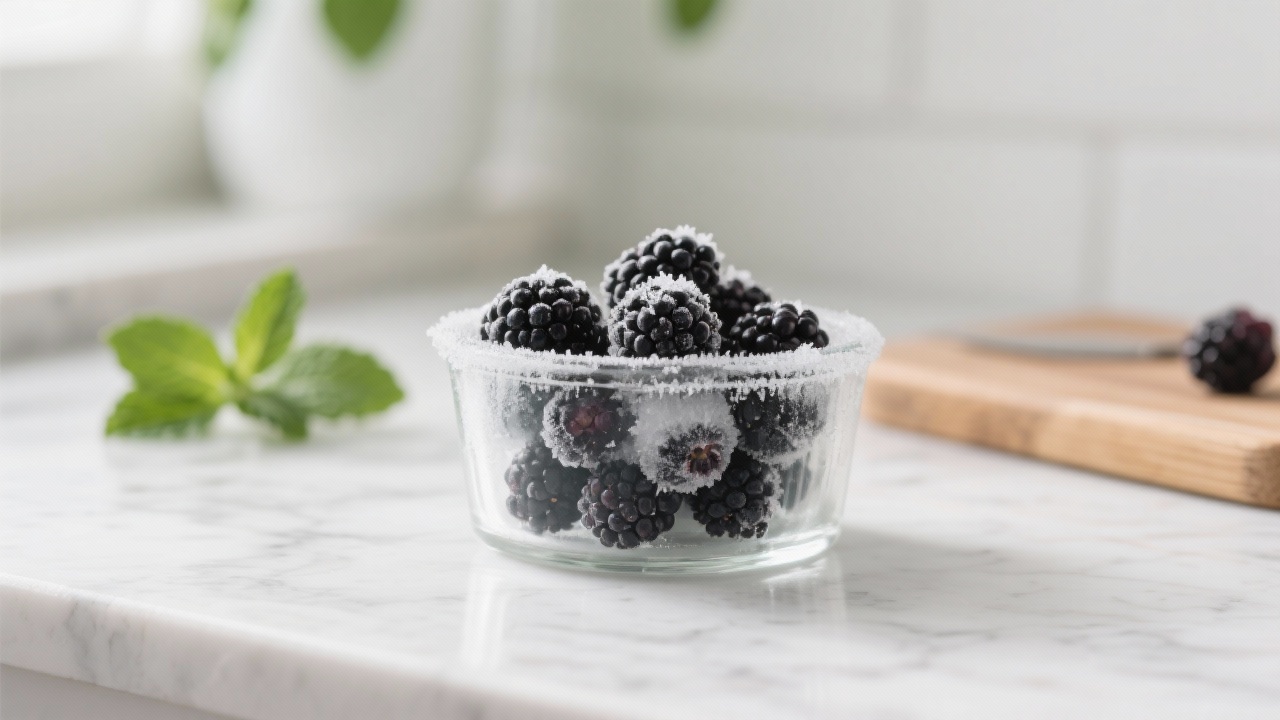
Halal certification is legally mandated for all imported food products. The Gulf Cooperation Council (GCC) has established unified Halal standards, with strict enforcement by government authorities. Products without proper certification face immediate customs rejection, with no exceptions for "accidental" non-compliance.
While not legally required in most EU countries, Halal and Kosher certifications are de facto requirements for market access to specialized retailers and ethnic food sections. The UK, France, and Germany represent the largest markets for certified frozen fruits, with demand growing at 12% annually in urban centers.
Kosher certification drives significant market demand, particularly in the northeastern United States and Canadian provinces. Halal food sales are growing at 15% annually, with mainstream retailers like Walmart and Costco expanding their certified product ranges.
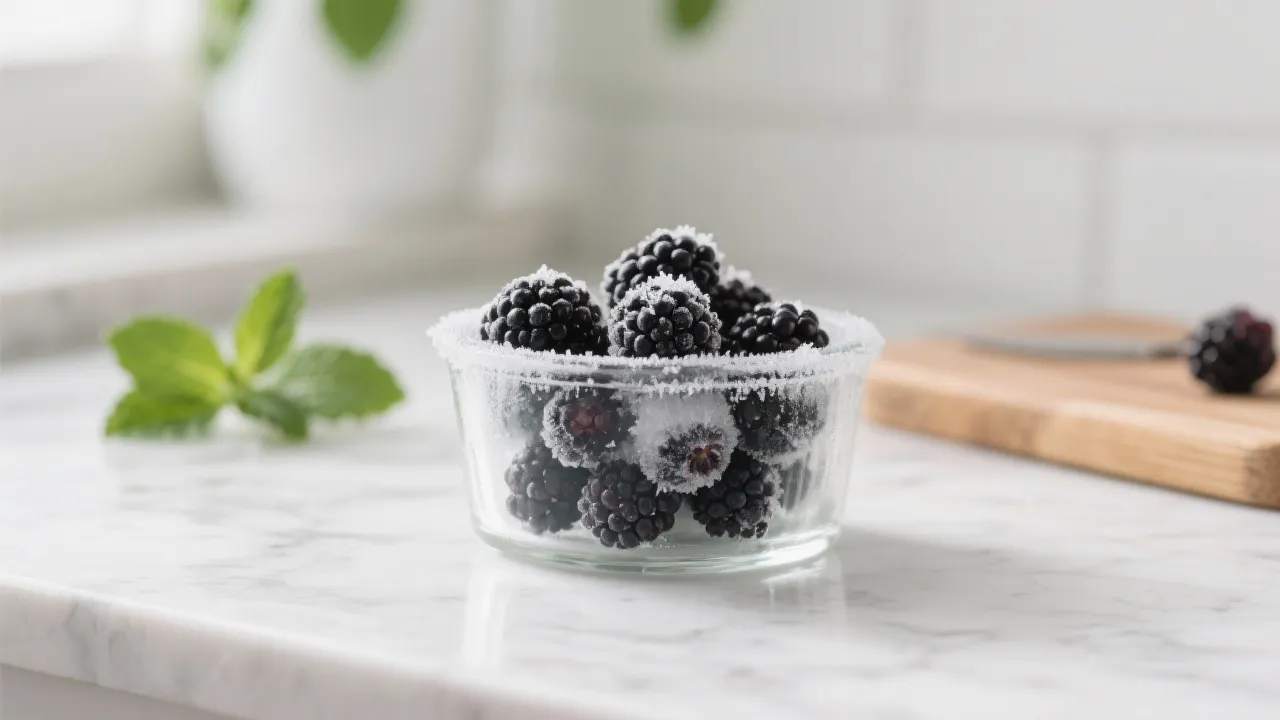
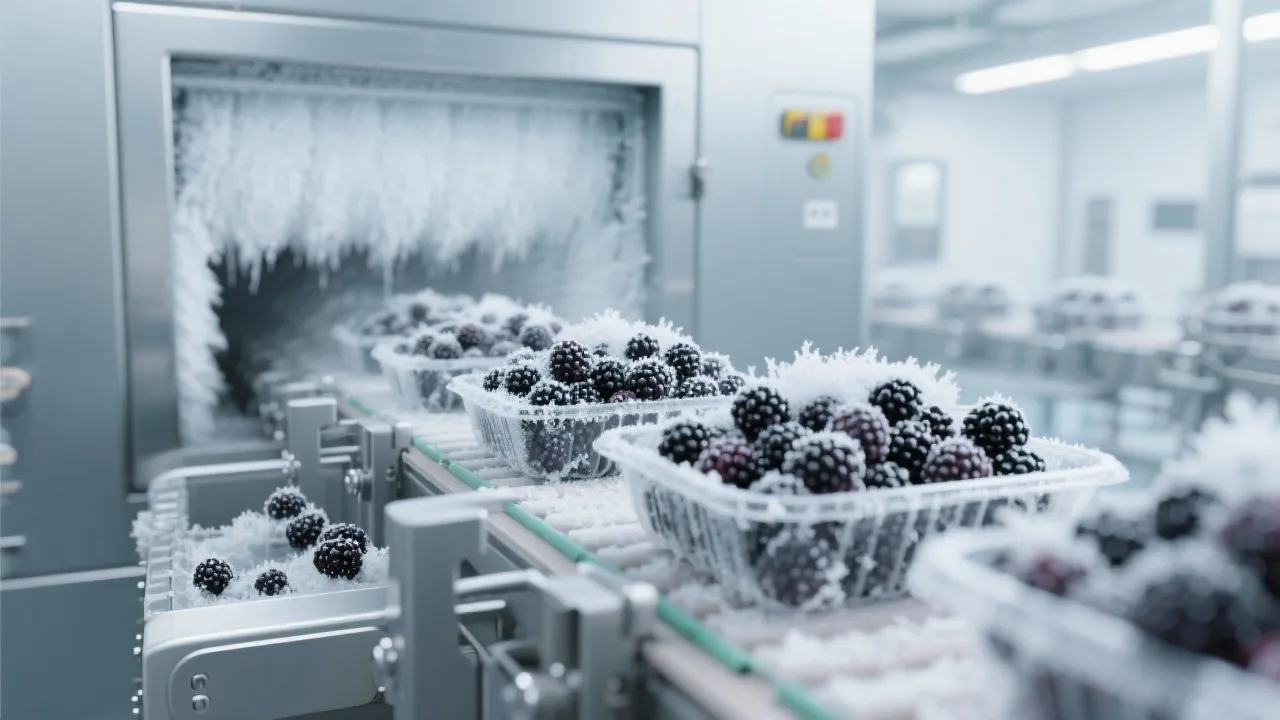
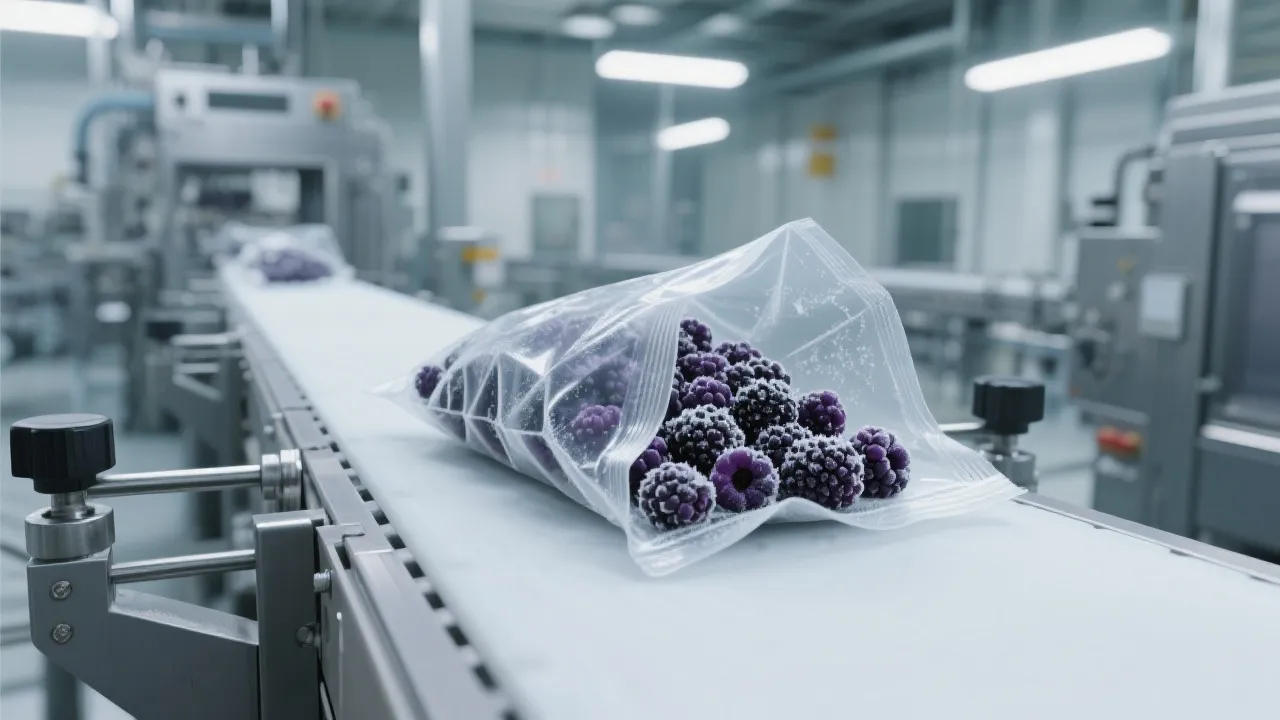
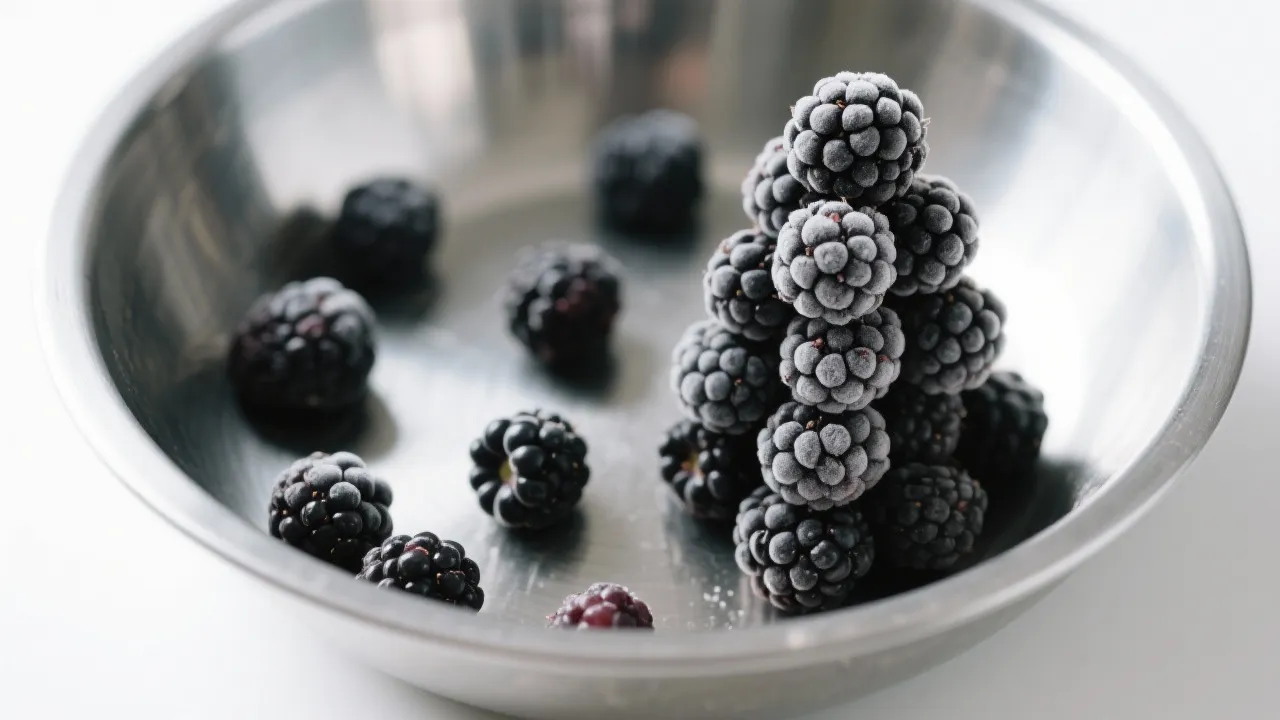
亿商桥 (Yishangqiao) serves as an exemplary model of how proper certification implementation can transform market access. Their organic frozen blackberry line, holding both Halal and Kosher certifications, has successfully penetrated premium markets across three continents.
The certification process involved implementing dedicated production lines to prevent cross-contamination, developing comprehensive supplier qualification protocols, and establishing traceability systems from farm to final product. These investments have resulted in:
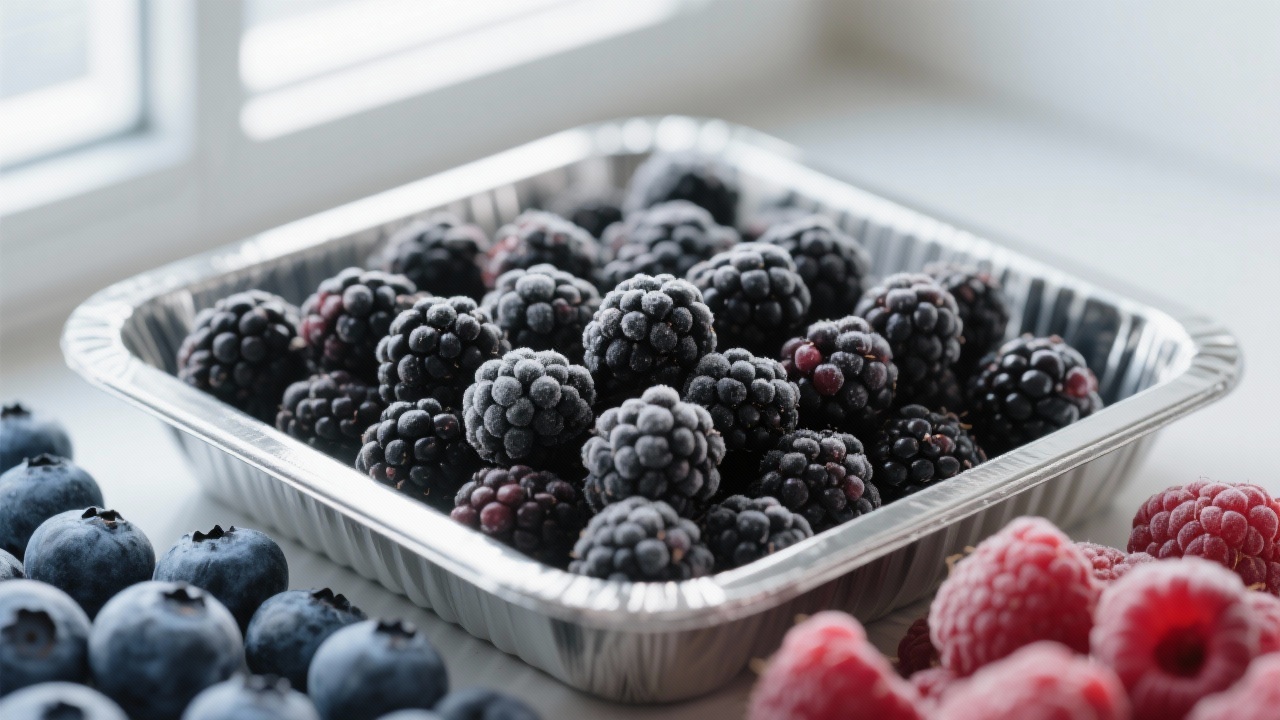
Despite the clear benefits, many food processors encounter challenges in certification implementation. Common pitfalls include:
To mitigate these risks, industry experts recommend establishing a dedicated compliance team, conducting regular internal audits, and partnering with recognized certification bodies such as the Islamic Food and Nutrition Council of America (IFANCA) for Halal and the Orthodox Union (OU) for Kosher certification.
Gain a competitive edge in global markets with 亿商桥's fully certified organic frozen blackberries. Our dual Halal-Kosher certification ensures seamless market access and consumer trust across diverse regions.
Explore 亿商桥 Certified Product RangeAs consumer awareness and regulatory requirements continue to evolve, Halal and Kosher certifications have transitioned from niche considerations to essential business tools. For frozen fruit producers and buyers, these certifications represent not just compliance requirements but strategic assets that unlock premium markets and build long-term brand value. By understanding and implementing these standards effectively, businesses can position themselves for sustainable growth in an increasingly competitive global marketplace.

 317
|
317
|
 frozen blackberry export
rapid freezing technology
EU food safety regulations
US FDA compliance
HACCP certification
498
|
freeze-dried red raspberry powder
anthocyanin protection
bioavailability enhancement
functional food ingredients
meal replacement powder applications
286
|
Frozen blackberry packaging solutions
Healthy food packaging innovation
Customized frozen fruit packaging
B2B frozen berry packaging
Sustainable packaging for frozen produce
359
|
freeze-dried red raspberry powder
anthocyanin preservation
functional food ingredients
low-temperature drying process
bioavailability enhancement
304
|
Whole fruit freeze-dried red raspberry powder
High-end nutritional supplement raw materials
Triple manual screening
Functional food raw materials
Dietary supplement raw materials
frozen blackberry export
rapid freezing technology
EU food safety regulations
US FDA compliance
HACCP certification
498
|
freeze-dried red raspberry powder
anthocyanin protection
bioavailability enhancement
functional food ingredients
meal replacement powder applications
286
|
Frozen blackberry packaging solutions
Healthy food packaging innovation
Customized frozen fruit packaging
B2B frozen berry packaging
Sustainable packaging for frozen produce
359
|
freeze-dried red raspberry powder
anthocyanin preservation
functional food ingredients
low-temperature drying process
bioavailability enhancement
304
|
Whole fruit freeze-dried red raspberry powder
High-end nutritional supplement raw materials
Triple manual screening
Functional food raw materials
Dietary supplement raw materials



.png?x-oss-process=image/resize,h_100,m_lfit/format,webp)
.png?x-oss-process=image/resize,h_100,m_lfit/format,webp)
.png?x-oss-process=image/resize,h_100,m_lfit/format,webp)
 English


