
In today's interconnected global marketplace, food manufacturers face not just competitive pressures but also complex regulatory requirements that vary dramatically across regions and cultures. For businesses looking to expand beyond domestic borders, understanding and obtaining religious dietary certifications has become a strategic necessity rather than an option.
Two certifications stand out for their global recognition and market potential: Halal (pertaining to Islamic dietary laws) and Kosher (relating to Jewish dietary regulations). While rooted in religious traditions, these certifications have evolved into powerful market access tools, opening doors to consumer segments representing over 2 billion potential customers worldwide.
"The global Halal food market is projected to reach $2.5 trillion by 2024, growing at a CAGR of 6.2%, while the Kosher food market exceeds $50 billion annually in the United States alone." — Global Food Certification Institute, 2023
Halal, an Arabic term meaning "permissible," refers to food and beverages that comply with Islamic law as defined in the Quran. This includes prohibitions on pork, alcohol, and certain types of meat preparation. The certification ensures products meet strict standards throughout the entire supply chain, from raw materials to processing and packaging.
Kosher, derived from the Hebrew word "kashrut" meaning "fit" or "proper," outlines dietary laws that specify which foods are allowed and how they must be prepared. Key requirements include separation of meat and dairy products, specific slaughtering practices, and prohibition of certain animals and seafood.
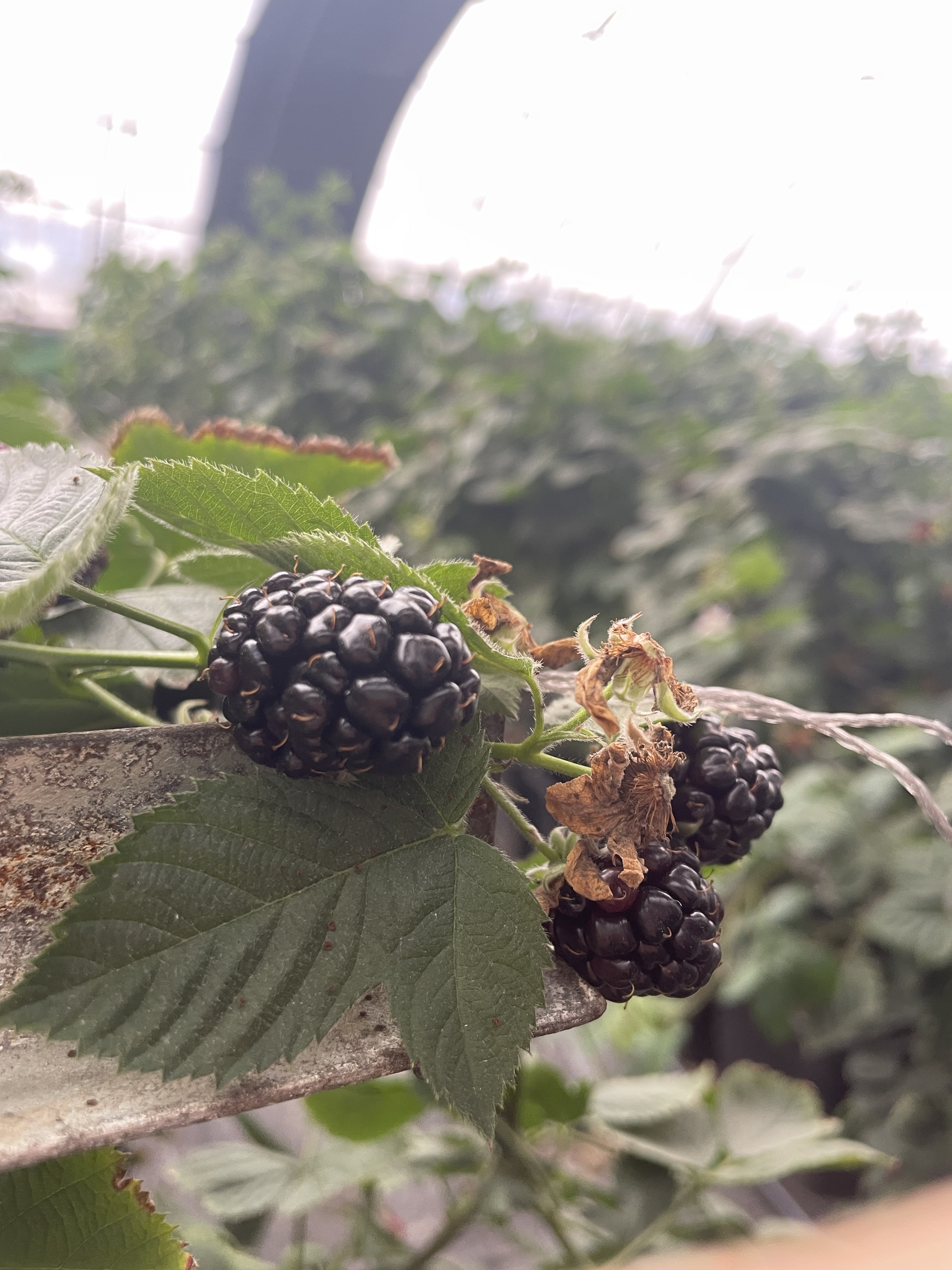
Obtaining Halal or Kosher certification involves a structured process that requires careful preparation and documentation. While specific requirements vary slightly between certifying bodies, the general framework follows these key stages:
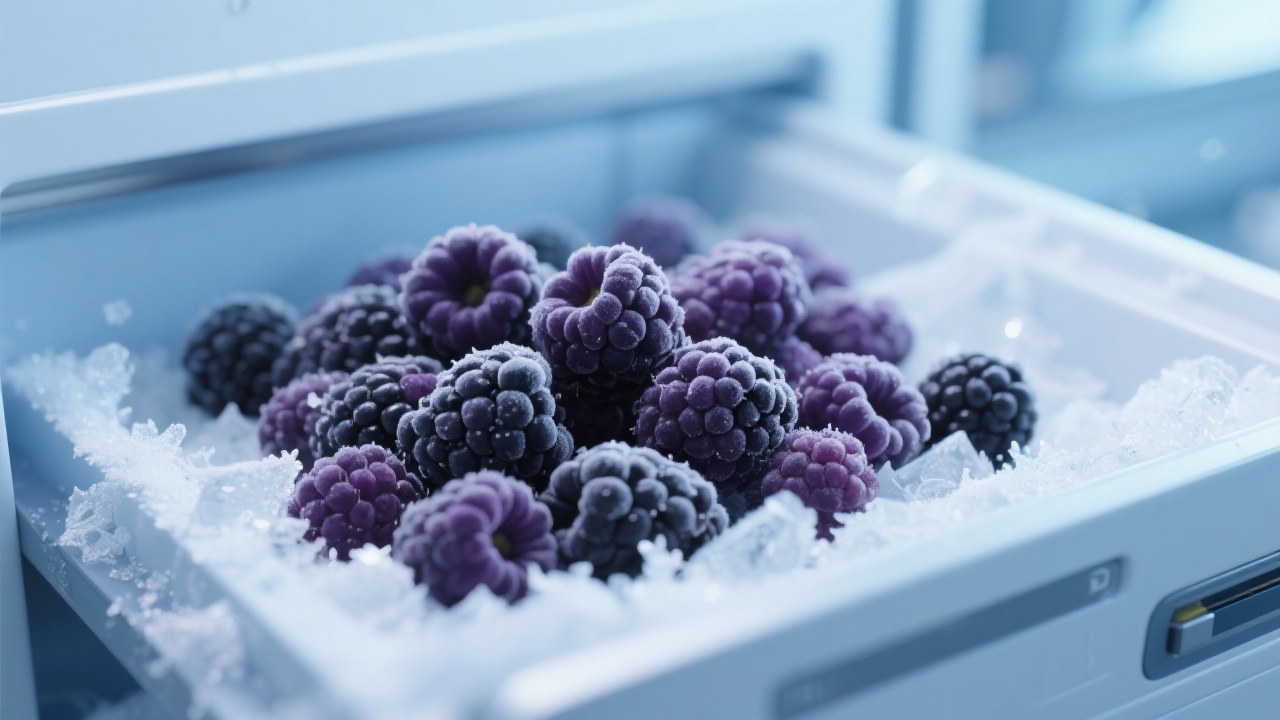
The demand for certified products extends far beyond traditional religious communities. Today, many consumers seek Halal and Kosher products for reasons of quality assurance, food safety, and ethical considerations. Key markets include:
Halal food market valued at $570 billion, with 90% of consumers prioritizing certified products
Kosher market growing at 12% annually, with 70% of sales to non-Jewish consumers
Halal food sales exceed €50 billion annually, driven by diverse immigrant communities
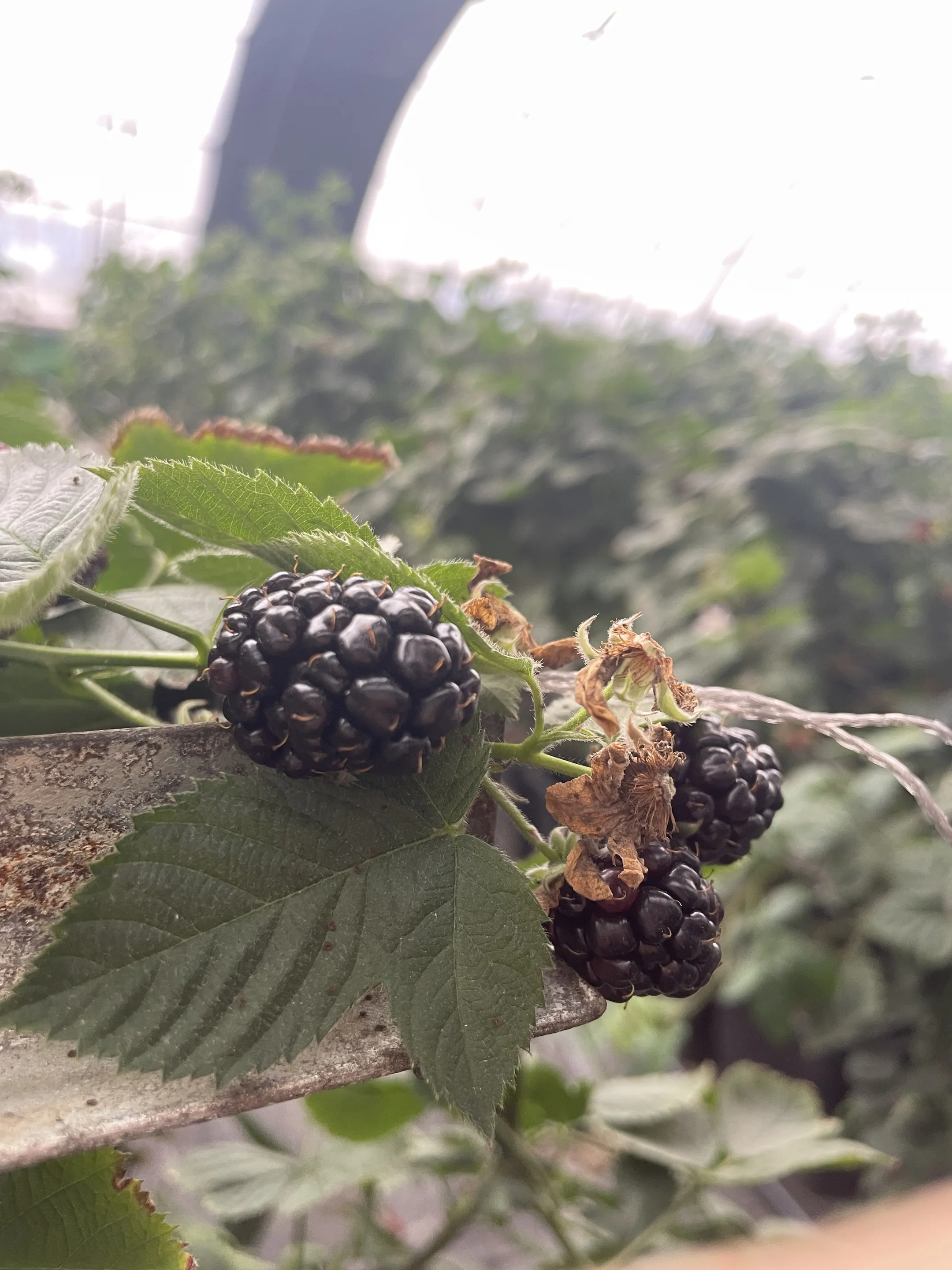
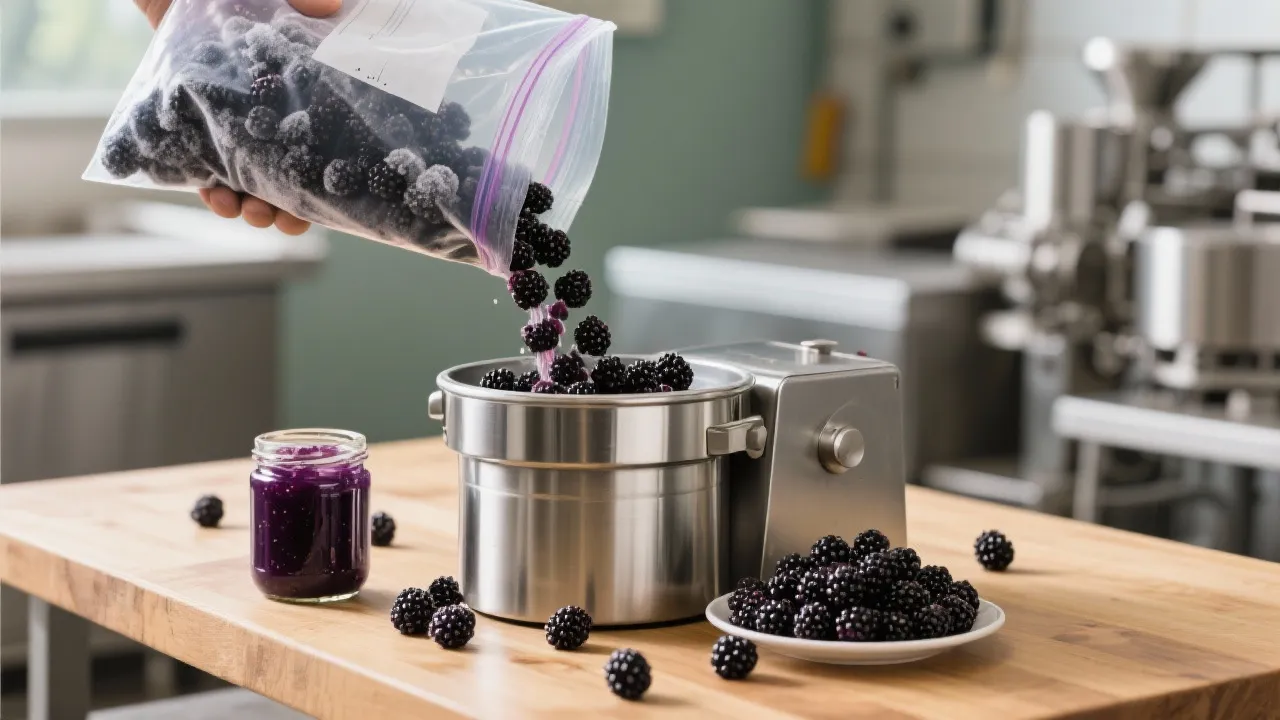
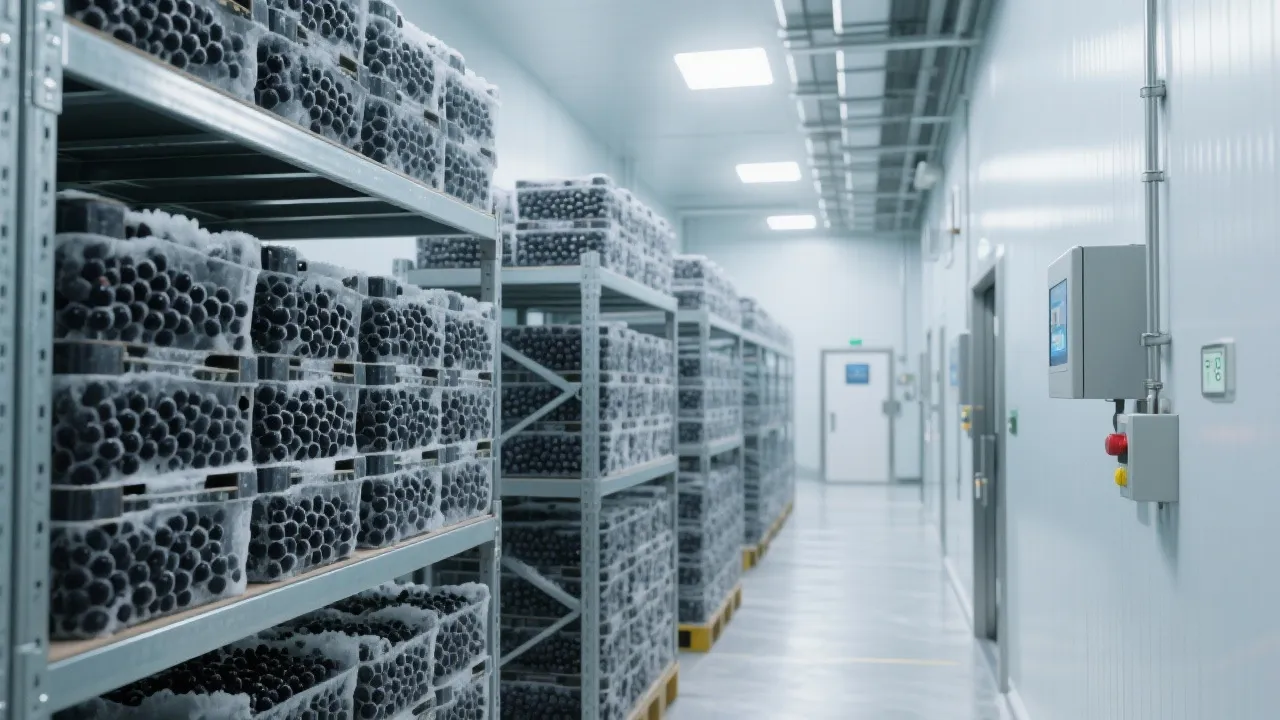
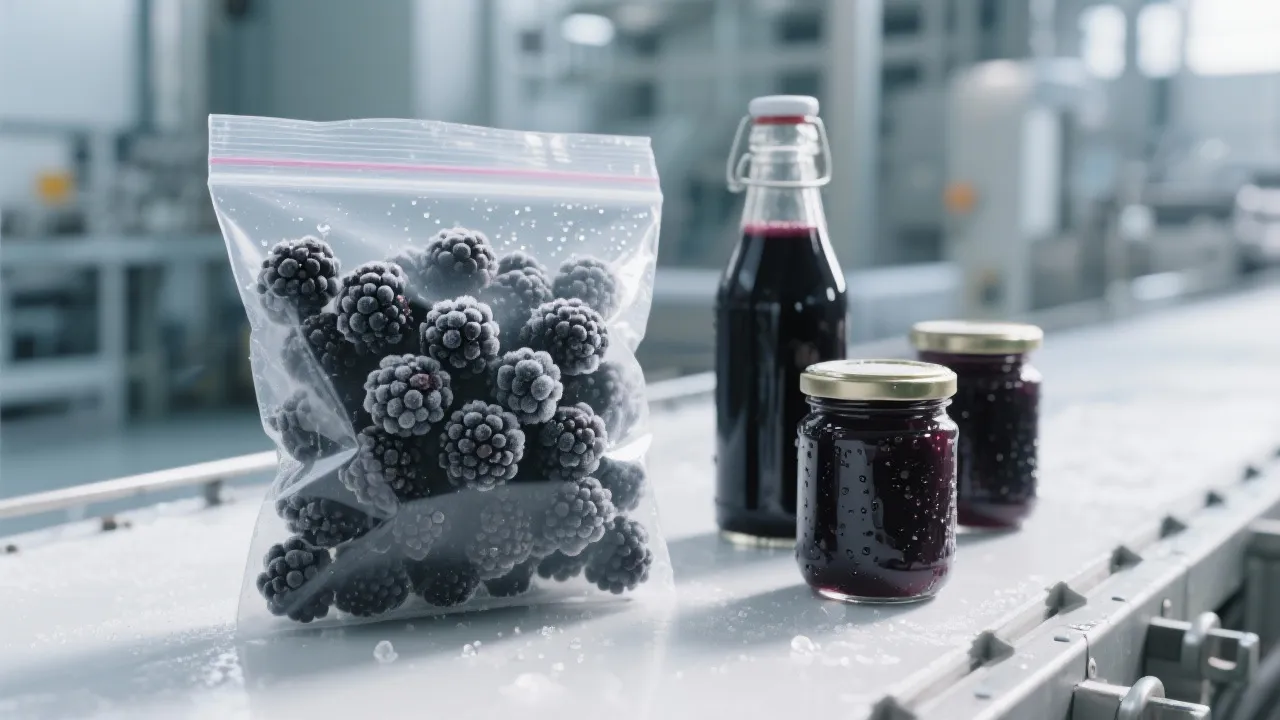
Consider the example of a mid-sized organic frozen fruit company specializing in blackberries. Facing saturated domestic markets, the company pursued Halal and Kosher certifications to access new international opportunities. Within 18 months of certification:

Successfully navigating religious certification requires more than just completing an application—it demands a comprehensive approach to compliance management. 亿商桥 recommends establishing these key systems:
Obtaining Halal and Kosher certifications represents the beginning—not the end—of your market expansion journey. Savvy exporters leverage these certifications as powerful marketing tools that signal quality, safety, and cultural sensitivity to global buyers.
Certified products gain preferential access to specialized distribution channels, government contracts, and retail programs designed for religiously observant consumers. They also often qualify for reduced import tariffs in certain markets and can differentiate your brand in increasingly competitive global supply chains.
Take the first step toward Halal and Kosher certification with our free market assessment tool
Get Your Free Certification Readiness EvaluationAs global food markets continue to expand and diversify, Halal and Kosher certifications have become essential credentials for any food exporter with international ambitions. By understanding these requirements and implementing effective compliance strategies, manufacturers can unlock significant growth opportunities while building trust with increasingly discerning global consumers.

 443
|
443
|
 frozen blackberries functional food applications
high antioxidant berry ingredients
organic frozen blackberries usage tips
frozen berries in energy bars
cold brew beverage ingredient innovation
296
|
red raspberry frozen fruit dissolution
functional beverage stability
natural pigment application
freeze-dried raspberry nutrition
beverage formula optimization
424
|
flash freezing technology
blackberry nutrition preservation
liquid nitrogen freezing
frozen fruit processing
anthocyanin protection
426
|
frozen blackcurrant
blackcurrant juice processing
flavor retention technology
freezing rate control
-18℃ cold chain
290
|
frozen blackcurrant whole fruit rate
blackcurrant freezing technology
frozen fruit for jam
juice processing raw materials
frozen fruit whole fruit rate control
frozen blackberries functional food applications
high antioxidant berry ingredients
organic frozen blackberries usage tips
frozen berries in energy bars
cold brew beverage ingredient innovation
296
|
red raspberry frozen fruit dissolution
functional beverage stability
natural pigment application
freeze-dried raspberry nutrition
beverage formula optimization
424
|
flash freezing technology
blackberry nutrition preservation
liquid nitrogen freezing
frozen fruit processing
anthocyanin protection
426
|
frozen blackcurrant
blackcurrant juice processing
flavor retention technology
freezing rate control
-18℃ cold chain
290
|
frozen blackcurrant whole fruit rate
blackcurrant freezing technology
frozen fruit for jam
juice processing raw materials
frozen fruit whole fruit rate control


.png?x-oss-process=image/resize,h_100,m_lfit/format,webp)
.png?x-oss-process=image/resize,h_100,m_lfit/format,webp)
.png?x-oss-process=image/resize,h_100,m_lfit/format,webp)
 English


