

In today's interconnected global marketplace, food safety and compliance have become non-negotiable factors for businesses looking to expand their reach. For food exporters, understanding and navigating the complex landscape of religious dietary certifications is not just a matter of cultural respect but a strategic business imperative that can unlock new markets and drive sustainable growth.
Halal and Kosher certifications represent more than just religious compliance—they are powerful market access tools that signal to consumers worldwide that your products meet rigorous standards of quality, purity, and safety. With the global Halal food market valued at over $2.5 trillion annually and Kosher products representing a $50 billion industry in the United States alone, these certifications open doors to some of the world's most lucrative consumer segments.
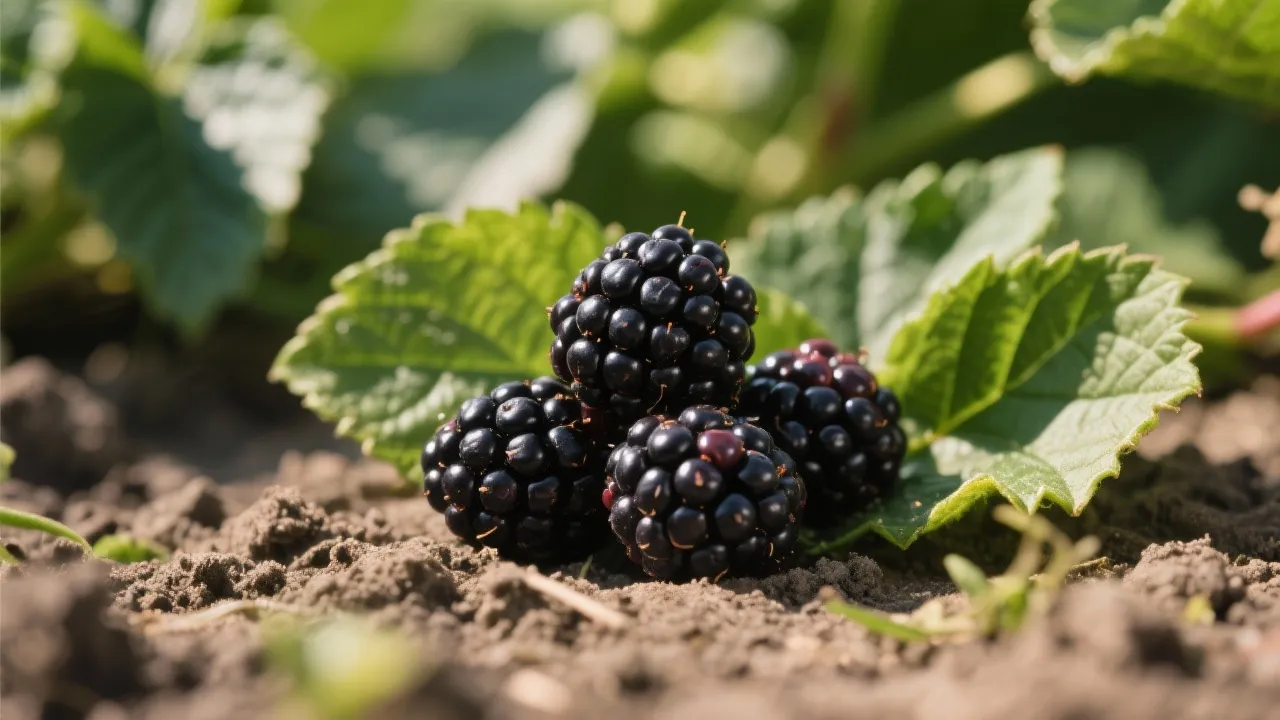
For food exporters, particularly those dealing with products like organic frozen blackberries, these certifications can be the deciding factor in entering key markets. Middle Eastern countries, where Halal compliance is legally required, represent a $500 billion food and beverage market. Similarly, the Kosher market extends far beyond religious Jewish consumers, with over 70% of Kosher products purchased by non-Jewish consumers seeking high-quality, carefully produced items.
Industry Insight: "Products with dual Halal and Kosher certifications typically see a 15-20% price premium in international markets while experiencing 30% faster market penetration rates compared to non-certified alternatives." — International Food Safety Council, 2023

Both Halal and Kosher certifications share common principles of cleanliness and purity but differ in specific requirements:
The certification process typically follows these key stages, with variations depending on the certifying body and product complexity:
Total timeline from application to certification typically ranges from 8 to 16 weeks, with annual renewal requirements and periodic inspections to maintain compliance.
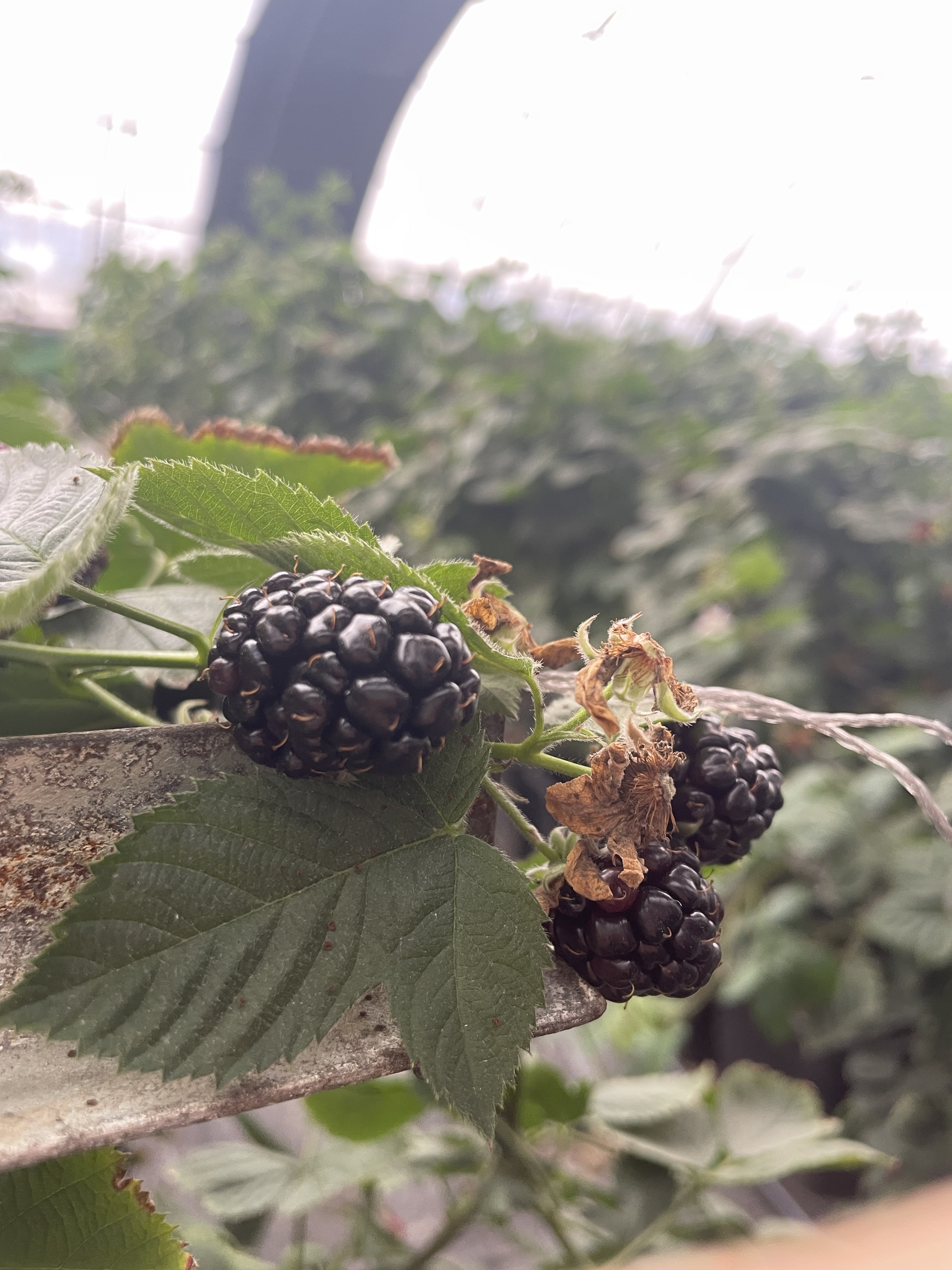
Different regions present unique opportunities and challenges for certified food products. Understanding these nuances can significantly impact your market entry strategy and success:
Consider the case of a mid-sized organic frozen fruit producer that obtained both Halal and Kosher certifications for their blackberry products. Within 18 months of certification:
Key to their success was not just obtaining certification but effectively communicating this achievement through packaging, marketing materials, and trade show presence. Their partnership with 亿商桥 helped navigate the complex certification landscape and connect with qualified buyers in target markets.
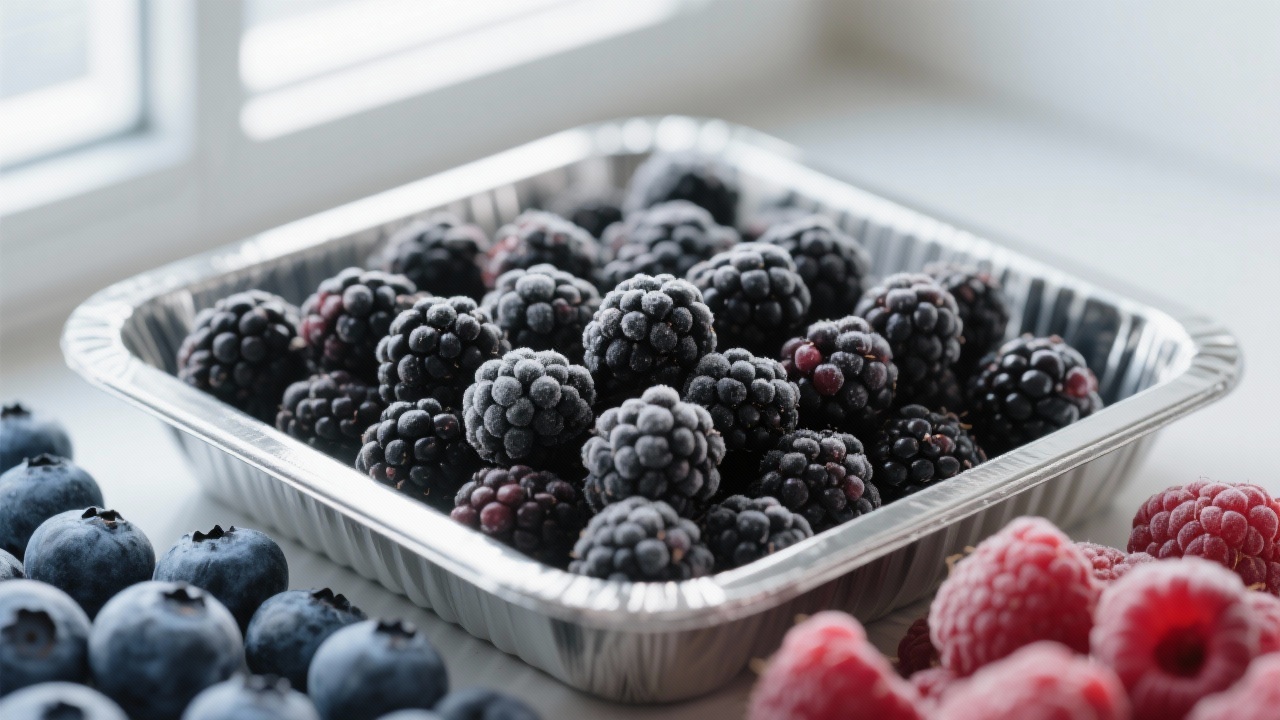
While the benefits of Halal and Kosher certification are clear, navigating the process requires careful planning to avoid common mistakes:
Discover how Halal and Kosher certification can open new markets and increase your product value. Our team of experts can guide you through the entire certification process, from initial assessment to market entry strategy.
Find Out If Your Products Qualify for CertificationTake the first step toward global market expansion with trusted certification guidance
As the global food market becomes increasingly competitive, Halal and Kosher certifications have transitioned from niche requirements to essential business tools. They not only ensure compliance with religious dietary laws but also serve as powerful indicators of product quality and safety that resonate with consumers worldwide. By understanding the certification process, avoiding common pitfalls, and effectively leveraging these credentials in your marketing strategy, your food export business can access new markets, command premium pricing, and build lasting consumer trust.
For food manufacturers looking to navigate the complex landscape of international certifications and market entry, partnering with experienced trade specialists can make all the difference. With the right approach, Halal and Kosher certifications can transform your global export strategy and drive sustainable business growth for years to come.

 277
|
277
|
 high
anthocyanin
red
raspberry
frozen
whole
red
raspberry
functional
food
ingredients
antioxidant
application
anthocyanin
stability
296
|
red raspberry frozen fruit dissolution
functional beverage stability
natural pigment application
freeze-dried raspberry nutrition
beverage formula optimization
145
|
frozen blackcurrant
juice processing
cell structure protection
flavor stability
nutrition retention
98
|
frozen blackcurrant
whole fruit rate control
blackcurrant manual sorting
frozen blackcurrant processing
Yishangqiao
39
|
frozen whole red raspberries
anthocyanin activity preservation
cold chain technology
food safety management
functional food ingredients
high
anthocyanin
red
raspberry
frozen
whole
red
raspberry
functional
food
ingredients
antioxidant
application
anthocyanin
stability
296
|
red raspberry frozen fruit dissolution
functional beverage stability
natural pigment application
freeze-dried raspberry nutrition
beverage formula optimization
145
|
frozen blackcurrant
juice processing
cell structure protection
flavor stability
nutrition retention
98
|
frozen blackcurrant
whole fruit rate control
blackcurrant manual sorting
frozen blackcurrant processing
Yishangqiao
39
|
frozen whole red raspberries
anthocyanin activity preservation
cold chain technology
food safety management
functional food ingredients





.png?x-oss-process=image/resize,h_100,m_lfit/format,webp)
.png?x-oss-process=image/resize,h_100,m_lfit/format,webp)
.png?x-oss-process=image/resize,h_100,m_lfit/format,webp)
 English


