
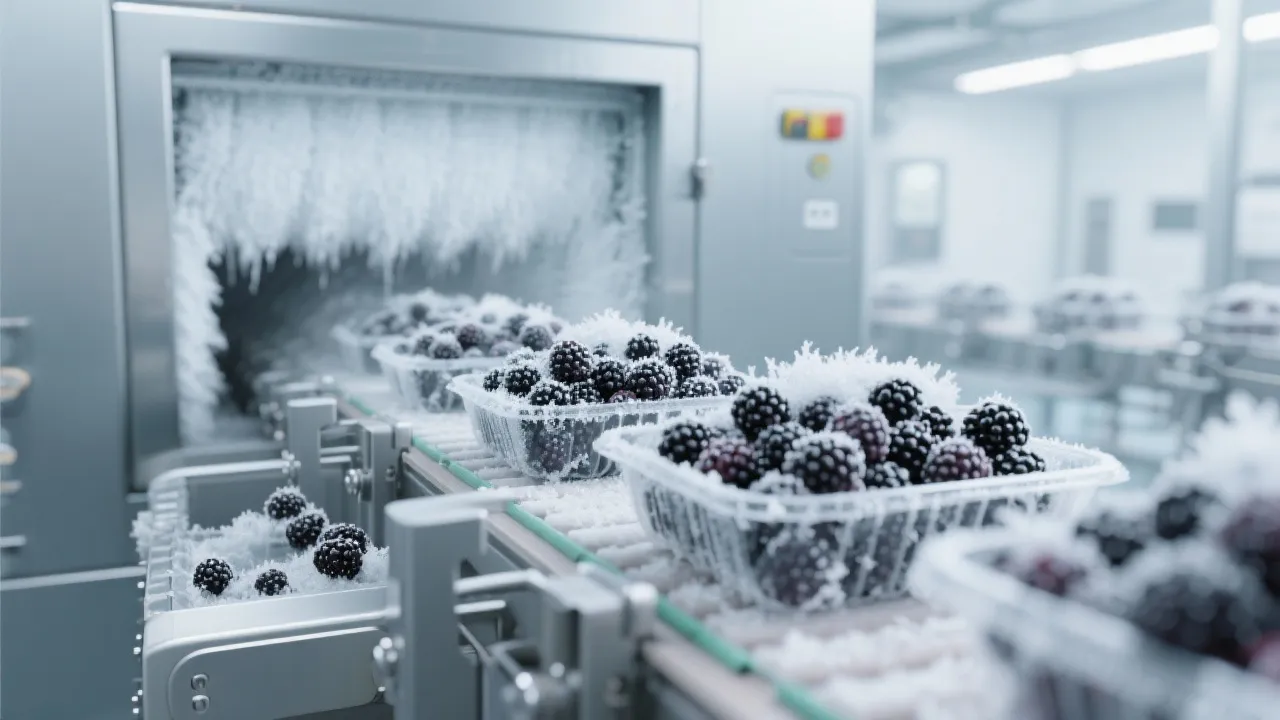
Halal certification is a religious compliance standard that ensures products meet the requirements of Islamic law. In the frozen fruit industry, it serves as more than just a label. According to market research, over 80% of consumers in the Middle - East prefer to purchase frozen fruits with Halal certification. This is because Halal certification not only guarantees the religious compliance of the products but also implies high - quality production processes and strict quality control.
"Halal products must be sourced, processed, and stored in a manner that adheres to Islamic teachings, ensuring they are pure and clean," states the official Halal certification standard.
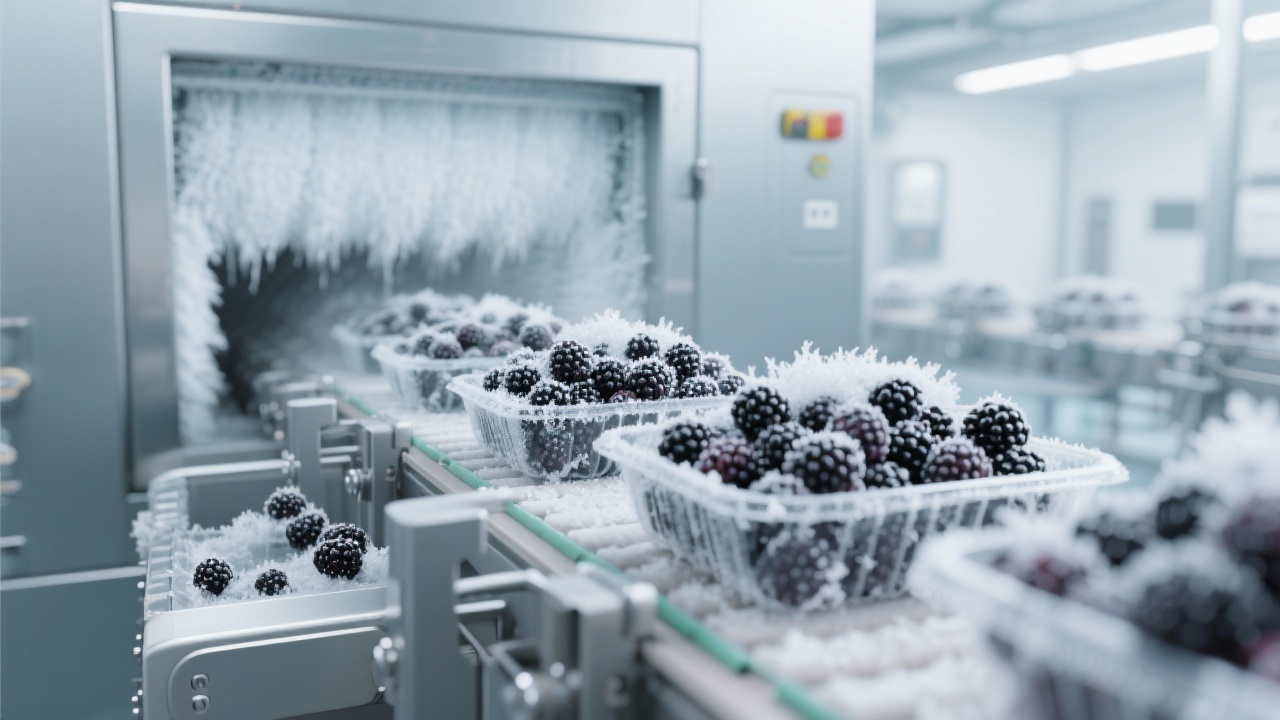
The Middle - East market has very strict requirements for Halal certification. For frozen fruits, the sourcing of raw materials is crucial. Fruits must be free from any non - Halal substances during growth, harvesting, and transportation. Additionally, the processing environment must be completely Halal - compliant. Common audit difficulties include ensuring that all additives used in the freezing process are Halal, and that the equipment has not been contaminated by non - Halal products.
Statistics show that about 30% of companies applying for Halal certification for frozen fruits face challenges in meeting the strict ingredient and processing environment requirements. These difficulties often lead to delays in certification or even application rejections.
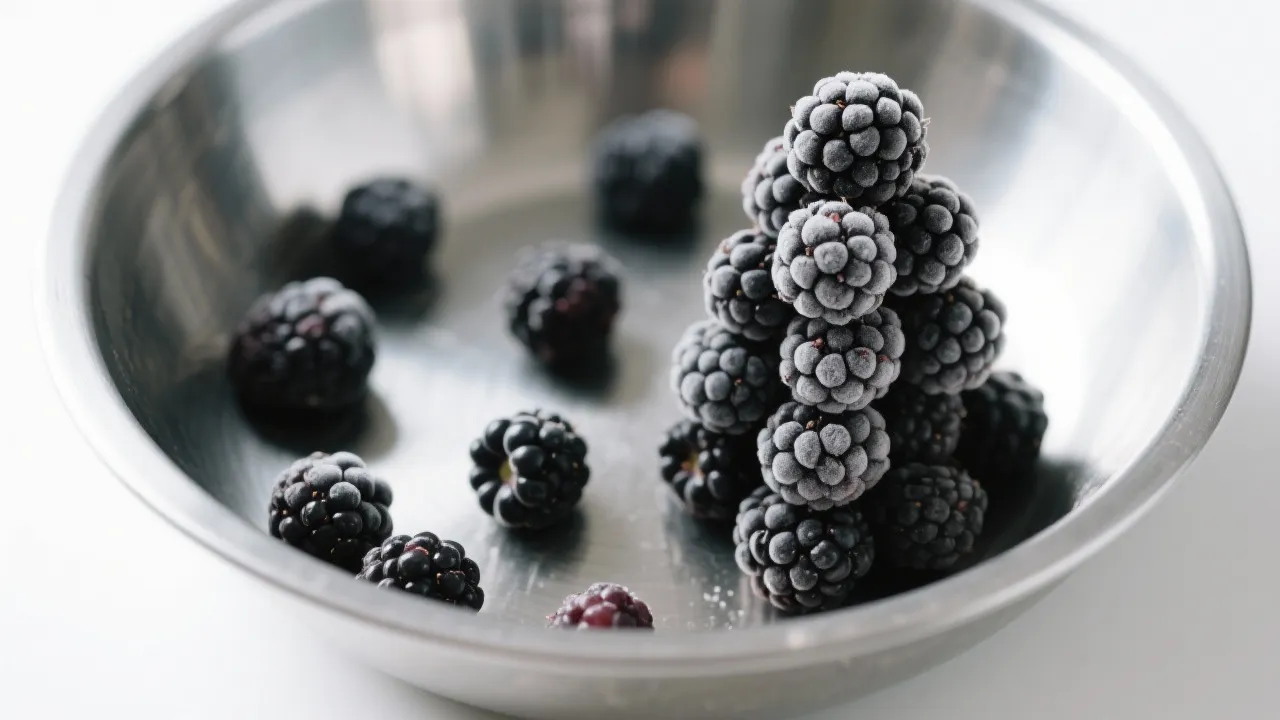
While organic certification emphasizes environmental protection, naturalness, and the absence of chemical residues, Halal certification focuses on religious compliance. In the international market, these two certifications can have synergistic effects. Products with both certifications can target a wider range of consumers, including health - conscious consumers and Muslim consumers. For example, a frozen blackberry with both organic and Halal certifications can attract not only those who follow a healthy diet but also Muslim consumers who are strict about Halal food.
However, there are also differences between the two. Organic certification is more about the product's production method and ingredient origin, while Halal certification is deeply rooted in religious beliefs. Understanding these differences can help companies better position their products in the market.
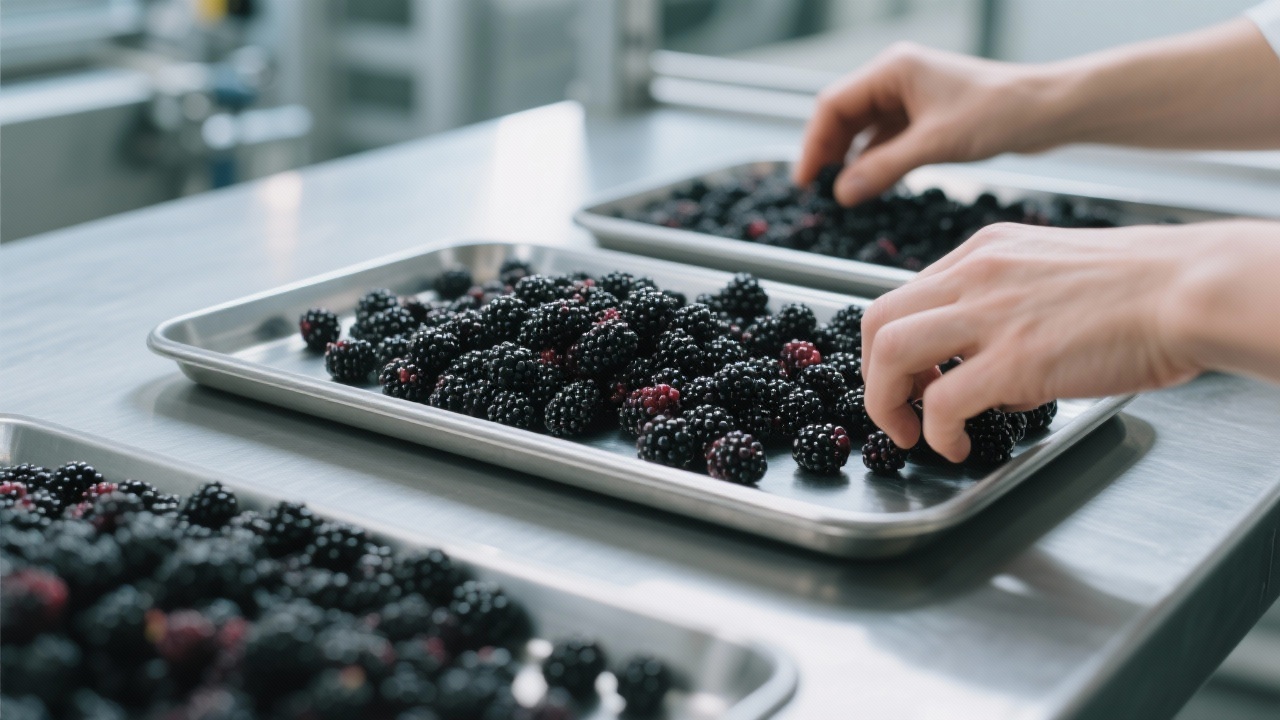
E - BizBridge, a leading exporter of frozen fruits, successfully achieved both organic and Halal certifications. By strictly adhering to the standards of both certifications, they were able to enter the Middle - East market. Their frozen blackberries have a whole - fruit rate of over 95%, which not only meets the high - quality requirements of organic certification but also the strict Halal standards. Through these certifications, E - BizBridge has increased its market share in the Middle - East by 40% in just two years.
Halal certification is of great strategic significance for companies' global business expansion. It helps companies break through cultural barriers in the Middle - East and other Muslim - populated regions, gaining the trust of local consumers. In the long run, it can enhance brand image, increase customer loyalty, and open up new market opportunities.
Companies that obtain Halal certification can expect to see a 20% - 30% increase in sales in the Middle - East market within 3 - 5 years. Moreover, it can also improve the company's overall competitiveness in the global market.
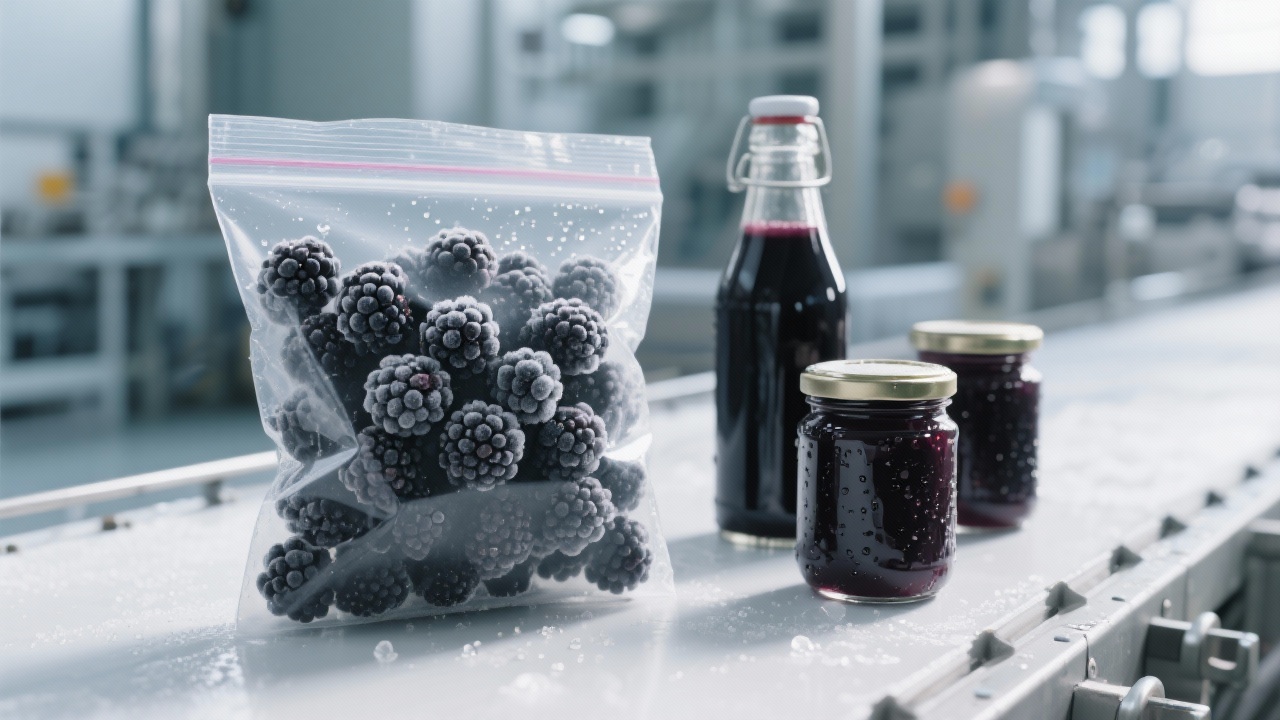
To learn more about the details of Halal certification and how it can benefit your business, download our 'Halal Food Export Guide' whitepaper.

 151
|
151
|
 frozen blackcurrant supply chain
EU import regulations
HACCP certification
fruit integrity optimization
cold chain temperature control
189
|
raspberry raw material pilot trials
nutrition beverage R&D
small batch trial process
excipient compatibility testing
functional food development
215
|
Frozen blackberry packaging solutions
Health food packaging innovation
Customized fruit and vegetable freezing services
Organic frozen blackberry packaging design
Custom packaging to enhance competitiveness
129
|
custom frozen blackberry packaging
healthy food packaging innovation
frozen fruit packaging solutions
packaging design market competitiveness
sustainable packaging in frozen produce
397
|
Freeze - dried raspberry powder
Cold chain transportation standards
-18°C constant temperature
Supply chain management
Temperature - controlled logistics tracking
frozen blackcurrant supply chain
EU import regulations
HACCP certification
fruit integrity optimization
cold chain temperature control
189
|
raspberry raw material pilot trials
nutrition beverage R&D
small batch trial process
excipient compatibility testing
functional food development
215
|
Frozen blackberry packaging solutions
Health food packaging innovation
Customized fruit and vegetable freezing services
Organic frozen blackberry packaging design
Custom packaging to enhance competitiveness
129
|
custom frozen blackberry packaging
healthy food packaging innovation
frozen fruit packaging solutions
packaging design market competitiveness
sustainable packaging in frozen produce
397
|
Freeze - dried raspberry powder
Cold chain transportation standards
-18°C constant temperature
Supply chain management
Temperature - controlled logistics tracking







.png?x-oss-process=image/resize,h_100,m_lfit/format,webp)
.png?x-oss-process=image/resize,h_100,m_lfit/format,webp)
.png?x-oss-process=image/resize,h_100,m_lfit/format,webp)
 English


