
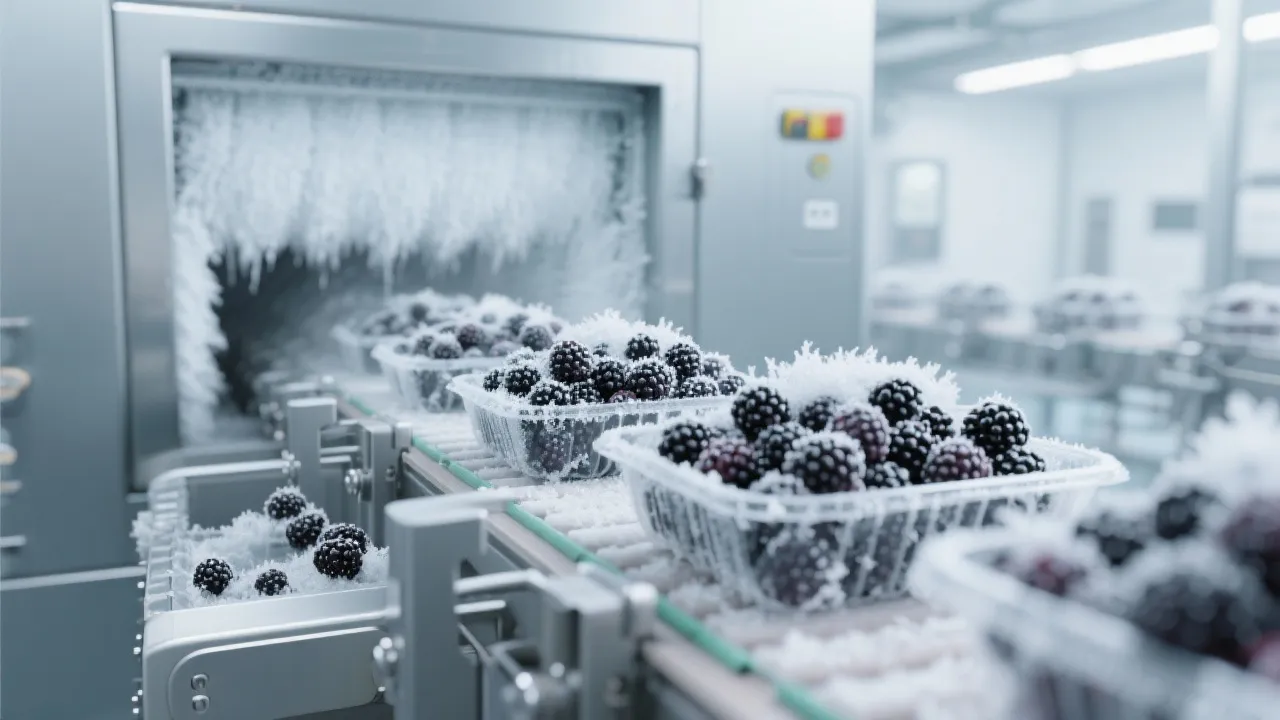
Exporting frozen fruit, particularly premium products like frozen blackberries, requires more than just top-grade ingredients. In today’s global marketplace, securing buyer trust and meeting diverse regulatory standards hinges on certifications such as HACCP (Hazard Analysis and Critical Control Points), ISO 22000, and Halal. This article unpacks the interconnected roles these certifications play—not only ensuring food safety but also enabling cultural and market adaptability—helping exporters confidently penetrate key international markets such as Europe, North America, and the Middle East.
Frozen fruit exporters face rigorous entry barriers shaped by increasingly discerning consumers and tightened food safety regulations. Globally, over 70% of buyers now demand verifiable safety and quality management systems before placing orders, while the rising demand for ethically and culturally aligned foods adds complexity to compliance.
HACCP is a preventive food safety approach identifying critical control points where contamination risks can be mitigated. For frozen blackberries, HACCP covers hazards during harvesting, freezing, and packaging.
ISO 22000 supplements HACCP by specifying a comprehensive food safety management system, integrating interactive communication, system management, and prerequisite programs. This ensures end-to-end traceability and compliance across the supply chain.
The Halal certification guarantees that products meet Islamic dietary laws, encompassing ingredient sourcing, processing, hygiene, and handling—invaluable for the fast-growing Middle Eastern and Southeast Asian markets.
Certification requirements and audits vary widely:
Many exporters struggle with documentation harmonization, auditing schedules, and the additional cost burden. However, proactive planning shortens cycle times by ~30%, reducing average certification acquisition from 9 to 6 months.
Consider a leading frozen blackberries supplier from Chile. By synchronizing HACCP and ISO 22000 certifications with Halal compliance, the company penetrated European organic health retailers while securing distributors in the Gulf Cooperation Council (GCC) countries. This dual-certification strategy boosted exports by over 40% within a year and elevated brand recognition aligned with quality and cultural integrity.
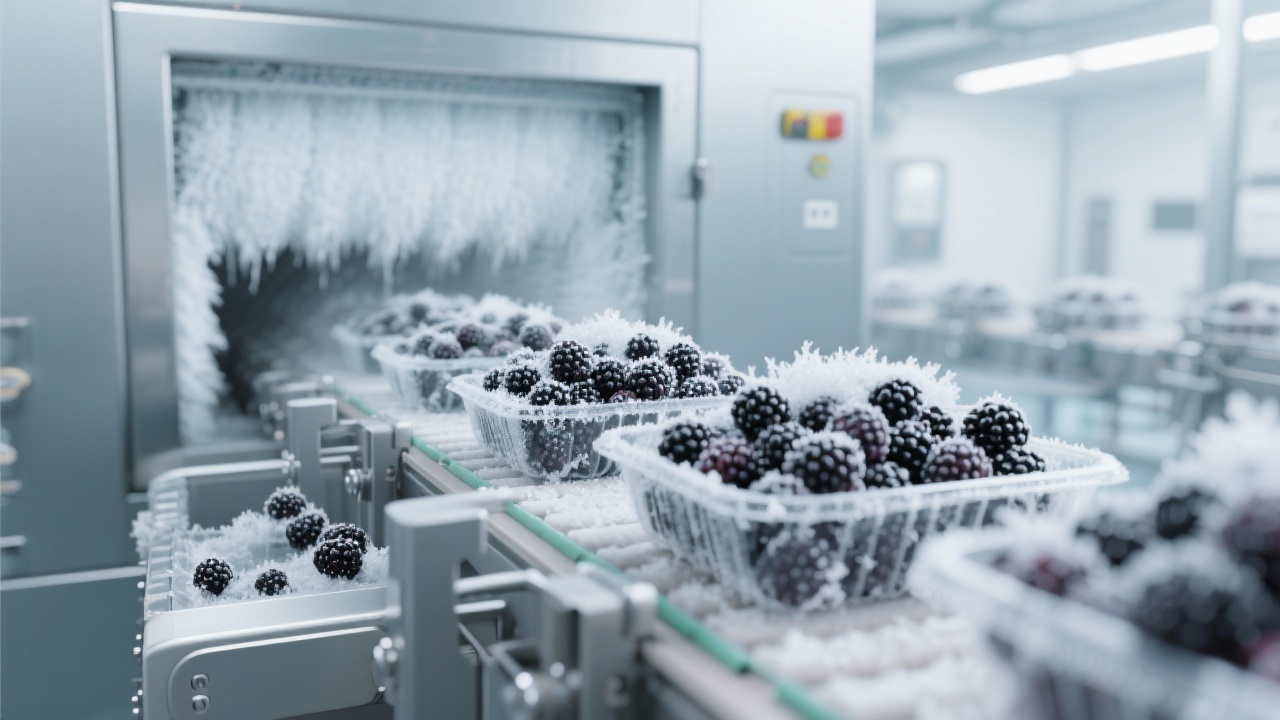
Certified frozen fruit products enjoy sustained benefits:
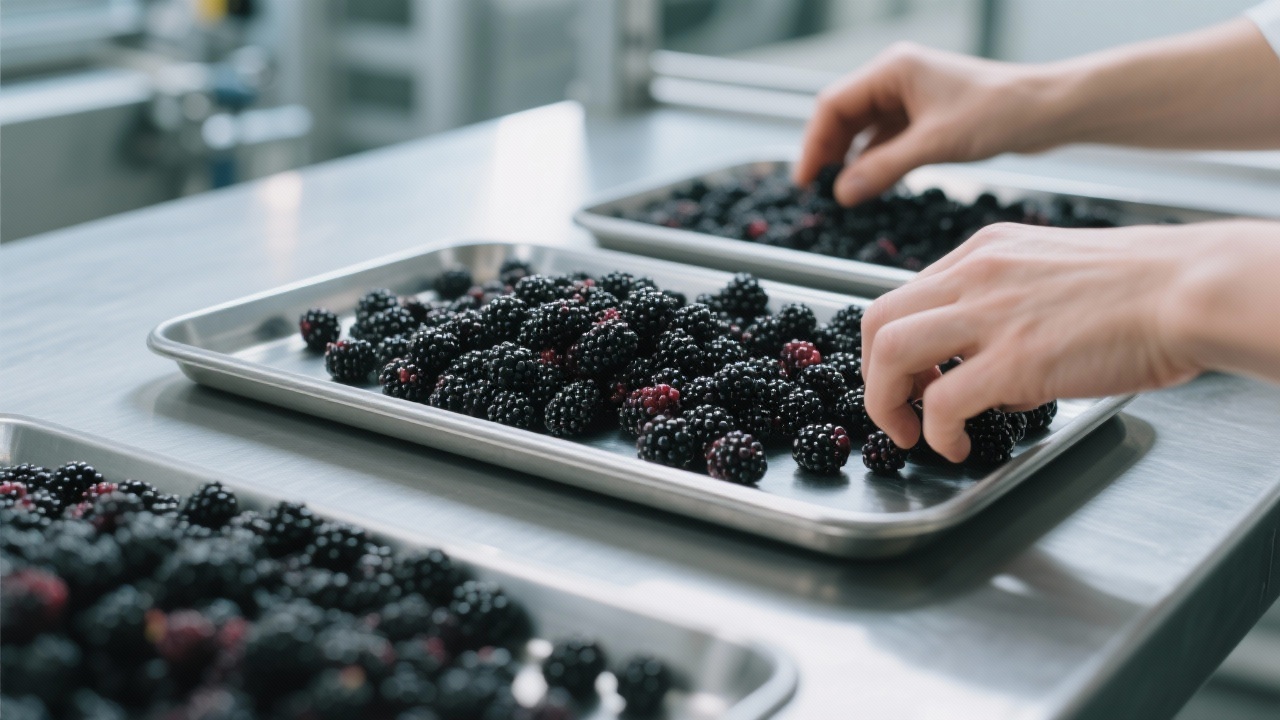
The interplay between HACCP, ISO 22000, and Halal certifications forms a robust compliance ecosystem. Together, they mitigate safety risks, respect cultural nuances, and underpin quality assurance, ultimately facilitating expanded access to lucrative and diverse markets.

 189
|
189
|
 raspberry raw material pilot trials
nutrition beverage R&D
small batch trial process
excipient compatibility testing
functional food development
282
|
Small-batch trial orders
OEM private-label customization
Frozen fruit packaging solutions
Flexible procurement in the food supply chain
Frozen blackcurrant packaging requirements
207
|
frozen fruit sourcing strategy
small batch trial procurement
OEM private label frozen fruit
food supply chain flexibility
frozen berry packaging compliance
459
|
Flash - freezing technology
Frozen blackberry preservation
Food freezing process
HACCP certification
ISO 22000 food safety
148
|
frozen blackcurrant supply chain
EU import standards
HACCP certification
cold chain temperature control technology
frozen fruit export
raspberry raw material pilot trials
nutrition beverage R&D
small batch trial process
excipient compatibility testing
functional food development
282
|
Small-batch trial orders
OEM private-label customization
Frozen fruit packaging solutions
Flexible procurement in the food supply chain
Frozen blackcurrant packaging requirements
207
|
frozen fruit sourcing strategy
small batch trial procurement
OEM private label frozen fruit
food supply chain flexibility
frozen berry packaging compliance
459
|
Flash - freezing technology
Frozen blackberry preservation
Food freezing process
HACCP certification
ISO 22000 food safety
148
|
frozen blackcurrant supply chain
EU import standards
HACCP certification
cold chain temperature control technology
frozen fruit export



.png?x-oss-process=image/resize,h_100,m_lfit/format,webp)
.png?x-oss-process=image/resize,h_100,m_lfit/format,webp)
.png?x-oss-process=image/resize,h_100,m_lfit/format,webp)
 English


