
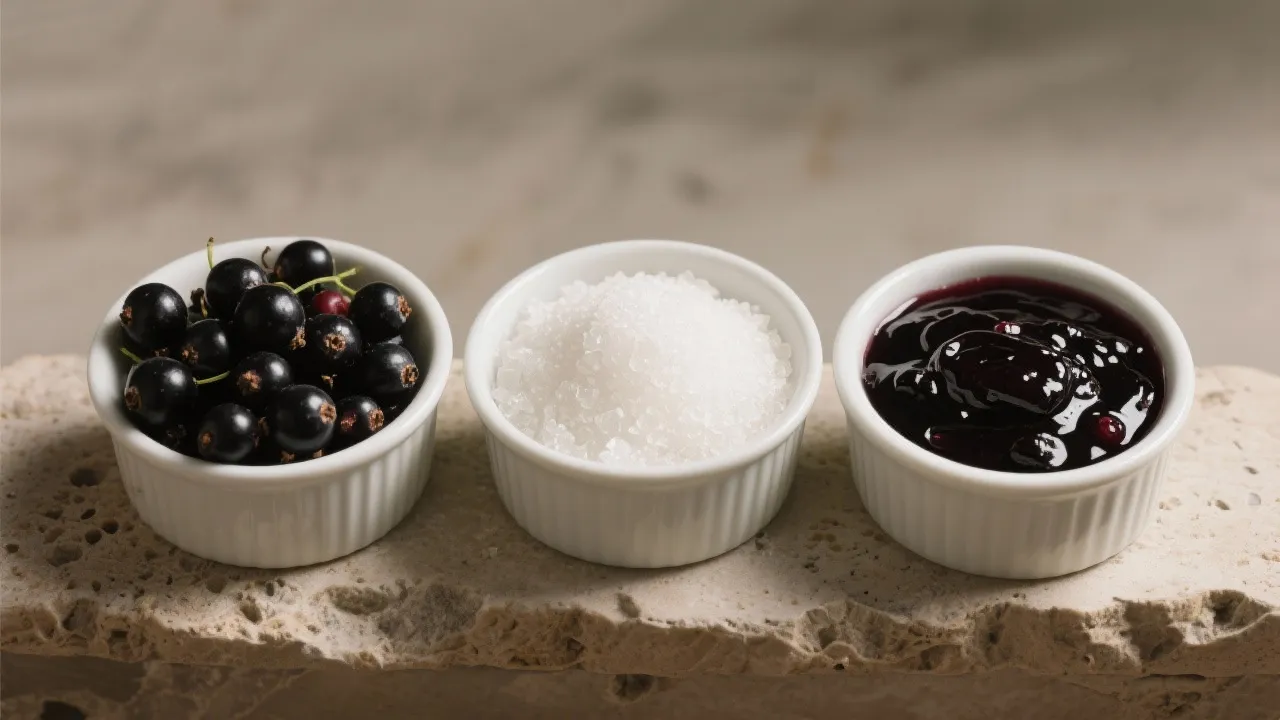
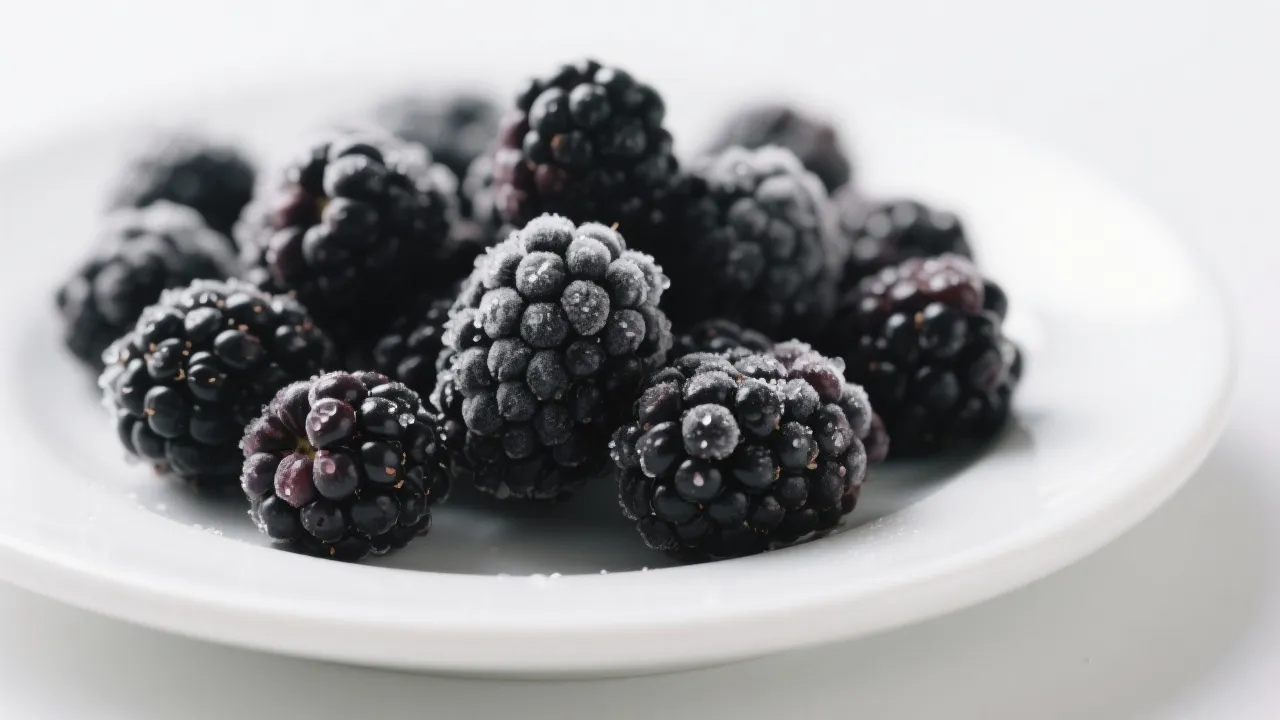
Maintaining the freshness and nutritional value of frozen organic blackberries while guaranteeing food safety is paramount for exporters striving in a competitive global market. Rapid freezing technology combined with internationally recognized food safety standards—specifically HACCP and ISO 22000—provide the scientific and managerial foundation to safeguard product quality from orchard to overseas shelves.
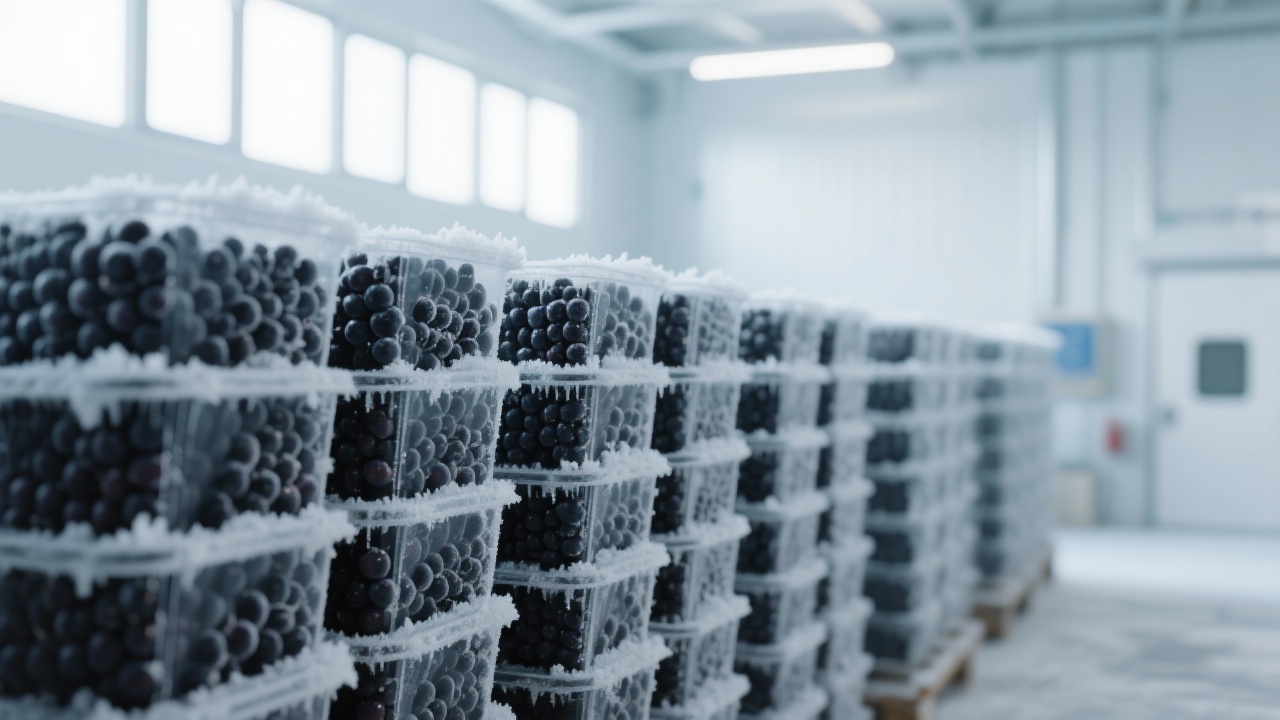
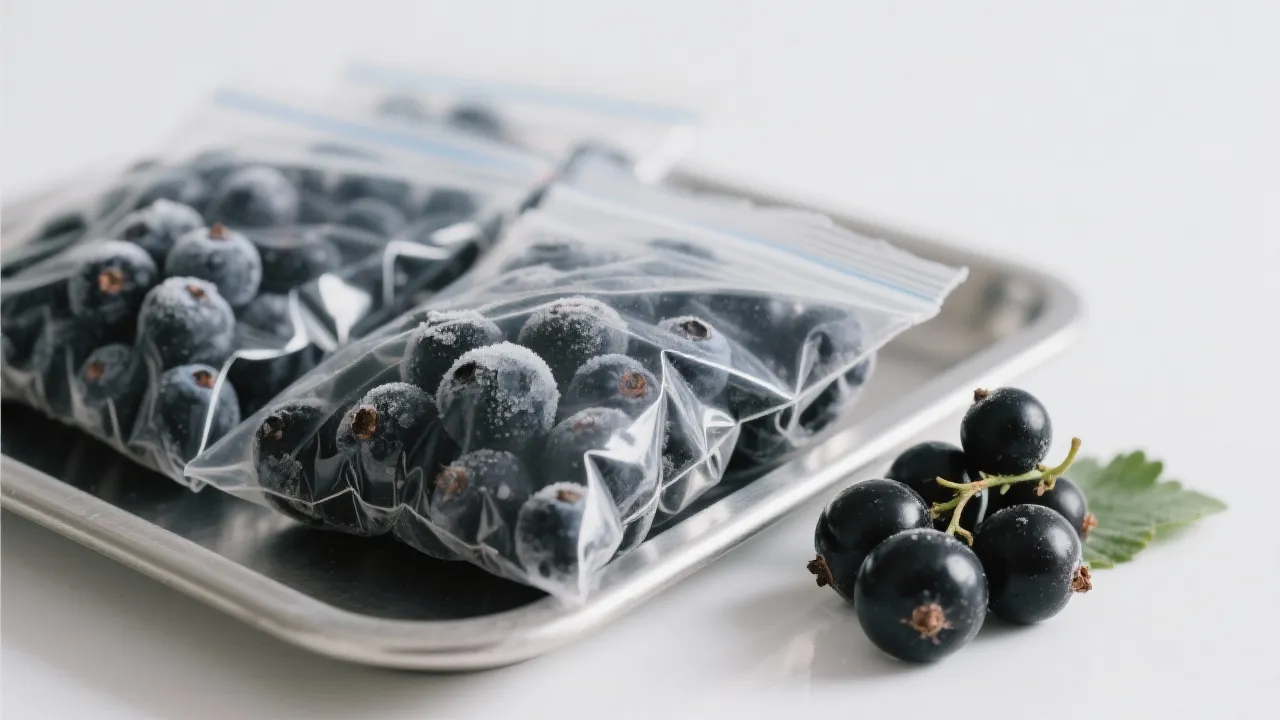
Unlike conventional freezing, which slowly reduces product temperature allowing large ice crystals to form and rupture delicate cell walls, rapid freezing flash-freezes blackberries at temperatures as low as −40°C within minutes. This ultra-fast temperature drop creates microscopic ice crystals that prevent tissue damage, thereby preserving the fruit's natural texture and critical nutrients such as Vitamin C and anthocyanins.
Scientific studies indicate that rapid freezing retains approximately 85–90% of original Vitamin C content, whereas slow freezing may degrade up to 40%. Maintaining anthocyanin stability is crucial, as these antioxidants are key to the fruit's health benefits and visual appeal. Controlled freezing speed and precise temperature management thus form core pillars in ensuring the integrity of frozen blackberries.
Consistent temperature management throughout freezing, storage, and transportation minimises enzymatic reactions and microbial proliferation. Industry data shows that temperature fluctuations above ±3°C during cold chain logistics can reduce shelf life by over 25% and increase spoilage risk.
Rapid freezing coupled with stringent cold chain protocols enhances the stability of phytonutrients and organoleptic qualities. This meticulous preservation plays a vital role in meeting stringent export standards, mitigating rejection risks, and boosting buyer confidence in international markets.
HACCP (Hazard Analysis and Critical Control Points) focuses on identifying and controlling biological, chemical, and physical food safety hazards at critical points in the production line. For frozen blackberries, critical control points include washing, freezing, packaging, and cold storage.
ISO 22000, building upon HACCP principles, offers a comprehensive management framework that integrates hazard control with prerequisite programs, continuous improvement, and stakeholder communication. This holistic system encompasses supplier audits, traceability, employee training, and corrective actions.
Together, these standards provide a documented, validated, and auditable approach to ensuring every batch of frozen blackberries complies with international safety regulations, thereby enabling access to demanding export markets such as the European Union, North America, and Asia-Pacific.
An industry case study demonstrates that by implementing rapid freezing alongside HACCP and ISO 22000 management systems, a leading frozen berry producer lowered microbial contamination incidents by over 40% within the first year. This led to a 15% reduction in rejected shipments and strengthened contract renewals with key international buyers.
Such quantifiable improvements in safety and quality translate into stronger brand reputation, higher customer satisfaction, and ultimately, increased export volumes.
Reflecting on these questions can guide exporters to identify potential gaps and optimize their production line for enhanced safety and quality.

 409
|
409
|
 Flash-frozen blackberries
Stability of frozen blackberries
Preservation of baking ingredients
Retention of blackberry nutrients
Food freezing technology
491
|
freeze dried raspberry powder
anthocyanin preservation
bioavailability enhancement
functional food ingredients
low temperature drying process
301
|
small batch trial orders
OEM labeling customization
frozen fruit packaging solutions
flexible food supply chain procurement
startup-friendly frozen fruit category
468
|
Quick freezing technology
Blackberry nutrient retention
Anthocyanin preservation
Freezing preservation principle
Food freezing process
90
|
small batch trial order
OEM food packaging
frozen blackcurrant packaging
cold chain logistics
European food compliance
Flash-frozen blackberries
Stability of frozen blackberries
Preservation of baking ingredients
Retention of blackberry nutrients
Food freezing technology
491
|
freeze dried raspberry powder
anthocyanin preservation
bioavailability enhancement
functional food ingredients
low temperature drying process
301
|
small batch trial orders
OEM labeling customization
frozen fruit packaging solutions
flexible food supply chain procurement
startup-friendly frozen fruit category
468
|
Quick freezing technology
Blackberry nutrient retention
Anthocyanin preservation
Freezing preservation principle
Food freezing process
90
|
small batch trial order
OEM food packaging
frozen blackcurrant packaging
cold chain logistics
European food compliance



.png?x-oss-process=image/resize,h_100,m_lfit/format,webp)
.png?x-oss-process=image/resize,h_100,m_lfit/format,webp)
.png?x-oss-process=image/resize,h_100,m_lfit/format,webp)
 English


