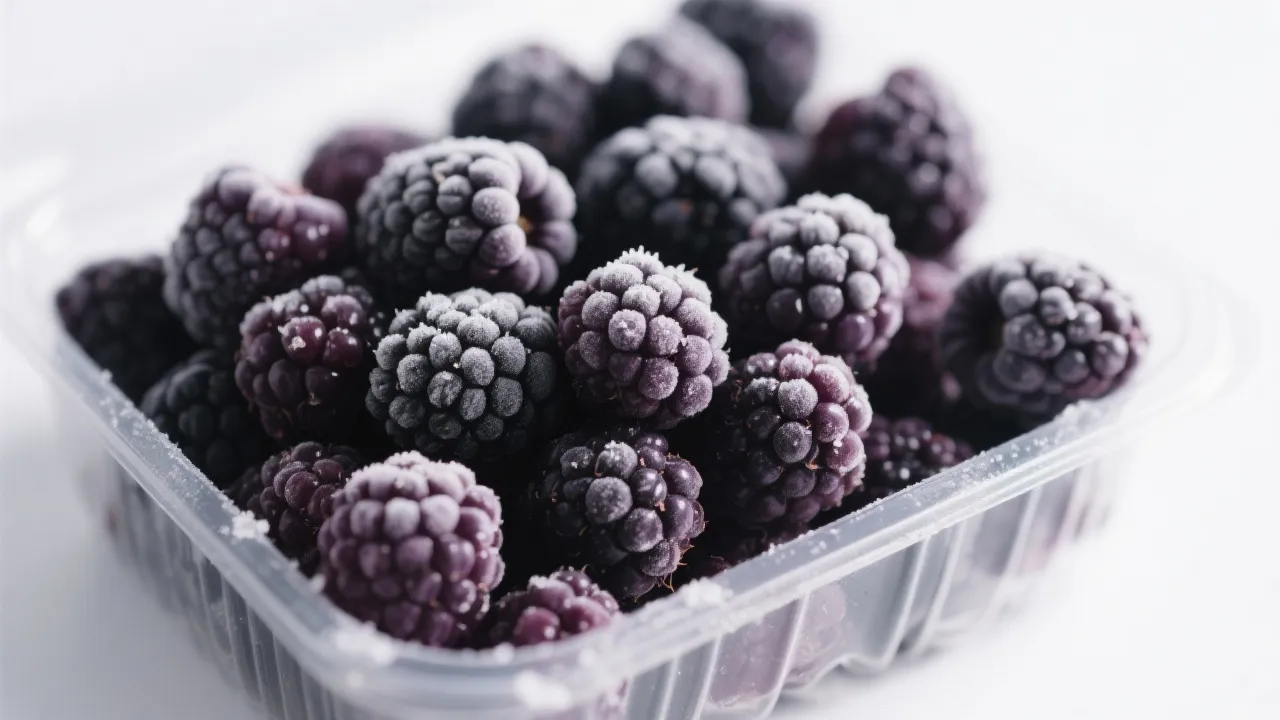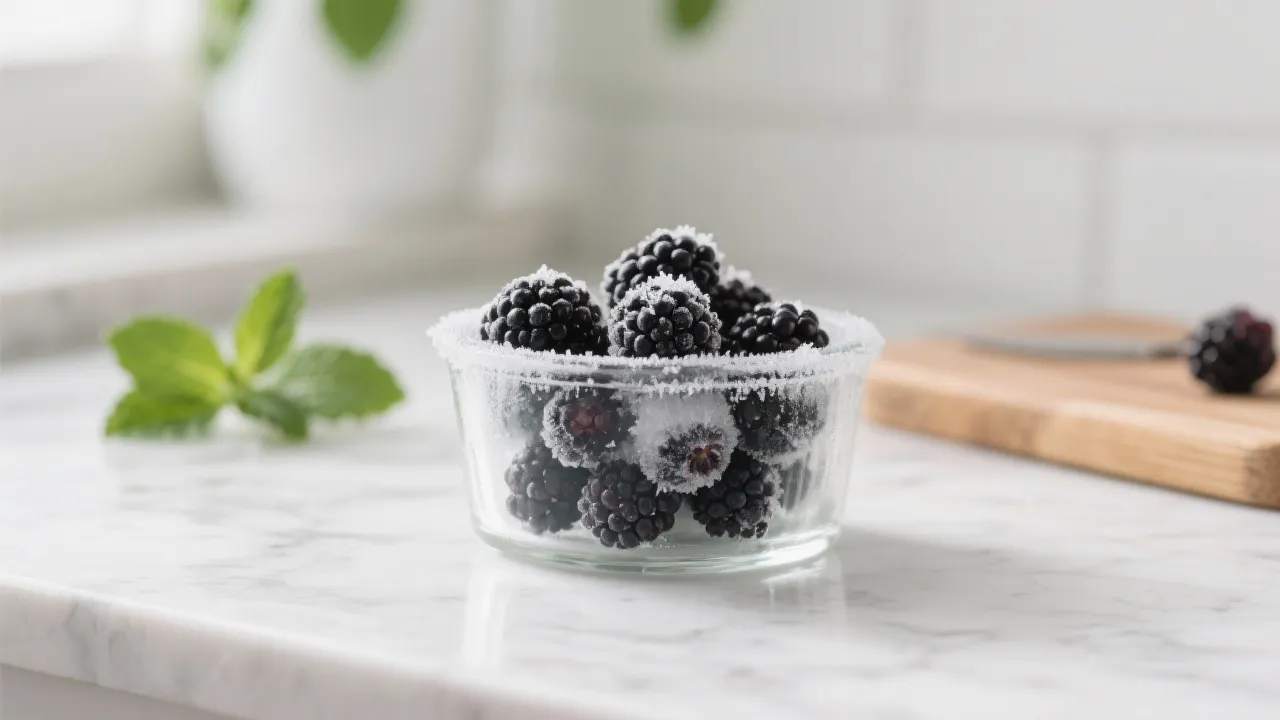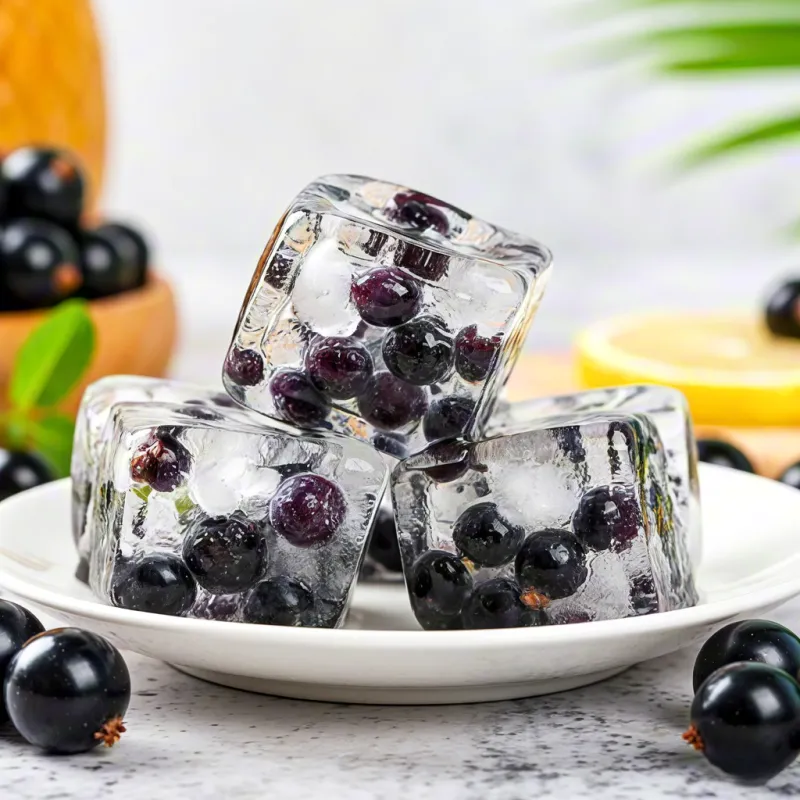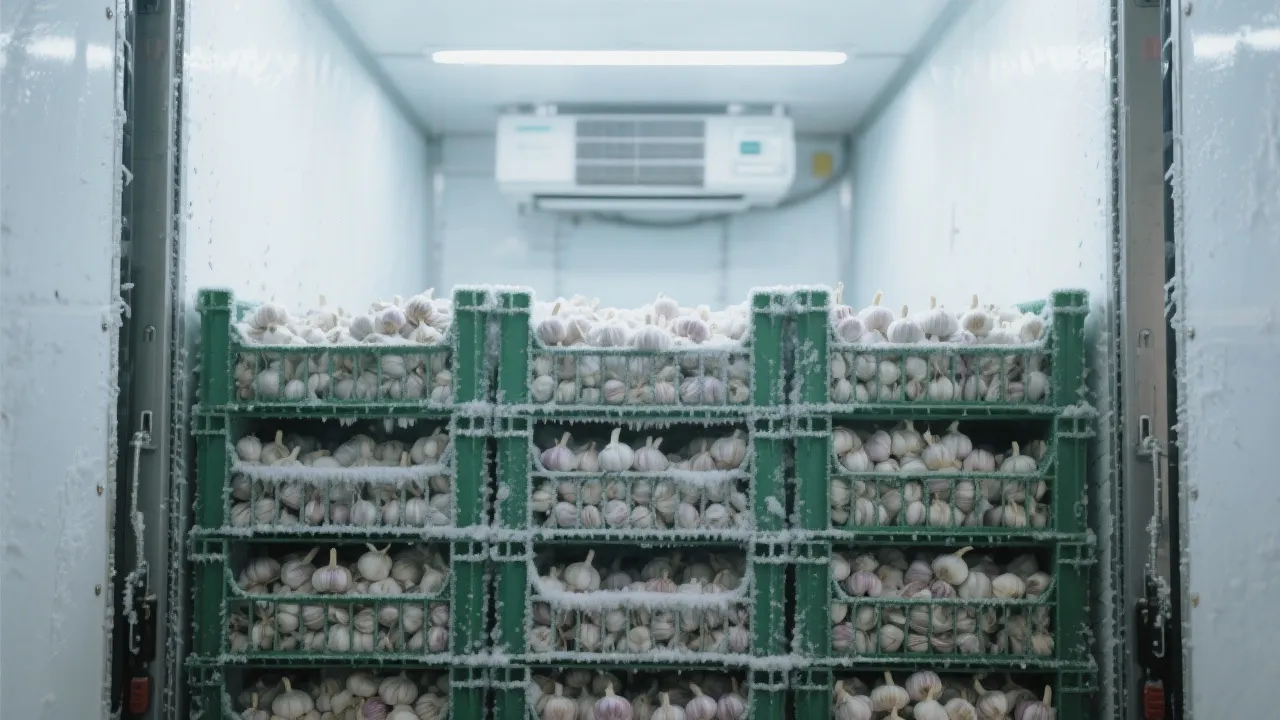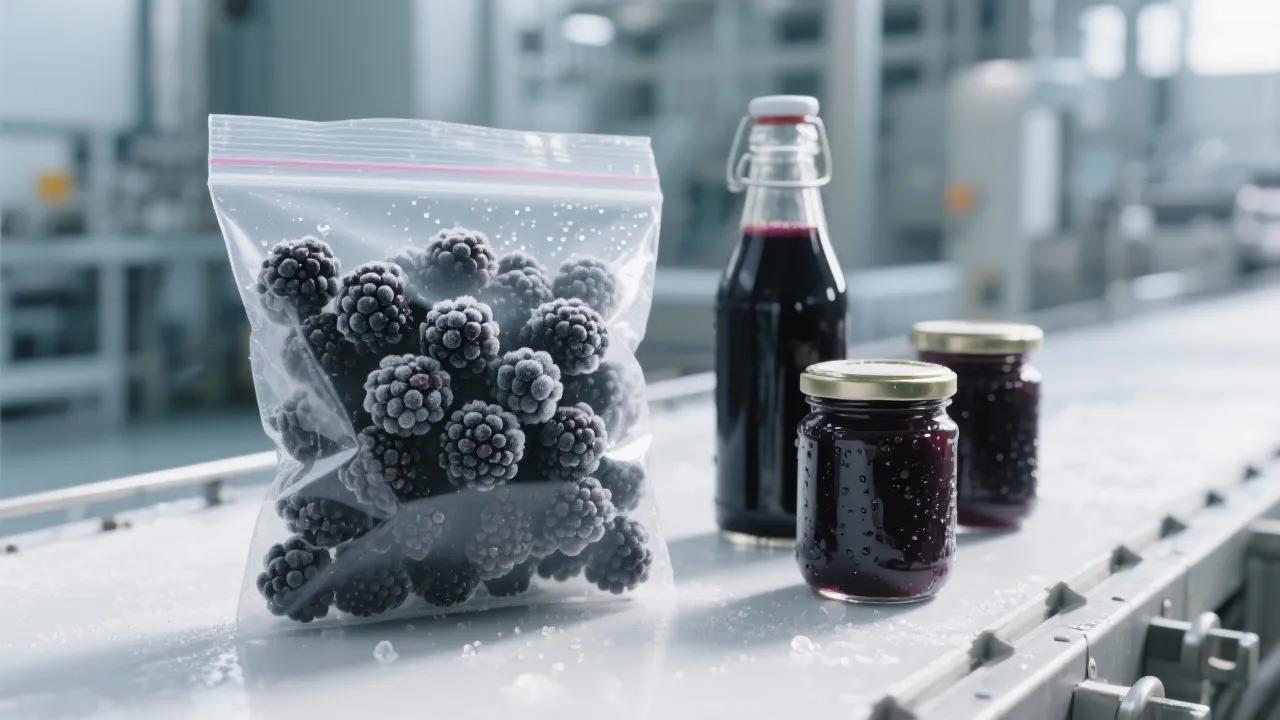
In the European market, food safety is of paramount importance. For frozen berries, meeting the strict European food safety standards is a prerequisite for market entry. This is where HACCP (Hazard Analysis and Critical Control Points) certification plays a crucial role.
HACCP is a systematic approach to food safety that identifies, evaluates, and controls hazards. In the frozen berry industry, it helps ensure the safety and quality of products from raw material sourcing to final consumption. By establishing critical control points (CCPs), HACCP enables producers to effectively manage potential risks.
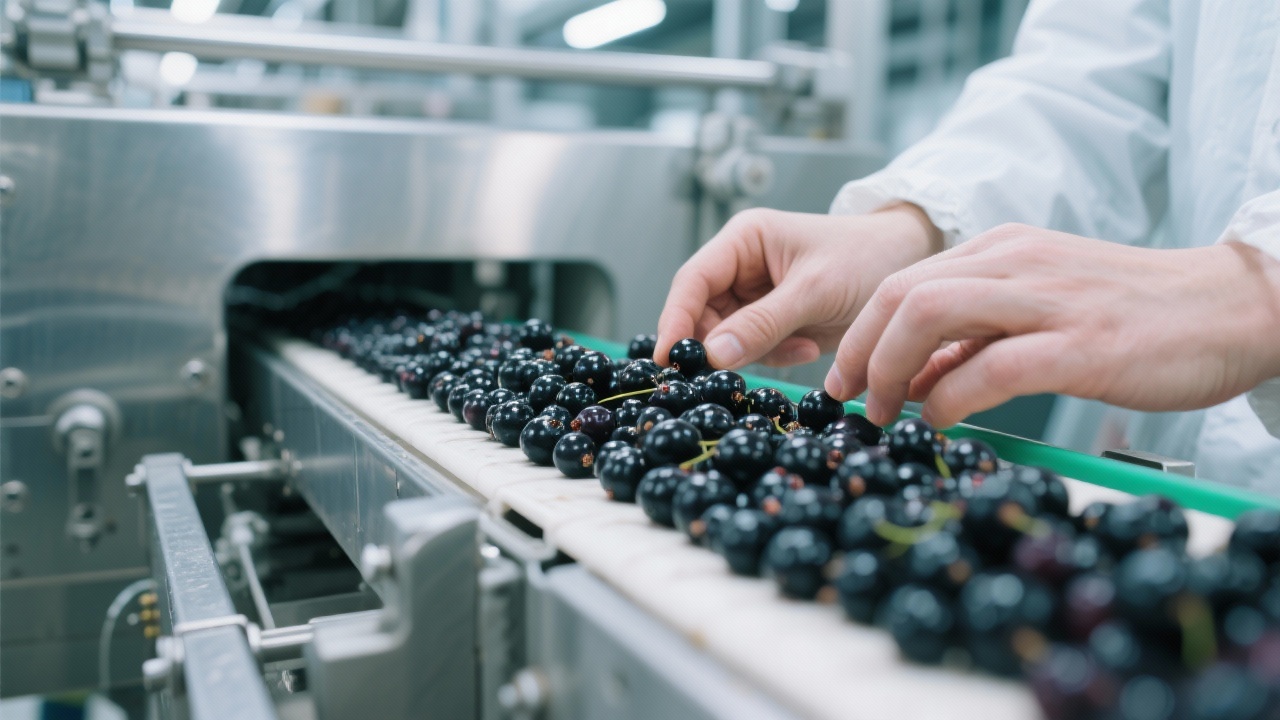
For example, during raw material acceptance, strict screening is carried out. Only berries that meet specific quality standards, such as size, color, and absence of pests, are accepted. This reduces the risk of introducing contaminants at the source. According to industry standards, at least 95% of the accepted raw materials should meet the pre - defined quality criteria.
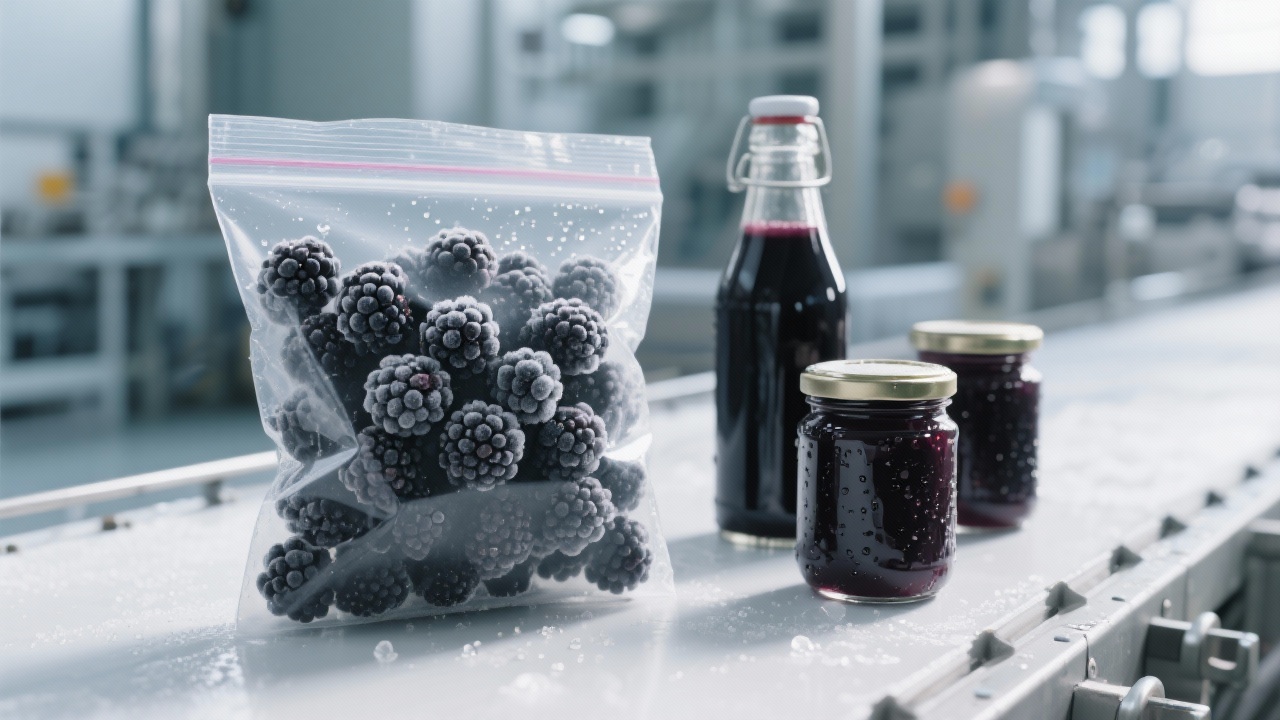
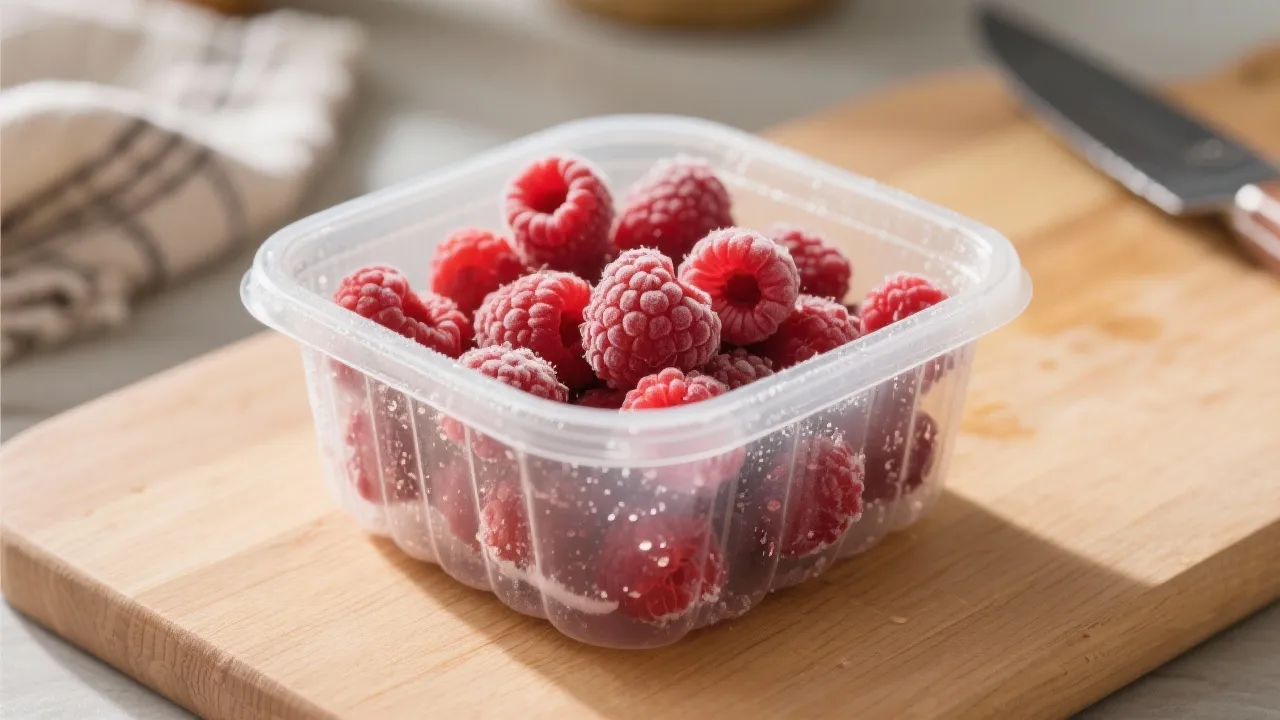
One of the key control points is the quick - freezing process. The freezing rate and temperature are critical factors. The berries should be frozen to -18°C within 30 minutes to maintain their nutritional value and texture. If the freezing process is too slow, ice crystals may form, damaging the cell structure of the berries and affecting their quality.
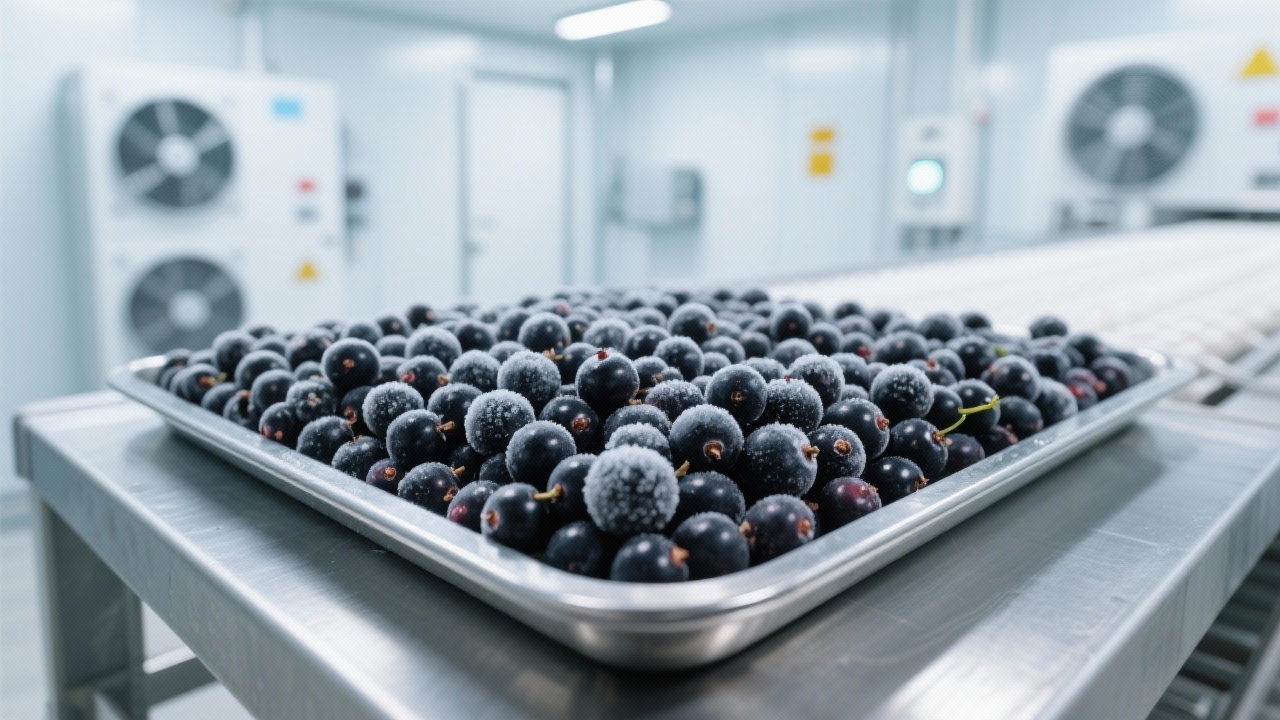
Another important control point is the storage temperature. The frozen berries should be stored at a constant -18°C. Real - time monitoring of the storage temperature is necessary to prevent temperature fluctuations that could lead to microbial growth. Regular temperature checks, at least once every 4 hours, are recommended to ensure compliance with the standards.
The European Union has strict regulations regarding food safety. Products with HACCP certification are more likely to meet these regulations, which in turn makes them more appealing to European customers. For instance, the EU requires that all imported frozen berries must comply with specific microbiological limits. HACCP - certified products are more likely to meet these limits, reducing the risk of rejection at the border.
By following the HACCP system, producers can ensure that their products are in line with EU food safety requirements, which not only helps in market entry but also builds trust with European customers.
Q: How long does it take to obtain HACCP certification for frozen berries?
A: The time required to obtain HACCP certification can vary depending on the complexity of the production process. Generally, it takes about 3 - 6 months.
Q: Does HACCP certification guarantee 100% food safety?
A: While HACCP significantly reduces the risk of food safety hazards, it does not guarantee 100% safety. However, it is one of the most effective ways to manage food safety risks.
HACCP certification not only ensures food safety but also enhances the stability of the supply chain. By controlling potential hazards, producers can reduce the risk of product recalls and disruptions in the supply process. This, in turn, improves the market competitiveness of the products.
Yishangqiao, with its HACCP - certified blackcurrant frozen fruits, offers a reliable and efficient import solution. The company's supply chain advantages, combined with its commitment to quality, make it a trusted partner for European buyers.

 179
|
179
|
 frozen blackcurrants
flash freezing technology
manual sorting process
cold chain logistics
intact berry rate
380
|
Small-batch trial orders
OEM private-label customization
Frozen fruit packaging solutions
Flexible procurement in the food supply chain
Frozen blackcurrant packaging requirements
421
|
rapid freezing technology
blackberry preservation
food safety certification
frozen berry storage
nutrient retention in frozen fruit
172
|
organic frozen blackberries
nutritious smoothie making
smoothie blending techniques
healthy diet guide
frozen fruit ingredients
68
|
EU frozen blackcurrant regulations
HACCP certification in food supply chain
cold chain management for berries
fruit integrity optimization
compliant frozen fruit export
frozen blackcurrants
flash freezing technology
manual sorting process
cold chain logistics
intact berry rate
380
|
Small-batch trial orders
OEM private-label customization
Frozen fruit packaging solutions
Flexible procurement in the food supply chain
Frozen blackcurrant packaging requirements
421
|
rapid freezing technology
blackberry preservation
food safety certification
frozen berry storage
nutrient retention in frozen fruit
172
|
organic frozen blackberries
nutritious smoothie making
smoothie blending techniques
healthy diet guide
frozen fruit ingredients
68
|
EU frozen blackcurrant regulations
HACCP certification in food supply chain
cold chain management for berries
fruit integrity optimization
compliant frozen fruit export


.png?x-oss-process=image/resize,h_100,m_lfit/format,webp)
.png?x-oss-process=image/resize,h_100,m_lfit/format,webp)
.png?x-oss-process=image/resize,h_100,m_lfit/format,webp)
 English