
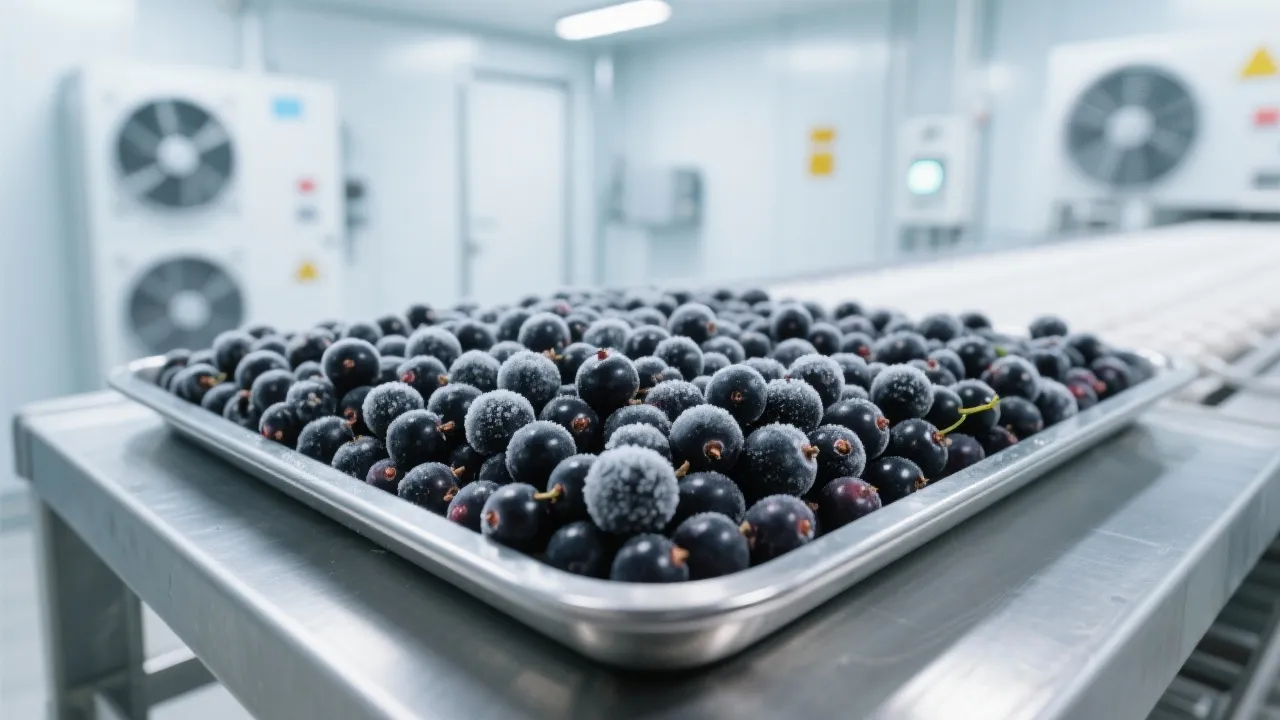
With rising consumer awareness and strict import regulations, food safety has become a non-negotiable demand in the European frozen fruit sector. Among these, frozen berries require stringent controls to prevent microbial contamination and maintain quality. HACCP (Hazard Analysis and Critical Control Points) certification stands out as the gold standard, providing a systematic framework for risk prevention across production stages—from raw material acceptance to cold chain storage—ensuring compliance with the European Union’s rigorous food safety standards.
HACCP is an internationally recognized preventive system designed to identify, evaluate, and control hazards significant to food safety. In the frozen berry industry, HACCP’s implementation focuses on curbing microbial risks such as Listeria monocytogenes and Salmonella spp., and preventing cross-contamination in processing facilities. By defining Critical Control Points (CCPs), producers ensure intervention at pivotal stages, including raw material inspection, freezing processes, and storage management, thereby safeguarding product integrity from farm to fork.
Rigorous inspection protocols assess incoming berries for microbial load, pesticide residues, foreign matter, and sensory quality. European import standards typically require microbial limits below 10² CFU/g for pathogens on frozen fruits. Documented supplier audits and traceability systems support continuous quality assurance.
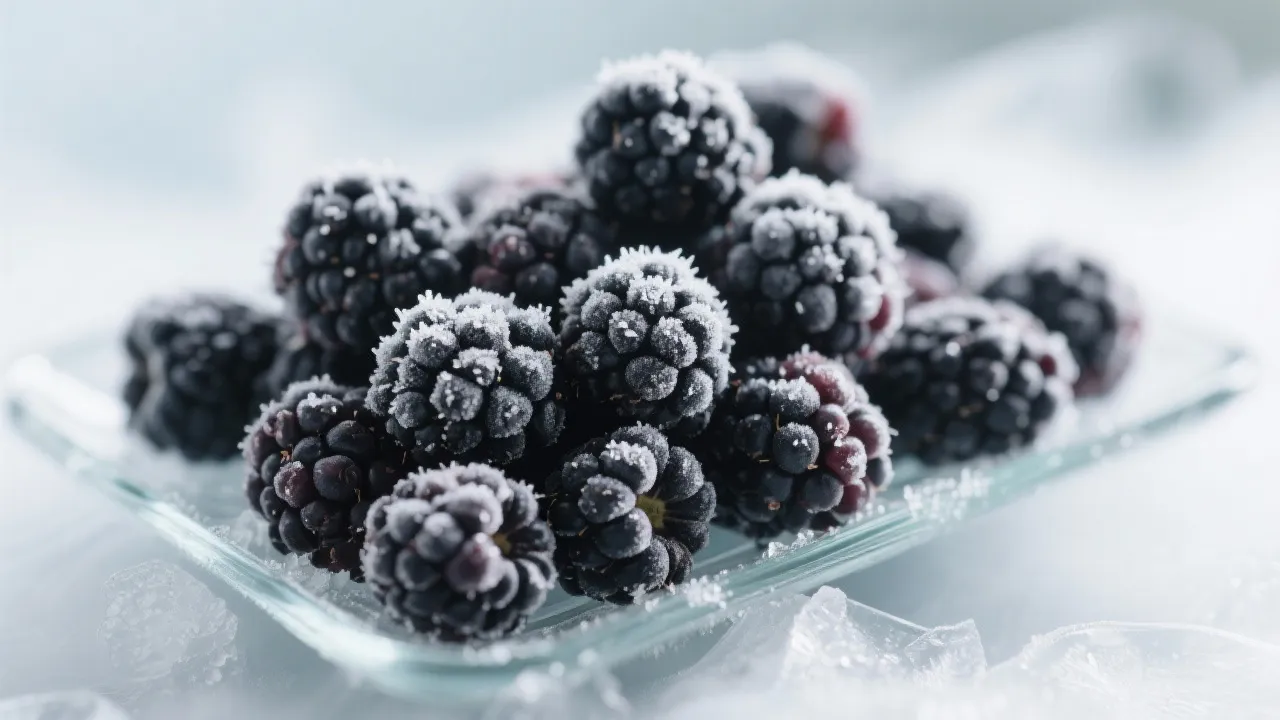
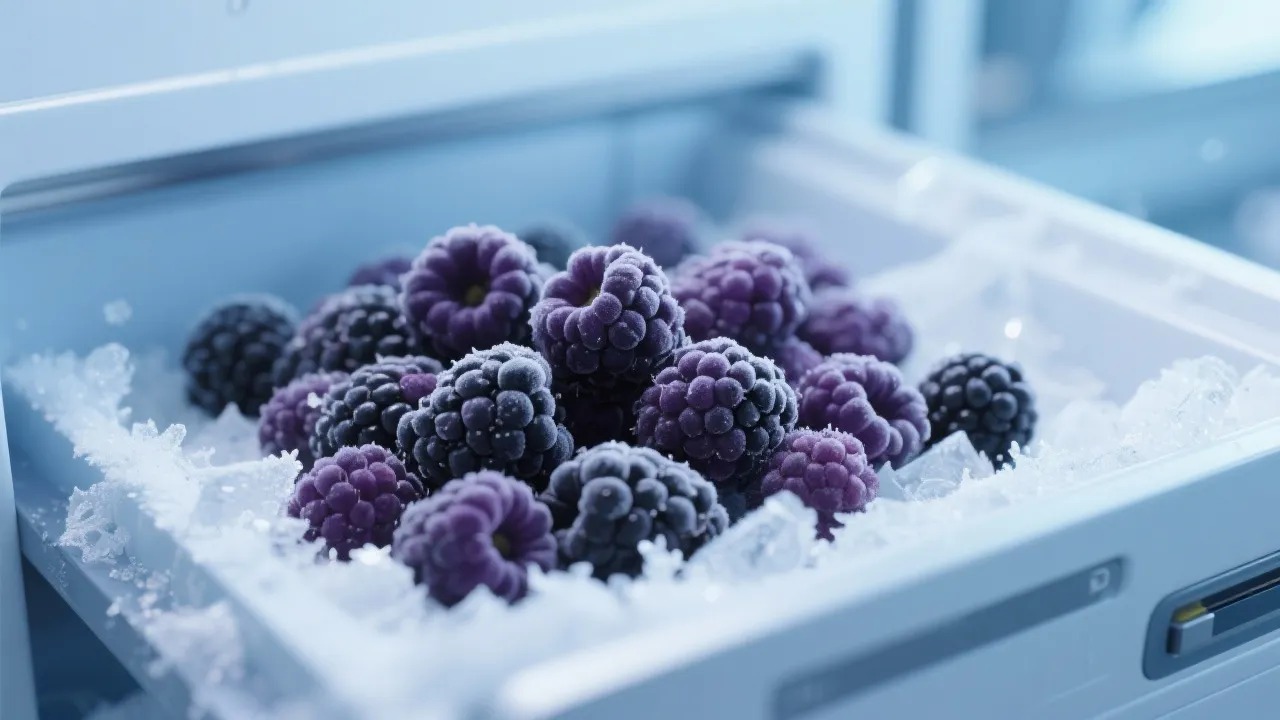
Rapid freezing at temperatures below -18°C within optimal timeframes effectively inhibits microbial growth and preserves berry structure. Methods such as blast freezing and cryogenic freezing create small ice crystals, minimizing cell damage, thus extending shelf life and maintaining nutrient profiles. Process validation through temperature mapping and time-temperature records ensures compliance.
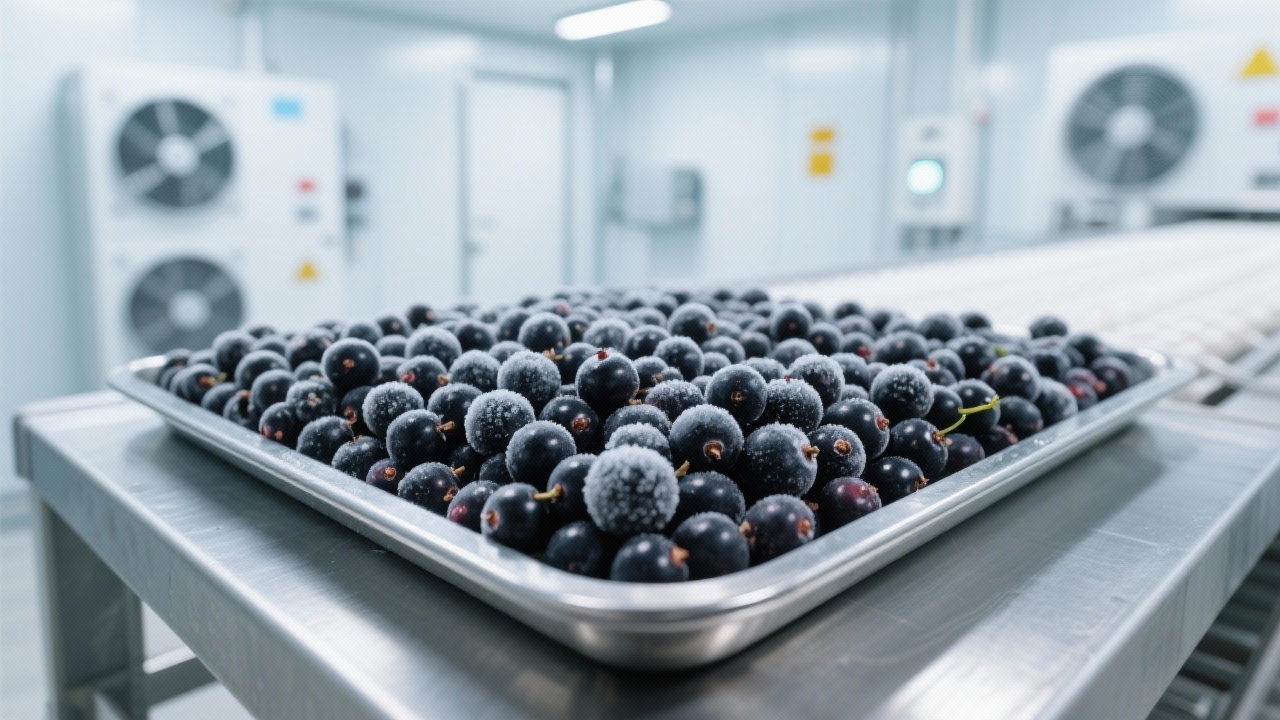
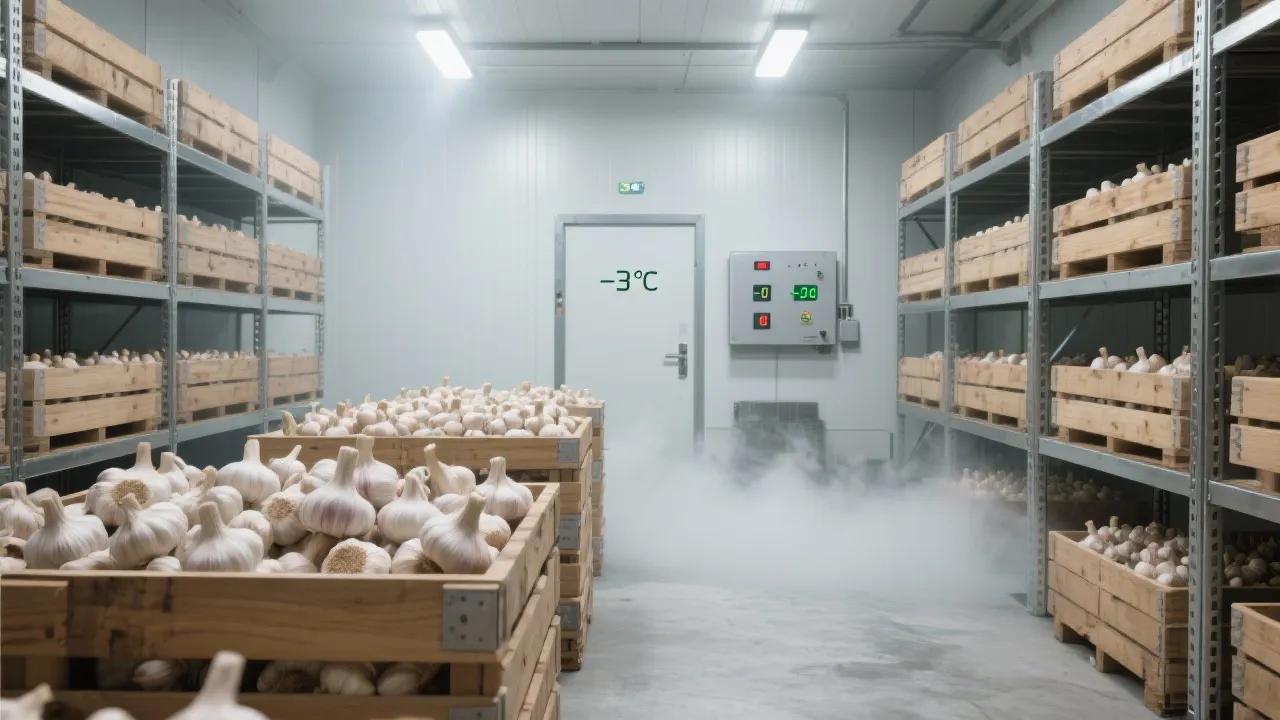
Maintaining the cold chain from production to retail is critical to prevent thaw-refreeze cycles that elevate contamination risks. Storage facilities must consistently sustain below -18°C, with continuous monitoring systems triggering alarms on any deviation. EU legislation enforces rigorous documentation of temperature logs during transport and warehousing.
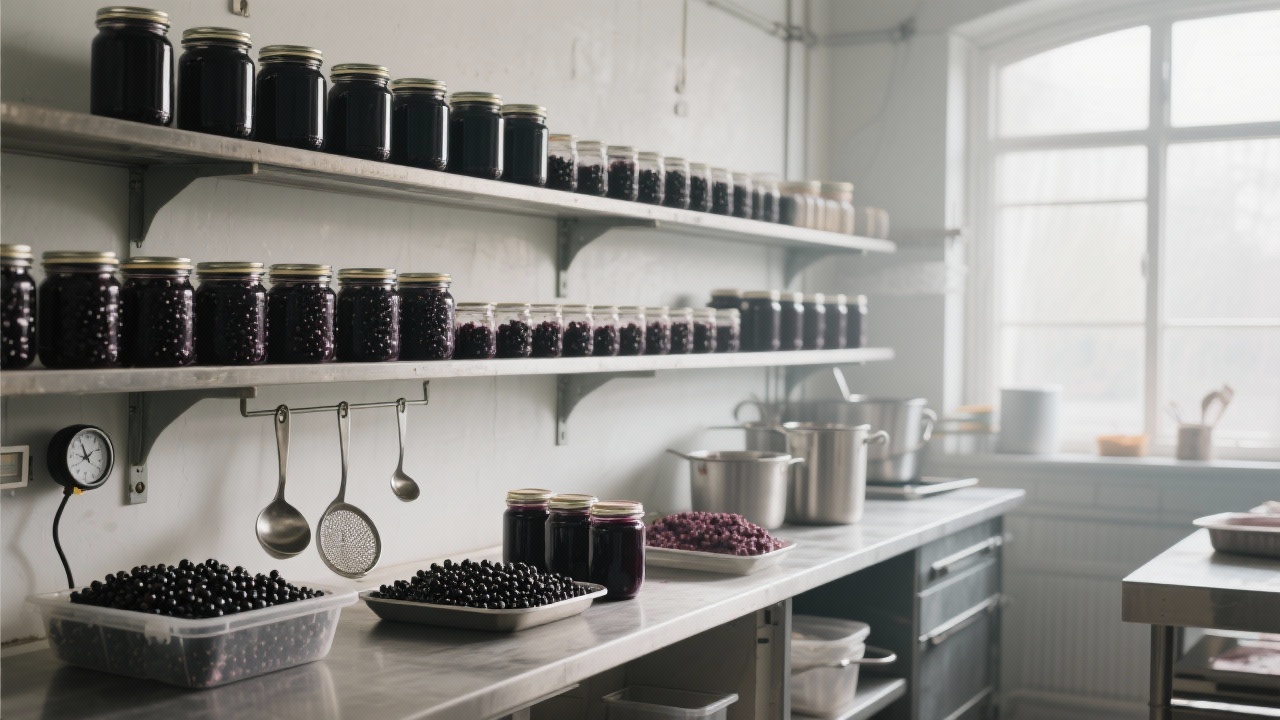
The European Union mandates strict adherence to food safety directives such as Regulation (EC) No 178/2002 and (EC) No 852/2004, integrating HACCP principles into import inspections for frozen fruits. Products with HACCP certification are subject to reduced scrutiny at borders and gain preferential trust from importers, facilitating smoother market entry and clearance. Furthermore, HACCP compliance supports conformity with ISO 22000 and Global Food Safety Initiative (GFSI) standards increasingly requested by European retailers.
Brands showcasing HACCP certification provide end buyers—such as juice processors, jam manufacturers, and retailers—with documented proof of food safety vigilance, reducing their supplier risk. According to a 2023 industry survey, 85% of European frozen fruit buyers cite HACCP certification as a decisive factor when selecting suppliers. This not only strengthens business relationships but also differentiates products in a competitive marketplace driven by quality and compliance.
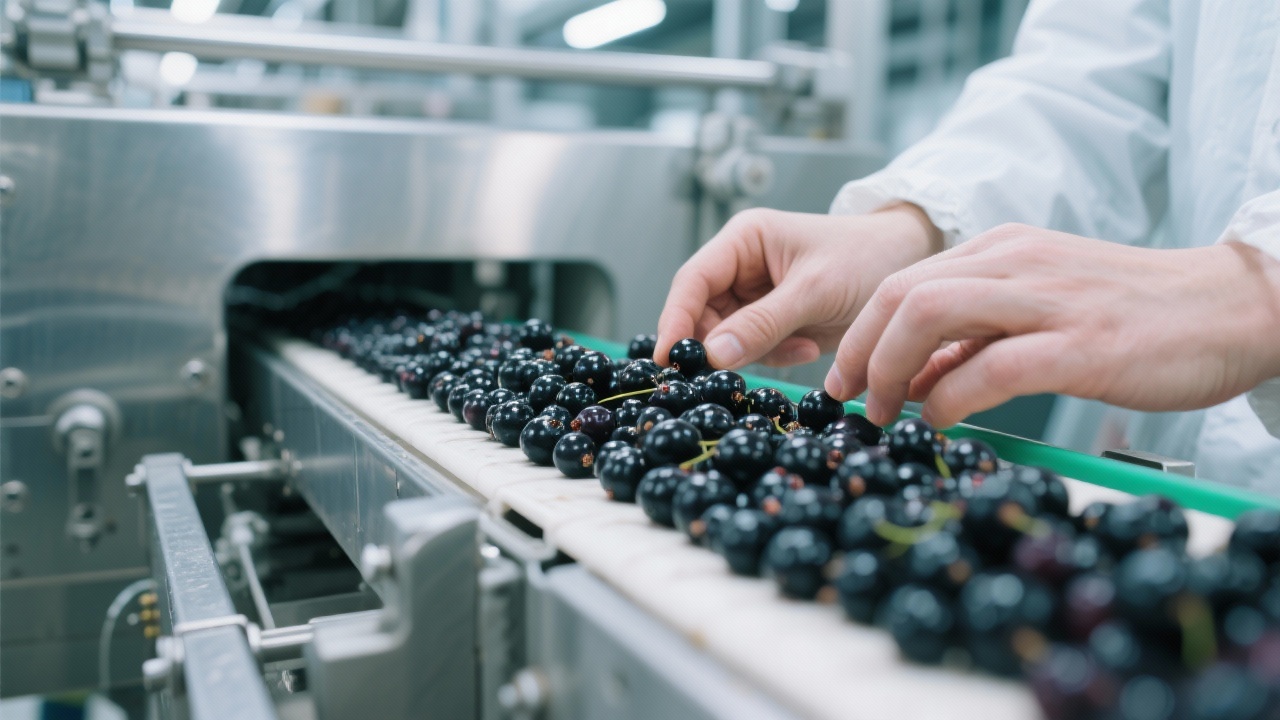
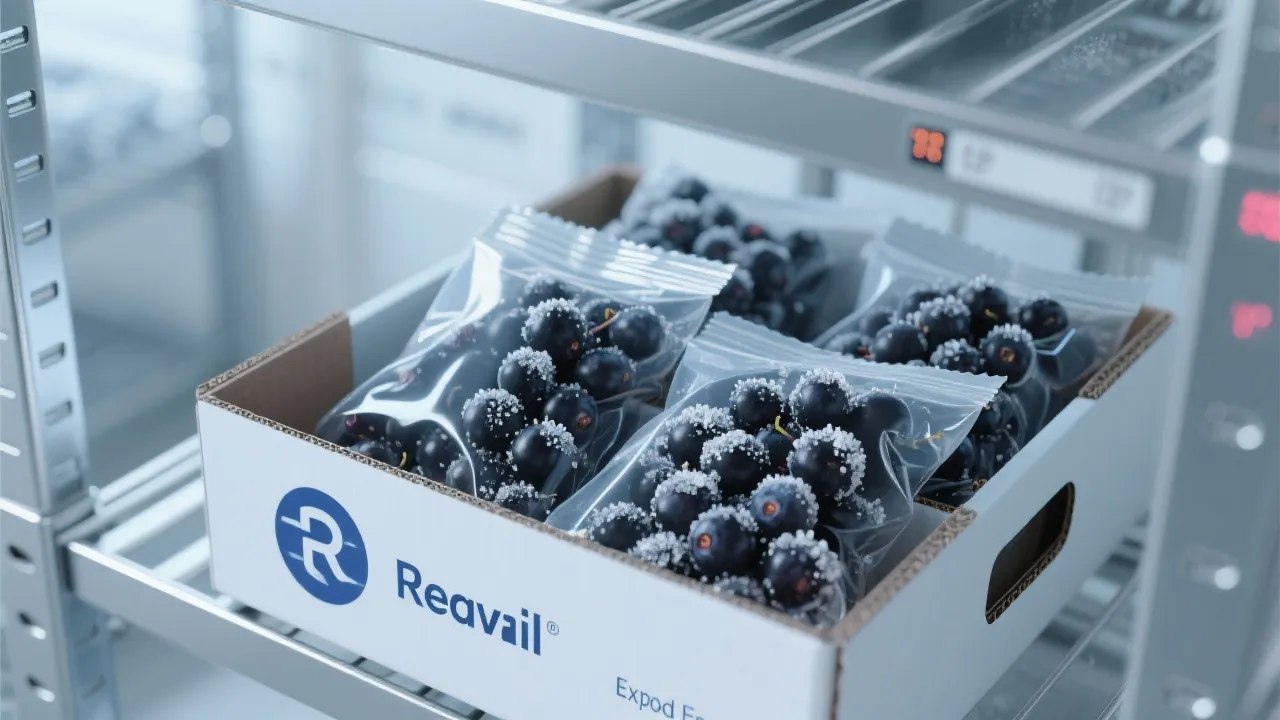
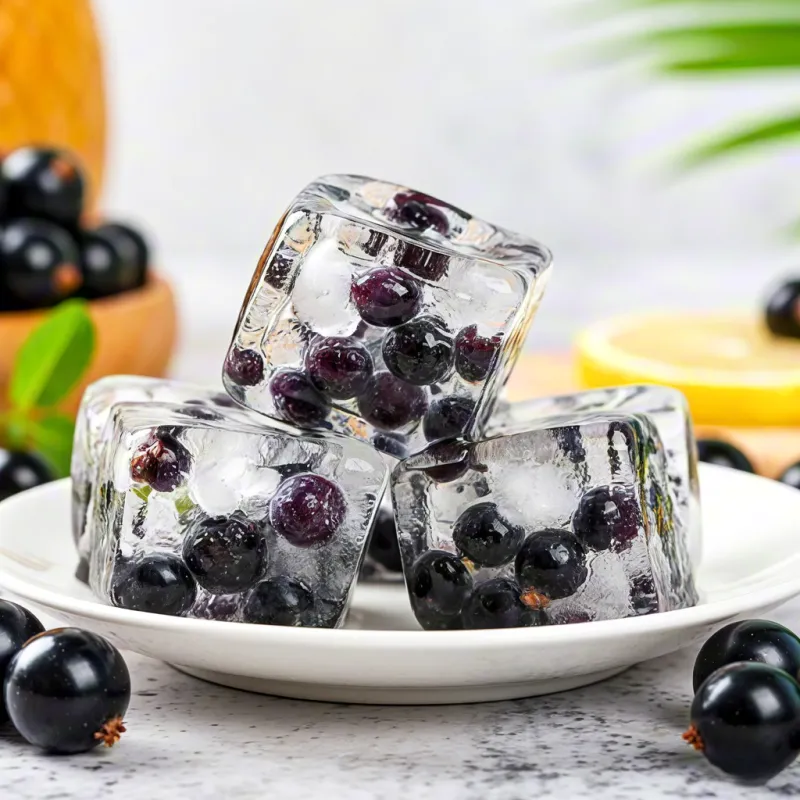
Leveraging state-of-the-art HACCP certified production lines, Yishangqiao offers frozen blackcurrants that excel in microbial safety, taste retention, and cold chain integrity. Our robust supplier traceability and compliance with EU import standards empower you to confidently supply top-tier berries for juice, jam, and other fruit processing needs. Partner with us to elevate your product portfolio and market presence effortlessly.
Explore Yishangqiao Frozen Blackcurrants Now
 185
|
185
|
 Frozen blackcurrants
Quick - freezing technology
Cold chain transportation
- 18°C refrigeration
Preservation of fruit and vegetable nutrition
466
|
Blackcurrant processing techniques
Juice and jam formula adjustment
Food color stabilization
Anthocyanin pH control
Frozen fruit application
354
|
rapid frozen blackberries
blackberry freezing technology
cellular preservation in fruit
food freezing principles
organic frozen berries
195
|
frozen blackberry distribution efficiency
custom packaging for organic frozen berries
high-quality frozen fruit supply chain solutions
HACCP certified frozen fruits
international food ingredient sourcing
426
|
organic frozen blackberries
high - quality frozen blackberries
blackberry supply chain management
HACCP certification
rapid freezing technology
Frozen blackcurrants
Quick - freezing technology
Cold chain transportation
- 18°C refrigeration
Preservation of fruit and vegetable nutrition
466
|
Blackcurrant processing techniques
Juice and jam formula adjustment
Food color stabilization
Anthocyanin pH control
Frozen fruit application
354
|
rapid frozen blackberries
blackberry freezing technology
cellular preservation in fruit
food freezing principles
organic frozen berries
195
|
frozen blackberry distribution efficiency
custom packaging for organic frozen berries
high-quality frozen fruit supply chain solutions
HACCP certified frozen fruits
international food ingredient sourcing
426
|
organic frozen blackberries
high - quality frozen blackberries
blackberry supply chain management
HACCP certification
rapid freezing technology




.png?x-oss-process=image/resize,h_100,m_lfit/format,webp)
.png?x-oss-process=image/resize,h_100,m_lfit/format,webp)
.png?x-oss-process=image/resize,h_100,m_lfit/format,webp)
 English


